
Tax season often brings a sense of trepidation, not just because of the complex calculations involved, but because of the logistical hurdles of ensuring the money reaches the right destination. For the modern taxpayer—ranging from the W-2 employee to the high-frequency investor and the burgeoning entrepreneur—the question “where do I pay my taxes” is multifaceted. In an era where digital finance is the norm, the methods and portals for tax remittance have evolved significantly.
Understanding the various channels for tax payment is essential for maintaining financial health and avoiding the steep penalties associated with late or incorrect filings. This guide provides a deep dive into the digital and physical landscapes of tax payment, ensuring you know exactly where to direct your funds for federal, state, and local obligations.
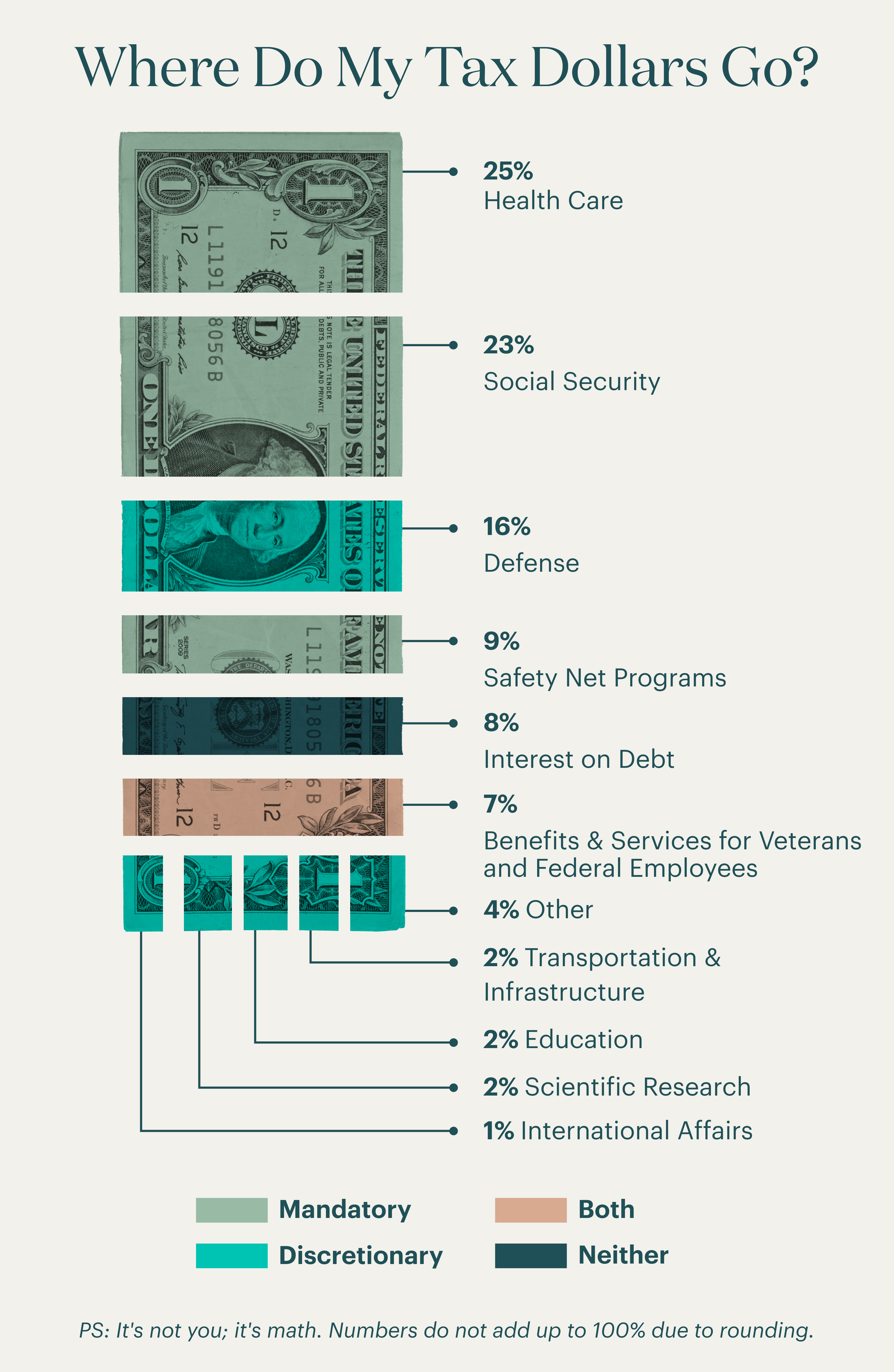
Navigating the Digital Front Door: Paying Your Federal Income Tax
The Internal Revenue Service (IRS) has made significant strides in digitizing the payment process. For the vast majority of Americans, the federal government is the primary recipient of tax dollars, and the IRS offers several distinct online portals designed for different user needs.
IRS Direct Pay
For individual taxpayers, IRS Direct Pay is the most streamlined and cost-effective method. This service allows you to pay your income tax directly from your checking or savings account without any additional processing fees. It is particularly useful for those filing Form 1040, as well as those making estimated tax payments. The platform provides immediate confirmation that your payment has been submitted, which is a vital security feature for peace of mind.
The Electronic Federal Tax Payment System (EFTPS)
While Direct Pay is excellent for individuals, the Electronic Federal Tax Payment System (EFTPS) is the preferred choice for business owners and high-net-worth individuals with complex tax requirements. Unlike Direct Pay, EFTPS requires a registration process and a secure PIN. Once set up, it offers a more robust history of payments and allows users to schedule payments up to 365 days in advance. This is an essential tool for those managing business taxes or corporate payroll obligations.
Digital Wallets and Credit Card Processors
In recent years, the IRS has expanded its flexibility by allowing payments through third-party processors. This means you can pay your federal taxes using PayPal, Venmo, or major credit cards. While these options offer convenience and the potential to earn credit card rewards, they come with a caveat: convenience fees. Third-party processors charge a percentage of the total payment (usually ranging from 1.8% to 2.5%), so it is important to calculate whether the convenience or rewards outweigh the additional cost.
Managing Regional Obligations: State and Local Tax Portals
Once federal obligations are addressed, the focus shifts to state and local levels. Because the United States operates on a federalist system, there is no single “one-stop shop” for state taxes. Each state maintains its own Department of Revenue (DOR) or Franchise Tax Board, each with its own unique payment portal.
State Revenue Department Websites
The primary location to pay state income taxes is through the official website of your state’s taxing authority. For example, California residents utilize the Franchise Tax Board (FTB) website, while New Yorkers navigate through the Department of Taxation and Finance portal. Most states offer “Web Pay” services similar to the IRS Direct Pay, allowing for free ACH transfers from bank accounts. It is crucial to ensure you are on an official .gov website to protect your sensitive financial data.
Municipal and Property Taxes
Beyond income tax, many individuals owe taxes to their specific city or county. This category often includes property taxes and local school district taxes. These are typically paid through county treasurer or tax collector websites. In many jurisdictions, these portals also handle payments for “tangible personal property” taxes, which may apply to business equipment or vehicles. Unlike federal taxes, local taxes are often billed in cycles that do not align with the April 15th deadline, making it vital to monitor local government notifications.
Reciprocal Agreements and Multi-State Filing
For digital nomads, remote workers, or those living in one state while working in another, the question of “where” becomes even more complex. You may be required to pay taxes in multiple jurisdictions. Many states have reciprocal agreements that prevent double taxation, but you must still file the appropriate forms and navigate the payment portals for each state where you earned income. Financial management software is often necessary in these cases to track which funds are owed to which state.
The Side Hustle Reality: Paying Quarterly Estimated Taxes
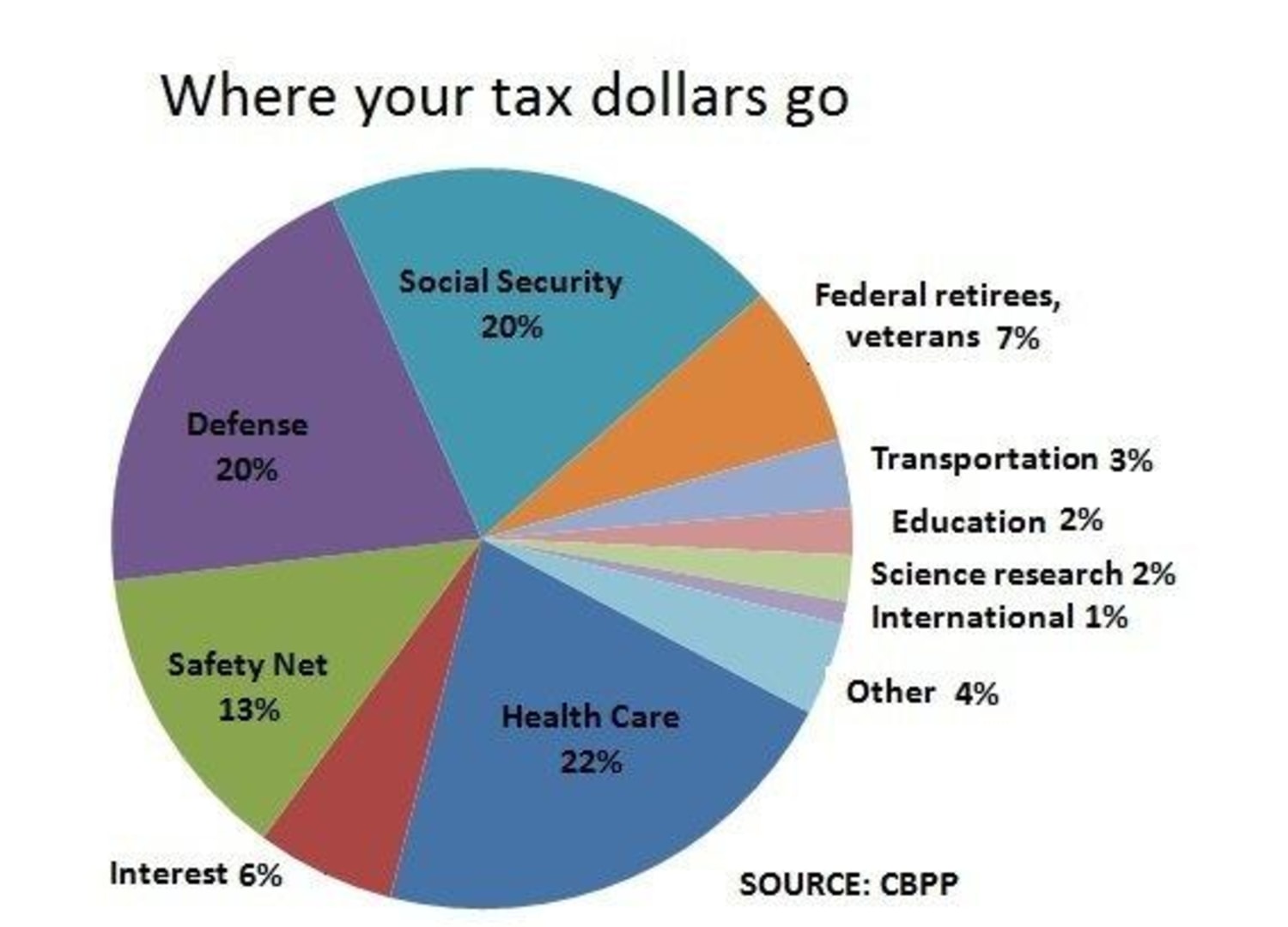
The rise of the gig economy and online entrepreneurship has shifted the tax landscape for millions. If you are a freelancer, independent contractor, or side hustler, you are likely not having taxes withheld from a paycheck. This means you cannot wait until April to settle your debt; you must pay as you go.
Determining Your Quarterly Obligations
The IRS and most states require quarterly estimated tax payments if you expect to owe $1,000 or more when you file your return. These payments are due in four installments: April, June, September, and January. The “where” in this scenario remains the same—IRS Direct Pay or EFTPS—but the frequency and the form used (Form 1040-ES) are different. Failure to pay into these portals quarterly can result in “underpayment penalties,” even if you pay the full amount by the April deadline.
Self-Employment Tax Portals
It is important to remember that when paying through these portals as a freelancer, you are paying both the employer and employee portions of Social Security and Medicare taxes. This is collectively known as the self-employment tax. When you use the IRS payment portals, you must specify that the payment is for “Estimated Tax” to ensure the funds are applied to the correct bucket for the current tax year.
Managing Business Tax Identity
If you operate your side hustle as an LLC or S-Corp, you may have an Employer Identification Number (EIN). In this case, your tax payments might be funneled through business-specific portals rather than your personal Social Security number. Maintaining a clear distinction between personal and business tax payments is fundamental for accurate accounting and legal protection.
Leveraging Technology: Tax Software and Integrated Financial Tools
As financial technology (Fintech) matures, the line between “calculating” and “paying” taxes has blurred. Many modern tools now integrate the payment process directly into their interface, removing the need to visit government websites manually.
Full-Service Tax Preparation Software
Platforms like TurboTax, H&R Block, and TaxSlayer have become the “where” for millions of taxpayers. When you file through these services, they offer to pull the payment directly from your bank account or deduct the tax owed from your refund. While this is incredibly convenient, users should be aware of “refund anticipation loans” or high fees for filing state returns. However, for a seamless experience, these platforms act as a reliable middleman between your bank and the treasury.
Fintech Solutions and Business Banking
New-age business banks and financial tools like Mercury, Relay, or Quickbooks often feature built-in tax estimation and payment modules. Some of these tools allow you to set aside a percentage of every incoming invoice into a “tax sub-account” and then pay the IRS directly from that sub-account. This integration reduces the friction of tax season and ensures that the money is already accounted for when the deadline arrives.
The Role of Cryptocurrency in Tax Payments
While still in its infancy, some jurisdictions have begun exploring or accepting cryptocurrency for tax payments. A few states, such as Colorado, have implemented systems where taxpayers can pay via a crypto service provider. However, the IRS still requires all federal payments to be made in U.S. dollars. If you are an investor in the digital asset space, you will likely need to liquidate assets into fiat currency before navigating to the standard IRS payment portals.
Avoiding Penalties: Best Practices for Secure and Timely Payments
Knowing where to pay is only half the battle; ensuring the payment is executed correctly and securely is what ultimately protects your financial standing.
Verification and Record-Keeping
The most common mistake taxpayers make is failing to save their confirmation numbers. Whether you pay via IRS Direct Pay or a state portal, always download the PDF receipt or print the confirmation page. Government systems can occasionally have glitches, and having a timestamped confirmation is your only defense against a “failure to pay” notice. Furthermore, verify that the “Tax Year” selected on the portal is correct. Paying for the wrong year can lead to a bureaucratic nightmare of moving funds between accounts.
Confirming Payment Receipt
After making a payment, do not assume it was processed simply because you hit “submit.” Check your bank statement 48 to 72 hours later to ensure the funds were withdrawn. For federal taxes, you can create an IRS Online Account to view your balance, payment history, and any transcripts. This is the most professional way to manage your tax life, as it provides a centralized dashboard for all your interactions with the federal government.

Installment Agreements and Payment Plans
If you find yourself in a position where you know where to pay but do not have the means to pay the full amount, the “where” shifts to the IRS Online Payment Agreement application. The IRS offers short-term and long-term installment plans. By setting up a formal agreement through their portal, you can reduce the penalties and interest that would otherwise accrue on an unpaid balance.
In conclusion, the modern financial landscape offers a variety of channels for tax payment, each tailored to different needs and levels of complexity. By mastering these digital portals—from IRS Direct Pay and state-specific websites to integrated software solutions—you can transform tax season from a period of uncertainty into a streamlined, professional financial process. Awareness of where your money goes is the first step toward true financial literacy and long-term wealth management.
aViewFromTheCave is a participant in the Amazon Services LLC Associates Program, an affiliate advertising program designed to provide a means for sites to earn advertising fees by advertising and linking to Amazon.com. Amazon, the Amazon logo, AmazonSupply, and the AmazonSupply logo are trademarks of Amazon.com, Inc. or its affiliates. As an Amazon Associate we earn affiliate commissions from qualifying purchases.