
In the current era of digital-first financial management, the days of mailing paper checks and hoping they arrive at the Internal Revenue Service (IRS) on time are rapidly fading. For the modern individual or business owner, paying federal taxes online is not just a matter of convenience; it is a critical component of a sophisticated personal finance strategy. Transitioning to digital payments allows for greater precision, immediate confirmation, and enhanced security.
Understanding the various portals and methods available for online tax payments is essential for maintaining a healthy financial standing with the government. Whether you are settling a year-end balance, making quarterly estimated payments, or managing business payroll taxes, the digital landscape offers several robust tools tailored to different financial needs.

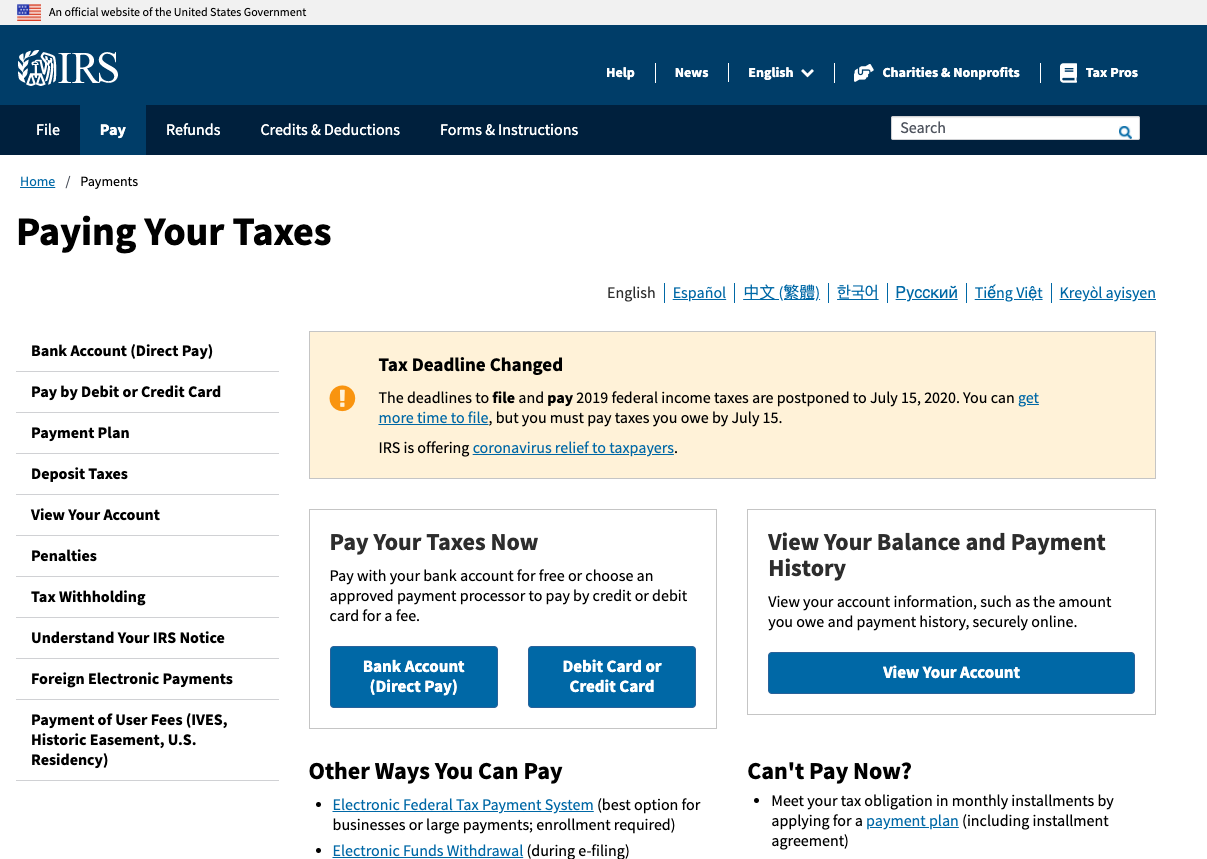
Leveraging Official IRS Digital Payment Portals
The IRS has significantly upgraded its infrastructure over the last decade, moving away from archaic systems toward streamlined, user-friendly digital gateways. Choosing the right portal depends largely on your status as an individual or a business entity and the specific type of tax you are paying.
IRS Direct Pay: The Premier Solution for Individuals
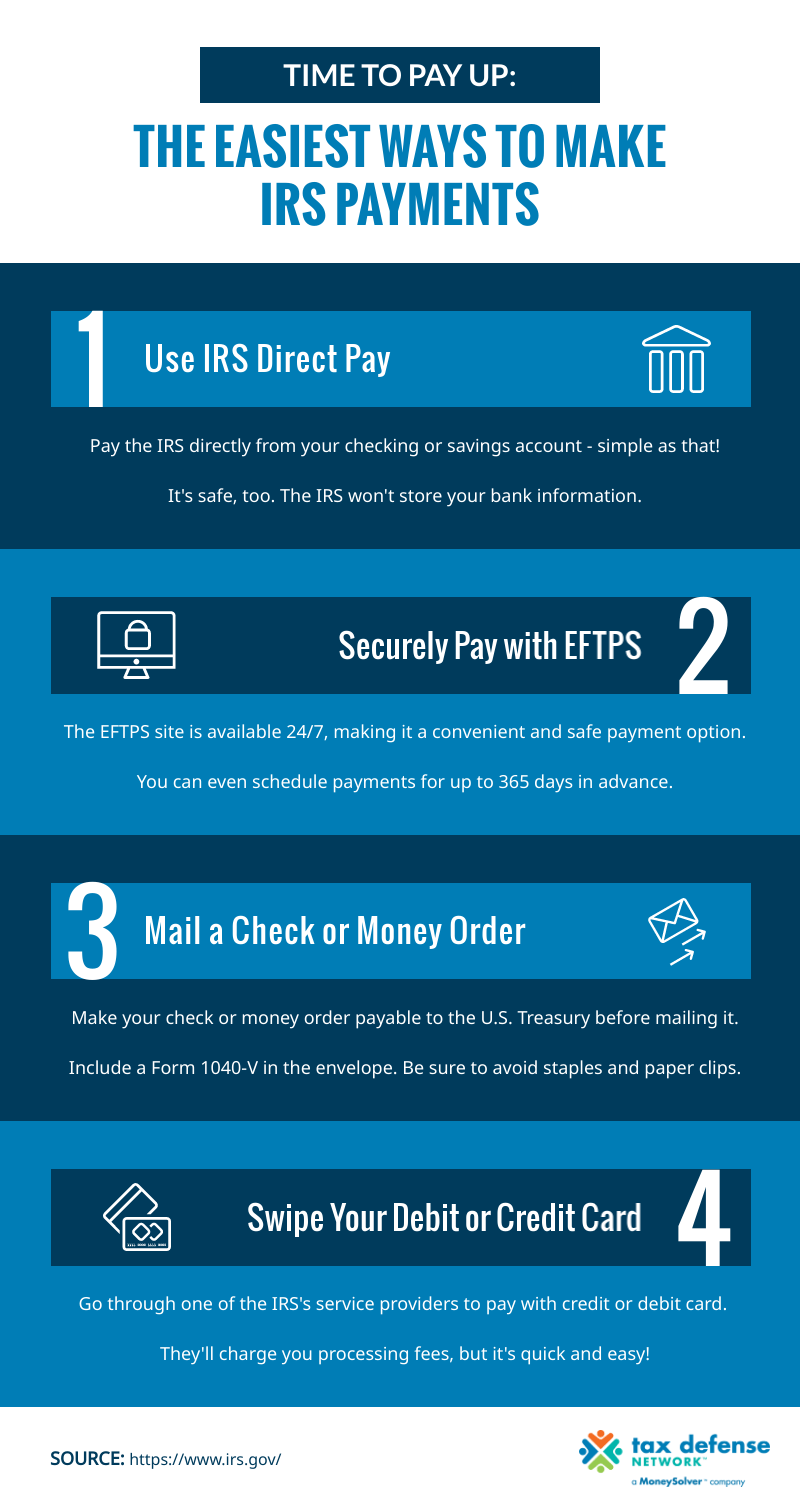
IRS Direct Pay is arguably the most straightforward tool for individual taxpayers. It allows you to pay your income tax directly from your checking or savings account without any processing fees. The beauty of Direct Pay lies in its simplicity; it does not require a lengthy registration process. Instead, you verify your identity using information from a previous year’s tax return.
From a financial management perspective, Direct Pay is ideal because it provides an instant confirmation number. This digital receipt is vital for record-keeping, ensuring that you have proof of payment the moment the transaction is initiated. It supports various payment types, including Form 1040, amended returns, and estimated taxes.
EFTPS: The Gold Standard for Business and Large Transactions
The Electronic Federal Tax Payment System (EFTPS) is a free service provided by the U.S. Department of the Treasury. While Direct Pay is perfect for one-off individual payments, EFTPS is the preferred vehicle for small business owners, corporations, and individuals with complex tax lives.
EFTPS requires a formal enrollment process, which includes receiving a PIN via physical mail for security. Once set up, it offers a comprehensive dashboard where you can schedule payments up to 365 days in advance. This is a powerful tool for financial planning, allowing business owners to automate their tax obligations and avoid the risk of late-payment penalties that can erode profit margins.
Digital Wallets and Third-Party Processors
For those who prefer not to use direct bank transfers, the IRS authorizes several third-party payment processors to handle credit card, debit card, and digital wallet transactions (such as PayPal or Click to Pay). While these services are convenient, they come with a “convenience fee” charged by the processor, usually ranging from 1.82% to 1.98% for credit cards.
From a strategic money management standpoint, paying via credit card is usually only advisable if the rewards or “cash back” earned on the card exceed the processing fee, or if you are using the card as a short-term financing tool to avoid immediate liquidity issues.
Integrating Tax Payments into Your Personal Finance Workflow
Paying taxes should not be a frantic, once-a-year scramble. By utilizing online payment tools, you can integrate tax obligations into your monthly or quarterly financial workflow, ensuring that you are never caught off guard by a large bill.
Setting Up Scheduled Payments for Quarterly Estimates
For freelancers, independent contractors, and investors, the “pay-as-you-go” system is a legal requirement. If you expect to owe more than $1,000 in taxes, you must make quarterly estimated payments. Online portals make this process seamless.
Instead of writing four checks a year, you can log into EFTPS or use the IRS2Go app to schedule all four payments at the start of the year. This proactive approach to money management ensures that your tax liability is handled systematically, allowing you to focus on growing your income without the looming shadow of an unpaid tax debt.
Digital Record-Keeping and Bookkeeping Accuracy
One of the greatest advantages of paying online is the digital audit trail. When you pay by mail, there is a “blind spot” between the time you send the check and the time it is processed. Online payments provide immediate feedback.
Financial experts recommend downloading and archiving the payment confirmation for every online transaction. These digital receipts should be integrated into your accounting software (like QuickBooks or Xero) or your personal budget spreadsheet. This level of organization simplifies the process if you ever need to reconcile your accounts or provide documentation during a financial review.
Using Online Accounts for a 360-Degree Financial View
The IRS “Online Account” feature is a powerful resource for personal finance. By creating an account, you can see your total balance owed, view your payment history, and access digital copies of select notices. This transparency allows you to make informed decisions about your cash flow. If you realize you owe a balance, you can initiate a payment directly from your account dashboard, ensuring the funds are applied to the correct tax year and type.
Navigating Payment Options for Business Owners and Freelancers
Business finance requires a higher level of scrutiny and organization than personal finance. Online tax payments are the backbone of a compliant and efficient business operation.
Managing Payroll and Excise Taxes Digitally
For employers, managing federal tax deposits (FTD) is a recurring and sensitive task. Using EFTPS is generally mandatory for these types of payments. The system allows businesses to track their history and ensure that Social Security, Medicare, and withheld income taxes are deposited on time.
From a cash flow management perspective, the ability to schedule these payments ensures that the “tax money” is moved out of the operating account and into the government’s hands before it can be accidentally spent on other business expenses. This discipline is what separates sustainable businesses from those that struggle with IRS liens.
Handling “Balance Due” and Installment Agreements
Sometimes, a business or individual may find themselves unable to pay their full tax liability at once. The IRS website provides an “Online Payment Agreement” tool. This allows you to apply for a payment plan or installment agreement digitally.
Instead of engaging in a long series of phone calls with IRS agents, you can set up a monthly electronic funds transfer (EFT). This automates your debt repayment, ensuring you stay in good standing while managing your monthly liquidity. In the world of finance, avoiding the high interest rates of a private loan to pay taxes by using an official IRS installment plan can often be the more cost-effective choice.
Security and Financial Safeguards in Online Transactions
When moving significant sums of money online, security is the top priority. Financial literacy includes knowing how to protect your assets from cyber threats and ensuring your payments reach the intended destination.
Verifying the Authenticity of IRS Portals
Phishing scams are rampant, especially during tax season. It is vital to remember that the IRS does not initiate contact via email, text message, or social media to request personal or financial information.
Always ensure you are on a “.gov” website. Before entering your bank account or credit card details, verify the URL. The official portals—IRS.gov, EFTPS.gov, and the authorized third-party processors—are the only places your financial data should be entered. Safeguarding your digital identity is just as important as the payment itself.
Two-Factor Authentication and Data Protection
When using the IRS Online Account or EFTPS, utilize the strongest security settings available. This often includes multi-factor authentication (MFA). While it adds an extra step to the login process, it provides a crucial layer of defense for your financial records. In an era where data breaches are common, protecting the portal that links your Social Security Number to your bank account is a non-negotiable aspect of digital financial health.
Common Pitfalls and How to Avoid Them
Even with the best tools, errors can occur. Being aware of common mistakes can save you from unnecessary stress and financial penalties.
Timing and Processing Windows
While online payments are faster than mail, they are not always instantaneous in terms of bank processing. For example, if you use Direct Pay, you must submit the payment by 8:00 PM Eastern Time to have it processed on the same business day.
If you wait until the very last minute on April 15th, a technical glitch or a slight delay in processing could result in a late filing or payment penalty. A sound financial strategy involves making payments at least 48 to 72 hours before the deadline to account for any unforeseen digital friction.
Confirming Successful Transactions
Never assume a payment went through just because you clicked “Submit.” Always wait for the confirmation page and save the confirmation number. Furthermore, check your bank statement a few days later to ensure the funds were actually withdrawn.
Occasionally, a typo in a routing number or an account number can cause a payment to fail. If this happens, the IRS will treat it as a non-payment, which could lead to “dishonored check” fees, even though the process was digital. Regularly auditing your own transactions is a hallmark of diligent financial management.
Conclusion: The Financial Advantage of Going Digital
Transitioning to online federal tax payments is a vital step for anyone looking to modernize their financial life. By using tools like IRS Direct Pay and EFTPS, you gain control over your cash flow, reduce the risk of lost paperwork, and create a clear, searchable history of your contributions.
In the realm of personal and business finance, clarity is power. Online tax payments provide that clarity, allowing you to fulfill your civic obligations with the same efficiency and security that you expect from your online banking or investment platforms. By integrating these digital habits into your broader financial strategy, you ensure that your relationship with the IRS remains professional, organized, and stress-free.
aViewFromTheCave is a participant in the Amazon Services LLC Associates Program, an affiliate advertising program designed to provide a means for sites to earn advertising fees by advertising and linking to Amazon.com. Amazon, the Amazon logo, AmazonSupply, and the AmazonSupply logo are trademarks of Amazon.com, Inc. or its affiliates. As an Amazon Associate we earn affiliate commissions from qualifying purchases.