
In the modern financial landscape, few companies command as much gravity as NVIDIA. As the primary engine behind the global artificial intelligence revolution, NVIDIA’s stock performance is often viewed as a bellwether for the broader tech sector and the health of the Nasdaq. However, even a titan of industry is not immune to the gravitational pulls of the market. When NVIDIA’s stock experiences a downward shift, it often triggers a wave of speculation among retail and institutional investors alike.
Understanding why NVIDIA is down today requires a multi-faceted approach that moves beyond simple headlines. It involves analyzing macroeconomic pressures, sector-specific rotations, and the internal mechanics of growth-stock valuation. For the disciplined investor, these dips are rarely random; they are the result of a complex interplay between market psychology and hard financial data.
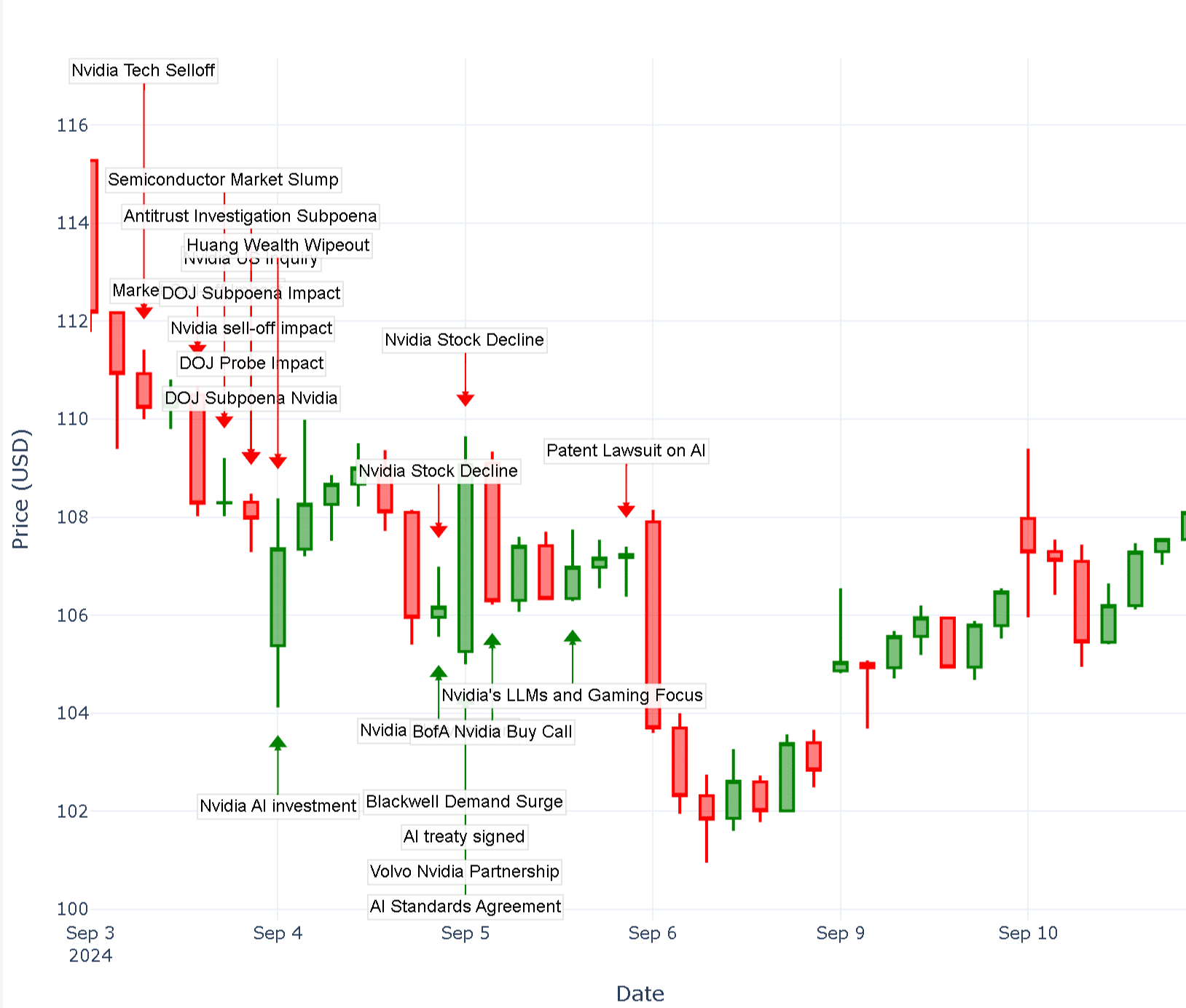
1. Macroeconomic Headwinds and Interest Rate Sensitivity
The most frequent catalyst for a dip in high-growth stocks like NVIDIA is the shifting macroeconomic environment. While NVIDIA operates at the cutting edge of technology, its stock price is heavily influenced by the fundamental laws of finance, particularly those concerning interest rates and inflation.
The Role of the Federal Reserve and Yield Curves
NVIDIA is classified as a “growth stock,” meaning much of its perceived value is based on projected future earnings rather than just current cash flow. In financial modeling—specifically Discounted Cash Flow (DCF) analysis—future earnings are “discounted” back to the present day using a specific rate, often tied to the yield on the 10-year Treasury note.
When the Federal Reserve hints at keeping interest rates “higher for longer,” or when inflation data comes in hotter than expected, bond yields tend to rise. As these yields climb, the discount rate applied to future earnings increases, which mathematically lowers the current value of growth stocks. Today’s downward pressure may simply be the market recalibrating NVIDIA’s valuation in the face of a more restrictive monetary environment.
Global Economic Sentiment and Currency Fluctuations
As a global entity, NVIDIA is sensitive to international economic health. A strengthening U.S. dollar can act as a headwind for multinational corporations. When the dollar is strong, products sold abroad become more expensive for international customers, and the revenue generated in foreign currencies is worth less when converted back into dollars. If today’s market is reacting to a spike in the Dollar Index (DXY) or slowing industrial growth in key markets like Europe or China, NVIDIA’s stock often feels the impact.
2. Sector Rotation and Technical Profit Taking
In the world of investing, what goes up must eventually consolidate. NVIDIA’s meteoric rise over the past few years has been historic, but no stock moves in a straight line upward forever.
The Phenomenon of “Profit Taking”
After a period of significant gains, institutional investors—such as hedge funds and pension funds—often engage in “profit taking.” This is a strategic move to lock in gains and rebalance portfolios. If NVIDIA has outperformed the rest of a fund’s holdings, the fund manager may sell a portion of their NVIDIA position to maintain their desired asset allocation. When many large players do this simultaneously, it creates downward pressure on the stock price regardless of the company’s actual business performance.
Mean Reversion and Technical Indicators
Traders often look at technical indicators such as the Relative Strength Index (RSI) or moving averages. If NVIDIA’s stock has become “overbought” (typically an RSI above 70), a technical correction is often expected. Market participants who follow these charts may see a dip as a necessary “mean reversion,” where the stock price returns to its historical average or its 50-day moving average. Today’s decline might be the result of the stock simply catching its breath after an unsustainable sprint.
Sector Rotation into Value Stocks
Markets often move in cycles. There are periods where investors favor high-growth tech (Growth) and periods where they favor stable, dividend-paying companies in utilities or consumer staples (Value). If the prevailing market sentiment today is a shift away from “AI exuberance” and toward defensive positioning, capital may be flowing out of NVIDIA and into more conservative sectors.
3. Regulatory Pressures and Geopolitical Tensions
NVIDIA finds itself at the center of a geopolitical tug-of-war, particularly concerning the high-performance semiconductors required for AI. This unique position introduces risks that are absent for many other companies.
Export Restrictions and Trade Policy
The U.S. government has a vested interest in maintaining a technological lead in AI, which has led to stringent export controls on advanced chips to certain regions, most notably China. Any news or rumors regarding expanded Department of Commerce restrictions can cause an immediate sell-off. China represents a significant portion of the global semiconductor market; any threat to NVIDIA’s ability to service this market is viewed by investors as a threat to future revenue growth.
Antitrust Scrutiny and Market Dominance
With great power comes great regulatory oversight. As NVIDIA’s market share in the AI data center space approaches a near-monopoly, regulators in the U.S., EU, and UK have begun to take notice. Concerns regarding “vendor lock-in” (where customers are forced to use NVIDIA software like CUDA alongside their hardware) can lead to antitrust investigations. Even the mere mention of a preliminary inquiry by a regulatory body can spook investors, leading to a temporary decline in share price as the market prices in potential legal risks.
4. Supply Chain Constraints and Competitive Evolution
While NVIDIA’s software and architecture are world-class, they are dependent on a physical supply chain that is both complex and fragile.
Manufacturing Bottlenecks (TSMC Dependency)
NVIDIA is a “fabless” semiconductor company, meaning they design their chips but rely on companies like Taiwan Semiconductor Manufacturing Company (TSMC) to build them. TSMC’s capacity for advanced packaging (such as CoWoS) is currently a bottleneck for the entire AI industry. If there are reports of supply chain delays, wafer yield issues, or logistical hurdles in East Asia, NVIDIA’s ability to meet its massive order backlog is called into question. Investors hate uncertainty, and supply chain friction is a major source of it.
The Rise of Custom Silicon and Competition
While NVIDIA currently dominates, the “Big Tech” players—Google, Amazon, Meta, and Microsoft—are all developing their own custom AI chips (ASICs) to reduce their reliance on NVIDIA. Furthermore, traditional rivals like AMD are making strides with their own AI accelerators. If the market receives news that a major cloud service provider is shifting a percentage of its budget away from NVIDIA toward internal solutions or competitors, it can lead to a cooling of investor enthusiasm.
5. Strategic Insights: How to Interpret the Downward Move
For the intelligent investor, a red day on the ticker is not necessarily a signal to panic. Instead, it is a signal to analyze.
Differentiating Between Noise and Fundamentals
It is essential to distinguish between “market noise” and “fundamental change.” Market noise includes interest rate jitters, general volatility, and technical corrections. Fundamental change would involve a decrease in the demand for AI, a flaw in NVIDIA’s hardware, or a loss of technological leadership. As of now, the demand for AI computation continues to outpace supply. If the company’s fundamentals—its margins, its revenue growth, and its moat—remain intact, a price drop is often viewed by institutional investors as a “buying the dip” opportunity.
The “Whisper Number” and Earnings Expectations
Sometimes, NVIDIA stock drops even after a positive news cycle. This is often due to “whisper numbers”—the unofficial expectations held by Wall Street analysts that are even higher than the published estimates. If NVIDIA announces a product or an update that is excellent, but not miraculous, the market may react negatively because the “perfection” already priced into the stock was not met. This is a classic example of “buying the rumor and selling the news.”
Long-Term Outlook vs. Short-Term Volatility
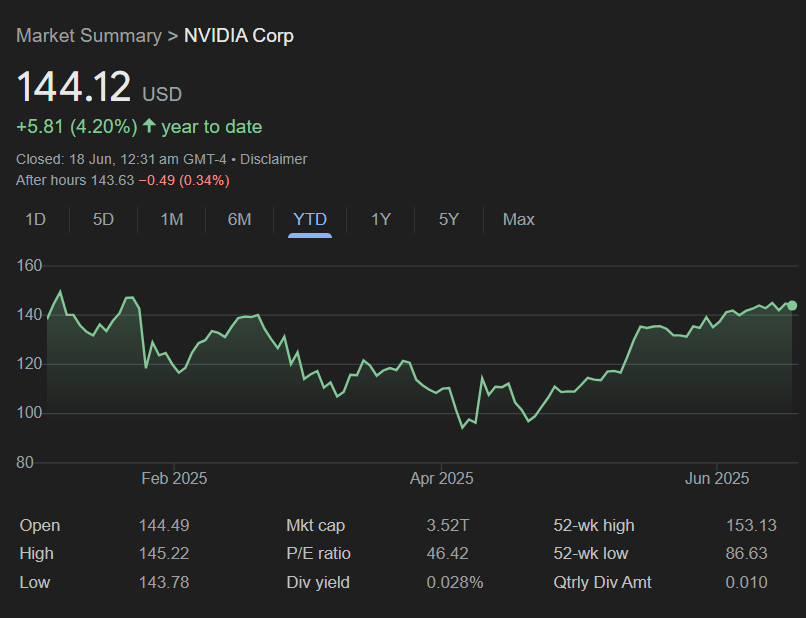
NVIDIA is no longer just a “graphics card company” for gamers; it is the infrastructure layer for the next era of computing. Volatility is the price investors pay for the potential of outsized returns in the tech sector. Today’s decline may be significant in a 24-hour window, but when viewed on a five-year chart, it often appears as a minor blip. Diversification and a focus on long-term secular trends (like the transition from general-purpose computing to accelerated computing) remain the best defenses against the anxiety of a single-day market drop.
In conclusion, NVIDIA’s stock being down today is likely the result of a confluence of factors: a tightening macroeconomic environment, standard profit-taking after a period of high growth, and the inherent risks of geopolitical and regulatory scrutiny. By understanding these pillars of finance, investors can move away from reactive decision-making and toward a more calculated, strategic approach to their portfolios.
aViewFromTheCave is a participant in the Amazon Services LLC Associates Program, an affiliate advertising program designed to provide a means for sites to earn advertising fees by advertising and linking to Amazon.com. Amazon, the Amazon logo, AmazonSupply, and the AmazonSupply logo are trademarks of Amazon.com, Inc. or its affiliates. As an Amazon Associate we earn affiliate commissions from qualifying purchases.