
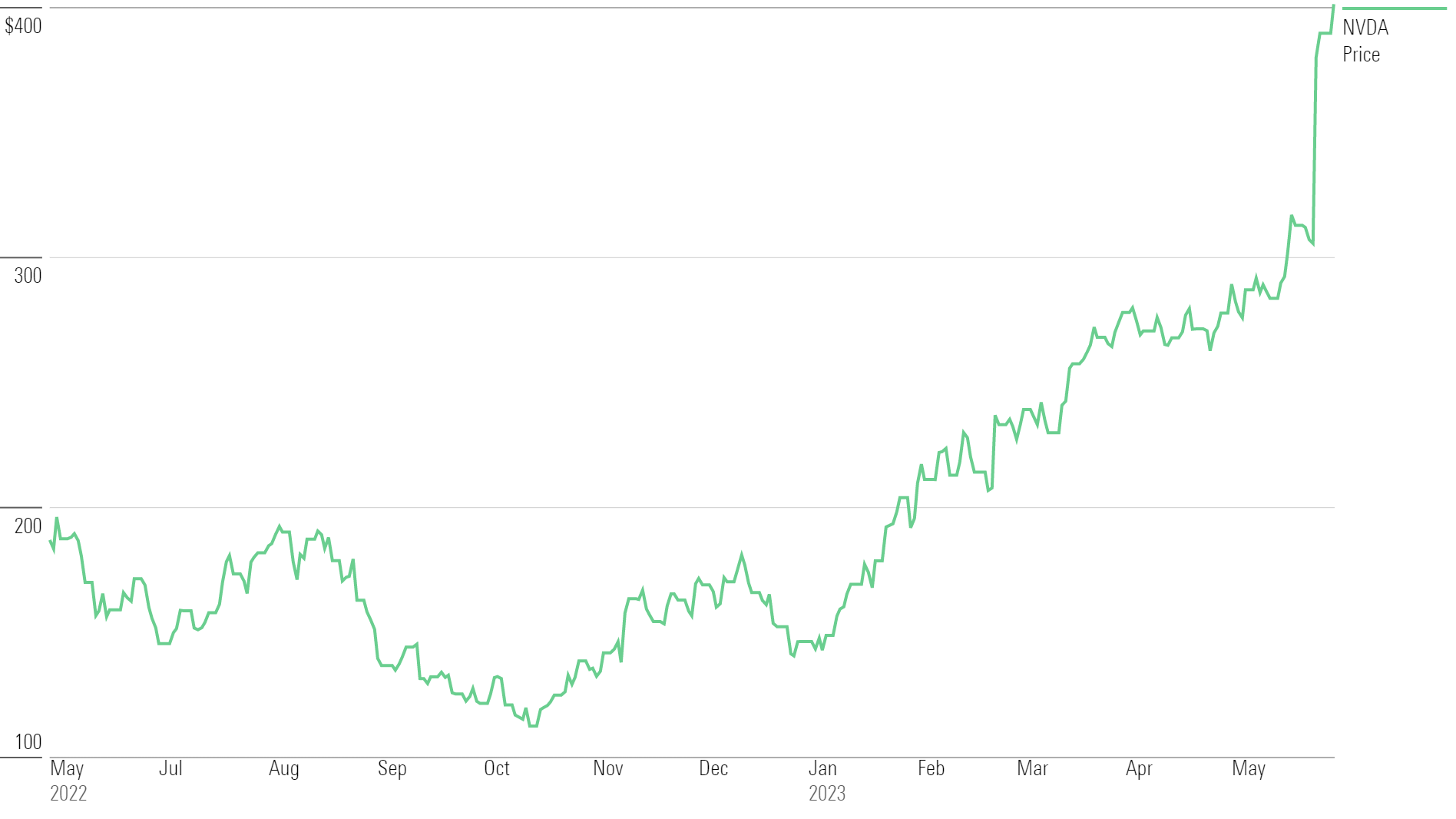
NVIDIA Corporation (NVDA) has transformed from a niche manufacturer of graphics processing units (GPUs) into a global powerhouse at the epicenter of the artificial intelligence (AI) revolution. As its market capitalization has soared, more individual investors are looking for ways to add this semiconductor giant to their portfolios. However, the process of buying stock involves more than just a single mouse click; it requires a strategic understanding of brokerage platforms, account types, and order execution. This guide provides an in-depth financial perspective on where to buy NVIDIA stock and how to navigate the complexities of the modern investment landscape.
Selecting the Best Brokerage for Your NVIDIA Investment
The first step in acquiring NVIDIA shares is selecting a brokerage firm. In the current financial ecosystem, the barrier to entry is lower than ever, with most major firms offering commission-free trades for U.S.-listed stocks. However, not all platforms are created equal, and your choice should depend on your level of experience and your long-term financial goals.
Top Online Discount Brokers
For the serious investor, established discount brokers like Fidelity Investments, Charles Schwab, and Vanguard offer robust tools and deep resources. These platforms are ideal for those who want more than just a trading interface. Fidelity and Schwab, for example, provide extensive equity research reports, fundamental analysis tools, and high-quality customer service. When buying a high-growth, high-volatility stock like NVIDIA, having access to institutional-grade research can help you understand the company’s valuation relative to its peers in the semiconductor industry.
Mobile-First Apps and Fintech Platforms
If you prefer a streamlined, user-friendly experience, fintech apps like Robinhood, Webull, and Public have revolutionized the industry. These platforms are particularly popular among younger investors due to their intuitive interfaces and “gamified” elements. While they may lack the deep fundamental research tools of a full-service broker, they excel in speed and accessibility. Many of these apps also offer “Social Investing” features, allowing you to see what other investors are saying about NVDA in real-time.
International Access for Global Investors
NVIDIA is listed on the Nasdaq Stock Market in the United States, but you don’t have to be a U.S. resident to buy it. International investors can access NVIDIA through global brokers like Interactive Brokers (IBKR), which provides access to over 150 markets. Additionally, many local banks in Europe and Asia offer international brokerage accounts, though these often come with higher transaction fees and currency conversion costs. For those outside the U.S., it is vital to consider the impact of currency fluctuations between your local currency and the U.S. Dollar (USD) on your total return.
Determining the Right Account Structure
Once you have chosen a platform, you must decide which type of investment account to open. This decision is primarily driven by your liquidity needs and your long-term tax strategy.
Standard Taxable Brokerage Accounts
A standard individual or joint brokerage account is the most flexible option. There are no limits on how much you can contribute annually, and you can withdraw your funds at any time. However, this flexibility comes at a cost: taxes. When you sell your NVIDIA stock for a profit, you will be subject to capital gains taxes. If you hold the stock for less than a year, it is taxed as “short-term” capital gains (usually at your ordinary income tax rate). If you hold it for longer than a year, you qualify for lower “long-term” capital gains rates.
Retirement Accounts (IRAs)
For investors with a multi-decade time horizon, purchasing NVIDIA stock within a tax-advantaged account like a Traditional IRA or a Roth IRA is often the most financially sound move. In a Roth IRA, your investments grow tax-free, and qualified withdrawals during retirement are also tax-free. Given NVIDIA’s history of massive capital appreciation, shielding those gains from the IRS can result in significantly higher net wealth over time. The trade-off is that these accounts have annual contribution limits and penalties for early withdrawal.
Educational Savings Accounts (529 Plans)
While less common for individual stock picking, some self-directed 529 plans or Coverdell Education Savings Accounts (ESAs) allow for the purchase of individual equities. If you are investing with the goal of funding a child’s future education, using these specialized accounts can provide unique state and federal tax benefits. However, be wary of the risk involved in putting a large portion of an education fund into a single, high-beta tech stock.
The Practical Steps: Placing Your First NVDA Trade
After funding your account, you are ready to execute the trade. Understanding the mechanics of the market will ensure you get a fair price and manage your risk effectively.

Market Orders vs. Limit Orders
When you go to buy NVIDIA, you will be presented with several “Order Types.” A Market Order instructs the broker to buy the stock immediately at the best available current price. While this guarantees execution, it does not guarantee the price—which can be a problem for a volatile stock like NVDA that can swing several dollars in minutes.
A Limit Order, on the other hand, allows you to set a maximum price you are willing to pay. For example, if NVDA is trading at $120, but you only want to pay $118, you can set a limit order. The trade will only execute if the price hits your target. This is the preferred method for most disciplined investors.
Fractional Shares: Investing with a Smaller Budget
NVIDIA’s share price has historically reached high levels (often leading to stock splits). If the price per share is higher than the amount of cash you have available, many modern brokers allow for Fractional Shares. This means you can invest by dollar amount rather than share count. If you have $50 to invest, you can buy $50 worth of NVIDIA, even if a single share costs $120. This lowers the barrier to entry and allows for “Dollar Cost Averaging” (DCA)—investing a fixed amount of money at regular intervals regardless of the stock price.
Recurring Investments and Automation
Many financial experts suggest that “time in the market” is more important than “timing the market.” Most major brokerages now offer automated investment features. You can set your account to automatically buy $100 worth of NVIDIA stock every Monday or every month. This strategy reduces the emotional stress of watching daily price fluctuations and helps build a significant position over time through disciplined accumulation.
Alternatives to Direct Stock Ownership: ETFs and Index Funds
Directly owning NVIDIA stock offers the highest potential reward, but it also carries the highest risk. If the semiconductor sector faces a downturn, your portfolio could suffer significant losses. For many, a diversified approach is safer.
Technology and Semiconductor ETFs
If you want exposure to NVIDIA but want to mitigate the risk of a single company’s failure, you can invest in an Exchange-Traded Fund (ETF) that holds a large position in NVDA. The VanEck Semiconductor ETF (SMH) and the iShares Semiconductor ETF (SOXX) both count NVIDIA as one of their top holdings. By buying these funds, you are betting on the growth of the entire chip industry, which includes competitors like AMD and Intel, alongside NVIDIA.
Broad Market Exposure
Because NVIDIA is one of the largest companies in the world by market cap, it is a dominant force in major indices. If you own an S&P 500 index fund (like VOO or SPY) or a Nasdaq-100 fund (like QQQ), you already own NVIDIA. For conservative investors, increasing your position in a Nasdaq-focused ETF is a way to gain “leveraged” exposure to NVIDIA’s growth while maintaining a cushion of 99 other large-cap companies.
The Role of Diversification
In the world of personal finance, diversification is the only “free lunch.” While it is tempting to go “all-in” on a high-performing stock like NVIDIA, professional financial planners usually recommend that no single stock should make up more than 5% to 10% of your total investment portfolio. This protects you from “idiosyncratic risk”—the risk that something specific happens to one company (such as a regulatory probe or a supply chain failure) that causes its stock to crash even if the rest of the market is doing well.
Post-Purchase Management and Risk Assessment
Buying the stock is only the beginning. Managing that investment requires ongoing vigilance and a clear exit strategy.
Monitoring Earnings and Financial Statements
As a shareholder, you are a part-owner of NVIDIA. It is your responsibility to monitor the company’s quarterly earnings reports. Investors should look closely at “Data Center” revenue growth, as this is currently the primary driver of the stock’s value. Additionally, pay attention to the “Forward P/E Ratio” (Price-to-Earnings). If the stock price rises much faster than the company’s actual earnings, the stock may become overvalued, signaling a potential time to trim your position.
Tax-Loss Harvesting
In the event that your NVIDIA investment loses value, you can use those losses to your advantage through a strategy called tax-loss harvesting. In a taxable brokerage account, you can sell your losing positions to “offset” the capital gains you made on other investments, thereby reducing your total tax bill. However, you must be aware of the “Wash Sale Rule,” which prevents you from claiming a tax loss if you buy the same stock back within 30 days of selling it.

Exit Strategies and Rebalancing
Before you buy, you should know when you plan to sell. Are you holding for 20 years for retirement, or are you looking for a 20% gain to fund a down payment on a house? If NVIDIA’s price skyrockets and it now represents 40% of your portfolio, it may be wise to “rebalance” by selling a portion of your shares and reinvesting the proceeds into other assets. This locks in your profits and ensures that your risk level remains aligned with your financial goals.
By carefully choosing your brokerage, optimizing your tax situation, and utilizing disciplined trading techniques, you can position yourself to benefit from NVIDIA’s growth while maintaining a stable and professional financial foundation.
aViewFromTheCave is a participant in the Amazon Services LLC Associates Program, an affiliate advertising program designed to provide a means for sites to earn advertising fees by advertising and linking to Amazon.com. Amazon, the Amazon logo, AmazonSupply, and the AmazonSupply logo are trademarks of Amazon.com, Inc. or its affiliates. As an Amazon Associate we earn affiliate commissions from qualifying purchases.