
In the realm of personal finance, travel is often categorized as a discretionary expense. However, for those who view exploration as a vital part of a balanced life, the objective becomes a matter of fiscal optimization: how can one achieve the highest “return on experience” for the lowest possible capital outlay? When it comes to maritime vacations, the question of which cruise line is the cheapest is more complex than a simple sticker price.
To identify the most cost-effective cruise line, one must look beyond the base fare and analyze the broader economic structures of the industry, including per-diem costs, inclusive value, and the financial “traps” that can inflate a travel budget. This guide breaks down the financial landscape of budget cruising to help you make an informed investment in your next vacation.
1. Analyzing the Economics of Budget Cruising
To understand which cruise line offers the lowest price point, we must first understand the business model of the “Value” or “Contemporary” cruise segment. Most budget-friendly lines operate on a high-volume, low-margin model. Their goal is to fill the ship to 100% capacity (or higher, with third and fourth berths) by offering an entry price that is often lower than the cost of a mid-range hotel.
Initial Fare vs. Total Cost of Ownership (TCO)
In personal finance, the Total Cost of Ownership (TCO) is a critical metric. When booking a cruise, the “lead-in price” you see on an advertisement is rarely what you actually pay. A $299 cruise can easily become a $700 expense once port fees, taxes, gratuities, and onboard spending are factored in. The “cheapest” line is the one that maintains the lowest TCO while providing the amenities you consider essential.
The Psychology of “A La Carte” Pricing
Lower-cost lines, such as Frontier or Spirit in the airline industry, often utilize unbundled pricing. This means the base fare gets you a room and basic meals, but everything else—soda, Wi-Fi, specialty dining, and even bottled water—comes at a premium. From a financial planning perspective, this is beneficial for the disciplined traveler who can opt out of extras, but it can be a “money pit” for those who lack a strict onboard budget.
Market Penetration and Price Elasticity
Newer players in the market or lines looking to expand their footprint in a specific region (like MSC Cruises in North America) often use aggressive pricing strategies to gain market share. This creates a “price elasticity” where consumers can find luxury-adjacent hardware at budget prices simply because the brand is trying to build a loyal customer base in a new territory.
2. Top Candidates for the Lowest Price Point
While prices fluctuate daily based on supply and demand, three specific cruise lines consistently dominate the “budget” category through different financial strategies.
Carnival Cruise Line: The Efficiency of Scale
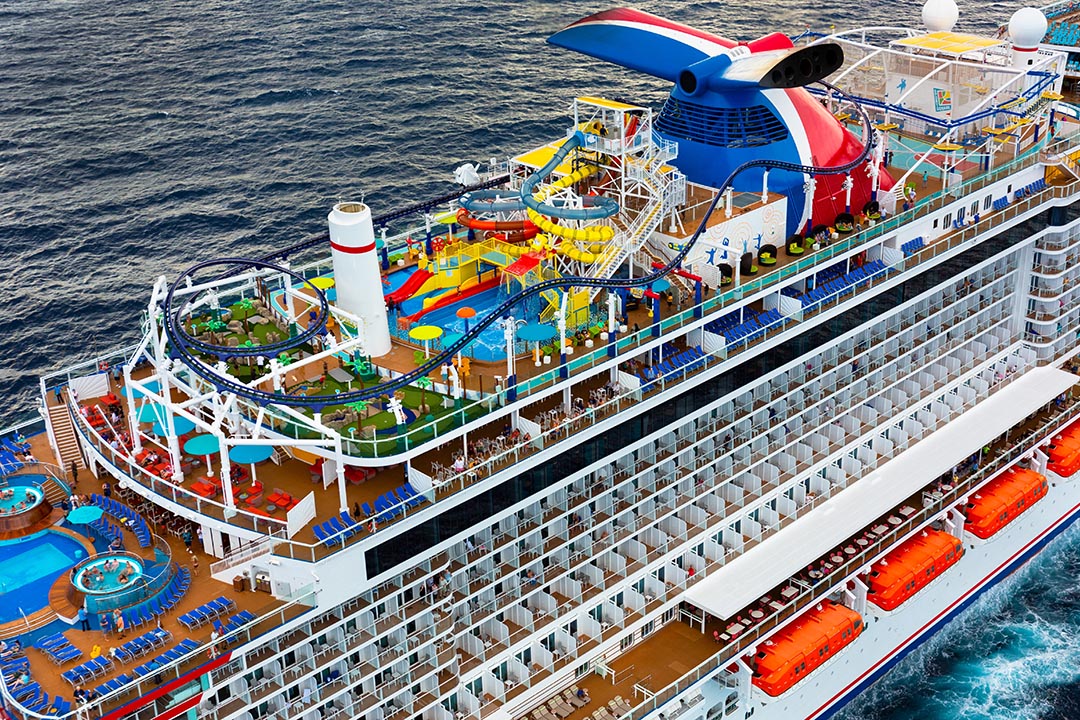
Carnival is the “blue chip” of budget cruising. Their financial advantage lies in their massive fleet and operational efficiency. Because they operate so many ships, they can spread their fixed costs across millions of passengers. Carnival consistently offers some of the lowest per-diem rates in the industry, particularly on their older “Fantasy-class” or “Sunshine-class” ships. For a traveler focused purely on the bottom line, Carnival’s shorter 3-to-5-day itineraries often represent the absolute floor of the market.
MSC Cruises: The Aggressive Challenger
MSC Cruises, a European-based giant, has been aggressively expanding into the Caribbean. To compete with established American brands, they frequently offer “Kids Sail Free” promotions and highly competitive base fares that include Wi-Fi and drink packages. For a family-oriented budget, MSC often wins the financial comparison because their “inclusive” bundles are priced lower than the “base” fares of their competitors.
Margaritaville at Sea: The Short-Haul Entry Point
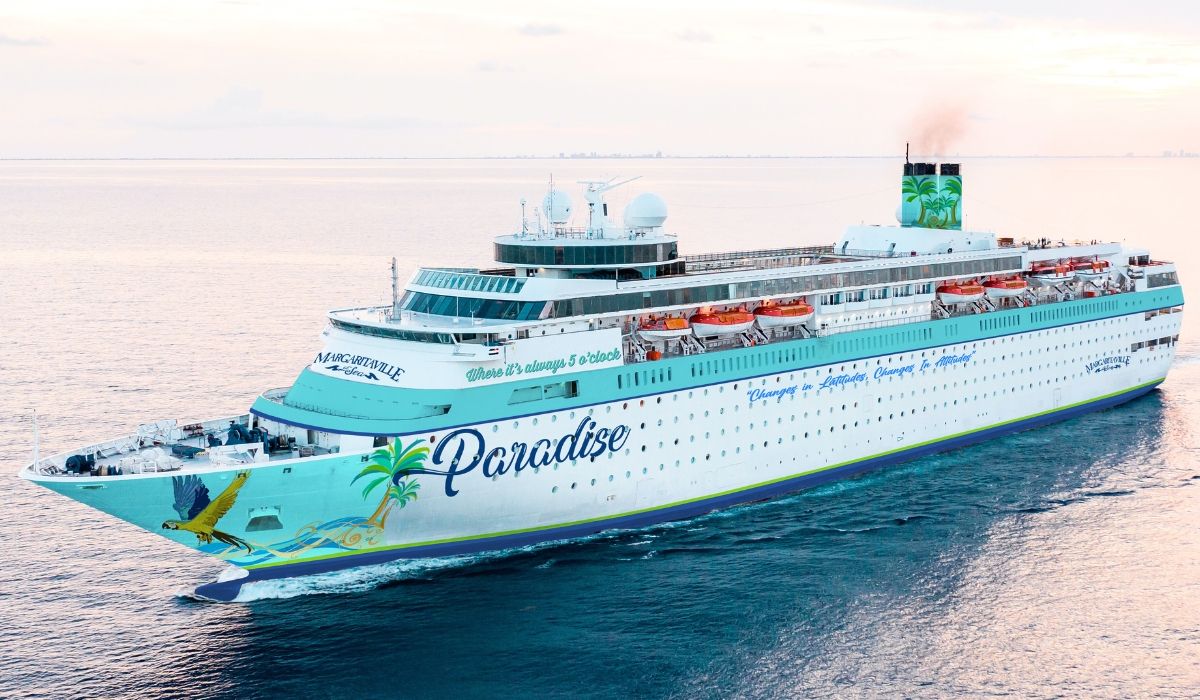
If the goal is the lowest total dollar amount spent on a single transaction, Margaritaville at Sea often holds the title. Operating primarily out of Florida on short 2-night runs to the Bahamas, they cater to the “micro-vacation” market. While the per-day cost might be higher than a week-long cruise on a larger line, the barrier to entry (the total price paid at checkout) is frequently the lowest in the entire maritime industry.

3. Strategic Financial Planning for Your Voyage
Finding the cheapest cruise line is only half the battle; the other half is timing your purchase and managing your capital effectively to avoid overpaying.
Timing the Market: Wave Season and Last-Minute Bookings
The cruise industry has its own “fiscal quarters.” “Wave Season” (January through March) is when most lines offer their best promotions to fill their inventory for the year. However, for those with flexible schedules, “last-minute” bookings (within 90 days of sailing) can offer massive discounts. This is the period when cruise lines realize they have “perishable inventory”—an empty cabin earns zero revenue—so they slash prices to ensure the ship is full.
Repositioning Cruises as Financial Arbitrage
One of the best-kept secrets in travel finance is the repositioning cruise. Twice a year, ships move from the Caribbean to Europe (or vice versa) to follow the seasons. These one-way journeys are often 12 to 15 days long but are priced significantly lower than standard itineraries. For a remote worker or a retiree, the cost-per-day on a repositioning cruise can be lower than the cost of groceries and utilities at home, essentially making the vacation a “cost-neutral” event.
Utilizing Loyalty Programs and Credit Card Rewards
Just as savvy investors use dividend reinvestment plans (DRIPs), savvy travelers should use loyalty programs. Most budget lines have “points” systems that provide return on spend. Furthermore, using a travel-specific credit card to pay for the cruise can yield 3% to 5% back in rewards, which can be applied to the “onboard account” to offset gratuities or shore excursions.
4. The Hidden Costs That Inflate Your Travel Budget
To truly find the “cheapest” experience, you must account for the “leakage”—the small expenses that drain your bank account throughout the trip.
Port Fees, Taxes, and Mandatory Gratuities
When comparing prices on websites, the advertised price often excludes port taxes, which can range from $100 to $300 per person depending on the destination. Additionally, almost all budget lines add an automatic “daily gratuity” or “service charge” of $16 to $20 per person, per day. A “cheap” $400 cruise for two people can quickly incur an additional $400 in these mandatory fees alone.
The “Onboard Revenue” Trap
Budget cruise lines make a significant portion of their profit from “onboard revenue.” This includes casinos, art auctions, photos, and specialty coffee. To maintain a low-budget status, a traveler must treat the ship like a “land-based” city and avoid impulse purchases. Bringing your own permitted beverages (like a bottle of wine or a 12-pack of soda, depending on the line’s policy) is a simple way to protect your margins.
Shore Excursions and Connectivity
The cruise line’s “official” shore excursions are often marked up by 30% to 50% compared to booking directly with local operators. Furthermore, satellite Wi-Fi on budget lines is notoriously expensive and often sold in tiers. From a financial standpoint, it is often better to use local “eSims” or find free Wi-Fi in port rather than paying $20+ per day for a shipboard connection.
Conclusion: The Financial Verdict
The title of “cheapest cruise line” is a rotating trophy. If you are looking for the lowest total transaction cost for a quick getaway, Margaritaville at Sea is often the winner. If you are looking for the most consistent low-cost experience on a traditional 7-day voyage, Carnival Cruise Line remains the industry standard for value. However, if you are a family looking for the best “value-per-dollar” with modern amenities, MSC Cruises frequently offers the best financial package.
Ultimately, the cheapest cruise is not just about the line you choose; it is about the financial discipline you apply to the booking process. By understanding the TCO, timing the market, and avoiding the “onboard revenue” traps, you can enjoy a world-class vacation that fits within a rigorous personal finance framework. Cruising, when done strategically, remains one of the most cost-effective ways to see the world.
aViewFromTheCave is a participant in the Amazon Services LLC Associates Program, an affiliate advertising program designed to provide a means for sites to earn advertising fees by advertising and linking to Amazon.com. Amazon, the Amazon logo, AmazonSupply, and the AmazonSupply logo are trademarks of Amazon.com, Inc. or its affiliates. As an Amazon Associate we earn affiliate commissions from qualifying purchases.