
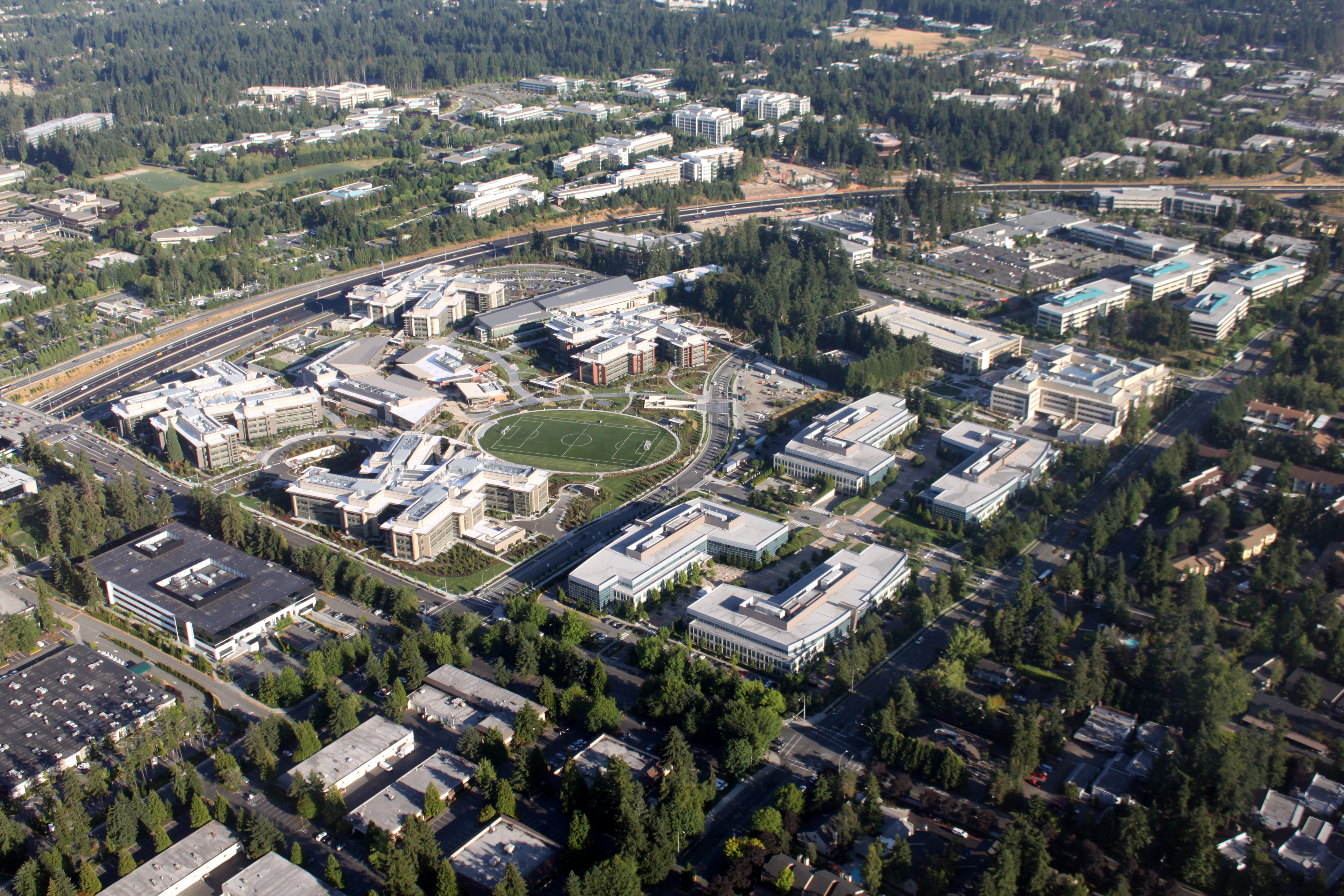
For decades, the question “Where is Microsoft HQ?” has been answered with a simple geographical coordinate: Redmond, Washington. However, for those within the technology sector, the Microsoft headquarters—commonly referred to as the “Redmond Campus”—is far more than a collection of office buildings. It is a sprawling, 500-acre technological ecosystem that serves as the primary engine for the world’s most significant advancements in cloud computing, artificial intelligence (AI), and hardware engineering.
Understanding the location of Microsoft’s headquarters requires looking past the map and examining the infrastructure that powers a trillion-dollar tech giant. As the company continues to lead the charge in the “AI era,” its physical base of operations has undergone a massive digital and physical transformation, turning a traditional corporate park into a living laboratory for the future of work.
The Geographic and Technological Epicenter of the Pacific Northwest
Microsoft did not start in Redmond. The company was famously founded in Albuquerque, New Mexico, in 1975. However, the move to the Pacific Northwest in 1979, and eventually to the dedicated Redmond site in 1986, was a strategic pivot that placed the company at the heart of what would become one of the world’s most influential tech corridors.
From Albuquerque to Redmond: A Strategic Shift
The relocation to Redmond was driven by the need for a talent-rich environment. By situating the headquarters near Seattle, Bill Gates and Paul Allen tapped into a region that would eventually house other giants like Amazon and a satellite ecosystem of thousands of startups. The Redmond campus was designed to reflect the company’s software-centric roots: low-rise buildings nestled among evergreen trees, designed to foster deep focus and long hours of coding. Over the years, this “academic” style of architecture has evolved into a high-tech fortress that manages the global operations of the Azure cloud.
The Layout of a Digital Fortress
The campus is divided into several “zones,” each dedicated to specific technological pillars. To the north, you find the heavy hitters of software development and cloud infrastructure. To the south, the focus shifts toward hardware and experimental research. Navigating the campus requires its own internal transit system, including a fleet of hybrid shuttles and, soon, a dedicated light rail station. This connectivity is essential because the “headquarters” is actually a collection of over 100 buildings, each functioning as a specialized node in Microsoft’s global network.
The Smart Campus: A Living Laboratory for AI and IoT
In the tech industry, “eating your own dog food” is a term used when a company uses its own products to prove their efficacy. Microsoft’s HQ is the ultimate example of this. The Redmond campus is essentially a “Smart City” powered by Microsoft Azure, the company’s flagship cloud platform.
Integrating Azure into Physical Infrastructure
Every building on the Redmond campus is outfitted with thousands of Internet of Things (IoT) sensors. These sensors monitor everything from air quality and lighting to foot traffic patterns and energy consumption. This data is fed into a centralized “brain” powered by Azure, which uses machine learning to optimize the campus’s efficiency in real-time. If a conference room in Building 92 is unoccupied, the system automatically dims the lights and adjusts the climate control. This isn’t just about sustainability; it is a massive data-gathering exercise that helps Microsoft refine the software it sells to other enterprise customers looking to build “smart” infrastructure.
Sustainable Tech: The Thermal Energy Center
One of the most impressive technological feats at the HQ is the Thermal Energy Center (TEC). As part of Microsoft’s commitment to be carbon negative by 2030, the campus utilizes a geo-exchange well field. This system consists of hundreds of wells drilled deep into the earth to harness ground temperatures for heating and cooling the campus. The entire operation is managed via a digital twin—a virtual replica of the physical campus that allows engineers to simulate energy loads and stress-test the system using AI models. This integration of environmental tech and data science makes the Redmond HQ a global benchmark for sustainable corporate infrastructure.

Inside the R&D Powerhouse: Where Hardware Meets Software
While many associate Microsoft exclusively with Windows and Office, the Redmond HQ is a massive hub for hardware engineering. The campus houses some of the most advanced laboratories on the planet, where the physical manifestations of Microsoft’s software—like the Surface line, HoloLens, and Xbox—are conceived and tested.
The Building 87 Mystery: Hardware Labs and Surface Development
Building 87 is one of the most secretive and technologically advanced locations on the campus. It houses the “Edison Lab” and several anechoic chambers—rooms designed to completely absorb reflections of sound or electromagnetic waves. In fact, Microsoft holds the Guinness World Record for the “Quietest Place on Earth,” a room within Building 87 used to test the acoustic performance of microphones and speakers in Surface devices. The tech here is so sensitive that it can detect the sound of air molecules bouncing off each other. This level of hardware precision is what allows the company to compete in the high-end consumer electronics space.
The Garage: Fostering a Culture of Prototyping
Another critical tech hub within the HQ is “The Garage.” This is a program and a physical space equipped with 3D printers, laser cutters, and VR development kits where employees from any department can go to build prototypes. It is the heart of Microsoft’s bottom-up innovation strategy. Many features now found in the Microsoft 365 suite or experimental AI tools started as “Garage” projects. By providing the high-tech tools necessary for rapid prototyping, Microsoft ensures that its headquarters remains a place of creation rather than just corporate administration.
The Future of the Workplace: Hybrid Tech and Campus Modernization
Microsoft is currently in the midst of one of the largest corporate redevelopment projects in history. The “Campus Modernization” project is a multi-billion dollar investment to replace the original 1980s-era buildings with a hyper-connected, futuristic workspace that reflects the shift toward hybrid work and AI-driven productivity.
The Multi-Billion Dollar Modernization Project
The new additions to the Redmond HQ are designed with a “tech-first” philosophy. The project includes 17 new buildings and 2.5 million square feet of new workspace. Key to this development is the removal of car-centric infrastructure in favor of pedestrian and cyclist-friendly paths, all mapped and managed through internal apps. But the real innovation lies in the “Team Space” concept. These are modular offices equipped with high-definition “Front Row” Microsoft Teams displays and spatial audio, designed to make remote participants feel as though they are physically in the room. This “bridge” between the physical and digital is the core of Microsoft’s current software roadmap.
Designing for the Remote-First World
The modernization isn’t just about new desks; it’s about the underlying network. The new campus utilizes 5G private networks to ensure that high-bandwidth tasks—like rendering 3D environments or training small-scale AI models—can be done wirelessly from anywhere on the grounds. By treating the HQ as a high-performance network node, Microsoft is redefining what a “headquarters” actually is. It is no longer just a place where people sit at desks; it is a high-bandwidth hub that facilitates collaboration between the 50,000+ employees in Redmond and the hundreds of thousands of others working remotely across the globe.

A Global Nexus of Technology
So, where is Microsoft HQ? Geographically, it is in Redmond, Washington. But technologically, it is at the intersection of every major trend currently shaping our world. From the subterranean geo-exchange wells that use AI to regulate temperature, to the silent chambers of Building 87 where the next generation of hardware is tuned, the Microsoft campus is the physical manifestation of the company’s digital ambitions.
As Microsoft continues to pivot toward an AI-first future, its headquarters remains its most important asset. It is a site where the cloud is made tangible, where software is tested against the rigors of the physical world, and where the future of human-computer interaction is being written in real-time. For any tech enthusiast or professional, the Redmond HQ is not just a destination; it is the source code for the modern digital era. Through its commitment to smart infrastructure, sustainable technology, and cutting-edge R&D, Microsoft has ensured that its home in the Pacific Northwest will remain the epicenter of global innovation for decades to come.
aViewFromTheCave is a participant in the Amazon Services LLC Associates Program, an affiliate advertising program designed to provide a means for sites to earn advertising fees by advertising and linking to Amazon.com. Amazon, the Amazon logo, AmazonSupply, and the AmazonSupply logo are trademarks of Amazon.com, Inc. or its affiliates. As an Amazon Associate we earn affiliate commissions from qualifying purchases.