
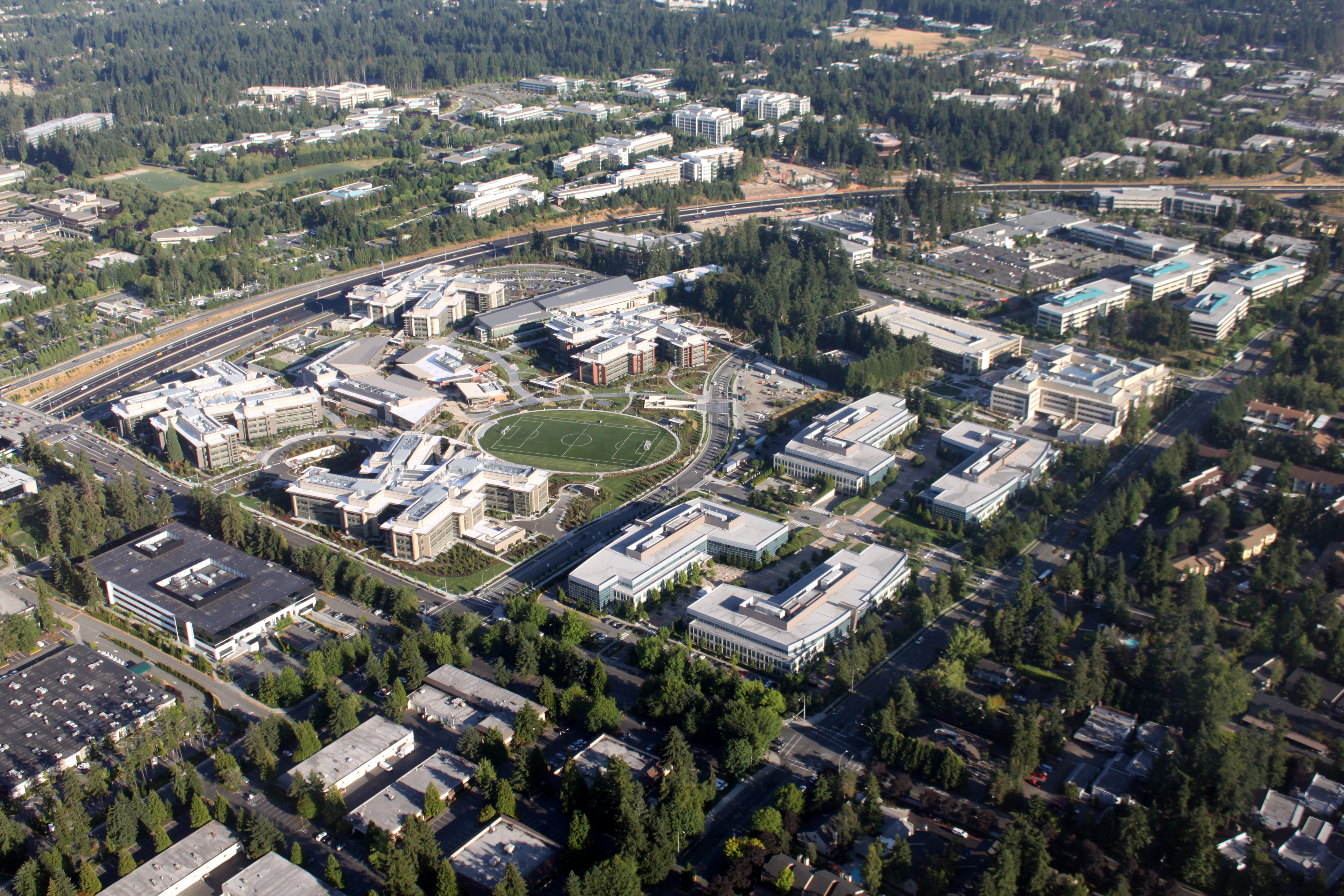
For anyone tracking the pulse of the digital age, the question of where Microsoft is headquartered leads to a singular, iconic location: Redmond, Washington. However, the Microsoft headquarters is far more than a simple mailing address or a collection of office buildings. It is a sprawling, 500-acre technological ecosystem that serves as the nervous system for one of the most influential companies in human history. To understand where Microsoft is located is to understand the physical manifestation of the “Intelligent Cloud” and the “Intelligent Edge.”
As we look at the infrastructure that powers everything from Windows and Office to Azure and cutting-edge AI, the Redmond campus emerges as a living laboratory. It is here that software engineering, hardware prototyping, and massive-scale data management converge to shape the future of global technology.
The Evolution of the Redmond Campus: A Technological Landmark
The story of Microsoft’s headquarters is a reflection of the evolution of the personal computing industry itself. In its infancy, Microsoft was based in Albuquerque, New Mexico, to be near MITS, the makers of the Altair 8800. However, in 1979, Bill Gates and Paul Allen moved the company to Bellevue, Washington, and eventually settled in Redmond in 1986. This move signaled the beginning of a new era in tech architecture.
From Suburban Office to Global Tech Hub
When Microsoft first arrived in Redmond, the campus consisted of just six buildings arranged in an “X” shape to maximize window space and natural light—a design choice meant to foster the deep focus required for coding. As the company grew from a software vendor into a diversified tech titan, the campus expanded exponentially. Today, the headquarters comprises over 100 buildings, housing tens of thousands of engineers, designers, and researchers.
The geographical layout of the campus is organized into “zones” that facilitate different aspects of tech development. This sprawl is not accidental; it is designed to mimic a university setting, encouraging cross-pollination between different departments, such as the Xbox gaming division and the Azure cloud team.
The Modernization Project: Building the “Workplace of the Future”
In recent years, Microsoft has undertaken one of the most ambitious corporate redevelopment projects in history. This modernization initiative involves the demolition of older structures to make way for a more interconnected, pedestrian-friendly, and tech-integrated environment. The new “East Campus” redesign focuses on breaking down the silos of traditional office work.
The tech focus here is on “frictionless” interaction. The new buildings are designed with modularity in mind, allowing teams to reshape their physical environment based on the specific needs of a project, whether they are developing a new AI model or stress-testing the latest Surface hardware.
Inside the Smart Campus: IoT and Sustainable Tech Infrastructure
The Microsoft headquarters serves as a primary use case for the company’s own “Smart City” and IoT (Internet of Things) technologies. The campus is essentially a giant data set, with thousands of sensors monitoring everything from occupancy levels to air quality and energy consumption.
Harnessing Data for Energy Efficiency
Microsoft utilizes a sophisticated “Digital Twin” of its entire headquarters. By creating a virtual representation of the physical campus, facility managers can use Azure IoT Central to monitor energy usage in real-time. If a cooling system in a server room on the far side of the campus starts to deviate from its baseline, AI algorithms detect the anomaly before it becomes a hardware failure.
Furthermore, the campus is home to a massive Thermal Energy Center. This facility uses geo-exchange wells to heat and cool the campus, utilizing the earth’s natural temperature. This integration of environmental tech and data analytics is a cornerstone of Microsoft’s goal to be carbon negative by 2030.
Transportation and Connectivity: The Tech-Driven Commute
Connectivity at the headquarters isn’t limited to high-speed fiber optics within the walls. The campus features its own transit system, including the “Connector” bus fleet, which is increasingly transitioning to electric power. These vehicles are equipped with high-speed Wi-Fi, allowing the work-day to begin the moment an engineer steps on board.
The integration of the Redmond Technology Station (a light rail link) also demonstrates how the headquarters is being woven into the broader regional tech corridor, linking Redmond to the burgeoning tech scenes in Seattle and Bellevue via high-tech infrastructure.

The Microsoft Ecosystem: Where Software Meets Hardware
While many associate Microsoft primarily with software, the Redmond headquarters is a massive hub for hardware engineering. The campus contains specialized labs that are among the most advanced in the world, facilitating the development of the Surface line, HoloLens, and Xbox consoles.
The Envisioning Center and Future-Proofing R&D
One of the most secretive and fascinating parts of the Microsoft headquarters is the Envisioning Center. This facility is a high-tech “stage” where researchers simulate the future of home and work environments. It is here that Microsoft tests how AI-driven ambient computing—technology that responds to voice, gesture, and presence—will integrate into our daily lives.
By building physical prototypes of “kitchens of the future” or “offices of the future,” Microsoft’s tech teams can gather qualitative data on human-computer interaction (HCI). This research directly influences the UX (User Experience) design of products like Microsoft Teams and Windows 11.
Prototyping and Engineering Facilities
The campus also houses the “Advanced Prototyping Center,” which features industrial-grade 3D printers, CNC machines, and anechoic chambers (rooms designed to completely absorb reflections of sound or electromagnetic waves). These chambers are essential for testing the wireless signals of hardware and the audio quality of microphones, ensuring that hardware devices can withstand the rigors of the global market.
A Distributed Powerhouse: Global Technology Centers and Cloud Infrastructure
While Redmond is the “heart,” the Microsoft headquarters functions as a distributed entity. In the age of cloud computing, the physical location of a tech company is also defined by where its data lives.
Beyond Redmond: Regional Headquarters and Development Centers
Microsoft maintains significant regional headquarters and research hubs in locations such as Silicon Valley, Dublin, Bangalore, Beijing, and Cambridge (UK). These centers are not merely satellite offices; they are specialized hubs for specific technologies. For instance, the Microsoft Research (MSR) lab in Cambridge is a world leader in machine learning and healthcare technology, while the Silicon Valley campus focuses heavily on networking and security.
Each of these locations is digitally tethered to the Redmond mothership through a private global network that is one of the largest in the world. This ensures that a developer in Hyderabad is working on the same codebase, with the same security protocols, as a developer in Washington.
The Role of Azure Data Centers in the Global Footprint
To truly answer “where is Microsoft,” one must look at the Azure regions. Microsoft operates over 60 data center regions worldwide. These massive server farms are the “virtual headquarters” for the company’s cloud services. The architecture developed in Redmond is deployed across these global nodes, providing the backbone for everything from government databases to global gaming networks.
The Future of Hybrid Work: Digital Security and Remote Collaboration
The physical headquarters in Redmond is currently the testing ground for the biggest shift in tech culture since the internet: the move to hybrid work. Microsoft is using its own campus to define how digital security and collaboration tools must evolve when the workforce is no longer 100% on-site.
Reimagining the Physical Space for a Digital Workforce
Microsoft has introduced “Teams Rooms” throughout its headquarters—meeting spaces designed with spatial audio and high-definition “front row” camera angles. The goal is to ensure that remote participants have the same “digital presence” as those physically in Redmond. This tech-first approach to office design is being exported to Microsoft’s corporate customers as part of the Microsoft 365 ecosystem.

The Impact of Microsoft Headquarters on the Global Tech Landscape
The Microsoft headquarters is not just a place where people go to work; it is a catalyst for the “Silicon Canal” (the Pacific Northwest tech corridor). The technological innovations incubated in Redmond—whether it’s the shift to the cloud, the integration of Generative AI through Copilot, or the development of secure, decentralized computing—set the standard for the rest of the industry.
In conclusion, the Microsoft headquarters is a sprawling monument to the power of integrated technology. While its physical coordinates remain firmly in Redmond, Washington, its digital reach is omnipresent. From the IoT-enabled buildings that reduce carbon footprints to the advanced labs where the next generation of AI is being coded, the Redmond campus remains the quintessential “Tech” headquarters, driving the evolution of the global digital economy.
aViewFromTheCave is a participant in the Amazon Services LLC Associates Program, an affiliate advertising program designed to provide a means for sites to earn advertising fees by advertising and linking to Amazon.com. Amazon, the Amazon logo, AmazonSupply, and the AmazonSupply logo are trademarks of Amazon.com, Inc. or its affiliates. As an Amazon Associate we earn affiliate commissions from qualifying purchases.