
The stock market is a living, breathing ecosystem that reacts in real-time to a global tapestry of information. For investors, traders, and even casual observers, asking “what is the stock market doing today live” is more than a query about green or red tickers; it is an attempt to gauge the collective sentiment of millions of participants. In the modern financial era, “live” data moves at the speed of light, influenced by high-frequency trading algorithms, breaking geopolitical news, and shifting economic indicators. Understanding today’s market action requires a deep dive into the indices, the macroeconomic drivers, and the underlying sectors that dictate the flow of capital.
Decoding Real-Time Market Movements and Indicators
When we look at live market data, we are primarily observing the fluctuations of major indices. These indices serve as the pulse of the broader economy, representing different segments of the corporate world. To understand what the market is doing right now, one must look beyond the headline numbers and analyze the breadth and depth of the movement.
The Major Indices: S&P 500, Dow Jones, and Nasdaq
The S&P 500 is often considered the most accurate reflection of the U.S. economy, tracking 500 of the largest publicly traded companies. If the S&P 500 is rising live, it suggests a general confidence in large-cap corporate America. The Dow Jones Industrial Average (DJIA), while narrower with only 30 stocks, provides a snapshot of “blue-chip” industrial health. Meanwhile, the Nasdaq Composite is the bellwether for the technology and growth sectors. A divergence between these three—such as a rising Nasdaq but a falling Dow—indicates a “rotation” where investors are moving money out of traditional value stocks and into high-growth tech, or vice versa.
Understanding the VIX: The Market’s “Fear Gauge”
To truly grasp the “live” state of the market, one must monitor the CBOE Volatility Index, or the VIX. The VIX measures the market’s expectation of 30-day forward-looking volatility derived from S&P 500 index options. When the market is doing “poorly” or experiencing a sharp sell-off, the VIX typically spikes. A high VIX indicates investor panic or uncertainty, while a low VIX suggests complacency or a steady “bullish” trend. Monitoring the VIX alongside price action tells you not just where the market is going, but how nervous the participants are about that direction.
Market Breadth and Volume
Live tracking also involves looking at “breadth”—the number of stocks advancing versus those declining. If the S&P 500 is up, but only ten stocks are responsible for those gains while the other 490 are down, the market is “top-heavy” and potentially fragile. Similarly, trading volume provides conviction to a move. A price surge on low volume is often viewed with skepticism by professional traders, whereas a move backed by high volume suggests a significant institutional shift.
Key Macroeconomic Drivers Influencing Today’s Performance
The stock market does not exist in a vacuum. Its live performance is often a direct reaction to external economic forces. Today’s investors must be part-time economists to understand why a particular stock or index is moving in a specific direction.
Federal Reserve Policy and Interest Rates
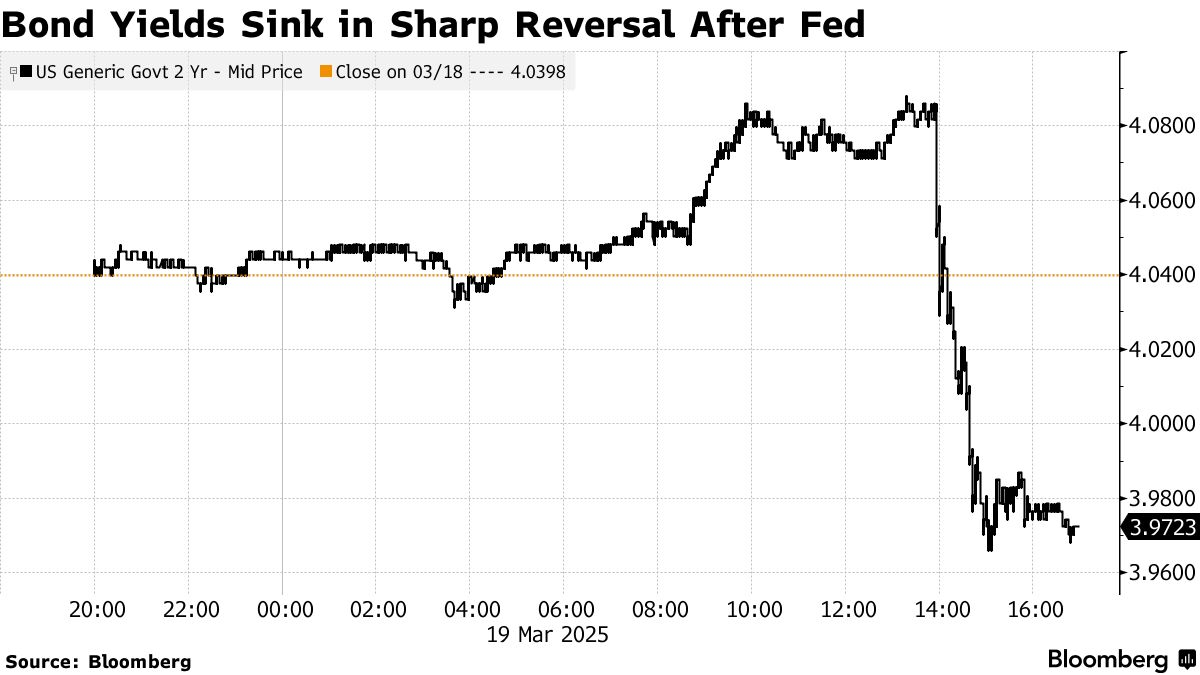
Perhaps the most significant driver of live market action in the current era is the Federal Reserve. The “Fed” controls the federal funds rate, which influences the cost of borrowing for businesses and consumers. When the Fed signals a “hawkish” stance (rising rates to fight inflation), the stock market often reacts negatively, as higher borrowing costs can dampen corporate profits. Conversely, a “dovish” stance (lowering or maintaining rates) typically fuels market rallies. Investors watch the “Fed Minutes” and speeches by FOMC members live, as a single word can trigger a thousand-point swing in the Dow.
Inflation Data and Consumer Sentiment
Economic reports such as the Consumer Price Index (CPI) and the Personal Consumption Expenditures (PCE) price index are “market-moving” events. If inflation data comes in hotter than expected, the market may sell off live in anticipation of stricter monetary policy. Because the U.S. economy is 70% driven by consumer spending, reports on consumer sentiment and retail sales provide real-time insights into whether the “engine” of the economy is humming or stalling.
Geopolitical Events and Global Supply Chains
In a globalized financial system, an event in Eastern Europe, the Middle East, or East Asia can impact the New York Stock Exchange in seconds. Geopolitical instability often leads to a “flight to safety,” where investors dump stocks and move into “safe-haven” assets like gold or U.S. Treasury bonds. Live market fluctuations today are frequently tied to energy prices; a spike in crude oil due to geopolitical tensions can act as a “tax” on the economy, hurting transportation and manufacturing stocks while boosting the energy sector.
Sector Analysis: Where the Capital is Flowing Right Now
The “market” is not a monolith. It is composed of eleven different sectors, and on any given day, they perform differently based on the economic cycle. Understanding what the market is doing live requires identifying which sectors are leading and which are lagging.

The Impact of Quarterly Earnings Reports
During “earnings season,” the live action of the market is dominated by corporate balance sheets. When a heavyweight company like Apple, Microsoft, or JPMorgan Chase reports earnings that beat analyst expectations and provides “strong guidance” for the future, it can lift its entire sector. Conversely, a “miss” in earnings or a downward revision in future revenue can lead to an immediate, sharp decline. These individual “shocks” often dictate the intraday trend of the broader indices.
Cyclical vs. Defensive Stocks
In a growing economy, “cyclical” sectors like Consumer Discretionary (travel, luxury goods, autos) and Industrials tend to outperform. If the market is doing well today because of these sectors, it indicates confidence in expansion. On the other hand, if the only sectors in the green are “defensive” ones—like Utilities, Healthcare, and Consumer Staples—it suggests that investors are “trenching in,” looking for dividends and stability because they fear a recession is looming.
The Influence of Mega-Cap Growth
In recent years, a handful of massive companies (often referred to as the “Magnificent Seven”) have held a disproportionate weight in the indices. When searching for what the market is doing live, one must check the performance of these tech giants. Because they are so large, if they are trading down, they can drag the entire S&P 500 into the red even if the majority of other stocks are rising. This concentration of power is a critical factor in modern market analysis.
Essential Tools and Platforms for Live Tracking
To stay informed about what the stock market is doing today, investors rely on a suite of financial tools and platforms that provide real-time data, news, and technical charting.
Financial News Terminals and Real-Time Apps
While professional traders use expensive Bloomberg Terminals or Reuters Eikon, retail investors have access to powerful tools like CNBC, Yahoo Finance, and MarketWatch. These platforms provide “live” tickers and breaking news alerts. For those looking for more depth, platforms like TradingView offer sophisticated charting capabilities where users can see “candlestick” patterns forming in real-time, helping them identify support and resistance levels.
The Role of Social Sentiment and “FinTwit”
In the digital age, information also moves through social channels. “Financial Twitter” (FinTwit) and platforms like Reddit have become real-time sources of market sentiment. While these should be approached with caution due to high levels of speculation, they can provide early warnings of “short squeezes” or sudden retail interest in specific “meme stocks.” Tracking the “trending” tickers on these platforms can explain sudden, high-volume price movements that traditional news outlets might not cover until hours later.
Technical Analysis and Intraday Charting
Many participants tracking the market live are not looking at fundamentals but at “technicals.” This involves looking at moving averages, Relative Strength Index (RSI), and MACD (Moving Average Convergence Divergence). If the market hits a specific “technical level”—such as the 200-day moving average—it can trigger a wave of automated buying or selling. Understanding these “invisible” levels is key to predicting where the market might bounce or break during a live session.
Strategies for Navigating Intraday Volatility
Watching the stock market live can be an emotional rollercoaster. Successful participants develop strategies to manage the “noise” of daily price action and focus on their long-term financial goals.
Long-term Investing vs. Day Trading
The first step in responding to what the market is doing today is defining your time horizon. For a long-term investor, a 2% drop in a single day is a “blip” or perhaps a “buying opportunity” to dollar-cost average into positions. For a day trader, that same 2% move is a significant event that requires immediate action. Understanding that “live” fluctuations are often just noise for the long-term holder is essential for maintaining emotional discipline and avoiding “panic selling.”
Risk Management and the Use of Stop-Loss Orders
To survive the volatility of the live market, savvy investors use risk management tools. A “stop-loss” order automatically sells a security when it reaches a certain price, protecting the investor from catastrophic losses during a flash crash or a sudden negative news event. Additionally, diversification—holding a mix of stocks, bonds, and commodities—ensures that even if one sector of the market is “doing poorly” live, the entire portfolio isn’t decimated.
The Psychological Aspect of Live Trading
The stock market is a study in human psychology—specifically the tug-of-war between greed and fear. When the market is “mooning” (rising rapidly), the “Fear of Missing Out” (FOMO) often drives investors to buy at the top. When the market is crashing live, fear drives them to sell at the bottom. Professional money management involves recognizing these psychological traps. Instead of reacting impulsively to what the market is doing now, successful investors act according to a pre-determined plan established when the market was calm.
In conclusion, understanding “what the stock market is doing today live” requires a multi-faceted approach. It is not enough to look at a single number; one must consider the interplay of major indices, the weight of macroeconomic reports, the health of specific sectors, and the technical levels of the charts. By utilizing the right tools and maintaining a disciplined strategy, investors can navigate the complexities of the live market, turning real-time data into actionable financial wisdom.
aViewFromTheCave is a participant in the Amazon Services LLC Associates Program, an affiliate advertising program designed to provide a means for sites to earn advertising fees by advertising and linking to Amazon.com. Amazon, the Amazon logo, AmazonSupply, and the AmazonSupply logo are trademarks of Amazon.com, Inc. or its affiliates. As an Amazon Associate we earn affiliate commissions from qualifying purchases.