
Securing a mortgage is arguably the most significant financial commitment the average individual will make in their lifetime. It is a decision that dictates not only where you live but also your long-term financial health, liquidity, and investment potential. However, the path to homeownership is rarely a straight line. For many first-time buyers and even seasoned investors, the sheer variety of lending sources can be overwhelming.
Knowing where to go to get a mortgage involves more than just finding the lowest interest rate; it requires understanding the structural differences between various types of lenders and how those differences align with your unique financial profile. Whether you are looking for the stability of a traditional bank, the agility of a fintech startup, or the personalized touch of a mortgage broker, this guide explores the primary avenues available in today’s financial landscape.
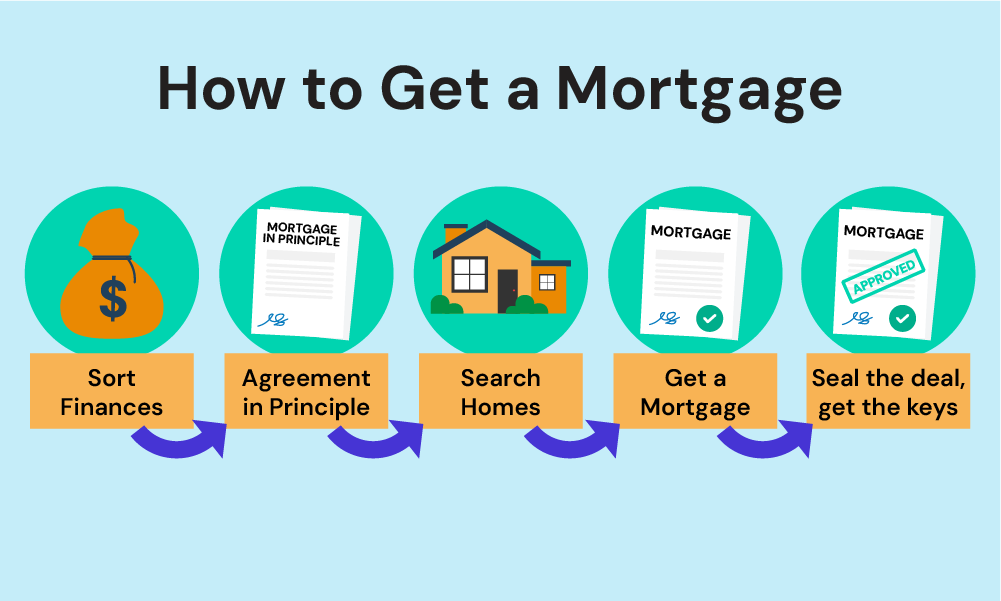
1. Traditional Financial Institutions: The Pillars of Lending
For decades, the local bank was the only place one would dream of going to secure a home loan. While the industry has evolved, traditional financial institutions remain a dominant force in the mortgage market, offering a sense of security and a wide range of products.
Commercial Banks and National Lenders
Large commercial banks are often the first stop for prospective homeowners. These institutions, ranging from global giants to regional players, offer a diverse suite of mortgage products, including fixed-rate, adjustable-rate (ARM), and jumbo loans. One of the primary advantages of working with a major bank is the potential for “relationship pricing.” If you already hold a checking account, savings account, or investment portfolio with them, they may offer discounts on closing costs or slightly lower interest rates to keep your business within their ecosystem.
Credit Unions and Member-Focused Benefits
Credit unions are member-owned, non-profit cooperatives. Because they are not beholden to shareholders in the same way commercial banks are, they frequently reinvest their “profits” back into the membership in the form of lower fees and more competitive interest rates. If you belong to a specific professional group, labor union, or live in a certain geographic area, a credit union may offer more flexible underwriting criteria. They are particularly well-regarded for their personalized customer service and willingness to look at the “total person” rather than just a credit score.
Savings and Loan Associations
While less common than they were in the mid-20th century, Savings and Loan Associations (S&Ls) still exist. These institutions are specifically chartered to focus on residential mortgages and savings accounts. Because their primary business model revolves around the local housing market, they can sometimes offer niche products or localized expertise that larger national banks might overlook.
2. The Digital Frontier: Online Lenders and Fintech Platforms
In the last decade, the mortgage industry has undergone a digital revolution. Online lenders have streamlined the application process, moving away from paper-heavy workflows to high-speed digital interfaces that can provide pre-approvals in minutes.
Direct Online Lenders
Direct online lenders operate without the overhead of physical branch locations. This lean business model allows them to pass savings on to the consumer. For the tech-savvy borrower, these platforms are highly efficient; you can upload documents, sync your bank accounts for verification, and track your loan’s progress via a mobile app. These lenders are ideal for borrowers with straightforward financial situations who value speed and 24/7 accessibility over face-to-face interaction.
Mortgage Comparison Engines and Aggregators
While not lenders themselves, mortgage comparison websites are essential tools in the modern financial journey. These platforms allow you to input your financial data and receive multiple quotes from various lenders simultaneously. This fosters a competitive environment where lenders must bid for your business. It is a powerful way to gauge the current market rate and ensure you aren’t overpaying for your loan.
The Rise of Non-Bank Lenders
Non-bank lenders are private companies that focus exclusively on mortgages. Unlike traditional banks, they do not take deposits; instead, they borrow money at wholesale prices or use their own capital to fund loans. These institutions have captured a significant share of the market because they are often more willing to work with borrowers who have non-traditional income streams, such as freelancers or small business owners, using alternative data to assess creditworthiness.
3. Professional Intermediaries: Working with Mortgage Brokers
If the prospect of shopping for a mortgage feels like a full-time job, many borrowers turn to a mortgage broker. A broker acts as an intermediary between you and a vast network of potential lenders.

The Role of the Mortgage Broker
A mortgage broker does not lend their own money. Instead, they act as a “matchmaker.” They collect your financial information, understand your goals, and then “shop” your file to multiple wholesale lenders. Because brokers have access to lenders that do not deal directly with the public, they can often find specialized products or lower rates that you wouldn’t be able to access on your own.
The Advantage of Expert Guidance
Brokers are particularly valuable for borrowers with complex financial profiles—such as those with low credit scores, high debt-to-income ratios, or those looking to purchase unique properties. A skilled broker understands the specific “appetite” of different lenders. They know which bank is currently looking to expand its portfolio in a certain zip code or which lender is more lenient with self-employment documentation. This expertise can be the difference between a rejection and an approval.
Understanding Broker Compensation
It is important to understand how brokers are paid. They typically receive a commission, either from the lender or the borrower, usually ranging from 1% to 2% of the loan amount. While this might seem like an added cost, a good broker often saves the borrower more than their fee by securing a lower interest rate or negotiating better terms, making them a cost-effective choice in the long run.
4. Specialized Lending Programs and Government-Backed Options
Not every mortgage comes from a private entity. For many, the best place to go for a mortgage is a program backed by the government, designed to make homeownership more accessible to specific demographics.
FHA Loans for Low Down Payments
The Federal Housing Administration (FHA) insures loans made by approved private lenders. These are popular among first-time homebuyers because they allow for down payments as low as 3.5% and are more forgiving of lower credit scores. If you don’t have a massive cash reserve for a down payment, an FHA-approved lender is a logical destination.
VA and USDA Loans
For those who have served in the military, VA loans (backed by the Department of Veterans Affairs) are arguably the best mortgage product on the market, often requiring zero down payment and no private mortgage insurance (PMI). Similarly, USDA loans (backed by the Department of Agriculture) are designed to encourage rural development, offering 100% financing for eligible properties in designated rural and suburban areas.
Private Money and Portfolio Lenders
For real estate investors or those looking to flip houses, traditional banks are often too slow or too rigid. In these cases, “Hard Money” lenders or private equity groups may be the answer. These lenders focus more on the value of the collateral (the property) than the borrower’s credit. While the interest rates are significantly higher, the speed of funding and flexibility of terms can be vital for business finance and investment strategies.
5. Preparing Your Financial Profile Before You Choose
Regardless of where you go, your experience will be dictated by your “borrower profile.” Before approaching any of the institutions mentioned above, a period of financial grooming is necessary.
The Power of the Credit Score
Your credit score is the single most influential factor in determining your interest rate. A difference of 50 points can cost or save you tens of thousands of dollars over the life of a 30-year loan. Before applying, check your reports for errors, pay down high-interest credit card debt to lower your credit utilization, and avoid opening any new lines of credit.
Debt-to-Income Ratio (DTI) and Liquidity
Lenders want to see that you can comfortably afford your monthly payments. They calculate your DTI by dividing your total monthly debt obligations by your gross monthly income. Most lenders prefer a DTI below 43%, though some flexible programs allow for more. Additionally, having “reserves”—extra cash in the bank after the down payment and closing costs—makes you a much more attractive candidate to any lender, as it proves you can handle financial emergencies without defaulting on your mortgage.
The Importance of Pre-Approval
In a competitive real estate market, you should not even begin looking at houses until you have a pre-approval letter in hand. This is a formal document from a lender stating exactly how much they are willing to lend you based on a preliminary review of your finances. It shows sellers that you are a serious, qualified buyer and gives you a clear budget to work within, preventing the heartbreak of falling in love with a home that is financially out of reach.
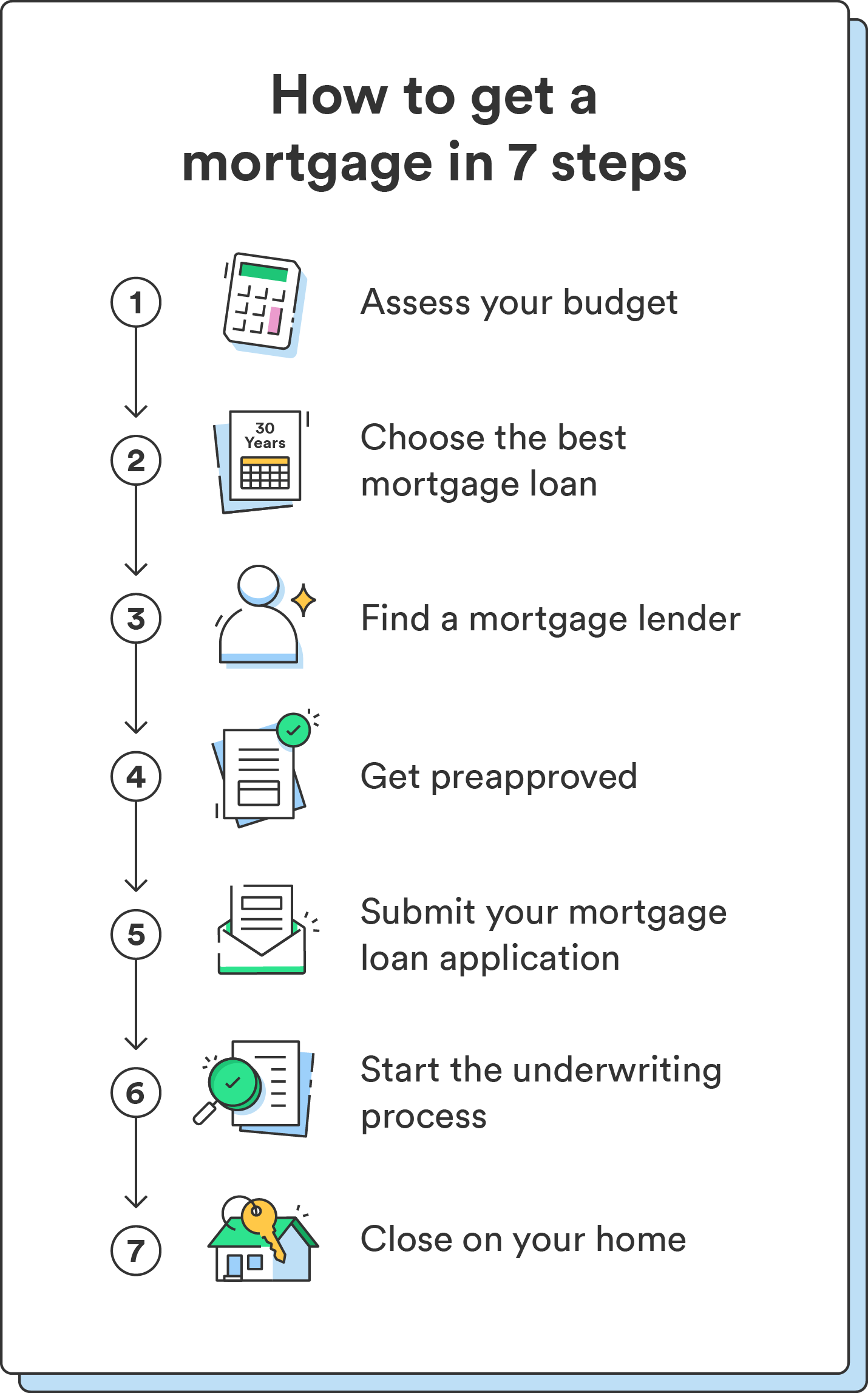
Conclusion: Making the Right Choice for Your Future
There is no “one-size-fits-all” answer to the question of where to get a mortgage. The “best” lender is the one that aligns with your specific financial health, your risk tolerance, and your long-term goals. If you value a personal relationship and have a high credit score, a local credit union or national bank may be your best bet. If you are a busy professional looking for the most efficient process, a digital lender will likely serve you best. If your financial situation is complex, a mortgage broker can provide the roadmap you need.
By understanding the landscape of the lending industry—from the traditional halls of commercial banks to the innovative platforms of fintech—you empower yourself to make a decision that is not just about buying a house, but about building a secure financial future. Take the time to shop around, compare at least three different sources, and remember that in the world of personal finance, the most informed borrower is always the one who secures the best deal.
aViewFromTheCave is a participant in the Amazon Services LLC Associates Program, an affiliate advertising program designed to provide a means for sites to earn advertising fees by advertising and linking to Amazon.com. Amazon, the Amazon logo, AmazonSupply, and the AmazonSupply logo are trademarks of Amazon.com, Inc. or its affiliates. As an Amazon Associate we earn affiliate commissions from qualifying purchases.