
For the past two years, the global financial landscape has been dominated by a single, prevailing theme: the fight against inflation. Central banks, led by the U.S. Federal Reserve, have aggressively hiked interest rates to levels not seen in decades. This shift ended the era of “easy money,” sending mortgage rates soaring, tightening corporate credit, and fundamentally altering the calculus for personal investors. Now, as inflation begins to show signs of cooling, the million-dollar question for homeowners, investors, and business owners alike is: When will interest rates finally start to drop?
Predicting the trajectory of interest rates is less about looking at a calendar and more about understanding the complex interplay of economic data. While the “higher for longer” narrative has persisted, shifting economic indicators suggest that a pivot may be on the horizon.
The Mechanics of Monetary Policy: Understanding Why Rates Stay High
To understand when rates will fall, one must first understand why they are high in the first place. The Federal Reserve operates under a “dual mandate”: to promote maximum employment and maintain stable prices. When the post-pandemic economy saw inflation spike to 40-year highs, the Fed used its primary tool—the federal funds rate—to cool the engine.
The 2% Inflation Target and the CPI
The Federal Reserve has a long-standing target of 2% annual inflation. This is considered the “sweet spot” for a healthy economy. To measure progress toward this goal, economists look at the Consumer Price Index (CPI) and the Personal Consumption Expenditures (PCE) price index. As long as these metrics remain significantly above 2%, the Fed is hesitant to cut rates. Cutting too early could risk a “second wave” of inflation, a mistake made in the 1970s that the current board is desperate to avoid.
The Role of the Labor Market
A “hot” labor market—characterized by low unemployment and high wage growth—is generally a good thing for workers, but it can be problematic for inflation. When people earn more, they spend more, which keeps prices high. The Fed has been looking for a “softening” in the labor market as a sign that the economy is cooling enough to justify a rate reduction. Recent data showing a slight uptick in unemployment and a slowdown in hiring suggests that the restrictive policy is finally having its intended effect.
The “Lag Effect” of Interest Rate Hikes
Monetary policy is often described as having “long and variable lags.” It can take 12 to 18 months for a single rate hike to fully permeate the economy. Because the Fed raised rates so quickly in 2022 and 2023, the full impact of those hikes is still being felt today. Central bankers must guess when the cumulative weight of these hikes is sufficient to reach the 2% goal without oversteering and causing a deep recession.
Forecasts and Projections: When Will the Pivot Happen?
Market analysts and the Federal Reserve’s own projections (often referred to as the “Dot Plot”) provide a roadmap for where rates might go. However, these forecasts are frequently revised as new data emerges.
Decoding the Federal Reserve’s “Dot Plot”
Every few months, the Federal Open Market Committee (FOMC) releases the Dot Plot, which shows where each member expects interest rates to be over the next few years. In recent meetings, the consensus has shifted from “multiple cuts in early 2024” to a more cautious approach. As of mid-2024, the expectation is that the first rate cut will likely occur in the final quarter of the year or the first quarter of 2025, provided that inflation continues its downward trend toward the 2% target.
Wall Street vs. The Fed: The Expectations Gap
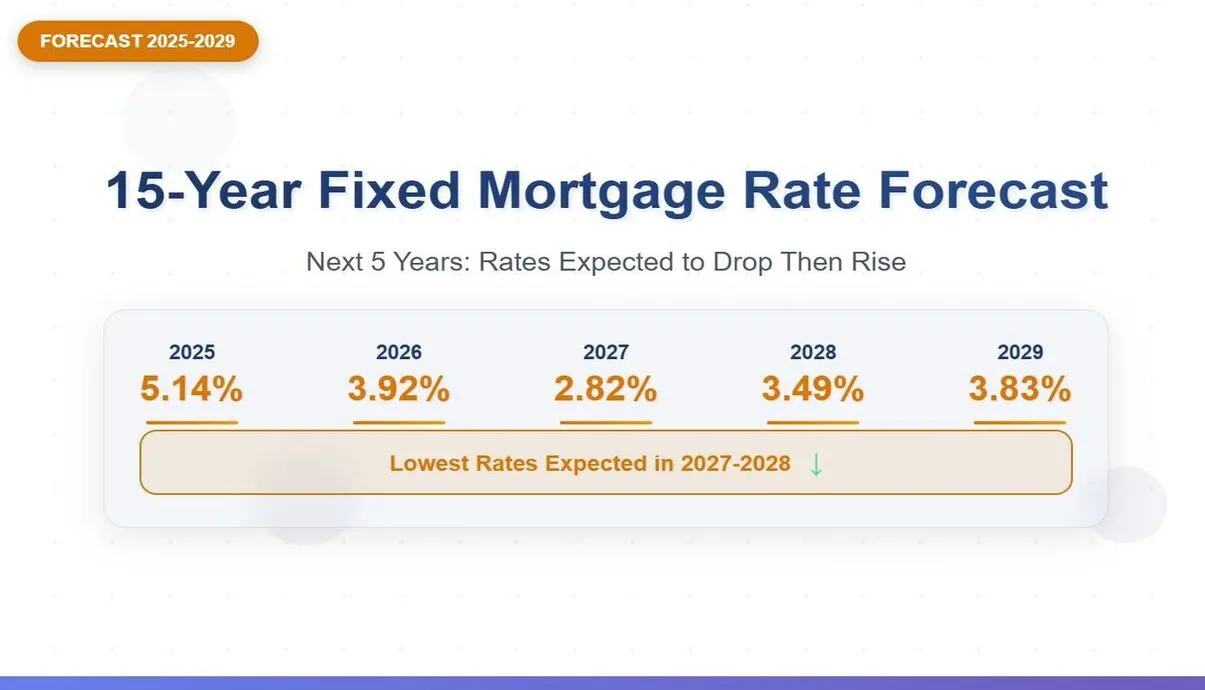
Historically, there is often a tug-of-war between Wall Street’s expectations and the Fed’s actual movements. Investors, eager for the stock market boost that lower rates provide, often price in cuts much earlier than the Fed delivers. When the Fed remains hawkish (inclined to keep rates high), market volatility often follows. Current sentiment among major financial institutions suggests a “slow and steady” decline rather than a rapid series of cuts, with rates likely settling in a “neutral” range of 3% to 3.5% over the next two years.
Global Economic Influences
The U.S. does not operate in a vacuum. Decisions made by the European Central Bank (ECB) and the Bank of England also influence global capital flows. If other major economies begin cutting rates before the U.S., it could strengthen the dollar, which has its own deflationary effects. Conversely, geopolitical tensions—such as conflicts affecting oil prices or shipping routes—can cause “supply-side” inflation, which might force central banks to keep rates high even if the domestic economy is slowing.

The Impact of Interest Rates on Your Personal Finances
For the average consumer, interest rates are not just an abstract economic concept; they dictate the cost of living and the ability to build wealth.
Mortgages and the Housing Market
Perhaps no sector is more sensitive to interest rates than real estate. The 30-year fixed mortgage rate is closely tied to the 10-year Treasury yield, which moves in anticipation of Fed policy. When rates are expected to drop, mortgage rates often dip slightly ahead of the official announcement. For potential homebuyers, a 1% drop in rates can significantly increase purchasing power or lower a monthly payment by hundreds of dollars. However, lower rates could also reignite demand in a market with low inventory, potentially driving home prices even higher.
High-Yield Savings Accounts and Fixed Income
While high interest rates are a burden for borrowers, they have been a boon for savers. For the first time in over a decade, high-yield savings accounts (HYSAs) and Certificates of Deposit (CDs) are offering returns of 4% to 5% or more. When interest rates begin to drop, these yields will be the first to fall. Savors are currently being advised to “lock in” high rates now through long-term CDs or bonds before the Fed begins its easing cycle.
Credit Cards and Variable Interest Debt
Most credit cards have variable Annual Percentage Rates (APRs) tied to the prime rate. When the Fed cuts rates, credit card interest rates typically follow suit within one or two billing cycles. For those carrying high-interest debt, even a small 0.25% or 0.50% cut can provide minor relief, though the most effective strategy remains aggressive repayment while rates are still at their peak.
Investment Strategies for a Falling Rate Environment
As we transition from a high-rate environment to a declining-rate environment, investors need to reassess their portfolio allocations to capitalize on new opportunities.
Growth Stocks vs. Value Stocks
Generally, growth stocks—particularly in the tech sector—perform better when interest rates are low. This is because their valuations are based on future earnings, which are “discounted” less heavily when rates fall. Furthermore, many growth companies rely on borrowing to fund expansion; lower rates make this expansion cheaper. On the other hand, “value” stocks in sectors like utilities or consumer staples may become less attractive if investors move away from dividends toward high-growth opportunities.
Bonds and the Inverse Relationship
The most fundamental rule of bond investing is that when interest rates fall, bond prices rise. Investors who purchase long-term bonds now, while rates are high, stand to see the capital value of those bonds increase as newer bonds are issued with lower coupons. This makes the current period an attractive “entry point” for fixed-income investors looking for both yield and potential capital appreciation.
Real Estate Investment Trusts (REITs)
REITs often struggle in high-rate environments because they rely heavily on debt to acquire property and because their dividends must compete with “risk-free” assets like Treasury bonds. As interest rates drop, the cost of financing for REITs decreases, and their dividend yields become more attractive to income-seeking investors compared to falling bond yields.
Conclusion: Preparing for the Transition
While the exact month of the first interest rate drop remains a matter of debate among economists, the consensus is that the peak of the rate-hiking cycle is behind us. The transition to lower rates will not be a return to the “zero-interest” policy of the 2010s, but rather a move toward a more balanced “neutral” rate.
For individuals, the best course of action is to remain agile. If you are looking to buy a home, stay in close contact with lenders to catch windows of volatility where rates dip. If you have excess cash, consider locking in current high yields in CDs or bonds before they disappear. For investors, ensure your portfolio is diversified enough to handle both the “higher for longer” possibility and the eventual pivot. In the world of finance, patience is often rewarded, and staying informed is the best way to navigate the changing tides of the economy.
aViewFromTheCave is a participant in the Amazon Services LLC Associates Program, an affiliate advertising program designed to provide a means for sites to earn advertising fees by advertising and linking to Amazon.com. Amazon, the Amazon logo, AmazonSupply, and the AmazonSupply logo are trademarks of Amazon.com, Inc. or its affiliates. As an Amazon Associate we earn affiliate commissions from qualifying purchases.