
For many individuals, the purchase of a home represents the single largest financial transaction of their lifetime. Central to this milestone is the mortgage loan—a financial instrument that serves as the bridge between personal savings and the high cost of real estate. While the concept of borrowing money to buy property is common, the underlying mechanics, legal implications, and strategic financial nuances of a mortgage are complex. Understanding these factors is essential for anyone looking to navigate the world of personal finance and long-term investing.
The Fundamentals of a Mortgage Loan
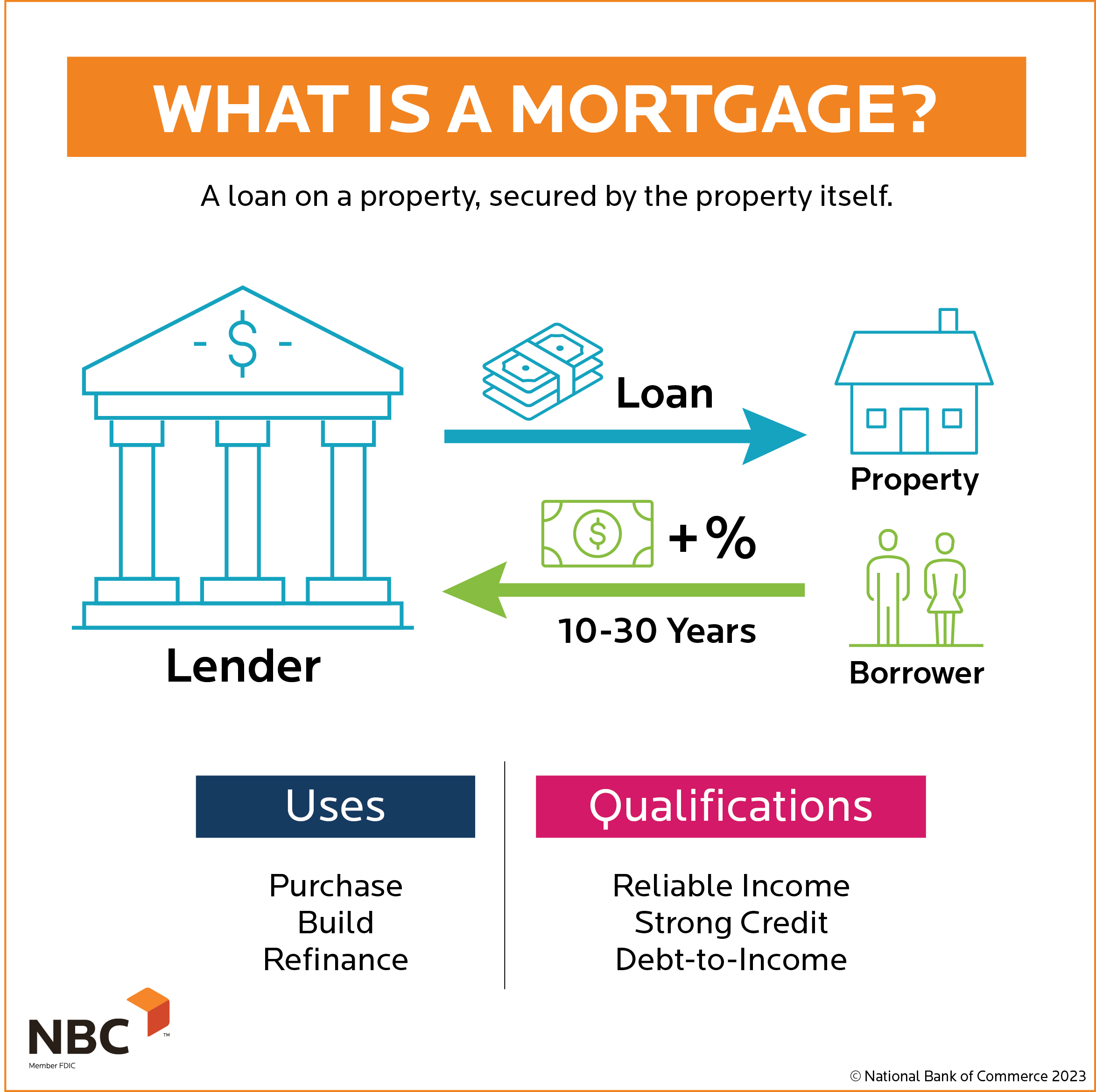
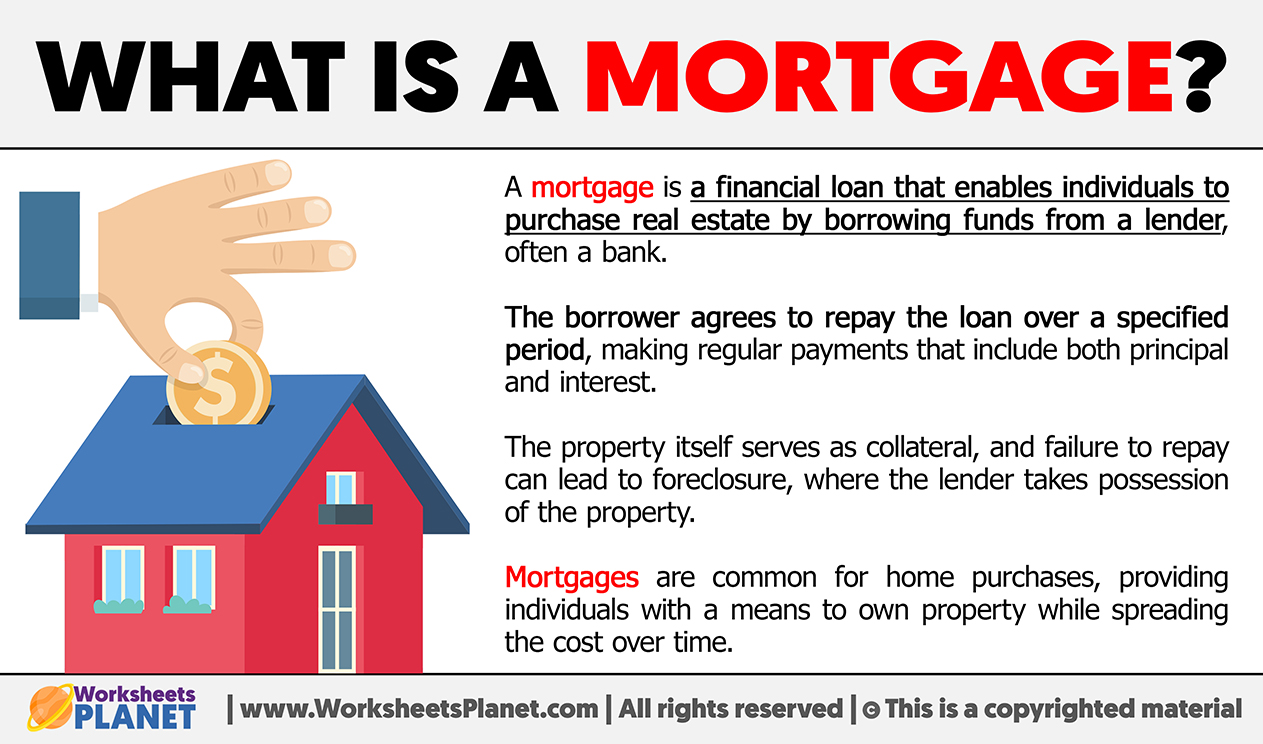
At its core, a mortgage is a type of loan specifically designed for the purchase of real estate. Unlike a standard personal loan, a mortgage is a “secured” loan. This means the property itself serves as collateral for the debt. If the borrower fails to meet the repayment terms, the lender has the legal right to seize the property through a process known as foreclosure to recover the outstanding balance.
The Legal Structure and the “Death Pledge”
The word “mortgage” is derived from Old French, literally meaning “death pledge.” Historically, this referred to the fact that the deal dies when the debt is paid or when the property is taken through failure to pay. In modern finance, the mortgage consists of two primary documents: the promissory note and the deed of trust (or mortgage deed). The promissory note is your personal promise to repay the money, while the deed of trust creates a lien on the property, giving the lender a legal interest in the home until the loan is fully satisfied.
Principal, Interest, and the PITI Framework
When you make a monthly mortgage payment, the money is typically divided into four main components, often abbreviated as PITI:
- Principal: The actual amount of money borrowed that goes toward paying down the loan balance.
- Interest: The fee charged by the lender for the privilege of borrowing the money.
- Taxes: Property taxes assessed by local governments, often collected by the lender and held in an escrow account.
- Insurance: This includes homeowners insurance and, in some cases, private mortgage insurance (PMI).
Understanding PITI is crucial for budgeting, as your “mortgage payment” is often significantly higher than just the repayment of the borrowed funds.
Key Components and Financial Terms
To master the “Money” aspect of real estate, one must understand the variables that determine the cost of a mortgage. These components dictate how much you will pay monthly and over the life of the loan.
The Importance of the Down Payment
The down payment is the initial upfront portion of the total purchase price paid in cash. Traditionally, a 20% down payment was the gold standard, as it allowed borrowers to avoid Private Mortgage Insurance (PMI) and start with significant equity. However, modern financial products allow for down payments as low as 3% or even 0% for specific programs. From a financial strategy perspective, a larger down payment reduces the total interest paid over time and lowers the lender’s risk, often resulting in a better interest rate.
Fixed-Rate vs. Adjustable-Rate Mortgages (ARMs)
Interest rates are the “price” of the loan. Borrowers generally choose between two structures:
- Fixed-Rate Mortgages: The interest rate remains the same for the entire life of the loan (usually 15 or 30 years). This provides stability and protection against rising market rates.
- Adjustable-Rate Mortgages (ARMs): These loans offer a lower “teaser” rate for an initial period (e.g., 5 or 7 years), after which the rate adjusts periodically based on market indexes. ARMs can be beneficial if you plan to sell the home before the adjustment period begins, but they carry the risk of significantly higher payments in the future.
Amortization: The Math of Debt Reduction
Amortization is the process of paying off a debt over time through regular installments. In the early years of a mortgage, a vast majority of each payment goes toward interest. As the principal balance decreases, the amount of interest charged also decreases, causing a larger portion of the payment to be applied to the principal. This “back-loaded” structure means that equity builds slowly at first and accelerates as the loan matures.
Common Types of Mortgage Loans
The financial market offers various mortgage products tailored to different economic profiles and goals. Choosing the right one is a critical step in personal financial planning.
Conventional Loans
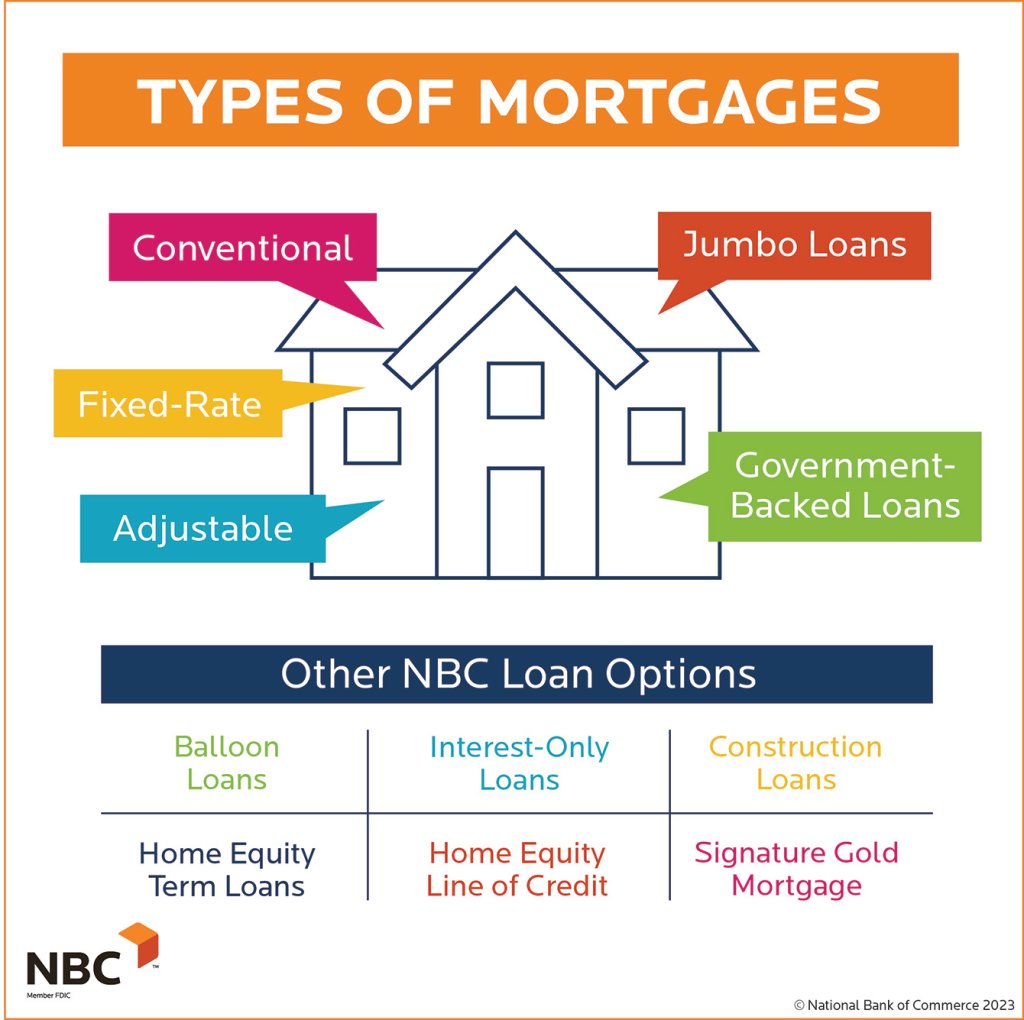
Conventional loans are not insured or guaranteed by the federal government. They typically follow the guidelines set by Fannie Mae and Freddie Mac. These loans are ideal for borrowers with strong credit scores and stable income. They offer the most flexibility in terms of property types and loan terms but often have stricter qualification requirements than government-backed options.
Government-Backed Loans (FHA, VA, and USDA)
To encourage homeownership, the government provides guarantees for certain types of loans:
- FHA Loans: Insured by the Federal Housing Administration, these are popular with first-time buyers because they allow for lower credit scores and down payments as low as 3.5%.
- VA Loans: Available to veterans and active-duty service members, these loans often require no down payment and have no PMI, making them one of the most powerful financial benefits of military service.
- USDA Loans: Designed for rural and suburban homebuyers, these also offer 100% financing for eligible properties and low-to-moderate-income borrowers.
Jumbo Loans for High-Value Real Estate
When a loan amount exceeds the “conforming loan limits” set by Federal housing finance agencies, it is classified as a Jumbo loan. Because these loans cannot be sold to Fannie Mae or Freddie Mac, they represent higher risk for lenders. Consequently, they often require higher credit scores, larger down payments, and more significant cash reserves.
The Application and Approval Process
Securing a mortgage is an intensive financial audit. Lenders scrutinize your “financial DNA” to ensure you are a low-risk investment for them.
Credit Scores and Debt-to-Income (DTI) Ratios
Your credit score is the most significant factor in determining your interest rate. A higher score signals to the lender that you have a history of managing debt responsibly. Simultaneously, lenders calculate your Debt-to-Income (DTI) ratio—the percentage of your gross monthly income that goes toward paying debts. Generally, lenders prefer a DTI below 36%, though some programs allow for higher ratios. Managing these two numbers is the most effective way to prepare for a mortgage application.
The Underwriting and Appraisal Phase
Once you have found a home and applied for a loan, the process enters “underwriting.” This is where a professional evaluator verifies your income, employment history, and assets. During this time, the lender will also order an appraisal. The appraisal is a professional estimate of the home’s market value. If the appraisal comes in lower than the purchase price, the lender will only lend based on the appraised value, which may require the buyer to bring more cash to the table.
Closing Costs and the Final Hurdle
Beyond the down payment, borrowers must account for closing costs. These typically range from 2% to 5% of the purchase price and cover expenses such as title insurance, attorney fees, recording fees, and prepaid taxes. On a $400,000 home, this could mean an additional $8,000 to $20,000 required at the time of signing.
Strategic Financial Considerations for Homeowners
A mortgage should not be viewed merely as a monthly expense; it is a strategic component of a broader investment portfolio.
Building Equity and Wealth
Equity is the difference between the market value of your home and the remaining balance on your mortgage. As property values appreciate and you pay down the principal, your equity grows. This equity can be leveraged later in life through Home Equity Lines of Credit (HELOCs) or home equity loans to fund renovations, consolidate high-interest debt, or even invest in additional real estate.
The Power of Refinancing
In a fluctuating interest rate environment, many homeowners utilize “refinancing” to improve their financial position. By taking out a new mortgage to pay off the old one, a homeowner can secure a lower interest rate, shorten the loan term (e.g., switching from a 30-year to a 15-year loan), or “cash out” equity for other investments. Refinancing is a key tool in the “Money” toolkit, allowing for the optimization of debt over decades.
Pre-approval vs. Pre-qualification
In a competitive real estate market, understanding the difference between these two terms is vital. Pre-qualification is a surface-level estimate of what you might be able to borrow. Pre-approval, however, involves a formal credit check and income verification. In the eyes of a seller, a pre-approved buyer is almost as good as a cash buyer, providing a significant advantage in negotiations and ensuring that your financial planning is grounded in reality.
In conclusion, a mortgage loan is more than just a means to an end; it is a sophisticated financial vehicle. By understanding the components of PITI, the math of amortization, and the various loan products available, individuals can make informed decisions that align with their long-term financial health. Whether you are a first-time homebuyer or a seasoned investor, mastering the mechanics of the mortgage is a fundamental step toward achieving financial stability and building multi-generational wealth.
aViewFromTheCave is a participant in the Amazon Services LLC Associates Program, an affiliate advertising program designed to provide a means for sites to earn advertising fees by advertising and linking to Amazon.com. Amazon, the Amazon logo, AmazonSupply, and the AmazonSupply logo are trademarks of Amazon.com, Inc. or its affiliates. As an Amazon Associate we earn affiliate commissions from qualifying purchases.