
Securing a loan from a traditional banking institution remains one of the most significant financial milestones for individuals and entrepreneurs alike. Whether you are looking to consolidate debt, purchase a home, or scale a business venture, the bank loan process serves as a gateway to liquidity that can transform financial goals into reality. However, the path to approval is often perceived as a labyrinth of red tape, stringent requirements, and complex jargon.
To navigate this landscape successfully, one must move beyond the role of a mere applicant and become a strategic candidate. Understanding how banks evaluate risk, what documentation is non-negotiable, and how to position your financial profile is essential. This guide provides an in-depth exploration of the bank loan process, offering professional insights into securing the capital you need while maintaining long-term fiscal health.

Understanding the Landscape: Types of Bank Loans and Their Purposes
Before approaching a lender, it is imperative to identify the specific financial instrument that aligns with your objectives. Banks offer a diverse portfolio of products, each with distinct interest rate structures, repayment terms, and eligibility criteria.
Personal Loans for Life’s Transitions
Personal loans are typically “unsecured,” meaning they do not require collateral like a house or a car. Because the bank takes on higher risk, these loans often carry higher interest rates than secured options. They are ideal for debt consolidation—allowing borrowers to roll high-interest credit card debt into a single, lower-interest monthly payment—or for financing significant life events such as medical expenses or home renovations.
Mortgages: Navigating the Path to Homeownership
A mortgage is a secured loan used to purchase real estate. The property itself serves as collateral. Banks offer various structures, including fixed-rate mortgages, where the interest rate remains constant, and adjustable-rate mortgages (ARMs), which fluctuate based on market conditions. Understanding the nuances of down payments and private mortgage insurance (PMI) is critical for any prospective homeowner.
Commercial and Small Business Loans
For entrepreneurs, bank loans are vital for operational scaling, inventory acquisition, or equipment purchases. These loans often require more rigorous vetting than personal loans. Banks look for business viability, historical cash flow, and a clear projection of how the borrowed funds will generate a return on investment. Options may include term loans, lines of credit, or SBA-backed loans, which offer government guarantees to reduce the lender’s risk.
Assessing Your Financial Health: The Pre-Application Checklist
Banks do not lend money based on potential alone; they lend based on proof. Before stepping into a branch or opening an online application, you must conduct a thorough audit of your financial standing.
The Power of Your Credit Score
Your credit score is the single most important metric in the lending process. It is a numerical representation of your creditworthiness, derived from your payment history, credit utilization, and the length of your credit history. A score above 720 generally unlocks the most favorable interest rates. If your score is lower, it may be prudent to spend six months improving it—by paying down balances and correcting errors on your credit report—before applying for a loan.
Debt-to-Income Ratio (DTI) and Why It Matters
Lenders use the Debt-to-Income ratio to determine if you can afford to take on additional debt. This is calculated by dividing your total monthly debt payments by your gross monthly income. Most banks prefer a DTI ratio of 36% or lower. If your DTI is too high, the bank may view you as overleveraged, even if you have a high income and a good credit score.
Collateral vs. Unsecured Lending
Understanding the “Five Cs of Credit”—Character, Capacity, Capital, Collateral, and Conditions—is essential. If you are applying for a secured loan, you must have an asset of value to pledge. Collateral mitigates the bank’s risk; if you default, they can seize the asset to recoup their losses. For unsecured loans, your “Character” (credit history) and “Capacity” (income) bear the full weight of the decision.
Preparing a Winning Loan Application Package
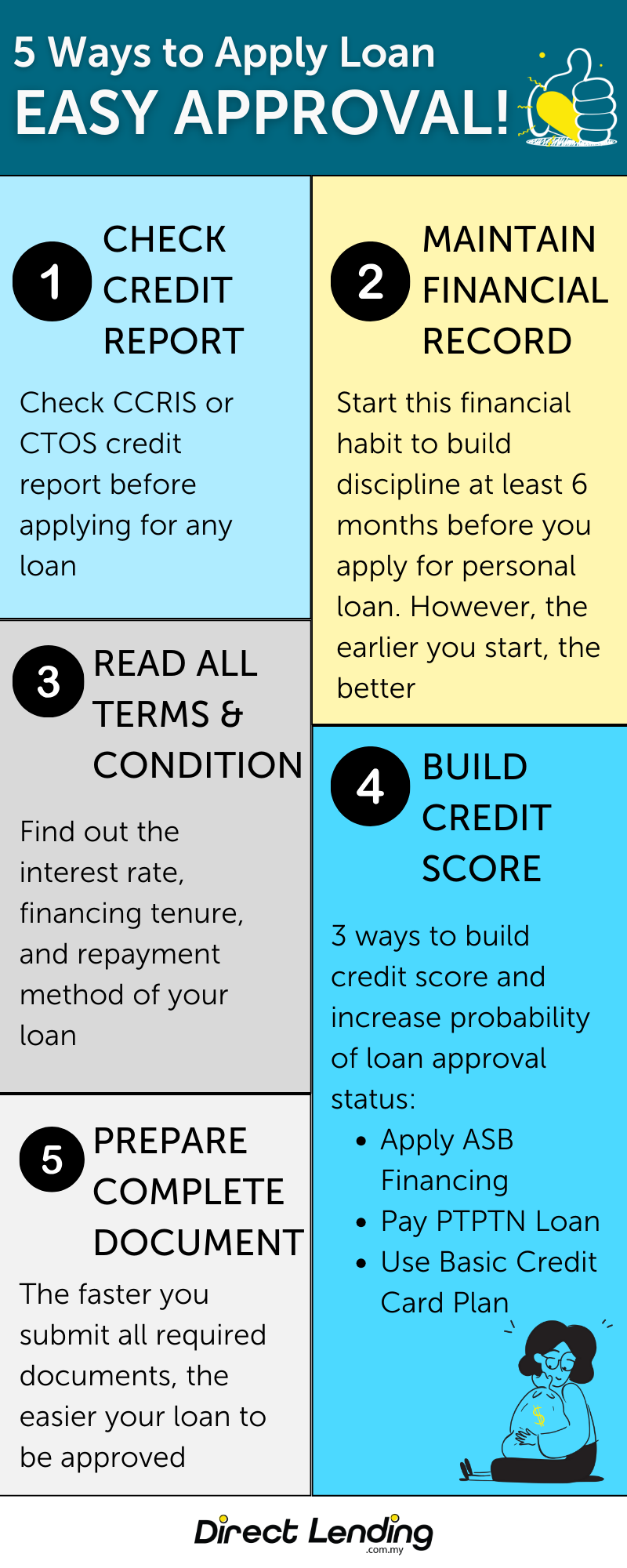
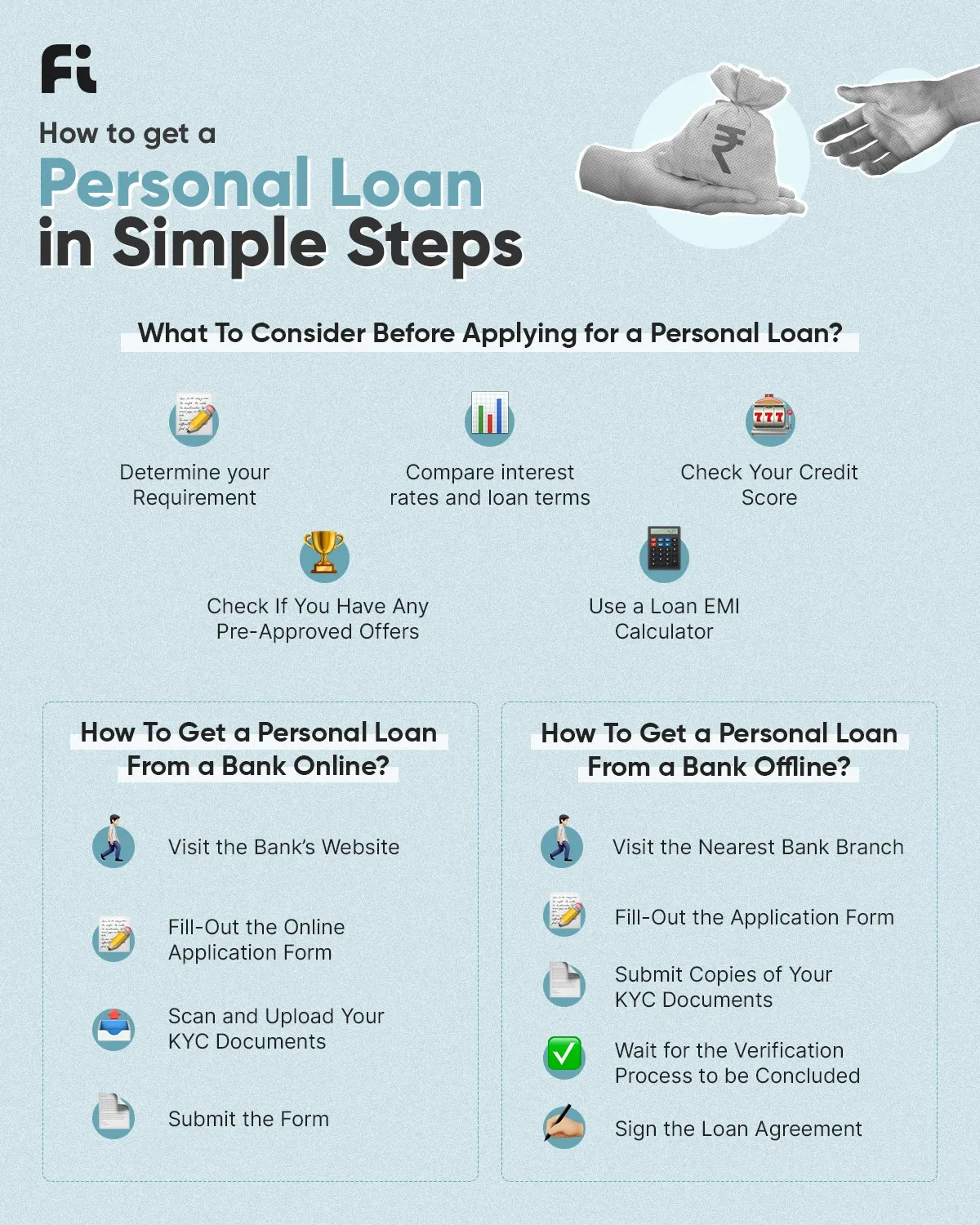
The difference between an approval and a rejection often lies in the presentation of the application. A well-organized, transparent application signals to the bank that you are a responsible and low-risk borrower.
Essential Documentation: Proving Your Income and Identity
Accuracy is paramount. You will generally need to provide:
- Proof of Income: Recent pay stubs, W-2 forms, or 1099s.
- Tax Returns: Typically the last two years of federal filings.
- Asset Statements: Bank statements, brokerage accounts, and retirement fund balances.
- Identification: Government-issued ID and Social Security verification.
The Importance of a Solid Business Plan
If you are seeking a business loan, the bank requires more than just numbers; they need a narrative. A comprehensive business plan should outline your company’s mission, market analysis, management structure, and a detailed breakdown of how the loan will be utilized. Banks want to see that you have a “repayment strategy” that accounts for market volatility.
Demonstrating Repayment Capacity
Beyond showing how much you earn, you must show how much you keep. Banks look for “disposable income” or “free cash flow.” For individuals, this means consistent bank balances. For businesses, this means a healthy Debt Service Coverage Ratio (DSCR), which measures the cash flow available to pay current debt obligations.
The Evaluation and Approval Process: What Happens Behind the Scenes
Once you submit your application, it enters the “black box” of bank underwriting. Understanding this phase can help manage expectations and prepare you for follow-up inquiries.
Underwriting: The Bank’s Risk Assessment
Underwriters are the gatekeepers of the bank’s capital. Their job is to verify every piece of information you provided and assess the probability of default. They use automated scoring systems supplemented by human review for complex cases. During this phase, do not take on new debt or make large, unexplained deposits into your accounts, as this can trigger red flags and stall the process.
Understanding Interest Rates and Terms
If approved, you will receive a “Loan Estimate” or a term sheet. It is vital to look beyond the monthly payment. Pay attention to the Annual Percentage Rate (APR), which includes both the interest rate and any lender fees. Examine the term length—a longer term means lower monthly payments but significantly more interest paid over the life of the loan.
Navigating Rejection and Resubmission
A loan denial is not a permanent “no”; it is often a “not now.” Banks are legally required to provide an “Adverse Action Notice” explaining why you were denied. Whether it was due to a low appraisal on collateral, insufficient income, or credit issues, use this feedback as a roadmap. Address the specific concerns and consider applying with a co-signer or seeking a smaller loan amount in the future.
Managing Your Loan: Strategies for Long-Term Financial Success
Securing the funds is only the beginning. Proper management of the debt is crucial to maintaining your financial reputation and ensuring that the loan serves its intended purpose without becoming a burden.
Automating Payments and Avoiding Penalties
The easiest way to protect your credit score is to ensure you never miss a payment. Setting up automated transfers from your checking account ensures timeliness. Furthermore, many banks offer a small interest rate discount (often 0.25%) for borrowers who utilize auto-pay features.
Early Repayment and Refinancing Options
Always check if your loan has “prepayment penalties.” If it doesn’t, paying extra toward the principal can save you thousands in interest and shorten the life of the loan. Additionally, stay vigilant about market trends. If interest rates drop significantly after you’ve taken out a loan, or if your credit score improves markedly, you may be able to “refinance”—taking out a new loan at a lower rate to pay off the old one.
The Role of Credit Health Maintenance
A bank loan is a double-edged sword for your credit profile. While the initial “hard inquiry” might cause a temporary dip in your score, consistent, on-time payments will build a robust credit history. This “credit mix”—having both revolving debt (credit cards) and installment debt (loans)—is viewed favorably by future lenders, making it easier to secure even larger amounts of capital down the road.
In conclusion, getting a loan from a bank is a professional endeavor that requires preparation, transparency, and a clear understanding of financial mechanics. By treating the bank as a partner and presenting a data-backed case for your creditworthiness, you can secure the resources necessary to achieve your personal and professional ambitions. Money, when managed with discipline and strategy, becomes a powerful tool for growth rather than a source of stress.
aViewFromTheCave is a participant in the Amazon Services LLC Associates Program, an affiliate advertising program designed to provide a means for sites to earn advertising fees by advertising and linking to Amazon.com. Amazon, the Amazon logo, AmazonSupply, and the AmazonSupply logo are trademarks of Amazon.com, Inc. or its affiliates. As an Amazon Associate we earn affiliate commissions from qualifying purchases.