
Determining how much a bank or financial institution is willing to lend you is one of the most critical steps in financial planning. Whether you are eyeing a first home, seeking a personal loan for debt consolidation, or looking for capital to launch a business, the question “how much loan will I qualify for?” is rarely answered with a single, static number. Instead, it is the result of a complex equation involving your income, your past financial behavior, current market conditions, and the specific type of credit you are seeking.
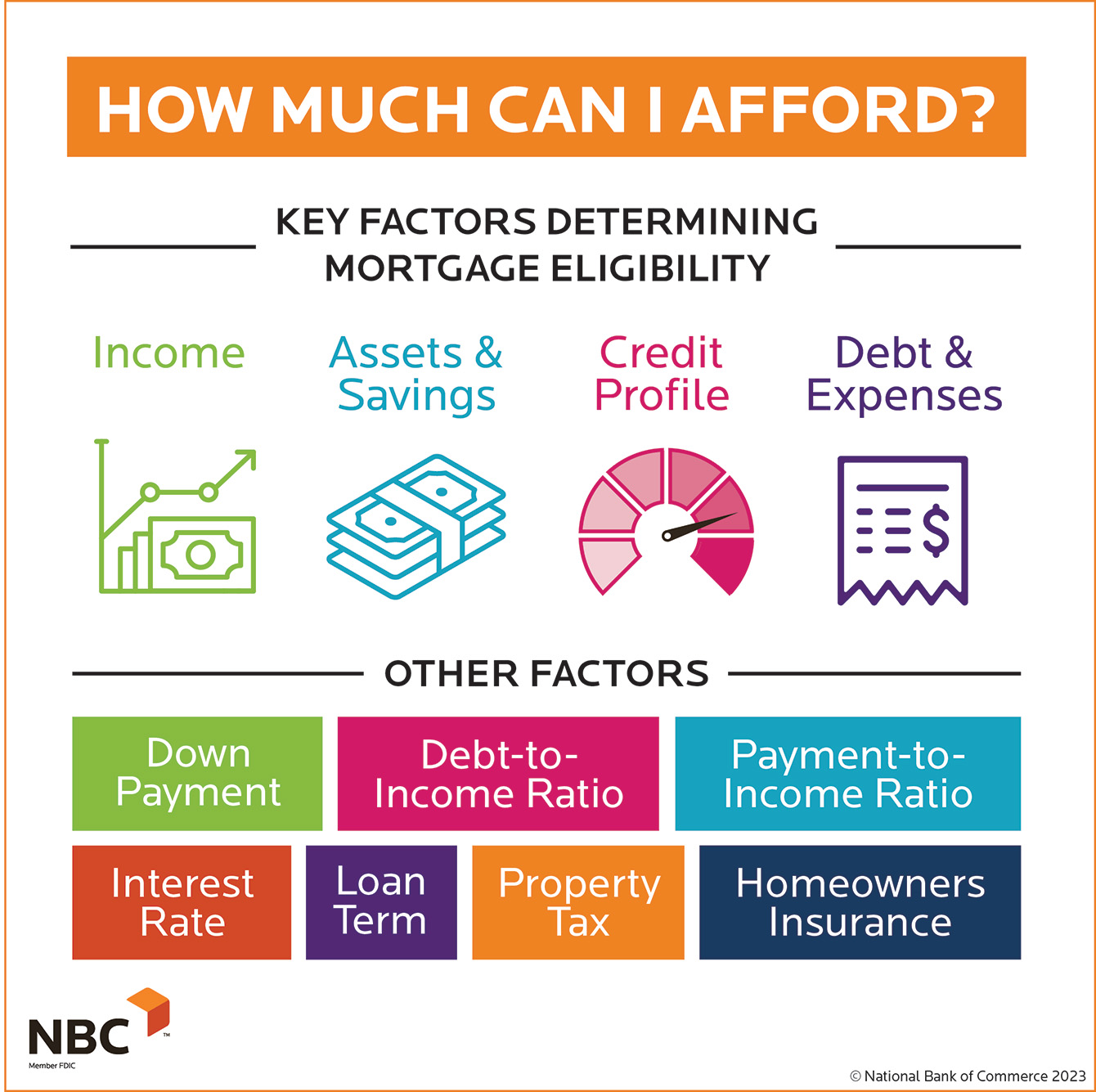
Understanding the mechanics of loan qualification empowers you to approach lenders with confidence. It allows you to move beyond guesswork and into a position of strategic preparation. In this guide, we will break down the primary factors that dictate your borrowing power and provide a roadmap for maximizing your eligibility.
1. The Core Fundamentals: What Lenders Look for First
Before a lender looks at your specific request, they evaluate your overall financial profile through a lens often referred to as the “Five C’s of Credit”: Character, Capacity, Capital, Collateral, and Conditions. While these are traditional banking pillars, they remain the bedrock of modern lending algorithms.
The Significance of Your Credit Score
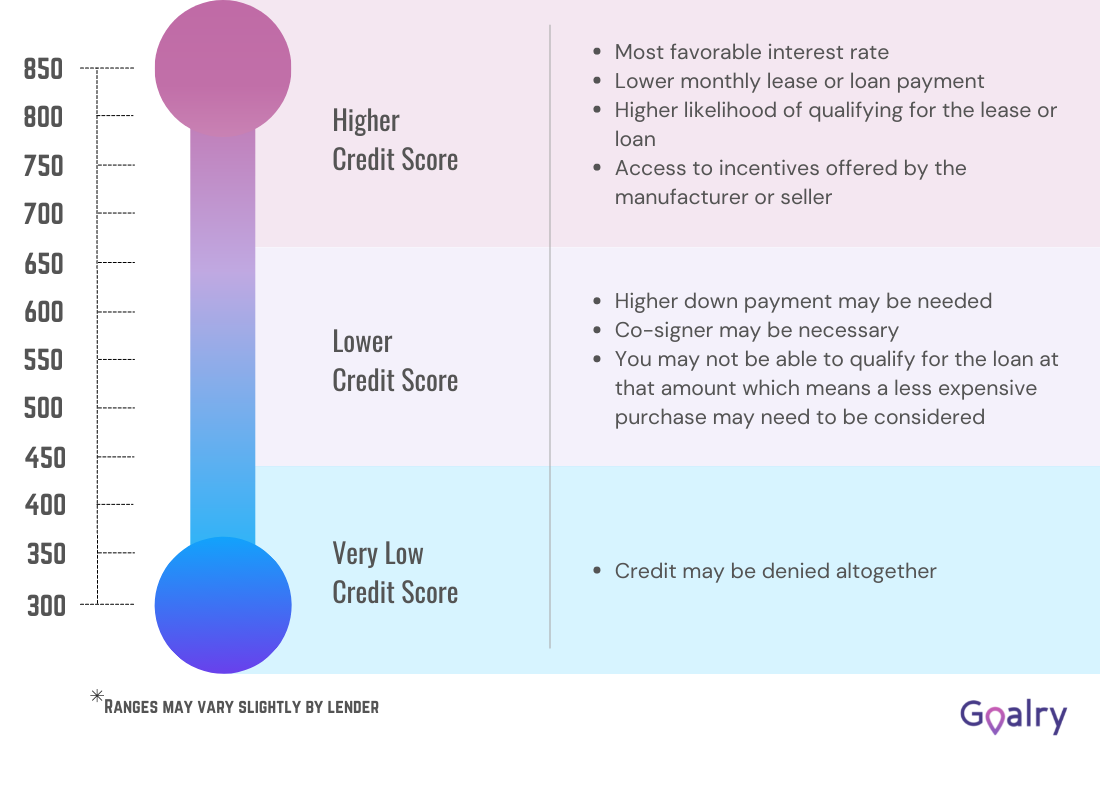
Your credit score—typically a FICO or VantageScore—is the most immediate indicator of your “character” or reliability as a borrower. Most lenders have a minimum threshold; for example, many conventional mortgage lenders require a score of 620 or higher, while “best-rate” territory usually begins at 740. A higher score doesn’t just increase the amount you qualify for; it significantly lowers the interest rate, which reduces your monthly payment and allows you to afford a larger total loan amount.
Income Stability and Employment History
Lenders prioritize consistency. Qualifying for a substantial loan usually requires at least two years of steady employment in the same field. If you are a W-2 employee, your gross monthly income is the starting point. If you are self-employed or a freelancer, lenders will typically look at the average net income from your last two years of tax returns. They want to ensure that your “capacity” to pay is not a temporary spike but a sustainable reality.
The Impact of Liquid Assets
While your income covers the monthly payments, your “capital” (savings and investments) acts as a safety net. Lenders feel more comfortable offering higher loan amounts if you have “reserves”—several months’ worth of payments tucked away in a savings account. For mortgages, the size of your down payment also dictates your loan-to-value (LTV) ratio, which is a major factor in qualification.
2. Navigating the Debt-to-Income (DTI) Ratio
If the credit score is the “who” of lending, the Debt-to-Income (DTI) ratio is the “how much.” This is arguably the most important mathematical formula used to determine your maximum loan limit. The DTI ratio compares your total monthly debt obligations to your gross monthly income.
Understanding Front-End vs. Back-End Ratios
In the world of mortgage lending, banks often look at two different DTI figures:
- Front-End Ratio: This is the percentage of your gross income that would go toward your housing expenses (principal, interest, taxes, and insurance). Most lenders prefer this to stay below 28%.
- Back-End Ratio: This includes your housing expenses plus all other recurring monthly debts, such as car loans, student loans, and minimum credit card payments. Lenders generally want this to be 36% or lower, though some programs (like FHA loans) may allow up to 43% or even 50% in certain circumstances.
Calculating Your Maximum Monthly Payment
To estimate your qualification limit, you can work backward. Multiply your gross monthly income by 0.36 (or 0.43 for more flexible loans) and subtract your current monthly debt payments. The remaining number is the maximum monthly payment a lender believes you can handle. From there, you can use current interest rates to calculate what total loan amount that monthly payment supports.
The “Hidden” Debts
It is important to remember that lenders look at minimum payments, not your total outstanding balance, when calculating DTI. However, if you have a high balance on a revolving credit line, it can negatively impact your credit score via “credit utilization,” which indirectly lowers the amount you qualify for by triggering a higher interest rate or a more conservative DTI cap.
3. Qualification Differences Across Loan Types
The answer to “how much can I borrow?” changes depending on what you are buying. Different loan products have different risk profiles, and lenders adjust their criteria accordingly.

Conventional and Government-Backed Mortgages
Mortgages are the most regulated form of lending. For a conventional loan, qualification is strictly tied to DTI and LTV. However, government-backed options like FHA, VA, or USDA loans offer different paths. For instance, VA loans (for veterans) often do not require a down payment and have more flexible DTI requirements, potentially allowing you to qualify for a higher loan amount than a conventional product would permit.
Personal Loans and Unsecured Credit
Personal loans are typically “unsecured,” meaning there is no collateral like a house or a car. Because the lender takes on more risk, qualification is heavily weighted toward your credit score and income. You might qualify for a $50,000 personal loan with an excellent credit score, but that same income might only qualify you for $20,000 if your score is in the “fair” range.
Business Loans and Revenue-Based Financing
For entrepreneurs, qualification isn’t just about personal finances; it’s about the health of the business. Lenders look at annual revenue, time in business, and “Debt Service Coverage Ratio” (DSCR). DSCR measures the business’s ability to pay its debts using its operating income. If your business generates strong, consistent cash flow, you may qualify for significantly more than you would based on personal income alone.
4. Strategies to Maximize Your Borrowing Power
If your initial calculations suggest you won’t qualify for the amount you need, there are several levers you can pull to improve your standing. Qualification is not a permanent state; it is a snapshot of your current financial health.
Improving Your Credit-to-Debt Ratio
One of the fastest ways to increase your loan qualification limit is to pay down existing revolving debt. By eliminating a $300-a-month car payment or a $100-a-month credit card minimum, you effectively “free up” that money in the eyes of the lender’s DTI calculation. In a mortgage scenario, a $400 reduction in monthly debt could translate to an additional $50,000 to $70,000 in borrowing power, depending on interest rates.
The Power of a Co-Signer or Co-Borrower
If your income is the primary bottleneck, adding a co-borrower (such as a spouse or partner) allows the lender to consider two incomes against the combined debt. This can dramatically increase the total loan amount. However, be aware that most lenders will use the lower of the two credit scores to determine the interest rate and eligibility.
Correcting Credit Report Errors
It is estimated that one in five credit reports contains an error. An incorrectly reported late payment or an old account that should have been closed can artificially suppress your score. By disputing these errors and having them removed, you can see a rapid bump in your score, potentially moving you into a higher “tier” of borrowing.
5. Utilizing Financial Tools and Pre-Approval Processes
In the modern financial landscape, you don’t have to guess. There are numerous tools and formal processes designed to give you a precise answer to your qualification questions.
Prequalification vs. Pre-approval
It is vital to understand the difference between these two terms. Prequalification is an informal estimate based on self-reported data. It gives you a “ballpark” figure but carries no weight. Pre-approval, on the other hand, involves a lender verifying your income, pulling your credit report, and performing a preliminary underwriting. A pre-approval letter tells you exactly how much you qualify for and is a powerful tool when making offers.
Using Online Loan Calculators Wisely
Online calculators are excellent for running “what-if” scenarios. You can adjust interest rates, loan terms (15 years vs. 30 years), and down payment amounts to see how they impact your qualification. However, always ensure you are factoring in “hidden” costs like property taxes, private mortgage insurance (PMI), and homeowners association (HOA) fees, as these are included in the lender’s DTI calculation and will reduce the amount of the actual loan you can carry.
Consulting with a Mortgage Broker or Financial Advisor
Lending is not one-size-fits-all. Different banks have different “appetites” for risk. A mortgage broker or financial advisor can help you navigate various “niche” loan products that might be more lenient toward your specific situation—such as “bank statement loans” for the self-employed or “asset-depletion loans” for high-net-worth individuals with low traditional income.
Conclusion
The question of “how much loan will I qualify for” is ultimately a reflection of how a lender perceives your financial future. By focusing on the core pillars of credit health—maintaining a low DTI, a high credit score, and stable income—you can position yourself as a low-risk borrower.
Remember that just because you qualify for a certain amount doesn’t necessarily mean you should borrow it. True financial mastery involves finding the balance between what a lender says you can afford and what your personal budget allows for a comfortable lifestyle. By understanding the mechanics of qualification, you can make an informed, strategic decision that aligns with your long-term financial goals.
aViewFromTheCave is a participant in the Amazon Services LLC Associates Program, an affiliate advertising program designed to provide a means for sites to earn advertising fees by advertising and linking to Amazon.com. Amazon, the Amazon logo, AmazonSupply, and the AmazonSupply logo are trademarks of Amazon.com, Inc. or its affiliates. As an Amazon Associate we earn affiliate commissions from qualifying purchases.