
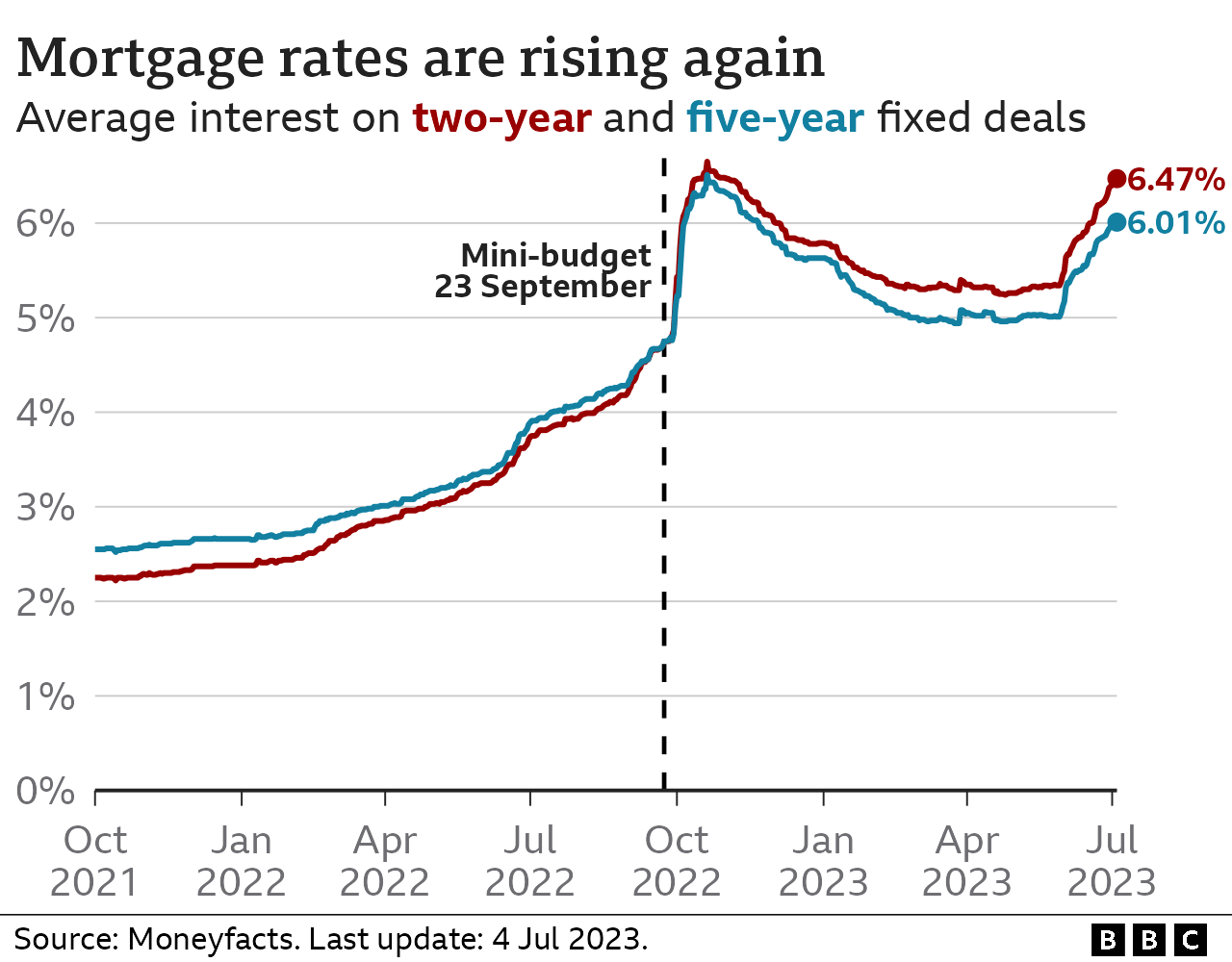
In the landscape of personal finance, few numbers carry as much weight as the mortgage interest rate. For the average individual, a home is the most significant investment they will ever make, and the interest rate attached to that purchase determines the ultimate price of that investment. At its simplest level, a mortgage interest rate is the cost you pay a lender to borrow money to purchase a property. It is expressed as a percentage of the total loan amount. However, beneath this simple definition lies a complex web of economic indicators, personal financial metrics, and market behaviors that dictate whether you pay thousands or hundreds of thousands of dollars in interest over the life of your loan.
Understanding the Fundamentals of Mortgage Interest Rates
To navigate the world of real estate and personal finance, one must first understand that interest rates are not arbitrary. They represent the “yield” required by investors to take on the risk of lending money over a long period. When you sign a mortgage contract, you are essentially entering into a long-term financial agreement where the interest rate acts as the price of liquidity.
Fixed-Rate vs. Adjustable-Rate Mortgages (ARMs)
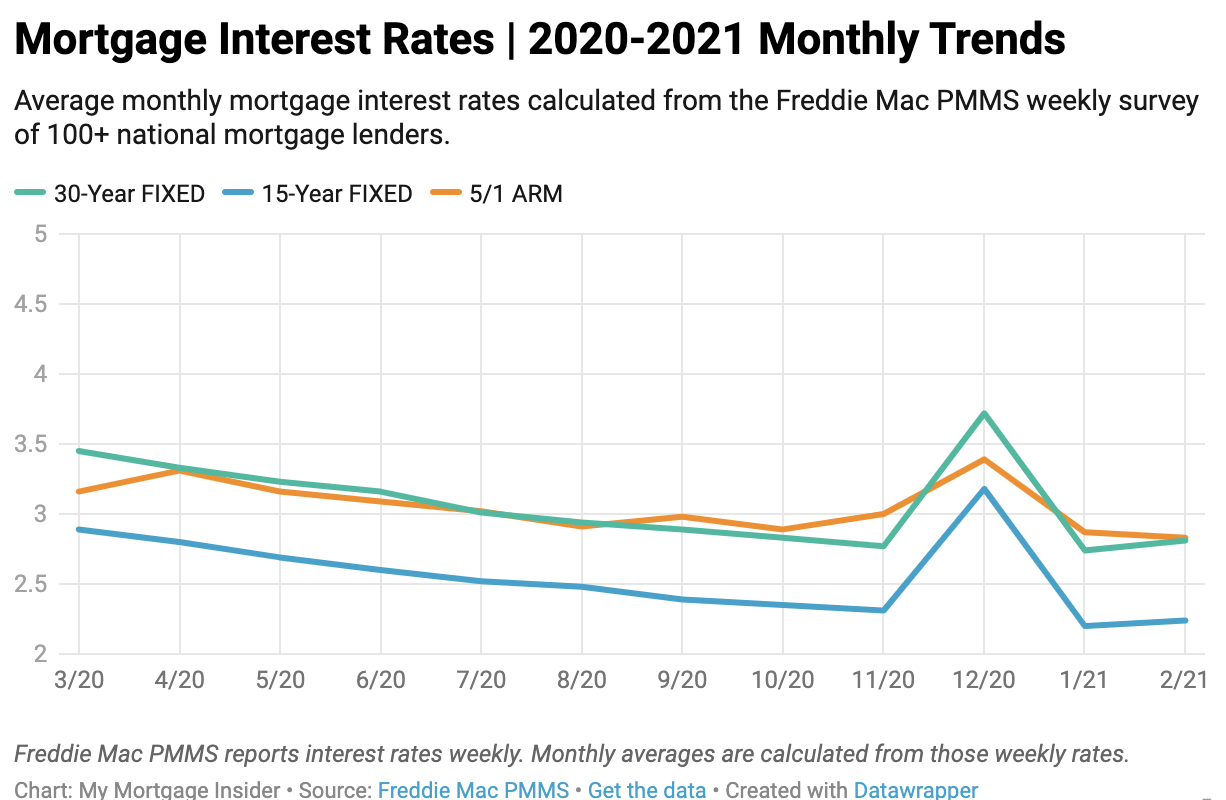
The structure of your interest rate is the first decision point in the mortgage process. Fixed-rate mortgages are the gold standard for stability. Whether it is a 15-year or 30-year term, the interest rate remains identical from the first payment to the last. This protects the borrower from market volatility and inflation, making it an ideal choice for those planning to stay in their homes long-term.
Conversely, Adjustable-Rate Mortgages (ARMs) offer an interest rate that changes periodically after an initial “teaser” period. For example, a 5/1 ARM has a fixed rate for the first five years, after which the rate adjusts annually based on market indices. While ARMs often start with lower rates than fixed-rate loans, they carry the risk of significant payment increases if market rates rise. In a professional financial strategy, ARMs are typically used by those who intend to sell or refinance before the adjustment period begins.
The Role of the Federal Reserve and Market Benchmarks
A common misconception is that the Federal Reserve sets mortgage rates directly. In reality, mortgage rates are influenced by the movement of the 10-year Treasury bond yield. However, the Federal Reserve’s “Federal Funds Rate”—the rate at which banks lend to each other overnight—creates a ripple effect. When the Fed raises rates to combat inflation, the cost of borrowing increases across the economy, leading lenders to hike mortgage rates to maintain their profit margins. Understanding this relationship is crucial for timing a home purchase in a fluctuating economy.
Factors That Determine Your Personal Mortgage Rate
While the broader economy sets the “floor” for interest rates, your personal financial profile determines the “spread”—the additional percentage a lender adds based on the risk you represent. Two borrowers applying on the same day for the same house may receive vastly different rate quotes.
Credit Scores and Financial History
Your credit score is perhaps the most powerful tool in your financial arsenal. Lenders use the FICO score to categorize borrowers into risk tiers. Those with “Excellent” credit (typically 740 and above) are rewarded with the lowest available rates because they have a proven track record of timely debt repayment. Even a 0.5% difference in interest rate due to a lower credit score can result in an extra $50,000 to $100,000 in interest payments over a 30-year period on a standard residential loan.
Loan-to-Value (LTV) Ratio and Down Payments
The Loan-to-Value ratio measures the amount of the loan against the appraised value of the property. A higher down payment reduces the LTV, meaning the lender has less capital at risk. If you provide a 20% down payment, you not only avoid Private Mortgage Insurance (PMI) but also signal to the lender that you have significant “skin in the game.” This lower risk profile often translates into a more competitive interest rate.
Debt-to-Income (DTI) Ratios
Financial institutions also look at your Debt-to-Income ratio to ensure you can afford the monthly payments alongside your existing obligations (such as car loans, student debt, or credit card balances). A high DTI suggests that a borrower is overextended, which may lead a lender to increase the interest rate to offset the perceived risk of default. Maintaining a DTI below 36% is generally considered the threshold for securing premium financing terms.
The Broader Economic Drivers of Interest Rate Fluctuations
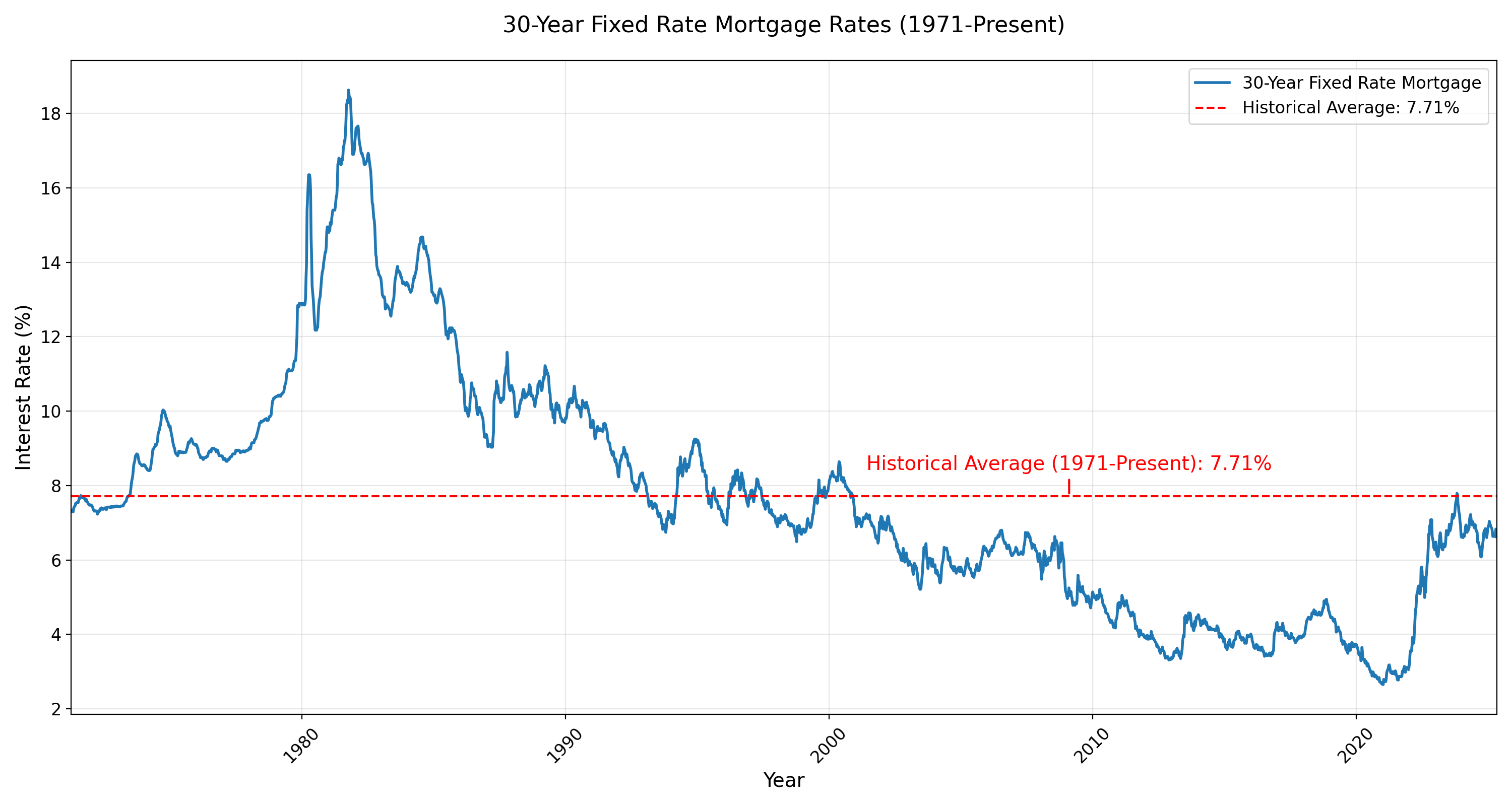
Mortgage rates are a barometer for the health of the national economy. They fluctuate daily based on data releases, geopolitical events, and investor sentiment.
Inflation and Its Impact on Lending
Inflation is the greatest enemy of fixed-income investments like mortgages. If a bank lends money at a 4% interest rate but inflation rises to 5%, the bank is effectively losing purchasing power on the money it receives back. Therefore, when inflation expectations rise, lenders demand higher interest rates to preserve their real return. This is why mortgage rates often skyrocket during periods of economic overheating and tend to stabilize when inflation is under control.
The Secondary Mortgage Market and MBS
Most local banks do not hold your mortgage for 30 years. Instead, they bundle loans into “Mortgage-Backed Securities” (MBS) and sell them to investors on the secondary market. The price investors are willing to pay for these securities directly dictates the interest rates offered to consumers. If there is high demand for safe, yield-generating assets, mortgage rates may stay low even if other sectors of the economy are struggling.
Strategic Ways to Secure the Best Possible Rate
Securing a favorable interest rate is not a matter of luck; it is a result of proactive financial planning and market awareness.
Comparison Shopping and the Role of Brokers
Many homebuyers make the mistake of accepting the first rate quote they receive from their primary bank. However, mortgage rates can vary significantly between retail banks, credit unions, and online lenders. Engaging a mortgage broker can be a strategic move, as they have access to a wholesale network of lenders and can shop your profile to find the most competitive “par rate.” Research suggests that getting at least three quotes can save a borrower an average of $1,500 to $3,000 upfront and much more over the life of the loan.
Buying Down the Rate with Discount Points
For borrowers with extra cash on hand, “buying points” is a way to trade upfront capital for a lower long-term interest rate. One mortgage point typically costs 1% of the total loan amount and reduces the interest rate by approximately 0.25%. This is a mathematical calculation of the “break-even point.” If the monthly savings from the lower rate recoup the cost of the points within five to seven years, and you plan to stay in the home longer than that, buying points is a sound financial investment.
Timing the Market vs. Time in the Market
While everyone wants to “lock in” at the bottom of a rate cycle, timing the market is notoriously difficult. A more professional approach is to focus on your personal “readiness.” If your finances are stable and you find a property that meets your needs, the ability to refinance in the future provides a safety net. If rates drop later, you can replace your high-interest loan with a lower one. If rates rise, you will be glad you locked in when you did.
The Long-Term Wealth Implications of Interest Rates
In the realm of personal finance, the mortgage interest rate is more than just a monthly bill; it is a factor in your overall net worth. A lower interest rate allows a larger portion of your monthly payment to go toward the “principal” (the actual balance of the loan) rather than the “interest” (the profit for the bank). This accelerates the building of home equity, which is a primary driver of wealth for the middle and upper class.
Furthermore, in a low-interest-rate environment, the “opportunity cost” of capital is lower. If you secure a mortgage at 3% while the stock market returns an average of 7-10%, it may be financially wiser to carry the mortgage and invest your surplus cash elsewhere. Conversely, in a high-interest-rate environment, paying down a mortgage aggressively can be seen as a guaranteed return on investment equal to the interest rate saved.
Ultimately, understanding what mortgage interest rates are and how they function allows you to transition from a passive borrower to an active investor in your own future. By monitoring economic trends, maintaining a pristine financial profile, and employing strategic borrowing techniques, you can ensure that the cost of your home remains a tool for wealth creation rather than a burden on your financial freedom.
aViewFromTheCave is a participant in the Amazon Services LLC Associates Program, an affiliate advertising program designed to provide a means for sites to earn advertising fees by advertising and linking to Amazon.com. Amazon, the Amazon logo, AmazonSupply, and the AmazonSupply logo are trademarks of Amazon.com, Inc. or its affiliates. As an Amazon Associate we earn affiliate commissions from qualifying purchases.