
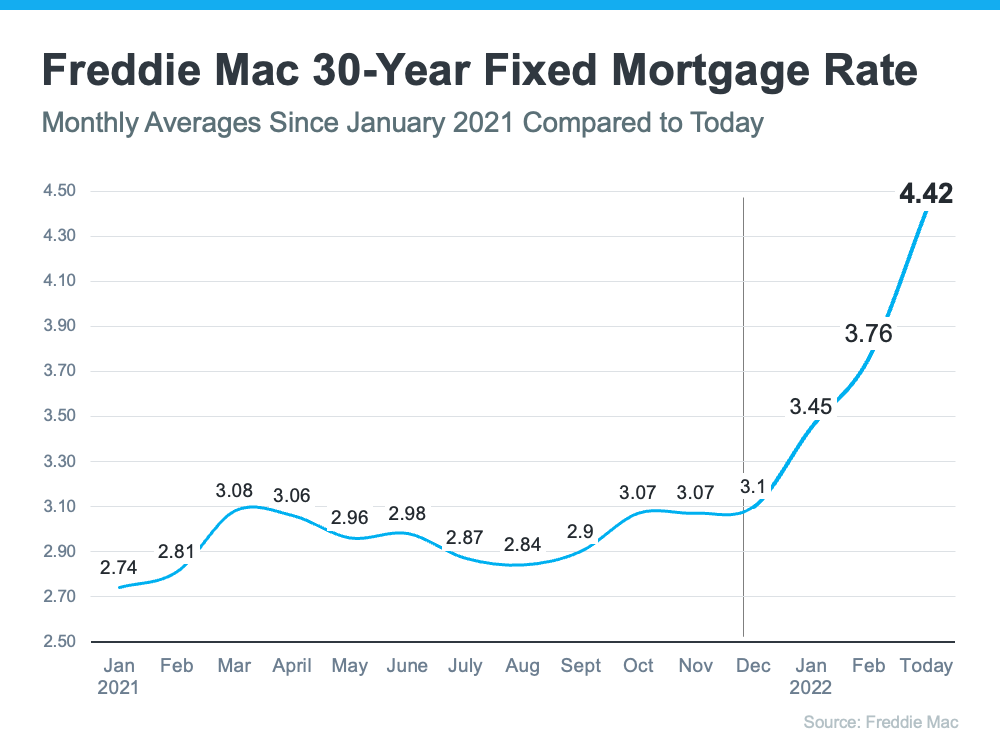
In the realm of personal finance, few numbers carry as much weight as the current mortgage interest rate. Whether you are a first-time homebuyer, a seasoned real estate investor, or a homeowner looking to refinance, the prevailing interest rate is the primary lever that determines your monthly payment and the total cost of borrowing over the life of a loan. In recent years, the mortgage landscape has shifted from historic lows to a more volatile, higher-rate environment, leaving many to wonder what “normal” actually looks like in today’s economy.
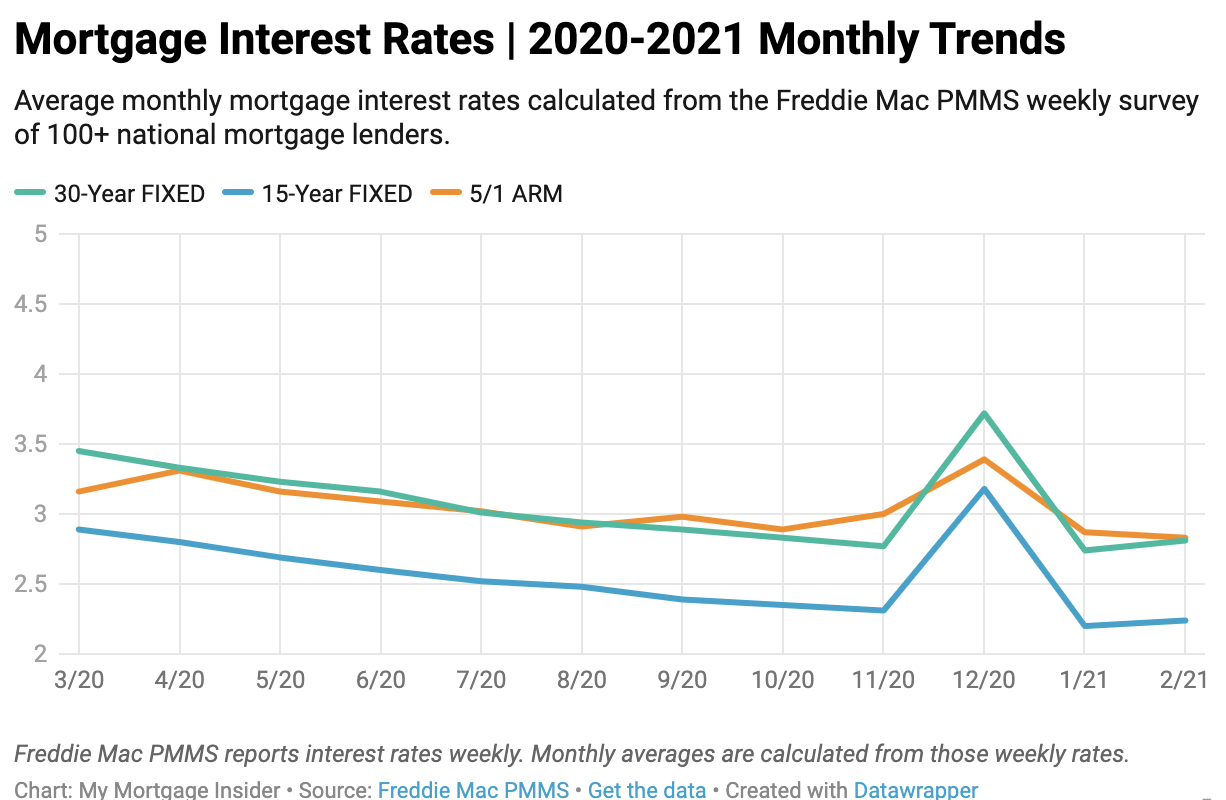
Understanding mortgage rates requires looking beyond a single percentage point. It involves analyzing macroeconomic trends, personal financial health, and the strategic choices available to borrowers. This article provides a deep dive into the current state of mortgage rates, the factors that drive them, and how you can position yourself to secure the best possible terms for your financial future.
1. The Macroeconomic Landscape: Why Mortgage Rates Fluxuate
Mortgage interest rates do not exist in a vacuum. They are a reflection of the broader economic climate, influenced by inflation, employment data, and investor sentiment. When the economy is growing rapidly and inflation is rising, interest rates generally trend upward to prevent the economy from overheating. Conversely, during a recession, rates often drop to encourage borrowing and spending.
The Role of Inflation and Treasury Yields
One of the most significant drivers of mortgage rates is inflation. Lenders must charge an interest rate that compensates for the eroding purchasing power of money over time. If inflation is high, lenders demand higher yields to protect their margins. Furthermore, mortgage rates are closely tied to the 10-year Treasury note yield. While they do not move in perfect lockstep, they generally trend in the same direction. When investors see risk in the market, they may flock to the safety of government bonds, driving yields down and often pulling mortgage rates with them.
Market Volatility and Investor Demand
Mortgage-backed securities (MBS) are the vehicles through which most mortgages are funded. These are bundles of home loans sold to investors on the secondary market. The “current rate” is largely dictated by how much yield investors demand to hold these securities. If there is high demand for MBS, rates can remain lower; if investors are wary of the housing market or find better returns elsewhere, rates will rise to attract capital.
The Global Economic Context
In our interconnected global economy, events overseas can also impact what you pay for a home in your local neighborhood. Geopolitical tensions, global supply chain issues, and the monetary policies of central banks in Europe or Asia can all cause ripples in the U.S. bond market, which eventually manifest as shifts in domestic mortgage rates.
2. The Federal Reserve’s Influence on Your Home Loan
A common misconception in personal finance is that the Federal Reserve directly sets mortgage rates. In reality, the Fed sets the “federal funds rate,” which is the interest rate banks charge each other for overnight loans. However, the Fed’s actions have a powerful indirect effect on what consumers pay for long-term debt.
Quantitative Tightening and Interest Rate Hikes
When the Federal Reserve identifies that inflation is exceeding its 2% target, it typically raises the federal funds rate. This move makes borrowing more expensive throughout the economy. While this doesn’t mean a 0.25% hike by the Fed results in an immediate 0.25% hike in mortgage rates, it sets a baseline. Additionally, the Fed’s policy regarding its balance sheet—specifically whether it is buying or selling mortgage-backed securities—significantly influences the liquidity of the mortgage market and, by extension, the interest rates offered to consumers.
Interpreting Fed Signals for Future Planning
Savvy borrowers watch the “Fed Minutes” and the speeches of Fed officials for clues about future rate movements. If the Federal Reserve signals a “hawkish” stance (inclined to raise rates to fight inflation), mortgage rates often preemptively climb. If they signal a “dovish” stance (inclined to lower rates to support growth), rates may begin to soften even before an official rate cut occurs.
The Lag Effect in Real Estate Finance
It is important to understand the lag effect. The housing market is a massive ship that turns slowly. While bond markets react instantly to news, retail mortgage lenders may take days or weeks to adjust their pricing. This window of time can sometimes offer a strategic opportunity for borrowers to lock in a rate before the full impact of a market shift is realized.
3. Personal Factors: How Your Financial Profile Shapes Your Rate
While the “headline rate” you see in the news is an average, the actual rate you are offered is highly individualized. Lenders assess risk based on several key pillars of your personal financial profile. Understanding these can help you optimize your standing before applying for a loan.

The Power of the Credit Score
Your FICO score is perhaps the single most important factor in determining your interest rate. Borrowers with scores above 760 are typically offered the lowest available rates, as they represent the lowest risk of default. Conversely, a score in the 600s might result in a rate that is 1% to 2% higher than the prime rate, which can equate to tens of thousands of dollars in extra interest over the life of the loan.
Loan-to-Value (LTV) and Down Payments
The amount of equity you have in a property influences the lender’s risk. A higher down payment (lower LTV ratio) signals to the lender that you are deeply invested in the asset. Most lenders offer better rates to those who can put down 20% or more, as it eliminates the need for Private Mortgage Insurance (PMI) and provides a safety buffer in case of a market downturn.
Debt-to-Income (DTI) Ratio and Employment Stability
Lenders want to ensure you have the cash flow to manage your monthly payments. Your DTI ratio—the percentage of your gross monthly income that goes toward paying debts—is a critical metric. A DTI below 36% is generally considered healthy. Furthermore, a consistent employment history in the same field provides lenders with confidence that your income stream is reliable, which can occasionally help in securing more favorable loan terms.
4. Strategies for Securing a Lower Rate in Any Market
Even in a high-rate environment, there are strategic financial moves that can lower your cost of borrowing. These tactics require upfront capital or diligent research but often pay for themselves quickly.
Buying Down the Rate with Discount Points
Borrowers have the option to pay “points” at closing to permanently lower their interest rate. One point typically costs 1% of the total loan amount and reduces the interest rate by approximately 0.25%. This is a “prepayment” of interest. To decide if this is a smart move, you must calculate the “break-even point”—how many months of lower payments it will take to recoup the upfront cost of the points.
The Importance of Rate Shopping
Not all lenders are created equal. Large national banks, credit unions, and online mortgage brokers all have different overhead costs and risk appetites. By obtaining quotes from at least three different lenders, you can often find a spread of 0.25% to 0.50% in the rates offered. On a $400,000 mortgage, even a 0.25% difference can save you over $20,000 in interest over 30 years.
Utilizing Rate Locks Effectively
Because mortgage rates can change multiple times in a single day, a “rate lock” is a vital tool. Once you find a rate you are comfortable with, a lender can guarantee that rate for a set period (usually 30 to 60 days) while your loan is processed. Some lenders even offer “float-down” provisions, which allow you to lock in a rate but still take advantage of it if rates drop further before you close.
5. Navigating Different Mortgage Products and Their Costs
The “current rate” also depends on the type of loan you choose. Different financial structures carry different levels of risk and reward.
Fixed-Rate vs. Adjustable-Rate Mortgages (ARMs)
The 30-year fixed-rate mortgage is the gold standard for stability, but it often carries a higher interest rate than shorter-term products. Adjustable-rate mortgages (ARMs) typically offer a lower introductory rate for a set period (e.g., 5 or 7 years). While ARMs can be risky if rates rise in the future, they can be a savvy financial tool for those who plan to sell or refinance before the adjustment period begins.
Government-Backed Loans: FHA, VA, and USDA
For those who may not qualify for conventional financing, government-backed loans offer an alternative. FHA loans often have competitive interest rates for those with lower credit scores, though they require mortgage insurance premiums. VA loans for veterans often offer the lowest rates on the market with no down payment required, making them one of the most powerful wealth-building tools for military families.
Jumbo Loans and High-Balance Considerations
If you are purchasing a luxury property or a home in a high-cost area, you may require a “jumbo loan”—a loan that exceeds the conforming limits set by Fannie Mae and Freddie Mac. Because these loans cannot be easily sold to the government-sponsored enterprises, they often carry different interest rate structures, sometimes even lower than conventional rates depending on the liquidity in the private banking sector.
Conclusion: Taking Control of Your Financial Future
While you cannot control the global economy or the decisions of the Federal Reserve, you have significant control over how you interact with the mortgage market. Staying informed about current trends is the first step toward making a sound financial decision. By maintaining a strong credit profile, saving for a substantial down payment, and shopping aggressively for the best terms, you can mitigate the impact of high interest rates.
In the long run, a mortgage is more than just a monthly payment; it is a strategic debt that allows you to build equity in a tangible asset. By understanding the nuances of how rates are set and how they apply to your specific situation, you can navigate the complexities of the current market with confidence and secure a financial foundation for years to come.
aViewFromTheCave is a participant in the Amazon Services LLC Associates Program, an affiliate advertising program designed to provide a means for sites to earn advertising fees by advertising and linking to Amazon.com. Amazon, the Amazon logo, AmazonSupply, and the AmazonSupply logo are trademarks of Amazon.com, Inc. or its affiliates. As an Amazon Associate we earn affiliate commissions from qualifying purchases.