
In the complex ecosystem of personal finance, few figures carry as much weight as the mortgage interest rate. For the average individual, a home is the most significant investment they will ever make, and the interest rate attached to that purchase dictates the trajectory of their financial health for decades. As we navigate a shifting economic landscape, understanding what determines the current interest rate on a mortgage is not merely an academic exercise—it is a vital tool for wealth preservation and strategic planning.
To understand where rates stand today, one must look beyond the simple percentage point. Mortgage rates are a reflection of global bond markets, central bank policies, and the collective risk appetite of lenders. This guide delves into the mechanics of mortgage rates, the factors that drive their fluctuations, and the strategies borrowers can use to secure the most favorable terms in an ever-changing market.
The Macroeconomic Drivers of Mortgage Rates
Mortgage rates do not exist in a vacuum. They are deeply tethered to the broader economy and the various mechanisms used by governing bodies to manage growth and stability. When you ask what the “current” rate is, you are essentially asking for a snapshot of the current state of the global financial engine.
The Role of the Federal Reserve and Monetary Policy
While the Federal Reserve does not directly set mortgage rates, its influence is unparalleled. The Fed sets the federal funds rate—the interest rate at which commercial banks borrow and lend to one another overnight. When the Fed raises this rate to combat inflation, it increases the cost of borrowing across the board. Lenders, facing higher costs themselves, pass these increases onto consumers in the form of higher mortgage rates. Conversely, when the Fed lowers rates to stimulate a sluggish economy, mortgage rates typically follow suit, making homeownership more affordable and encouraging spending.
Inflation and the 10-Year Treasury Yield
Inflation is perhaps the greatest enemy of a fixed-income investor. Because mortgages are essentially long-term bonds for the lender, inflation erodes the purchasing power of the future interest payments they receive. To compensate for this risk, lenders demand higher interest rates during periods of high inflation.
Financial analysts often look at the 10-year Treasury yield as a primary benchmark for the 30-year fixed-rate mortgage. There is historically a “spread” or a gap between these two figures. When the economy is volatile, this spread widens as lenders seek a higher “risk premium.” Monitoring the bond market is often the best way to predict where mortgage rates are headed in the short term.
Global Economic Conditions and Market Sentiment
In an interconnected digital economy, events on the other side of the world can impact a mortgage application in a local suburb. Geopolitical instability, global supply chain disruptions, or economic downturns in major foreign markets can lead investors to seek “safe-haven” assets like U.S. Treasuries. This influx of capital into bonds can drive down yields, which may provide downward pressure on mortgage rates.
Analyzing Different Mortgage Products and Their Rate Structures
Not all mortgages are created equal. The “current rate” quoted in news headlines is typically an average for a 30-year fixed-rate loan, but the financial market offers various structures tailored to different risk profiles and investment horizons.
Fixed-Rate Mortgages: Stability and Long-Term Planning
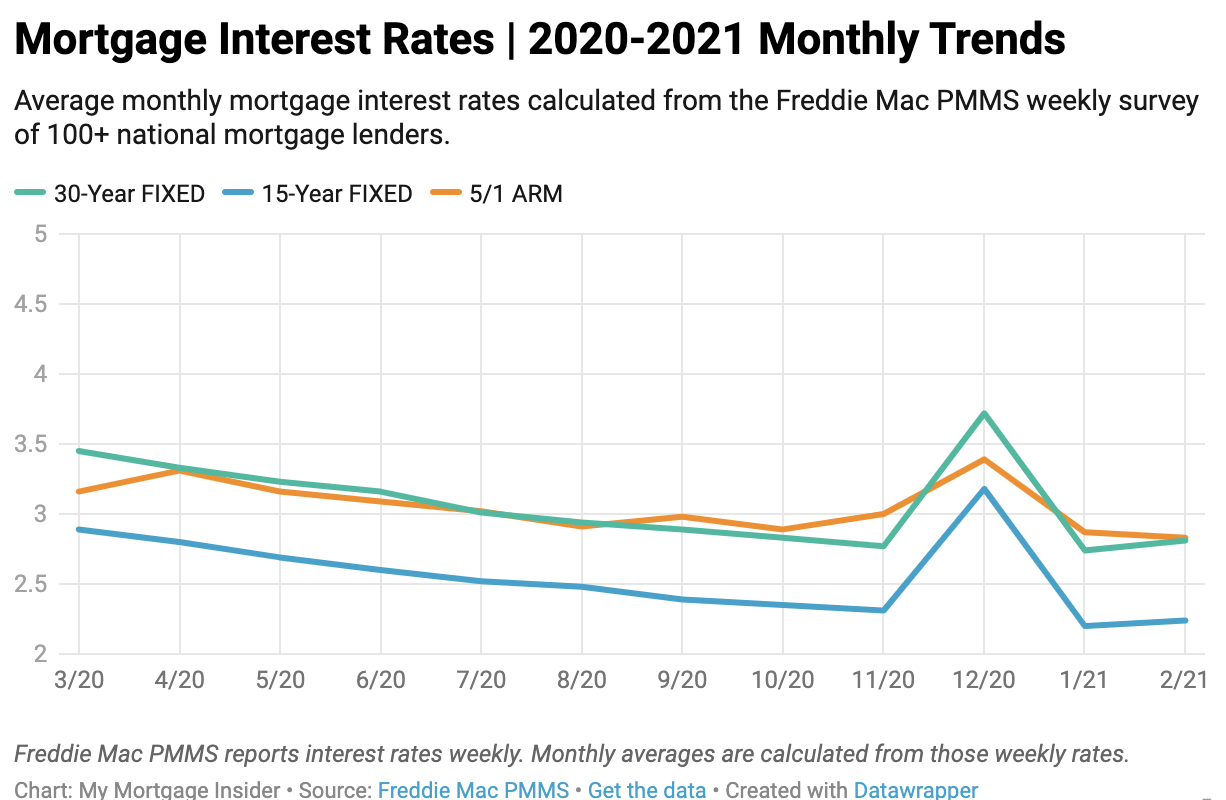
The 30-year fixed-rate mortgage remains the gold standard for American homebuyers. It offers the security of a consistent monthly payment, protecting the borrower from future interest rate hikes. However, because the lender is taking on the risk of inflation for three decades, these loans usually carry a higher interest rate than shorter-term options. A 15-year fixed-rate mortgage, by contrast, typically offers a significantly lower interest rate. While the monthly payments are higher due to the aggressive principal repayment, the total interest paid over the life of the loan is drastically reduced, making it a powerful tool for building equity.
Adjustable-Rate Mortgages (ARMs)
Adjustable-rate mortgages offer a lower initial “teaser” rate for a set period—commonly five, seven, or ten years. After this period, the rate adjusts periodically based on a predetermined financial index. ARMs can be a strategic choice for individuals who plan to sell the property or refinance before the adjustment period begins. However, they carry the risk of “payment shock” if market rates are significantly higher at the time of the adjustment. In a rising rate environment, the spread between ARMs and fixed-rate loans often narrows, making the risk of an ARM less attractive.
Government-Backed Loans: FHA, VA, and USDA
The federal government offers several programs designed to make homeownership accessible. FHA loans, backed by the Federal Housing Administration, often have slightly lower interest rates than conventional loans and allow for lower credit scores. VA loans for veterans often feature the most competitive rates on the market with the added benefit of no down payment. While these rates are attractive, borrowers must often account for mortgage insurance premiums (MIP), which can add to the effective annual percentage rate (APR).
How Personal Financial Health Influences Your Custom Rate

Lenders view interest rates through the lens of risk management. While market forces set the “base” rate, your specific financial profile determines the “add-ons” or “adjustments” a lender will apply to your loan. Understanding these factors allows you to take control of your financial narrative.
The Power of the Credit Score
Your credit score is the single most influential factor in the interest rate you are offered. Lenders use this three-digit number to gauge the likelihood that you will default on your loan. A borrower with a score above 760 will likely receive the lowest available market rate, whereas a borrower with a score in the low 600s may face a rate several percentage points higher. Over 30 years, this seemingly small difference can amount to hundreds of thousands of dollars in interest.
Loan-to-Value (LTV) and the Down Payment
The more “skin in the game” a borrower has, the less risk the lender assumes. The Loan-to-Value ratio represents the percentage of the home’s value that is being financed. A 20% down payment (resulting in an 80% LTV) is the traditional benchmark for avoiding private mortgage insurance (PMI) and securing a better rate. If your LTV is high, the lender may increase the interest rate to offset the increased risk of loss in the event of a foreclosure.
Debt-to-Income Ratio (DTI)
Lenders look at your DTI to ensure you have enough cash flow to cover your mortgage payments alongside your existing obligations (car loans, student debt, credit cards). While a high DTI might not always result in a higher interest rate, it can disqualify you from certain loan products that offer better rates. Maintaining a DTI below 36% is generally considered optimal for securing the best financial terms.
Strategic Navigations in a High-Interest Rate Environment
When interest rates are elevated, the approach to real estate and personal finance must shift from passive observation to active strategy. There are several maneuvers a savvy investor can employ to mitigate the impact of high rates.
Buying Down the Rate with Discount Points
Borrowers have the option to pay “points” upfront at closing to permanently lower their interest rate. One point typically costs 1% of the total loan amount and reduces the rate by about 0.25%. This is a “break-even” calculation: you must determine if you will stay in the home long enough for the monthly savings to exceed the initial cost of the points. In a high-rate environment, buying down the rate can provide significant long-term relief.
The “Date the Rate, Marry the House” Philosophy
This popular real estate mantra suggests that if you find the right property, you should purchase it even if rates are high, with the intention of refinancing later when rates drop. While this is a viable strategy, it requires a disciplined financial cushion. One must ensure they can afford the current payments indefinitely, as there is no guarantee that rates will fall within a specific timeframe.
The Importance of Rate Shopping
Many borrowers make the mistake of only consulting their primary bank. However, mortgage rates can vary significantly between retail banks, credit unions, and non-bank mortgage lenders. Obtaining at least three “Loan Estimates” allows you to compare not just the interest rate, but the closing costs and APR. Even a 0.125% difference in a rate can result in substantial savings over the life of the loan.
The Long-Term Financial Impact of Interest Rates
To truly appreciate the importance of the current mortgage rate, one must look at the total cost of capital. Interest is essentially the price of “renting” money, and that price compounds over time.
Amortization and Interest Front-Loading
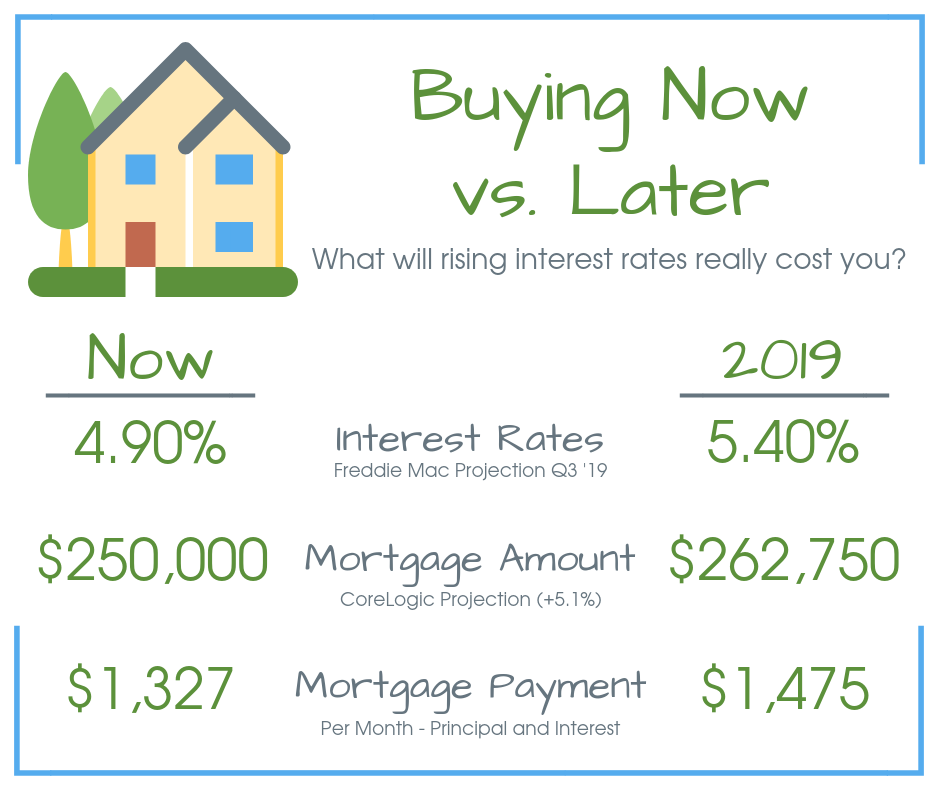
In the early years of a mortgage, a vast majority of the monthly payment goes toward interest rather than the principal balance. This is known as amortization. A higher interest rate extends the time it takes to build meaningful equity in the home. Understanding this schedule is crucial for those who view their home as a primary vehicle for wealth accumulation.
Opportunity Cost and Wealth Building
Every dollar spent on mortgage interest is a dollar that cannot be invested in the stock market, a small business, or a retirement account. High interest rates increase the “opportunity cost” of homeownership. For some, renting and investing the difference in a diversified portfolio may actually yield higher net wealth in a high-interest environment. However, for most, the forced savings of a mortgage and the historical appreciation of real estate remain the most reliable path to financial stability.
Conclusion: Mastering the Rate
The “current interest rate for a mortgage” is a fluid number, a pulse point of the global economy that dictates the terms of your personal financial future. While you cannot control the Federal Reserve or global inflation, you can control your creditworthiness, your down payment strategy, and your diligence in shopping for the best deal.
By staying informed on the macroeconomic factors that drive rates and understanding the various loan products available, you can navigate the housing market with confidence. Whether rates are at historic lows or trending higher, a strategic approach to mortgage financing remains one of the most potent tools in a well-managed financial life. Homeownership is more than just a roof over your head; it is a sophisticated financial play, and the interest rate is the key to unlocking its full potential.
aViewFromTheCave is a participant in the Amazon Services LLC Associates Program, an affiliate advertising program designed to provide a means for sites to earn advertising fees by advertising and linking to Amazon.com. Amazon, the Amazon logo, AmazonSupply, and the AmazonSupply logo are trademarks of Amazon.com, Inc. or its affiliates. As an Amazon Associate we earn affiliate commissions from qualifying purchases.