
The question “What is the mortgage rate right now?” is one of the most frequently asked in the realm of personal finance, and for good reason. For most individuals, a mortgage represents the single largest financial commitment they will ever make. The interest rate attached to that loan directly impacts the monthly payment, the total cost of the home over its lifetime, and ultimately, an individual’s financial flexibility. However, pinpointing a single, definitive “right now” rate is akin to capturing smoke; mortgage rates are a dynamic, ever-fluctuating entity, influenced by a complex interplay of economic indicators, central bank policies, and global market sentiments. They can change not just daily, but sometimes multiple times within a single day.
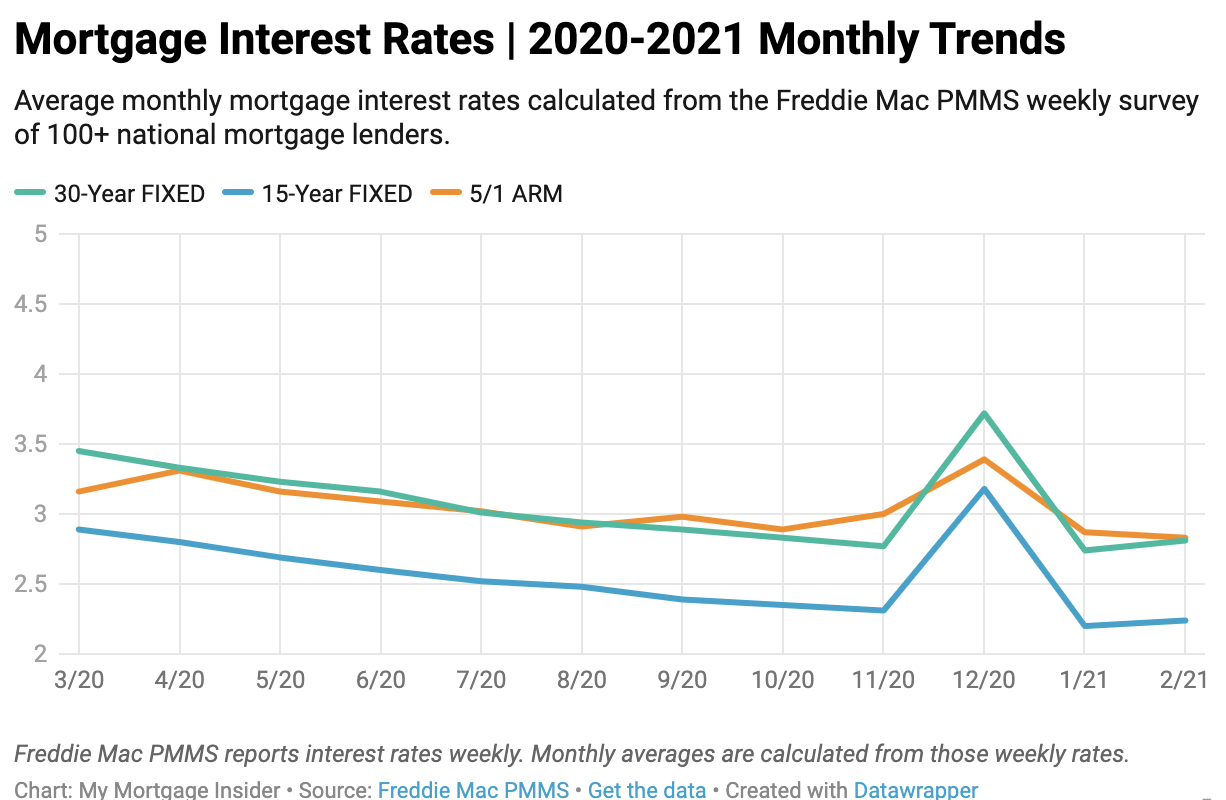
This article aims to demystify current mortgage rates, providing a comprehensive understanding of what drives them, how to find the most accurate real-time information, and strategies to secure the most favorable terms for your financial situation. Whether you are a first-time homebuyer, looking to refinance, or simply tracking the market, grasping the nuances of mortgage rates is crucial for informed decision-making. We will delve into the underlying economic forces, practical tools for rate tracking, and actionable steps you can take to optimize your mortgage journey.
Understanding Current Mortgage Rate Dynamics
Mortgage rates are not arbitrarily set; they are a direct reflection of broader economic conditions and the supply-and-demand forces within the financial markets. To truly understand “what is the mortgage rate right now,” one must first appreciate the intricate web of factors that dictate their movements.
Key Factors Influencing Rates
Several powerful forces exert constant pressure on mortgage rates, causing them to ebb and flow:
- Federal Reserve Policy and the Federal Funds Rate: While the Federal Reserve doesn’t directly set mortgage rates, its monetary policy decisions have a profound indirect impact. When the Fed raises or lowers the federal funds rate (the target rate for overnight lending between banks), it influences the prime rate, which in turn affects various consumer loan products. Mortgage rates, particularly those tied to the 10-year Treasury yield, often move in anticipation of or in response to Fed actions. Higher federal funds rates generally lead to higher borrowing costs across the board, including mortgages.
- Inflation: Inflation, the rate at which the general level of prices for goods and services is rising, is a primary driver of mortgage rates. Lenders need to ensure that the return on their loans outpaces inflation to maintain their purchasing power. If inflation is high or expected to rise, lenders will demand higher interest rates to compensate for the eroded value of future repayments. Conversely, low inflation can allow rates to remain stable or even fall.
- Economic Growth and Employment Data: A strong economy, characterized by robust GDP growth and low unemployment, typically signals higher consumer spending and potential inflationary pressures. This can lead the Fed to tighten monetary policy, pushing rates up. Conversely, a weakening economy or fears of recession often prompt the Fed to loosen policy, which can lead to lower rates as investors seek safer, lower-yield investments like mortgage-backed securities.
- Housing Market Demand: The basic principles of supply and demand also play a role. If there’s high demand for homes but limited inventory, property values can increase, and lenders might slightly adjust rates to manage risk or capitalize on demand. However, this is usually a secondary factor compared to macroeconomic indicators.
- Global Events and Investor Sentiment: Geopolitical events, global economic crises, or shifts in investor confidence can create significant volatility. When global markets are uncertain, investors often flock to safe-haven assets like U.S. Treasury bonds, which can drive down their yields. Since mortgage rates are closely correlated with Treasury yields, this can lead to lower mortgage rates.
Fixed vs. Adjustable Rates: A Brief Overview
When inquiring about mortgage rates, it’s essential to distinguish between the two primary types:
- Fixed-Rate Mortgages: These loans maintain the same interest rate for the entire life of the loan (e.g., 15-year or 30-year fixed). Your monthly principal and interest payment remains constant, offering predictability and stability. Most “current mortgage rate” discussions primarily refer to fixed rates.
- Adjustable-Rate Mortgages (ARMs): ARMs start with a lower fixed interest rate for an initial period (e.g., 3, 5, 7, or 10 years) and then adjust periodically (e.g., annually) based on a specified market index. While the initial rate might be attractive, the risk lies in potential future increases, which can significantly raise monthly payments.
The Importance of APR vs. Interest Rate
While the interest rate is the headline number, the Annual Percentage Rate (APR) provides a more comprehensive picture of the true cost of borrowing. The APR includes the interest rate plus certain upfront costs associated with the loan, such as points, broker fees, and other charges. When comparing loan offers, always look at the APR, as it allows for a more accurate comparison of the overall cost. A lower interest rate might look appealing, but a higher APR could indicate hidden fees that make it more expensive in the long run.
How to Find the Most Up-to-Date Mortgage Rates
Given their dynamic nature, knowing where to find reliable, real-time mortgage rate information is paramount. Relying on outdated figures can lead to missed opportunities or unrealistic expectations.
Online Mortgage Rate Trackers and Calculators
The internet is a powerful tool for monitoring mortgage rates. Numerous reputable financial websites, news outlets, and mortgage-specific platforms offer daily updates on prevailing rates. These typically include national averages for various loan types (30-year fixed, 15-year fixed, FHA, VA, etc.).
- Financial News Websites: Major financial news organizations often feature dedicated sections for mortgage rates, providing daily averages and analysis.
- Mortgage Lender Websites: Many large mortgage lenders publish their current rates directly on their websites. This can give you a quick snapshot, though these are often “teaser” rates that require specific qualifications.
- Comparison Platforms: Websites specializing in mortgage comparisons allow you to input your specific financial details (credit score range, down payment, location) to get personalized rate quotes from multiple lenders. This is often the most effective way to gauge what you might qualify for.
- Rate Calculators: While not providing live rates, these tools help you understand how different rates impact your monthly payment and total loan cost, allowing for better budgeting and scenario planning.
When using online tools, remember that displayed rates are often averages or best-case scenarios. Your actual rate will depend on your specific financial profile.
Consulting with Mortgage Lenders and Brokers
For the most accurate and personalized rate information, direct consultation is indispensable.
- Direct Lenders (Banks, Credit Unions, Online Lenders): Contacting individual banks, credit unions, or online mortgage lenders allows you to get specific rate quotes based on your unique financial situation (credit score, debt-to-income ratio, down payment, property type, location). They can pre-qualify or pre-approve you, giving you concrete numbers.
- Mortgage Brokers: A mortgage broker acts as an intermediary, working with multiple lenders to find you the best rates and terms. They can shop around on your behalf, potentially saving you time and money. They earn a commission, which might be paid by the lender or, in some cases, by you. It’s crucial to understand their fee structure upfront.
- Loan Officers: These professionals at lending institutions can provide detailed explanations of different loan products, current rates, and the qualification process. They are your primary point of contact for navigating the mortgage application.
Understanding Rate Locks
Once you receive a desirable rate quote, inquire about a rate lock. A rate lock guarantees that the interest rate offered will remain the same for a specified period (e.g., 30, 45, or 60 days) while your loan application is processed. This protects you from potential rate increases before closing. Be aware that some lenders might charge a fee for a rate lock, especially for longer durations. If rates drop significantly after you’ve locked, some lenders may offer a “float down” option, but this is not universally available and often comes with a fee.
Strategies for Securing a Favorable Mortgage Rate
Knowing the current rates is one thing; securing the best possible rate for yourself is another. A few strategic steps can significantly impact the interest rate you qualify for.
Improving Your Credit Score
Your credit score is arguably the most critical factor lenders consider. A higher credit score (generally 740+) indicates a lower risk to lenders, making you eligible for the most competitive rates.
- Pay Bills on Time: Payment history is the largest component of your credit score.
- Reduce Debt: Lowering your credit utilization ratio (the amount of credit you’re using compared to your total available credit) can boost your score.
- Avoid New Credit Applications: Each new application can temporarily ding your score.
- Check Your Credit Report for Errors: Dispute any inaccuracies that could be dragging down your score.
Making a Larger Down Payment
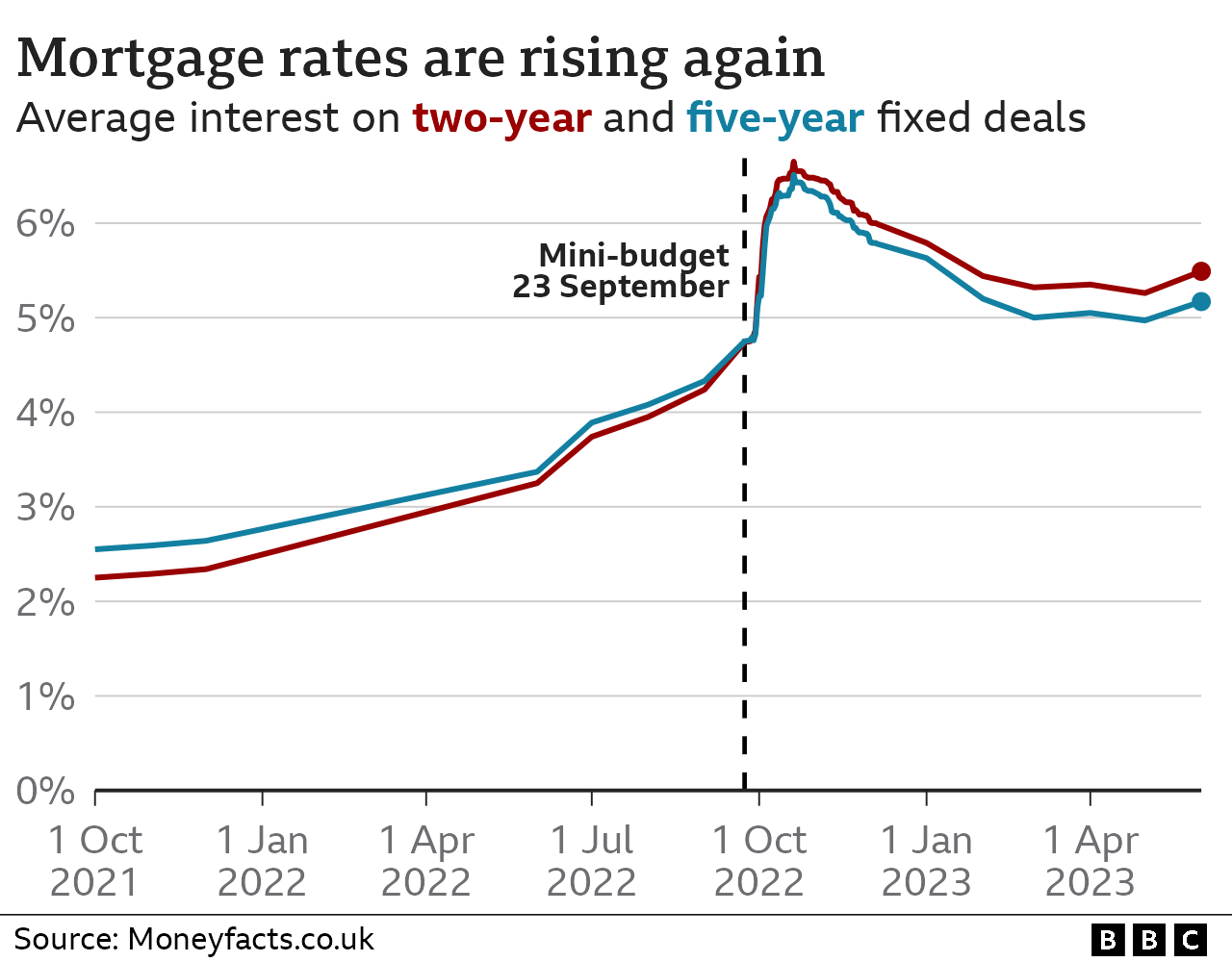
A larger down payment reduces the amount you need to borrow and signals greater financial stability to lenders. It also lowers the loan-to-value (LTV) ratio, which reduces the lender’s risk.
- Lower Principal: Less borrowed means less interest paid over time.
- Reduced Risk: Lenders are more likely to offer better rates for lower-risk loans.
- Avoid PMI: If you put down less than 20% on a conventional loan, you typically have to pay Private Mortgage Insurance (PMI), an additional monthly cost that increases your housing expenses.
Shopping Around and Comparing Offers
This cannot be stressed enough. Never settle for the first rate quote you receive. Different lenders have different overheads, risk assessments, and pricing structures.
- Get Multiple Quotes: Contact at least three to five different lenders (banks, credit unions, mortgage brokers) and compare their offers side-by-side.
- Compare APR, Not Just Interest Rate: As discussed, APR gives you the full picture of the loan’s cost.
- Negotiate: Don’t be afraid to use a competitive offer from one lender to negotiate a better deal with another.
Refinancing Considerations
If you already own a home, monitoring current rates is crucial for potential refinancing opportunities. Refinancing involves replacing your existing mortgage with a new one, often to secure a lower interest rate, change the loan term, or convert an ARM to a fixed-rate loan.
- Lower Monthly Payments: A reduced interest rate can significantly cut your monthly outlay.
- Shorter Loan Term: Refinancing to a 15-year fixed mortgage, for example, can save you substantial interest over the life of the loan, though your monthly payments might increase.
- Cash-Out Refinance: Some homeowners use refinancing to tap into their home equity, but this should be approached cautiously and only if the new rate and terms are still favorable.
- Break-Even Point: Always calculate the break-even point for refinancing, which is how long it will take for the savings from a lower interest rate to offset the closing costs of the new loan.
The Broader Economic Context and Future Outlook
Understanding current mortgage rates also requires an appreciation of the broader economic landscape and what experts predict for the future. While no one has a crystal ball, certain trends and indicators can offer valuable insights.
Impact of Central Bank Policies
The Federal Reserve’s stance on monetary policy is paramount. If the Fed signals an aggressive tightening cycle (raising rates), mortgage rates are likely to trend upward. Conversely, a dovish stance (lowering rates or keeping them stable) can lead to lower or stable mortgage rates. Staying informed about Fed meetings, press conferences, and economic projections is key. Market participants constantly try to anticipate the Fed’s next move, and these expectations are often priced into current rates.
Inflationary Pressures and Their Role
The trajectory of inflation is a powerful determinant. Persistent high inflation will almost certainly keep mortgage rates elevated as lenders seek to protect their returns. Supply chain issues, energy costs, and wage growth are all factors that contribute to inflation. When these pressures ease, there’s a greater chance for rates to stabilize or even decline. Government fiscal policy, such as large spending packages, can also inject liquidity into the economy and potentially fuel inflation, further impacting rates.
Expert Predictions and Market Trends
Economists and housing market analysts regularly publish forecasts for mortgage rates. While these are educated guesses, they can provide a general direction. Look for consensus among reputable sources. Key trends to watch include:
- 10-Year Treasury Yield: Mortgage rates are highly correlated with the yield on the 10-year U.S. Treasury bond. When Treasury yields rise, mortgage rates generally follow suit.
- Economic Data Releases: Unemployment reports, Consumer Price Index (CPI), Producer Price Index (PPI), and GDP figures all influence market sentiment and rate expectations.
- Housing Market Inventories: While not a direct driver of rates, changes in housing inventory can reflect broader economic health and demand, which indirectly affects lender behavior and rate adjustments.
It’s important to remember that forecasts are subject to change based on new economic data and unforeseen global events. The best approach is to stay informed and be prepared for various scenarios.
Beyond the Rate: Other Costs to Consider
While the interest rate is a critical component, it’s only one piece of the overall mortgage puzzle. A holistic view requires understanding all associated costs.
Closing Costs and Fees
Closing costs are an array of fees paid at the closing of a real estate transaction. These can range from 2% to 5% of the loan amount and significantly impact your out-of-pocket expenses.
- Lender Fees: Origination fees, underwriting fees, application fees.
- Third-Party Fees: Appraisal fees, inspection fees, title insurance, recording fees, attorney fees.
- Prepaid Items: Property taxes and homeowner’s insurance premiums that are paid in advance.
Escrow Accounts and Property Taxes/Insurance
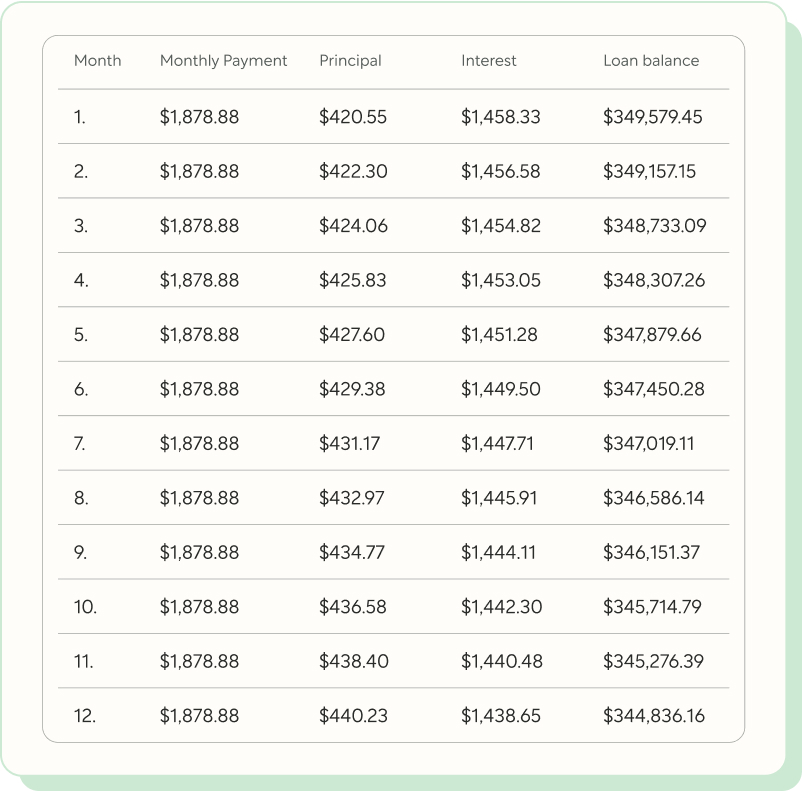
Many lenders require an escrow account, especially if you have a lower down payment. This account holds funds for your property taxes and homeowner’s insurance premiums, which are collected as part of your monthly mortgage payment. While convenient, it means your monthly payment is higher than just the principal and interest. It’s crucial to understand how these costs are calculated and how they might change over time.
Understanding Loan Terms and Types
Finally, the type of loan you choose beyond fixed or adjustable also impacts the overall cost and suitability.
- Conventional Loans: The most common type, offering flexibility for well-qualified borrowers.
- FHA Loans: Backed by the Federal Housing Administration, these are popular for first-time buyers and those with lower credit scores or smaller down payments, but they come with mortgage insurance premiums (MIP).
- VA Loans: Guaranteed by the Department of Veterans Affairs, offering favorable terms (often no down payment and no PMI) for eligible veterans, service members, and their spouses.
- USDA Loans: For rural properties, offering no-down-payment options for eligible low-to-moderate income borrowers.
Each loan type has its own specific eligibility requirements, interest rate considerations, and associated costs. A good loan officer will help you navigate these options to find the best fit for your circumstances.
In conclusion, “what is the mortgage rate right now?” is a complex question with a dynamic answer. By understanding the economic forces at play, utilizing reliable tracking tools, strategically preparing your finances, and looking beyond just the interest rate, you can empower yourself to make intelligent, cost-effective decisions on your home financing journey. Always seek personalized advice from qualified mortgage professionals to ensure your choices align with your long-term financial goals.
aViewFromTheCave is a participant in the Amazon Services LLC Associates Program, an affiliate advertising program designed to provide a means for sites to earn advertising fees by advertising and linking to Amazon.com. Amazon, the Amazon logo, AmazonSupply, and the AmazonSupply logo are trademarks of Amazon.com, Inc. or its affiliates. As an Amazon Associate we earn affiliate commissions from qualifying purchases.