
The question of “what is the current interest rate on mortgages” is more than a simple inquiry into a percentage point; it is a gateway into understanding the broader health of the global economy and one’s personal financial trajectory. For the modern homebuyer or real estate investor, the interest rate is the single most significant variable in the cost of borrowing. A fluctuation of even half a percentage point can result in tens of thousands of dollars in interest paid over the life of a thirty-year loan.
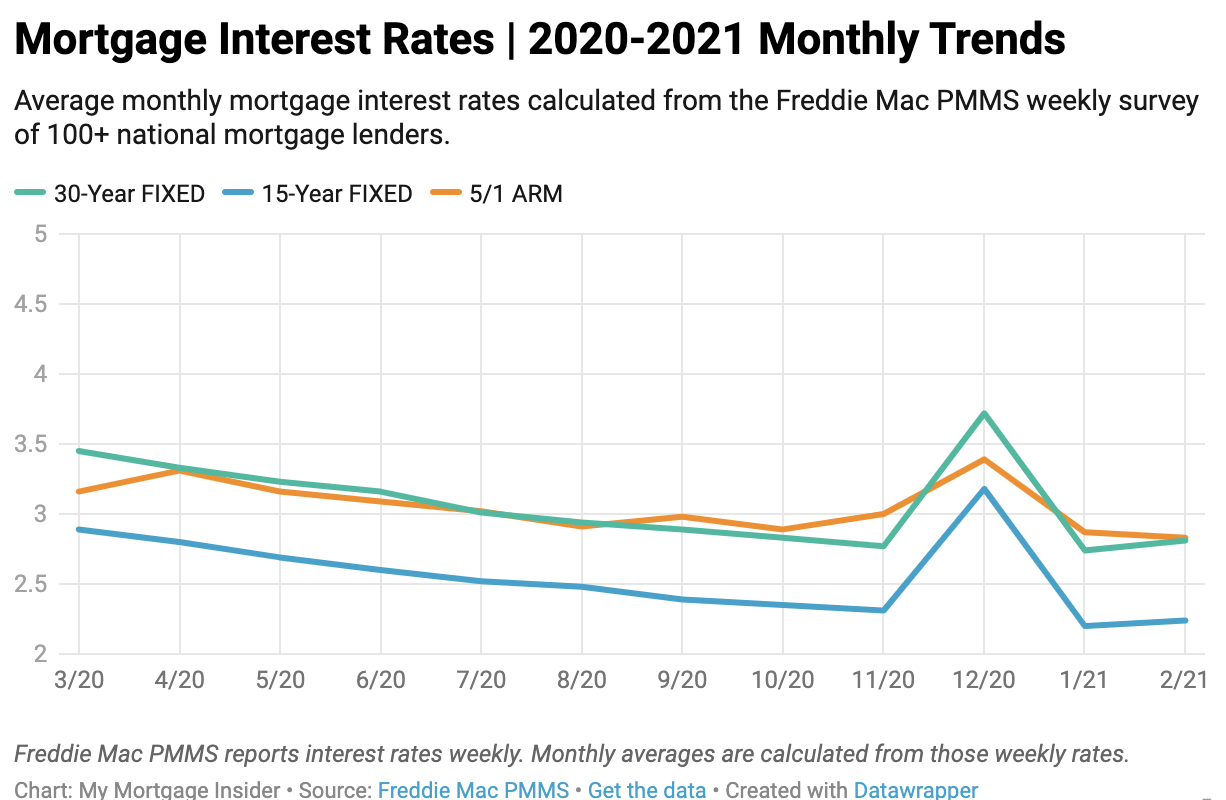
As we navigate a volatile fiscal era, characterized by shifting central bank policies and inflationary pressures, understanding how these rates are determined—and how to secure the best one—is essential for any savvy financial plan. This article explores the mechanics of mortgage rates, the economic forces that drive them, and the personal financial strategies required to navigate the current market.
Understanding the Macroeconomic Drivers of Mortgage Rates
Mortgage rates do not exist in a vacuum. They are the product of complex interactions between government policy, investor sentiment, and global economic health. To understand why rates are where they are today, one must look at the “macro” forces at play.
The Role of the Federal Reserve and Monetary Policy
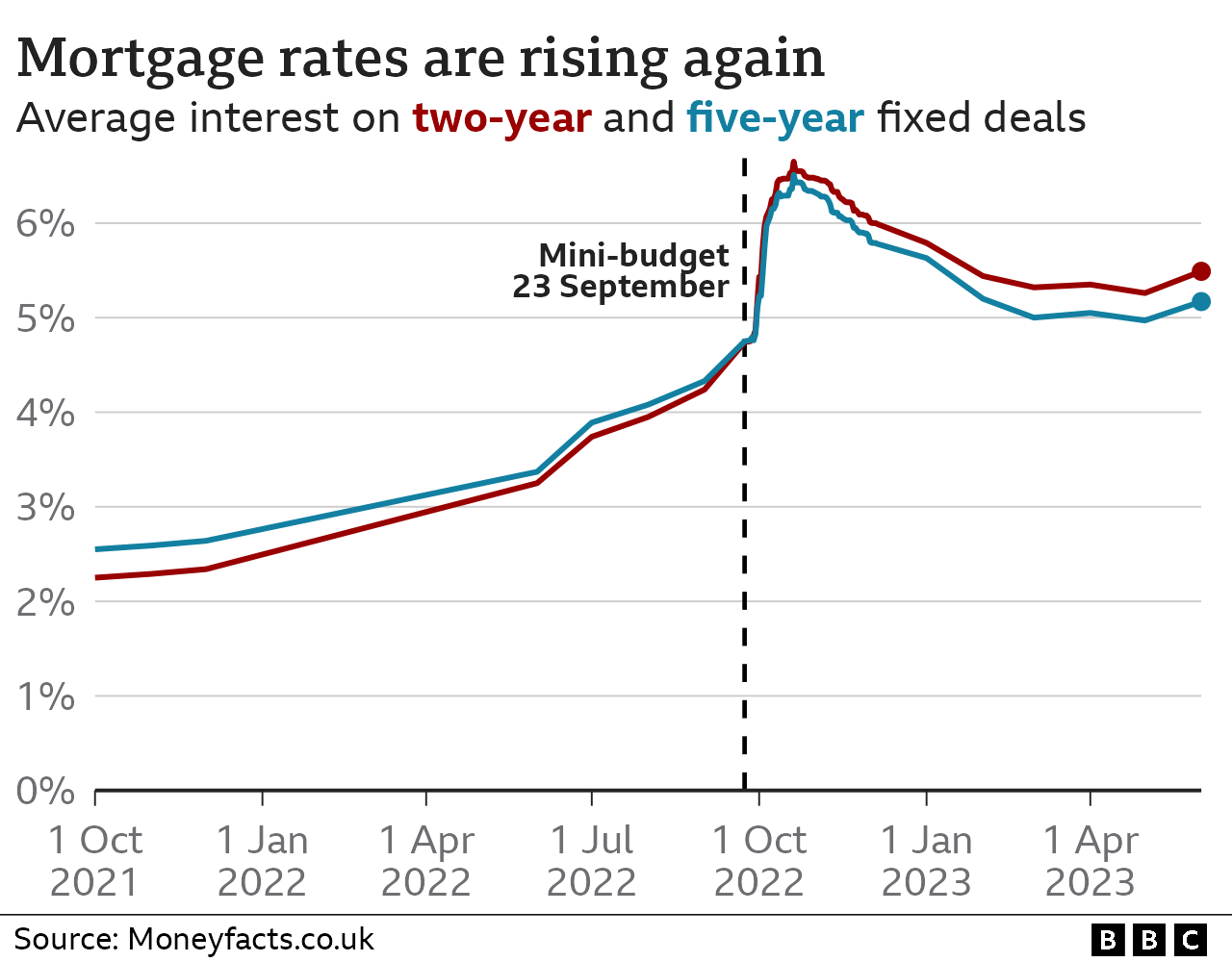
While the Federal Reserve does not directly set mortgage rates, its influence is unparalleled. The Fed sets the federal funds rate—the interest rate at which commercial banks borrow and lend to one another overnight. When the Fed raises rates to combat inflation, the cost of borrowing increases across the board. Mortgage lenders respond by raising their rates to maintain profit margins and account for the increased cost of capital. Conversely, when the economy slows, the Fed may lower rates to stimulate borrowing and spending, often leading to a dip in mortgage costs.
Inflation and the Consumer Price Index (CPI)
Inflation is the silent predator of fixed-income investments. Because mortgages are essentially long-term bonds for the lender, high inflation erodes the value of the future dollars the lender will receive. To compensate for this loss of purchasing power, lenders demand higher interest rates. Financial analysts closely monitor the Consumer Price Index (CPI) and other inflation metrics; when these reports show rising prices, mortgage rates typically follow suit as the market anticipates tighter monetary policy.
The 10-Year Treasury Yield Benchmark
In the financial world, the 30-year fixed-rate mortgage is most closely tied to the yield on the 10-year U.S. Treasury note. Investors often view these two instruments as having similar risk profiles. When the yield on the 10-year Treasury rises, mortgage rates almost always move in tandem. This relationship is driven by the “spread”—the difference between the Treasury yield and the mortgage rate—which covers the lender’s administrative costs and the risk of prepayment or default.
Navigating the Different Types of Mortgage Products
When investigating current rates, it is vital to recognize that there is no “single” rate. The quote a borrower receives depends heavily on the type of loan product they select. Each product carries a different risk profile for the lender, which is reflected in the interest offered.
Fixed-Rate vs. Adjustable-Rate Mortgages (ARMs)
The 30-year fixed-rate mortgage remains the gold standard for stability in personal finance. It offers a predictable monthly payment for three decades, shielding the borrower from future rate hikes. However, because the lender takes on the risk of inflation over thirty years, the interest rate is usually higher than other options.
Adjustable-Rate Mortgages (ARMs), conversely, offer a lower “teaser” rate for an initial period (typically 5, 7, or 10 years). After this period, the rate adjusts annually based on market indices. ARMs can be a strategic choice for those who plan to sell or refinance before the adjustment period begins, but they require a high tolerance for financial risk.
Conventional, FHA, and VA Loan Rates
The “current rate” also fluctuates based on the loan’s backing. Conventional loans, which are not insured by the government, often have stricter requirements but competitive rates for those with high credit scores. Federal Housing Administration (FHA) loans are designed for those with lower credit scores or smaller down payments; while their “sticker” interest rate might look lower, they often come with mandatory mortgage insurance premiums (MIP) that increase the total cost of borrowing. VA loans, available to veterans and service members, often provide some of the lowest rates on the market with the added benefit of no down payment.
The Impact of Loan Duration: 15-Year vs. 30-Year
Borrowers looking to minimize interest costs often look toward the 15-year fixed-rate mortgage. Because the lender’s capital is at risk for a shorter duration, 15-year rates are significantly lower than 30-year rates. While the monthly payments are higher due to the shorter amortization schedule, the total interest paid over the life of the loan is drastically reduced, making it a powerful tool for long-term wealth building.
How Personal Financial Health Dictates Your Specific Rate
Market averages provide a baseline, but the actual rate a borrower receives is highly personalized. Lenders use a process called “risk-based pricing” to determine how much to charge an individual.
Credit Scores and Interest Rate Tiers
Your credit score is perhaps the most influential factor in the mortgage application process. Lenders categorize borrowers into “tiers.” A borrower with a FICO score of 760 or higher will likely receive the lowest available market rate. However, a borrower with a score in the mid-600s might see an interest rate that is 1% to 1.5% higher. Over 30 years, this “credit score tax” can amount to a staggering sum of money, highlighting the importance of credit repair and maintenance as a primary financial strategy.
Debt-to-Income (DTI) Ratios and Down Payments
Lenders evaluate your “capacity” to pay by looking at your Debt-to-Income ratio. A lower DTI suggests you have more disposable income to cover mortgage payments, which reduces the lender’s risk and can lead to better rate offers. Similarly, the “Loan-to-Value” (LTV) ratio—determined by your down payment—plays a role. A 20% down payment removes the need for Private Mortgage Insurance (PMI) and signals to the lender that you have significant “skin in the game,” often resulting in more favorable interest terms.
The Strategy of Buying Down the Rate (Discount Points)
In a high-rate environment, many borrowers utilize “mortgage points” to lower their interest rate. One point typically costs 1% of the total loan amount and reduces the interest rate by approximately 0.25%. This is essentially “prepaid interest.” From a financial planning perspective, this requires a “break-even analysis”: if you plan to stay in the home longer than it takes for the monthly savings to recover the upfront cost of the points, it is a sound investment.
Market Outlook and Strategic Borrowing Advice
The mortgage market is inherently cyclical. While we may no longer see the historic lows of 2020 and 2021, the current environment offers opportunities for those who are prepared and disciplined.
Is Now a Good Time to Buy or Refinance?
The decision to enter the market should be based on personal financial readiness rather than trying to “time the market.” If your debt is low, your emergency fund is full, and you have found a property that fits your long-term needs, the current interest rate is simply one factor in a larger equation. For those looking to refinance, the general rule of thumb is that a reduction of 0.75% to 1% in your current rate justifies the closing costs, though individual circumstances vary.
Strategies for Securing a Lower Rate
To get the best possible rate in today’s market, consumers must be proactive:
- Shop Multiple Lenders: Rates can vary significantly between big banks, credit unions, and online mortgage brokers. Obtain at least three Loan Estimates.
- Rate Locks: Once you find a favorable rate, use a “rate lock” to protect yourself from market volatility during the 30 to 60 days it takes to close the loan.
- Improve Credit Before Applying: Even a 20-point increase in your credit score can move you into a better pricing tier.

Long-Term Financial Planning and Equity Building
Ultimately, a mortgage is a tool for building equity. While the interest rate determines the cost of the tool, the value of the home and your ability to pay down the principle are what build wealth. Even in a higher-rate environment, real estate remains a classic hedge against inflation. By focusing on the fundamentals—strong credit, a manageable DTI, and a long-term perspective—borrowers can navigate any interest rate environment successfully.
In conclusion, while the “current interest rate” is a moving target influenced by the Federal Reserve, inflation, and bond market dynamics, the most important rate is the one you can qualify for based on your financial health. By understanding the mechanics of these rates and optimizing your personal financial profile, you can secure a mortgage that serves as a foundation for your future financial success.
aViewFromTheCave is a participant in the Amazon Services LLC Associates Program, an affiliate advertising program designed to provide a means for sites to earn advertising fees by advertising and linking to Amazon.com. Amazon, the Amazon logo, AmazonSupply, and the AmazonSupply logo are trademarks of Amazon.com, Inc. or its affiliates. As an Amazon Associate we earn affiliate commissions from qualifying purchases.