
In the world of personal finance, few numbers carry as much weight as the current mortgage interest rate. For a prospective homebuyer, a fraction of a percentage point can represent the difference between an affordable monthly payment and a financial burden that spans decades. When people ask, “What are the mortgage interest rates today?” they are rarely looking for a single static number. Instead, they are seeking to understand a complex, fluid ecosystem of economic indicators, Federal Reserve policies, and personal financial health.
Understanding the current mortgage landscape requires more than just a cursory glance at a daily ticker. It demands an appreciation for how global markets influence local lending and how an individual’s financial profile interacts with these broader trends. This guide delves into the mechanics of today’s interest rates, the factors that dictate their movement, and how you can position yourself to secure the most favorable terms possible.
1. The Macroeconomic Forces Shaping Today’s Rates
Mortgage rates do not exist in a vacuum. They are the product of several interlocking economic gears that move in response to national and global events. While many consumers believe the Federal Reserve sets mortgage rates directly, the reality is more nuanced.
The Federal Reserve and the Federal Funds Rate
The Federal Reserve influences mortgage rates indirectly through the Federal Funds Rate—the interest rate at which commercial banks borrow and lend to one another overnight. When the Fed raises this rate to combat inflation, the cost of borrowing increases across the board. While this doesn’t mean mortgage rates will rise by the exact same percentage, the upward pressure is almost always felt by lenders, who then pass those costs on to consumers to maintain their profit margins.
Inflation and the 10-Year Treasury Yield
Inflation is perhaps the greatest enemy of fixed-income investments like mortgages. If inflation is high, the purchasing power of the future interest payments a lender receives is eroded. Consequently, when inflation expectations rise, mortgage rates typically follow suit. Investors often look to the 10-Year Treasury Yield as a primary benchmark. Historically, there is a strong correlation between the yield on the 10-year note and the interest rate on a 30-year fixed mortgage. When investors sell off bonds (causing yields to rise), mortgage rates almost invariably climb.
Economic Growth and Market Sentiment
A booming economy with high employment and strong consumer spending often leads to higher interest rates because the demand for credit increases. Conversely, during a recession or a period of economic uncertainty, investors flock to the safety of government bonds. This increased demand for bonds drives prices up and yields down, which can lead to a cooling of mortgage interest rates.
2. Deciphering Different Mortgage Products
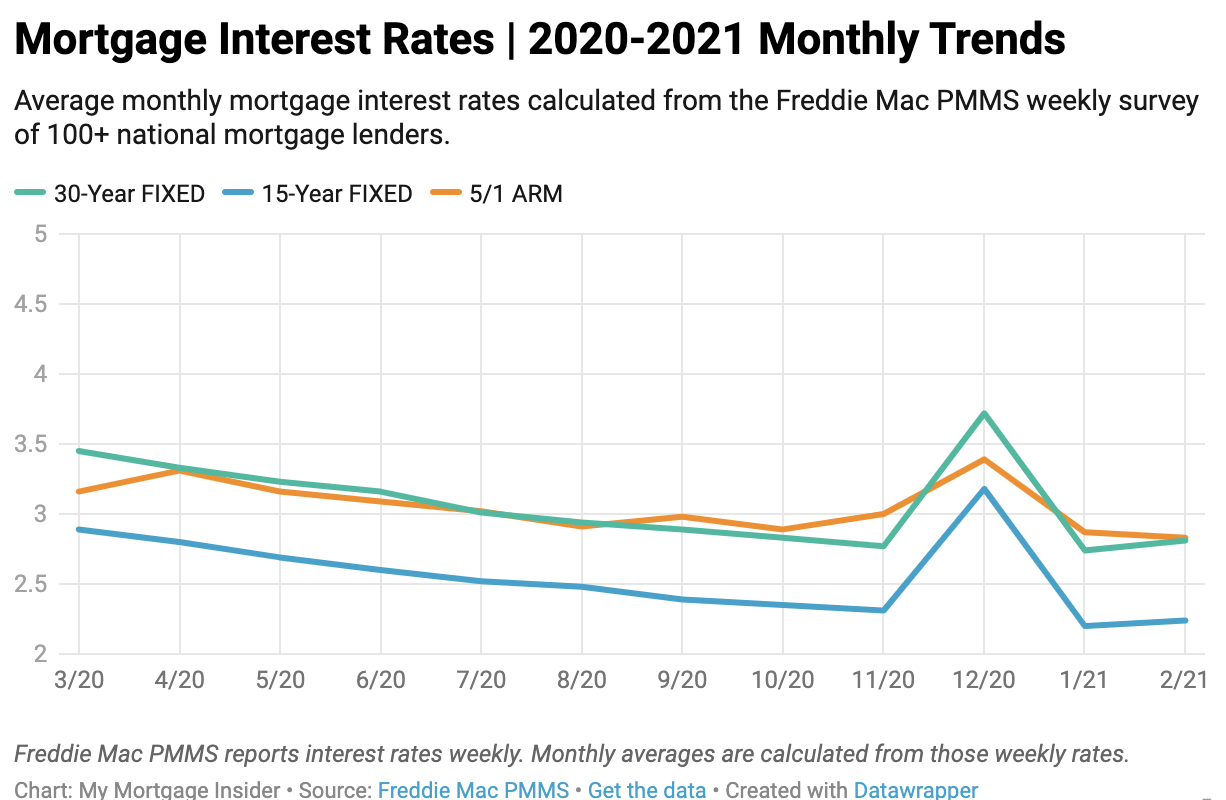
When researching “today’s rates,” it is vital to distinguish between the various types of mortgage products available. A rate quoted for a 30-year fixed-rate loan will differ significantly from a 15-year fixed-rate loan or an adjustable-rate mortgage (ARM).
Fixed-Rate Mortgages: The Standard of Stability
The 30-year fixed-rate mortgage remains the most popular choice for American homebuyers. It offers the security of a consistent monthly payment for three decades. However, because the lender is taking on the risk of inflation over a long period, these loans usually carry higher interest rates than shorter-term options. The 15-year fixed-rate mortgage, by contrast, typically offers a lower interest rate, allowing borrowers to build equity faster and pay significantly less in total interest, though at the cost of a much higher monthly payment.
Adjustable-Rate Mortgages (ARMs)
ARMs generally offer a lower “teaser” rate for an initial period—usually 5, 7, or 10 years. After this period, the rate adjusts periodically based on current market conditions. In a high-rate environment, ARMs become more attractive to buyers who plan to sell or refinance before the adjustment period begins. However, they carry the inherent risk of future rate hikes, making them a more speculative choice for long-term homeowners.
Government-Backed Loans: FHA, VA, and USDA
For those who may not qualify for conventional financing, government-backed loans offer an alternative. FHA loans (Federal Housing Administration) often have competitive rates but require mortgage insurance premiums. VA loans (Veterans Affairs) provide some of the lowest rates on the market for eligible service members and veterans, often with no down payment. USDA loans cater to rural homebuyers and also offer competitive rates to encourage development in less populated areas.
3. How Your Personal Financial Profile Dictates Your Rate
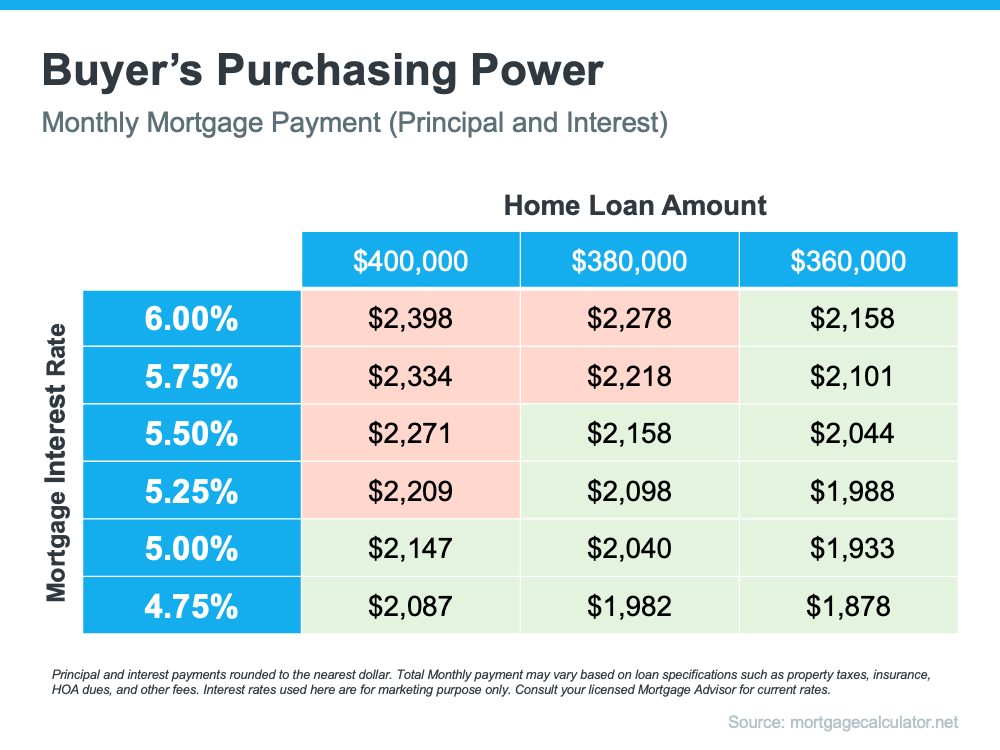
While the market sets the baseline, your “personal” interest rate is determined by the level of risk you represent to the lender. Two neighbors buying identical houses at the same time might receive vastly different rate offers based on their financial history.
The Power of the Credit Score
Your credit score is the single most influential factor in the rate-setting process. Lenders use tiered pricing; those with “excellent” credit (760 or higher) are rewarded with the lowest available rates. Even a 20-point difference in a credit score can move a borrower from one tier to another, potentially saving or costing them tens of thousands of dollars over the life of the loan.
Debt-to-Income Ratio (DTI) and Employment History
Lenders want to ensure you have the cash flow to manage a mortgage. Your DTI—the percentage of your gross monthly income that goes toward paying debts—should ideally be below 36%, though some programs allow for higher. A stable employment history, typically two years in the same field, provides further assurance to the lender, which can occasionally help in securing more favorable terms during the underwriting process.
The Role of the Down Payment and LTV
The Loan-to-Value (LTV) ratio is the amount you are borrowing compared to the value of the home. A 20% down payment results in an 80% LTV, which is the “sweet spot” for lenders. A larger down payment reduces the lender’s risk, which often translates into a lower interest rate. Conversely, if you put down less than 20%, you may not only face a slightly higher interest rate but will also likely be required to pay Private Mortgage Insurance (PMI), increasing your total monthly outlay.
4. Strategies to Secure the Best Possible Rate
In a volatile market, simply watching the news isn’t enough. You must be proactive in your approach to financing.
The Art of Shopping Around
Many homebuyers spend months looking for the right house but only hours looking for the right loan. Rates can vary significantly between credit unions, national banks, and online mortgage lenders. By obtaining “Loan Estimates” from at least three different sources, you can compare not only the interest rates but also the closing costs and origination fees.
Mortgage Points: Buying Down the Rate
If you plan to stay in your home for a long time, you might consider “buying points.” One point is equal to 1% of the loan amount and typically reduces your interest rate by about 0.25%. This is essentially “prepaid interest.” By paying more upfront at closing, you secure a lower monthly payment for the duration of the loan. The “break-even point” is the moment when the monthly savings from the lower rate surpass the initial cost of the points.
Timing the Lock
Because rates change daily (and sometimes hourly), a rate quoted on Monday might be gone by Friday. Once you find a rate you are comfortable with, you can “lock” it in. Most rate locks last for 30 to 60 days, covering the period it takes to close the loan. Some lenders offer a “float-down” option, which allows you to lock in a rate but also take advantage of a lower rate if the market drops before you close.
5. Navigating the Future: Is Now the Time to Act?
The question of whether “today” is a good time to get a mortgage depends on your long-term financial goals and the current trajectory of the market.
Real Interest Rates vs. Nominal Rates
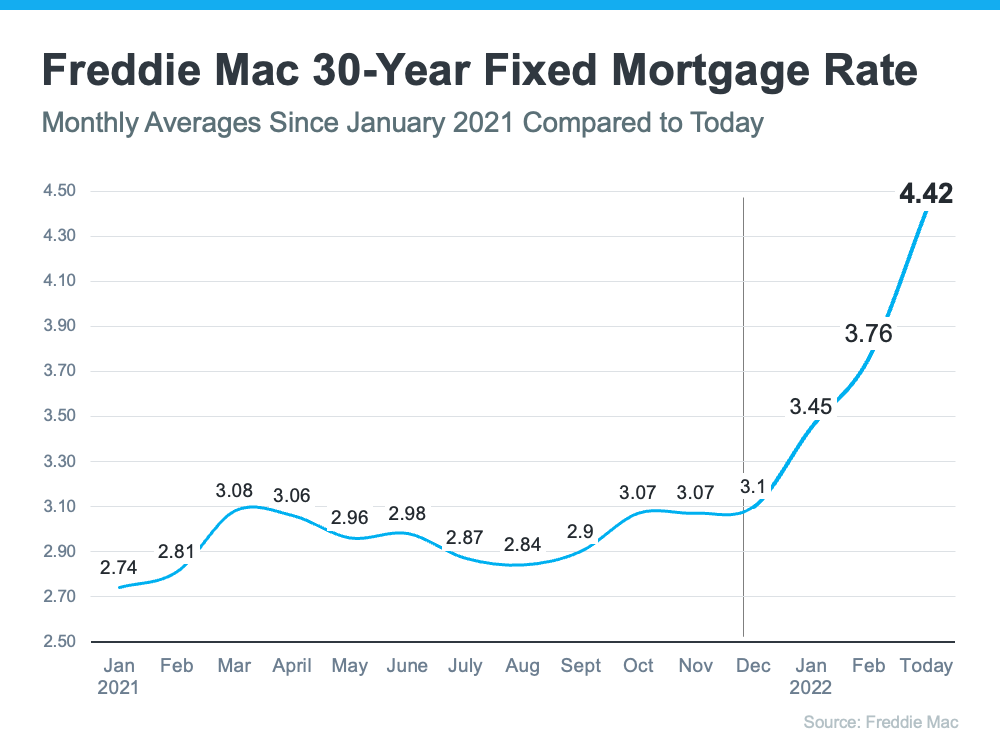
While current rates might seem high compared to the historical lows of 2020 and 2021, it is important to look at “real” interest rates—the nominal rate minus inflation. If inflation is high, the “real” cost of borrowing may actually be lower than it appears. Furthermore, waiting for rates to drop can be a double-edged sword; if rates do fall, a surge of buyers often enters the market, driving home prices up and negating the savings from the lower interest rate.
The Strategy of “Marry the House, Date the Rate”
A common philosophy in personal finance is to “marry the house and date the rate.” This suggests that if you find the right property, you should purchase it even if rates are higher than desired. If rates drop in the future, you can refinance into a lower-cost loan. If rates continue to rise, you will be glad you locked in your rate when you did. This approach emphasizes property ownership and equity building over perfect market timing.
Summary of Financial Readiness
Ultimately, the best mortgage interest rate today is the one that fits within a healthy financial plan. This includes maintaining an emergency fund, ensuring your monthly debt obligations are manageable, and understanding the total cost of ownership beyond just the interest rate. By staying informed about macroeconomic trends while meticulously managing your personal credit and savings, you can navigate the complexities of the mortgage market with confidence and financial savvy.
aViewFromTheCave is a participant in the Amazon Services LLC Associates Program, an affiliate advertising program designed to provide a means for sites to earn advertising fees by advertising and linking to Amazon.com. Amazon, the Amazon logo, AmazonSupply, and the AmazonSupply logo are trademarks of Amazon.com, Inc. or its affiliates. As an Amazon Associate we earn affiliate commissions from qualifying purchases.