
In the intricate world of personal finance, few topics command as much attention and anxiety as mortgage rates. For aspiring homeowners, those looking to refinance, or even seasoned investors, understanding the current landscape of mortgage rates is not merely an academic exercise—it’s a critical determinant of financial feasibility and long-term wealth building. Mortgage rates are in constant flux, influenced by a myriad of economic forces, central bank policies, and global market sentiments. Pinpointing “what are current mortgage rates today” requires a deep dive into these dynamics, offering insights that can empower individuals to make informed decisions about one of life’s most significant financial commitments.
The journey to homeownership or the decision to refinance is punctuated by the search for the most favorable rate. A small difference in interest can translate into tens of thousands of dollars over the lifetime of a loan. This article aims to demystify current mortgage rates, exploring the underlying mechanisms that drive them, the various types of loans available, strategies to secure competitive rates, and an outlook on what the future might hold.
Understanding Today’s Mortgage Rate Landscape
The phrase “current mortgage rates” is inherently dynamic, reflecting a snapshot in time of a perpetually moving target. Rates quoted by lenders can vary not just day-to-day, but sometimes even hour-to-hour, as financial markets react to new information. For anyone considering a mortgage, grasping this fluidity is the first step towards navigating the market effectively.
The Dynamic Nature of Mortgage Rates
Mortgage rates are a complex interplay of supply and demand for credit, influenced by broader economic health. They are not unilaterally set but emerge from a competitive market among lenders who package mortgages into bonds (Mortgage-Backed Securities, or MBS) and sell them to investors. The yield on these bonds dictates much of the mortgage rate offered to consumers. Consequently, anything that affects investor confidence, inflation expectations, or the demand for bonds will ripple through to mortgage rates.
A Snapshot of Current Trends
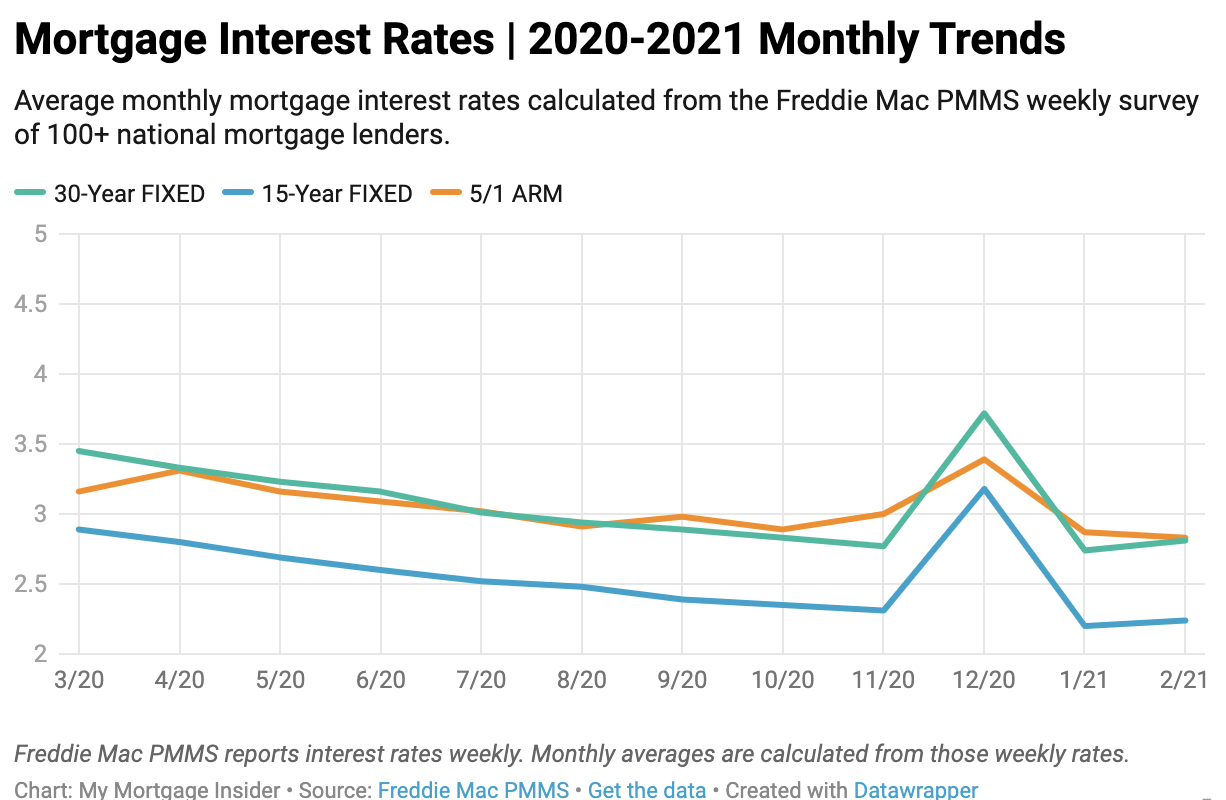
While specific rates require real-time inquiry, general trends can be observed. Historically, fixed-rate mortgages (like the popular 30-year fixed) offer stability, locking in an interest rate for the entire loan term, while adjustable-rate mortgages (ARMs) typically start with lower rates that can fluctuate after an initial fixed period. In periods of economic uncertainty or rising inflation, fixed rates may climb as lenders and investors seek to protect against future devaluation of money. Conversely, when economic growth slows or inflation is subdued, fixed rates might ease. ARMs, being more responsive to short-term market rates, tend to track more closely with the Federal Reserve’s actions on the federal funds rate. Current trends often show a spread between 30-year fixed, 15-year fixed, and various ARM products, with the 15-year fixed typically offering a lower interest rate due to its shorter term and therefore lower risk for lenders.
How Economic Indicators Play a Role
Economic indicators are the compass points guiding the trajectory of mortgage rates. Key indicators such as Gross Domestic Product (GDP) growth, unemployment rates, Consumer Price Index (CPI) as a measure of inflation, and retail sales figures all paint a picture of economic health. A robust economy with strong job growth and rising inflation typically pushes rates higher as the Federal Reserve might tighten monetary policy to prevent overheating. Conversely, signs of economic slowdown or recessionary pressures can lead to lower rates as central banks may ease policy to stimulate growth.
Factors Influencing Mortgage Rates
Understanding the “what” of current rates is incomplete without delving into the “why.” Several powerful factors coalesce to determine the daily fluctuations and long-term trends in mortgage rates.
Federal Reserve Policy and the Federal Funds Rate
While the Federal Reserve does not directly set mortgage rates, its monetary policy decisions—particularly regarding the federal funds rate—have a profound indirect impact. The federal funds rate is the target interest rate set by the Federal Open Market Committee (FOMC) for overnight borrowing between banks. Changes to this rate influence the prime rate, which in turn affects various consumer loans. More importantly, the Fed’s stance on monetary policy (tightening or easing) signals its outlook on inflation and economic growth, which directly influences the bond market and, by extension, mortgage rates. When the Fed raises rates to combat inflation, mortgage rates typically follow suit, though not always in a one-to-one correlation.
Inflation and Economic Growth
Inflation is arguably one of the most significant drivers of mortgage rates. Lenders need to ensure that the interest they earn on a loan will outpace the rate at which money loses its purchasing power. If inflation is expected to rise, lenders will demand higher interest rates to compensate for the reduced value of future repayments. Conversely, low inflation or deflationary environments can put downward pressure on rates. Similarly, strong economic growth can lead to higher demand for credit and potentially higher rates, while a stagnant economy might see rates fall as demand wanes.
The Bond Market’s Influence (e.g., 10-year Treasury Yield)
The bond market is perhaps the most direct barometer for long-term fixed mortgage rates. Mortgage rates are closely correlated with the yield on the 10-year Treasury note. This is because Mortgage-Backed Securities (MBS) compete with Treasury bonds for investor attention. When the yield on the 10-year Treasury rises, MBS must offer higher yields to remain attractive, pushing mortgage rates higher. Factors such as government borrowing, investor sentiment, and global economic stability all affect Treasury yields and, by extension, mortgage rates.
Lender-Specific Considerations
Beyond macroeconomic factors, individual lenders also play a role in setting their rates. Their operational costs, profit margins, risk assessment of borrowers, and specific lending programs all contribute to the final rate offered. Large national banks, smaller credit unions, and online lenders may have different pricing structures, making it crucial for borrowers to shop around.
Types of Mortgage Loans and Their Rate Implications
The choice of mortgage loan type significantly impacts the rate you receive and your long-term financial commitment. Understanding the characteristics of each is paramount.
Fixed-Rate Mortgages: Stability and Predictability
Fixed-rate mortgages are the most common choice, offering a stable interest rate for the entire life of the loan. The 30-year fixed-rate mortgage is particularly popular due to its lower monthly payments, while the 15-year fixed offers a lower overall interest cost and quicker equity build-up, albeit with higher monthly payments. The primary advantage here is predictability: your principal and interest payment remains constant, making budgeting straightforward and protecting you from future rate increases. The downside is that you won’t benefit if market rates fall without refinancing.
Adjustable-Rate Mortgages (ARMs): Initial Savings, Potential Risks
ARMs typically offer a lower initial interest rate for a set period (e.g., 3/1, 5/1, 7/1, or 10/1 ARM, meaning the rate is fixed for 3, 5, 7, or 10 years, then adjusts annually). After this initial fixed period, the rate adjusts periodically based on a chosen index (like the Secured Overnight Financing Rate – SOFR) plus a margin set by the lender. ARMs can be attractive if you plan to move or refinance before the fixed period ends, or if you expect rates to fall. However, they carry the risk of significantly higher payments if rates rise after the adjustment period, making them riskier in a rising rate environment.
Government-Backed Loans (FHA, VA, USDA): Specific Benefits
These loans are insured or guaranteed by government agencies, making them less risky for lenders and often resulting in more favorable terms for borrowers.
- FHA Loans: Insured by the Federal Housing Administration, these are popular for first-time homebuyers due to lower down payment requirements and more lenient credit standards.
- VA Loans: Guaranteed by the Department of Veterans Affairs, these are available to eligible service members, veterans, and surviving spouses, often requiring no down payment and no private mortgage insurance (PMI).
- USDA Loans: Backed by the U.S. Department of Agriculture, these are for low- to moderate-income borrowers in eligible rural areas, often requiring no down payment.
While these loans offer significant benefits, they may have specific eligibility criteria, upfront and annual fees, and might not always offer the absolute lowest interest rate compared to conventional loans for highly qualified borrowers.
Jumbo Loans: For High-Value Properties
Jumbo loans are non-conforming mortgages that exceed the conforming loan limits set by the Federal Housing Finance Agency (FHFA). These are typically used for high-value properties and, due to their larger size and increased risk for lenders, often come with slightly higher interest rates and stricter qualification requirements, including higher credit scores and larger down payments.
Strategies for Securing the Best Mortgage Rate
While macroeconomic forces are beyond individual control, borrowers can actively employ strategies to improve their chances of securing a competitive mortgage rate.
Improving Your Credit Score
Your credit score is a primary factor lenders use to assess your creditworthiness. A higher FICO score (generally 740 or above) signals lower risk to lenders, often qualifying you for the best available rates. Prior to applying for a mortgage, focus on paying bills on time, reducing existing debt, and avoiding new credit applications.
Increasing Your Down Payment
A larger down payment reduces the loan-to-value (LTV) ratio, meaning you’re borrowing a smaller percentage of the home’s value. This translates to less risk for the lender and can lead to a lower interest rate. Additionally, a down payment of 20% or more typically helps you avoid private mortgage insurance (PMI) on conventional loans, saving you money monthly.
Shopping Around for Lenders
This is perhaps the most overlooked yet impactful strategy. Different lenders—banks, credit unions, and mortgage brokers—have varying rates, fees, and programs. Obtaining quotes from at least three to five different lenders within a short period (typically 14-45 days to minimize impact on your credit score) can reveal significant differences in interest rates and closing costs, potentially saving you thousands over the loan term.
Understanding Discount Points and Closing Costs
When reviewing loan offers, differentiate between the interest rate and the Annual Percentage Rate (APR). The APR reflects the total cost of the loan, including the interest rate and certain closing costs (like origination fees and discount points). Discount points are essentially prepaid interest paid at closing to “buy down” your interest rate. Deciding whether to pay points depends on how long you plan to stay in the home; if you stay long enough, the savings from the lower rate can outweigh the upfront cost.
The Importance of Timing
While impossible to perfectly time the market, staying informed about economic forecasts and rate trends can help. If rates are projected to rise, locking in a rate sooner might be advantageous. Conversely, if rates are expected to fall, waiting a bit might yield a better deal, though this always involves a degree of speculation. Mortgage rate locks protect you from rate increases during the underwriting process, but they also mean you won’t benefit if rates drop further before closing.
The Future Outlook for Mortgage Rates
Predicting the future of mortgage rates is inherently challenging, as they are subject to a multitude of unpredictable global and domestic events. However, experts provide forecasts based on current economic data and expected policy shifts.
Expert Predictions and Economic Forecasts
Analysts often look to indicators like inflation trends, the Federal Reserve’s stance on quantitative tightening or easing, and the health of the broader economy (employment, GDP) to make projections. If inflation remains stubbornly high, the Fed may continue to signal higher for longer rates, which could put upward pressure on mortgage rates. Conversely, if the economy slows significantly or enters a recession, the Fed might pivot to rate cuts, potentially leading to lower mortgage rates. Geopolitical events also cast a long shadow, as global instability can drive investors towards safer assets like U.S. Treasury bonds, impacting their yields and, consequently, mortgage rates.
Potential Market Volatility
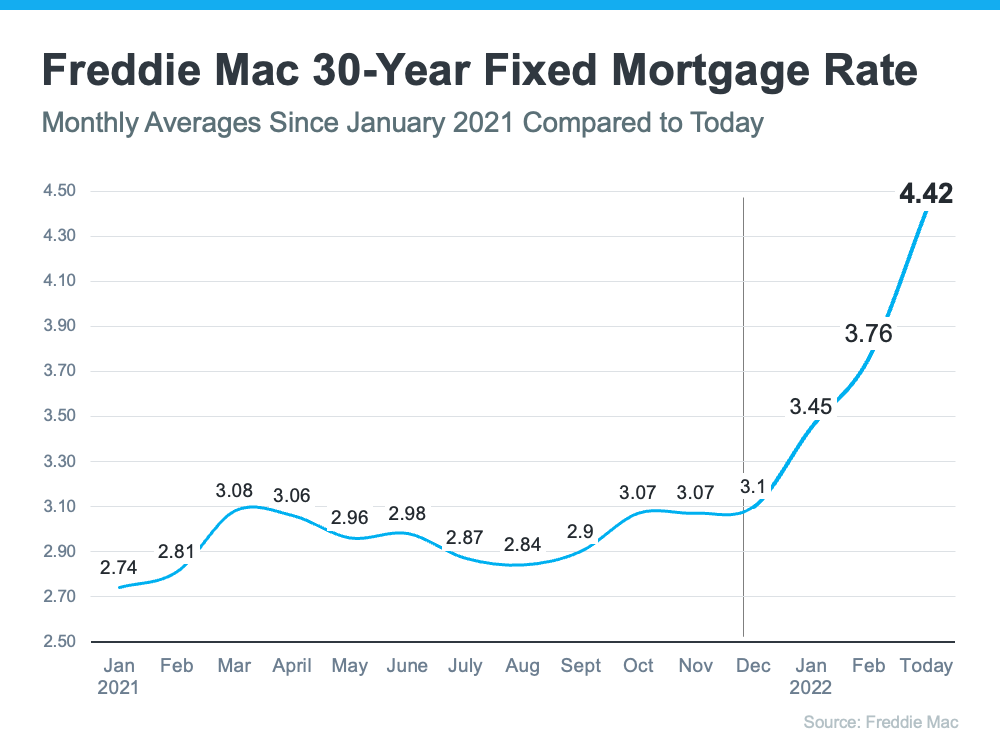
Mortgage rates are likely to remain volatile, reacting swiftly to economic reports, Fed announcements, and shifts in investor sentiment. This volatility means that what is a “current rate” today might be significantly different next week. Borrowers should be prepared for potential fluctuations during their home search and mortgage application process.
Adapting Your Homeownership Strategy
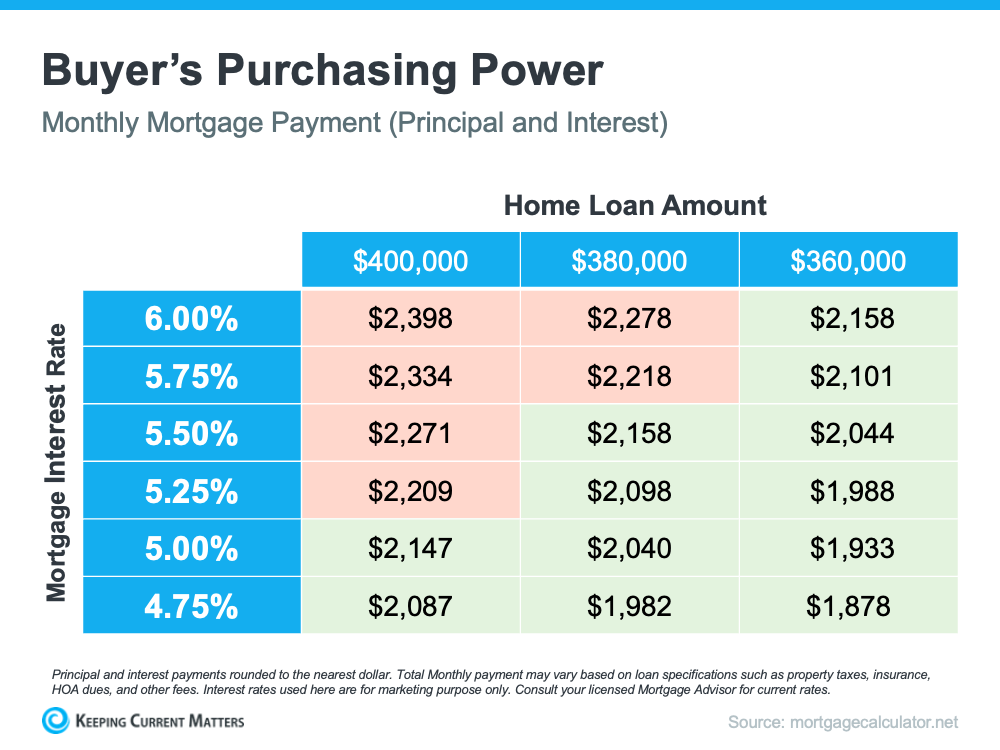
Given the dynamic nature of mortgage rates, flexibility in your homeownership strategy is key. For those considering buying, staying pre-approved and ready to act when rates become favorable can be an advantage. For existing homeowners, regularly evaluating refinance opportunities, especially if your credit profile has improved or if rates drop significantly, can lead to substantial long-term savings. The best approach is to stay informed, work with a trusted financial advisor or mortgage professional, and make decisions that align with your personal financial goals and risk tolerance.
In conclusion, “what are current mortgage rates today” is a question with no static answer, but rather a complex calculation derived from a web of economic indicators, central bank policies, and market forces. By understanding these dynamics and employing smart financial strategies, individuals can navigate the mortgage market with greater confidence, securing a financial foundation for their homeownership dreams.
aViewFromTheCave is a participant in the Amazon Services LLC Associates Program, an affiliate advertising program designed to provide a means for sites to earn advertising fees by advertising and linking to Amazon.com. Amazon, the Amazon logo, AmazonSupply, and the AmazonSupply logo are trademarks of Amazon.com, Inc. or its affiliates. As an Amazon Associate we earn affiliate commissions from qualifying purchases.