
Relocating with a beloved canine companion is far more intricate than packing a suitcase. It involves navigating a labyrinth of regulations, logistics, and, crucially, a significant financial outlay. For many pet owners, the question isn’t just “how” to ship a dog, but “how much” and “how to manage these costs effectively.” This article delves deep into the financial considerations of pet relocation, providing a comprehensive blueprint for responsible, cost-effective, and stress-minimized shipping of your dog.
Shipping a dog, whether domestically or internationally, is an investment in their continued well-being and integration into your new life. Approaching it with a robust financial strategy isn’t just about saving money; it’s about ensuring every dollar spent contributes to a safe, comfortable, and compliant journey. Without careful planning, what seems like a straightforward logistical task can quickly escalate into a substantial financial burden, fraught with unexpected expenses and potential compromises to your pet’s welfare. Understanding the various cost components, exploring different service models, and implementing smart budgeting techniques are paramount to a successful outcome.

Understanding the True Costs of Pet Relocation
The initial thought of “shipping a dog” might conjure images of a simple airline fee. However, the reality is a multi-faceted financial landscape encompassing a range of direct and indirect expenses. A holistic understanding of these costs is the first step towards accurate budgeting and preventing unwelcome surprises.
Direct Transportation Fees: Airline vs. Ground Transport vs. Professional Services
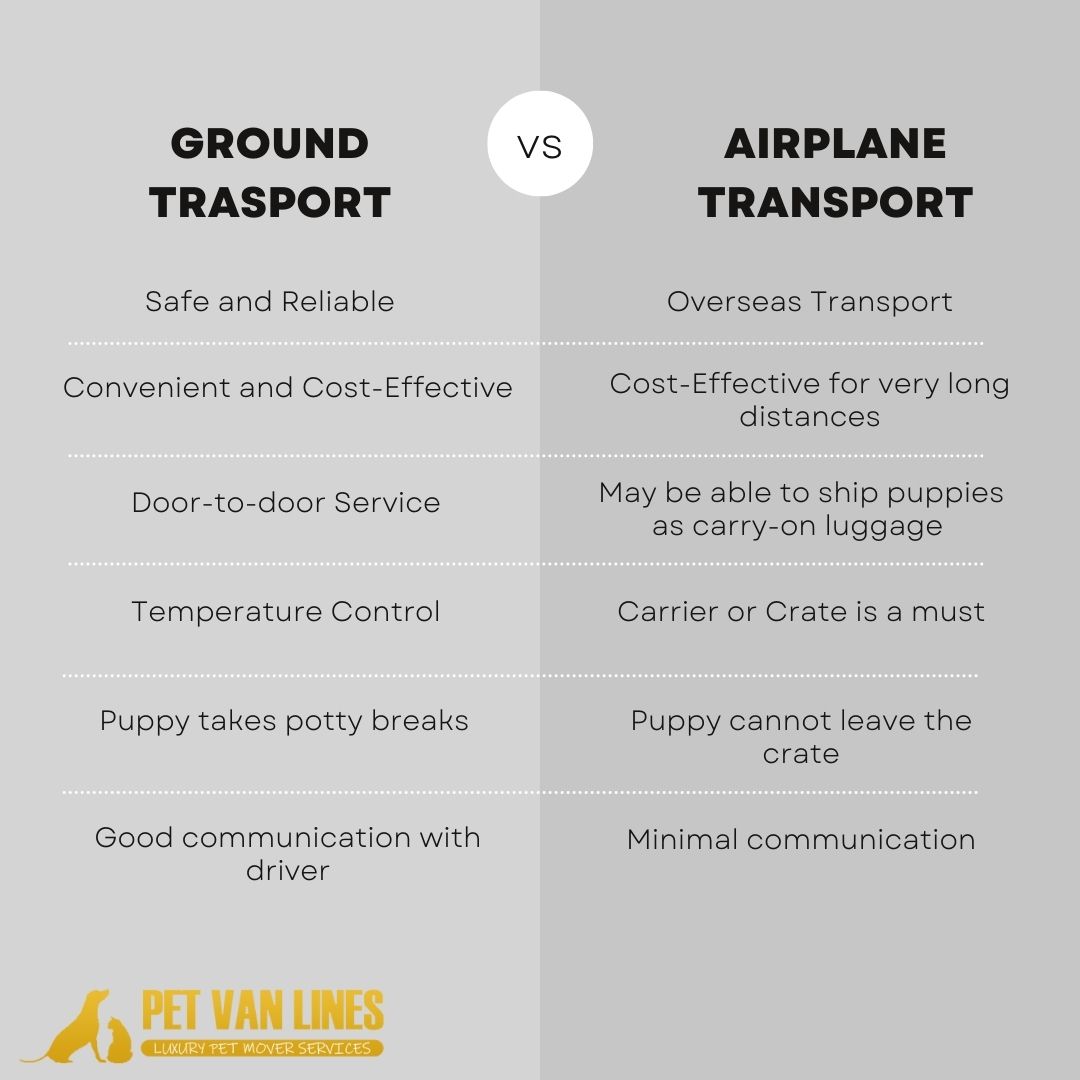
The backbone of pet shipping costs lies in the transportation method itself. Air travel, often the quickest option for long distances, comes with specific airline pet cargo fees, which vary wildly based on the airline, route, pet’s size/weight, and time of year. These fees can range from a few hundred dollars for domestic flights to several thousand for international routes. Factors like breed restrictions, temperature embargoes, and the need for specific cargo holds can further influence availability and pricing. Ground transport, while slower, can sometimes be a more cost-effective option for shorter distances or for pets unable to fly due to breed, age, or health concerns. Costs are typically calculated per mile or per trip, often offering a more personalized service.
However, the most significant financial decision often revolves around engaging a professional pet relocation service. While seemingly more expensive upfront, these services manage the entire logistical chain – from vet appointments and documentation to crate provision and customs clearance. Their fees incorporate expert knowledge, coordination, and often, more favorable bulk rates with airlines. The cost-benefit analysis here involves weighing the convenience, peace of mind, and expertise against the DIY approach’s potential savings (and associated stress). For complex international moves, professional services often prove to be a wise investment, minimizing costly errors and delays.
Veterinary Expenses: Health Certificates and Vaccinations
Before any pet can travel, especially across state lines or international borders, a comprehensive veterinary check-up and specific documentation are mandatory. This typically includes a general health certificate issued by a USDA-accredited veterinarian (for US travel), proof of up-to-date vaccinations (rabies, distemper, parvovirus, etc.), and sometimes specific tests (e.g., for parasites, specific diseases). International travel often demands more stringent requirements, such as microchipping, blood tests (e.g., rabies titer test), and parasite treatments, all of which incur veterinary fees. These costs can range from a few hundred dollars for routine checks and certificates to well over a thousand for complex international health protocols and multiple tests. Ignoring these requirements can lead to travel refusal, quarantine, or even repatriation, all of which carry immense financial penalties.
Essential Equipment: Crates and Accessories
A proper travel crate is not merely a container; it’s a critical safety and comfort device. Airlines and ground transporters have strict requirements for crates, dictating materials, ventilation, size (pets must be able to stand, turn around, and lie down comfortably), and labeling. High-quality, IATA-compliant crates can cost anywhere from $100 to $500 or more, depending on the pet’s size. Beyond the crate, accessories like absorbent bedding, water dispensers (non-spill), food dishes, and identification tags are necessary. While individually inexpensive, these items add up and are essential for a humane journey. Investing in a robust, appropriate crate is non-negotiable and should be factored into the budget from the outset.
Ancillary Costs: Insurance, Customs, and Unexpected Delays
Beyond the primary expenses, several ancillary costs can arise. Pet travel insurance, while optional, can be a prudent investment, offering coverage for medical emergencies during transit, loss, or even trip cancellation. Customs fees and import taxes are common for international shipments, varying significantly by destination country. These can sometimes be substantial and require careful pre-calculation. Furthermore, unexpected delays due to weather, mechanical issues, or missed connections can incur additional costs for overnight boarding, rebooking fees, or emergency veterinary care. While these cannot always be fully predicted, setting aside an emergency fund (as discussed below) can mitigate their financial impact.
Budgeting and Financial Planning for Your Pet’s Journey
Effective financial planning is the cornerstone of a successful and stress-free pet relocation. Without it, you risk not only overspending but also jeopardizing your pet’s journey due to insufficient funds for critical requirements.
Early Planning: The Key to Cost Savings
Procrastination is expensive, especially in pet shipping. Beginning your planning months in advance (6-12 months for international moves, 2-3 months for domestic) offers several financial advantages. It provides ample time to research various options, compare quotes, and complete veterinary protocols without incurring rush fees. Airlines often have limited space for pets, and booking well in advance can secure better rates and availability. Early preparation also allows you to gradually purchase necessary equipment like crates, spreading out the expenditure rather than facing a large lump sum close to the travel date. Moreover, understanding all requirements early helps avoid costly mistakes that lead to delays or rebooking.
DIY vs. Professional Pet Shippers: A Cost-Benefit Analysis
The decision between managing the logistics yourself (DIY) and hiring a professional pet shipper is largely a financial one, weighing monetary savings against time, effort, and expertise.
- DIY: Can save direct service fees, potentially several thousand dollars, especially for simpler domestic moves. However, it demands significant time for research, coordinating vet appointments, booking flights, understanding regulations, and managing paperwork. Errors can be costly, leading to delays, rebooking fees, and immense stress. This approach is generally more feasible for experienced travelers with straightforward routes and adaptable pets.
- Professional Pet Shippers: Incur higher upfront costs (typically $2,000 to $8,000+ for international, less for domestic), but offer unparalleled convenience, expertise in complex regulations, reduced stress, and often, more seamless transitions. They handle all documentation, veterinary coordination, flight bookings, customs clearance, and often provide door-to-door service. For complex international moves, breed-specific challenges, or time-constrained owners, their value proposition often outweighs the direct financial cost by preventing costly errors and ensuring compliance.
Researching and Comparing Quotes for Best Value
Regardless of whether you choose DIY or professional services, thorough research and quote comparison are essential. For professional services, obtain at least three detailed quotes from reputable IPATA-member pet shippers. Ensure these quotes are comprehensive, outlining all included services (vet visits, crate, airfare, customs, delivery, etc.) and clearly stating any exclusions. Pay close attention to payment terms and cancellation policies. For DIY, compare airline cargo rates, ground transport options, and the cost of individual veterinary services at different clinics. Documenting these comparisons in a spreadsheet can help you make an informed decision based on both cost and service quality.
Creating an Emergency Fund for Pet Transport
Even the most meticulously planned budget can be derailed by unforeseen circumstances. A dedicated emergency fund for pet transport is a critical financial safeguard. This fund should be separate from your main travel budget and ideally cover 10-20% of your estimated total shipping cost. It can be used for:
- Unexpected veterinary needs during transit
- Additional night boarding due to flight delays
- Rebooking fees for cancelled flights
- Emergency supplies
- Unforeseen customs charges or import fees
Having this buffer provides peace of mind and ensures that financial constraints won’t compromise your pet’s safety or comfort should an unexpected event occur.
Navigating Payment Structures and Avoiding Hidden Fees
One of the most challenging aspects of budgeting for pet relocation is deciphering complex payment structures and avoiding hidden fees that can inflate your final expenditure. Vigilance and meticulous review of all contracts and invoices are paramount.
Understanding Airline Pet Policies and Surcharges
Each airline has its own specific pet policy, which dictates everything from accepted crate types and dimensions to temperature embargoes and breed restrictions. Crucially, these policies also detail pet cargo fees and potential surcharges. Some airlines charge a flat rate, while others base it on weight or volume. Be aware of peak season surcharges, weekend travel premiums, or fees for specific services like handling live animals. Always confirm the exact cost directly with the airline’s cargo division, not just the passenger reservation line, as their pricing and regulations can differ significantly. Misunderstanding these policies can lead to last-minute rejections and costly re-arrangements.
Scrutinizing Pet Shipper Contracts and Invoices
When utilizing professional pet relocation services, the contract is your financial protection. Read it meticulously. Ensure all agreed-upon services are explicitly listed, from initial consultation and vet appointment scheduling to customs clearance and final delivery. Look for clauses regarding:
- Payment Schedule: Understand deposit requirements, interim payments, and final balances.
- Cancellation Policy: What are the financial penalties if plans change?
- Included vs. Excluded Services: Are vet fees included? What about customs duties? Are there mileage limits for ground transport?
- Contingency Fees: Are there charges for unexpected delays or changes outside their control?
- Insurance: Is pet travel insurance included, or is it an add-on?
- Currency Exchange Rates: If international, how are currency conversions handled?
Any ambiguity should be clarified in writing before signing. A reputable shipper will be transparent with their pricing and willing to answer all your financial questions.
Exchange Rates and International Transfers for Overseas Moves
For international pet shipping, currency fluctuations and international transfer fees can significantly impact your budget. When receiving quotes in a foreign currency, factor in potential exchange rate shifts between the quote date and payment date. Consider using services like Wise (formerly TransferWise) or other international money transfer platforms that offer competitive exchange rates and lower transaction fees compared to traditional banks. Avoid paying in cash, especially for large sums, and always ensure you receive official receipts for every transaction. Understand if the quoted price covers all taxes and duties in the destination country, or if you’ll need to pay these separately upon arrival.
Identifying and Avoiding Scams in Pet Transport
Unfortunately, the emotional nature of pet shipping makes it a target for scammers. Financial scams often involve:
- Unusually Low Prices: If a quote seems too good to be true, it likely is. Reputable pet transport is expensive; suspiciously cheap offers are a red flag.
- Demands for Wire Transfers or Gift Cards: Legitimate companies rarely ask for payment via untraceable methods. Always use secure payment methods like credit cards or bank transfers to companies, which offer some level of buyer protection.
- Pressure Tactics: Be wary of shippers who pressure you to make immediate payments or claim “limited time offers.”
- Lack of Transparency: Avoid companies unwilling to provide detailed quotes, physical addresses, or references.
- Requests for Extra Money Mid-Transit: Scammers often invent emergency fees (e.g., “crate too small,” “vet emergency”) and demand immediate payment to continue the journey. Verify any such claims independently before sending money.
Always verify the legitimacy of a company through organizations like IPATA (International Pet and Animal Transportation Association) or through independent reviews and testimonials.
Investment in Pet Well-being: Beyond Monetary Costs
While financial costs are tangible, the investment in your pet’s well-being extends beyond monetary figures. Prioritizing comfort, safety, and a stress-free journey is a priceless return on investment, impacting both your pet’s immediate health and long-term adjustment.
The Cost of Stress: Prioritizing Comfort and Safety
A poorly planned or stressful journey can have significant non-monetary costs. Extreme anxiety, fear, or discomfort can lead to behavioral issues, health complications, or a prolonged recovery period for your pet. While difficult to quantify in dollars, the “cost of stress” manifests in vet visits for stress-related illnesses, behavioral training expenses, or simply the emotional toll on both pet and owner. Investing in a comfortable, IATA-compliant crate, proper vet preparation (including acclimatization to the crate), and a reputable, compassionate shipper minimizes this stress. The financial premium for a service that prioritizes animal welfare is an investment in your pet’s immediate and future happiness.
Long-term Health Implications of Poor Planning
Cutting corners on veterinary checks, opting for non-compliant crates, or choosing the cheapest, least reputable shipper can have severe long-term health consequences. Insufficient vaccinations can lead to serious illnesses, inadequate crate size can cause injury, and prolonged stress can exacerbate pre-existing conditions or lead to new ones. The initial “savings” from poor planning can quickly be dwarfed by subsequent veterinary bills, specialized care, or even the tragic loss of a pet. Responsible financial planning for pet shipping is not just about avoiding immediate expenses; it’s about safeguarding your pet’s long-term health and avoiding vastly greater costs down the line.
Valuing Peace of Mind: The Return on Investment in Quality Services
Ultimately, investing in quality pet shipping services, though more expensive, often yields an invaluable return: peace of mind. Knowing that your pet is in capable hands, that all regulations are met, and that their comfort is prioritized allows you to focus on your own relocation without the crushing burden of anxiety for your companion. This intangible benefit translates into reduced personal stress, increased productivity, and a smoother transition for your entire family. While not a direct monetary return, the psychological and emotional benefits of a well-executed pet move are substantial and, for many, justify the financial commitment.
Strategies for Reducing Pet Shipping Expenses
While pet shipping is inherently costly, there are strategic approaches to manage and potentially reduce expenses without compromising your pet’s safety or comfort.
Off-Peak Travel and Seasonal Considerations
Timing your move can significantly impact costs. Airlines often have higher cargo rates during peak travel seasons (holidays, summer months). Additionally, many airlines impose temperature embargoes during extreme heat or cold, limiting travel options and potentially forcing more expensive alternatives or longer stays. If possible, consider shipping your dog during off-peak seasons or cooler months, which may result in lower airfare and less chance of weather-related delays or reroutes. This flexibility in scheduling is a simple yet effective cost-saving measure.
Consolidating Services and Negotiating Rates
When using professional shippers, inquire about packages that consolidate various services (e.g., vet visits, crate, airfare, customs). Often, a bundled service can be more cost-effective than arranging each component separately. While outright negotiation might be challenging with fixed airline rates, some professional pet shippers may offer slight flexibility or different service tiers. Clearly communicate your budget and needs, and they might suggest alternatives or adjustments to fit. For DIY, look for opportunities to purchase supplies in bulk or from discount retailers if quality isn’t compromised.
Exploring Pet Relocation Assistance Programs (if applicable)
For specific situations, financial assistance or discounted services might be available. Members of the military, for example, often have programs or allowances for pet relocation. Some animal welfare organizations or breed-specific rescues might offer guidance or limited financial aid for pets being rehomed or adopted across distances. While rare for typical family moves, it’s worth exploring if you fall into a specific demographic or circumstance that might qualify for support. Research thoroughly, as these programs are often specialized and have strict eligibility criteria.

Do-It-Yourself Preparation vs. Full-Service Packages
As discussed, the DIY approach can save money, particularly for domestic moves. This involves handling vet appointments, crate preparation, and airline booking yourself. However, for complex international moves, a full-service professional package, while more expensive, may actually prevent more costly mistakes, delays, and stress in the long run. A hybrid approach might also be possible: handling some aspects (e.g., crate purchase, initial vet visits) yourself, but outsourcing the more complex elements like international documentation and customs to a professional. Carefully assess your time, expertise, and comfort level with regulations to determine the most financially prudent balance.
In conclusion, shipping a dog is a substantial financial undertaking that requires meticulous planning, detailed budgeting, and a keen eye for potential pitfalls. By understanding the true costs, planning early, comparing services, and safeguarding against hidden fees and scams, you can ensure that your financial investment translates into a safe, comfortable, and stress-free journey for your cherished canine companion, making their relocation a successful transition for the entire family.
aViewFromTheCave is a participant in the Amazon Services LLC Associates Program, an affiliate advertising program designed to provide a means for sites to earn advertising fees by advertising and linking to Amazon.com. Amazon, the Amazon logo, AmazonSupply, and the AmazonSupply logo are trademarks of Amazon.com, Inc. or its affiliates. As an Amazon Associate we earn affiliate commissions from qualifying purchases.