
For many, the dream of exploring new destinations or reuniting with loved ones is often shadowed by the daunting cost of airfare. Airline tickets represent one of the most significant expenditures in any travel budget, and their opaque pricing structures can make securing an affordable seat feel like a game of chance. However, with a strategic approach rooted in financial savvy and a clear understanding of airline economics, it’s entirely possible to consistently find and book cheap airline tickets. This guide delves into the financial principles and practical tactics that empower travelers to drastically reduce their flight costs, transforming aspirational journeys into tangible realities without breaking the bank.
Understanding the Dynamics of Airline Pricing
Before diving into specific tactics, it’s crucial to grasp the underlying financial mechanisms that dictate airfare fluctuations. Airlines employ sophisticated revenue management systems designed to maximize profit, which means prices are rarely static and are influenced by a complex interplay of factors. Treating airfare like any other consumer good with predictable pricing patterns is a common financial misstep. Instead, recognizing its inherent volatility is the first step towards smarter booking.
The Volatility of Airfare: Why Prices Fluctuate
Airline ticket prices are incredibly dynamic, changing multiple times a day, sometimes by significant margins. This volatility isn’t random; it’s a calculated strategy. Airlines use complex algorithms that monitor demand, competitor pricing, seat availability, historical data, and even macroeconomic indicators. For consumers, this means the price you see today might be drastically different tomorrow or even a few hours later. This constant flux requires vigilance and a proactive financial stance, rather than a passive approach. Understanding that prices are not fixed allows you to approach the market with a hunter’s mindset, ready to pounce on opportune moments.
Supply and Demand: Key Influencers
At its core, airline pricing is a textbook example of supply and demand economics. When demand for a particular route and date is high (e.g., during peak holiday seasons, major events, or popular vacation periods), and the supply of available seats is limited, prices naturally surge. Conversely, during off-peak seasons or on less popular routes, where demand is lower and supply is ample, prices tend to drop. This principle extends beyond just the overall route; individual flights on the same route can vary significantly based on the specific time of day, with less convenient red-eye flights often being cheaper due to lower demand. Savvy financial planning involves adjusting travel dates or even destinations to align with periods of lower demand, thereby unlocking considerable savings.
Revenue Management: How Airlines Optimize Profit
Airlines don’t just sell seats; they sell access to a highly perishable product. An empty seat at takeoff is a lost revenue opportunity that can never be recovered. To mitigate this, airlines employ advanced revenue management techniques. They segment their customer base and offer different fare classes (e.g., economy, premium economy, business) at various price points, even within the same cabin. Each fare class has a limited number of seats and specific booking rules. As seats in cheaper fare classes sell out, the system automatically moves to higher, more expensive classes. This continuous optimization aims to fill as many seats as possible at the highest possible average price. From a financial perspective, this highlights the urgency of booking when lower fare classes are still available and the financial penalty of procrastinating, which often means being relegated to more expensive options.
Strategic Booking: Timing Your Purchase for Maximum Savings
Timing is paramount when it comes to securing cheap airline tickets. It’s less about luck and more about understanding predictable patterns and market behavior. Strategic booking isn’t just about saving money; it’s about making financially intelligent decisions that maximize the value of your travel budget.
The “Sweet Spot” Window: When to Book
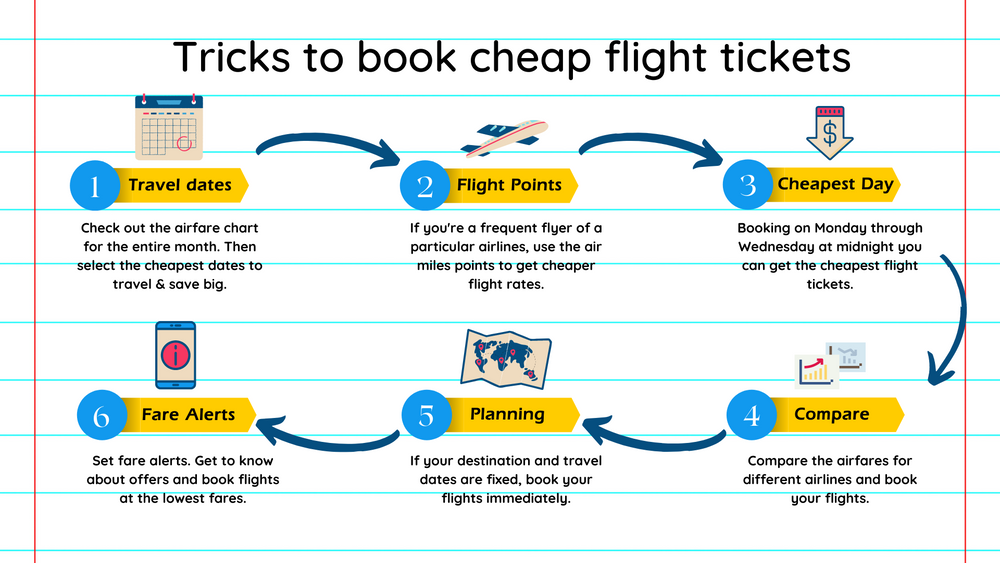
Conventional wisdom suggests there’s a “sweet spot” for booking flights, neither too early nor too late. While it varies by route and season, a general financial guideline for international flights is 3-6 months in advance, and for domestic flights, 1-3 months out. Booking too early often means you’re paying higher initial prices before airlines adjust to market demand, while booking too late means you’re facing inflated prices as cheaper fare classes sell out. The sweet spot represents the period when airlines have optimized their schedules and are aggressively competing for bookings, offering more favorable rates to secure early commitments without yet feeling the pressure of last-minute demand. This is where diligent financial planning pays off.
The Best Days to Buy and Fly
Research consistently shows that certain days of the week offer better deals than others, both for purchasing tickets and for actual travel. Financially, Tuesday, Wednesday, and sometimes Monday evenings are often cited as the best times to book flights. This is because airlines often release new deals or match competitors’ prices early in the week after weekend demand has been assessed. As for flying, mid-week days (Tuesday, Wednesday, Thursday) are typically cheaper than weekends or Fridays, due to lower business and leisure travel demand. Flying during off-peak hours, such as early mornings or late evenings, can also yield savings. Adapting your schedule to these financially advantageous days can significantly reduce your travel expenditure.
The Impact of Seasonality and Holidays
Seasonality and holidays have a profound impact on airfare. Peak travel seasons (summer in many regions, Christmas, New Year’s, Spring Break) see significant price hikes due to overwhelming demand. Conversely, the shoulder seasons (spring and fall) or outright off-seasons (e.g., winter for beach destinations) often present the most financially attractive opportunities. Strategic travelers, especially those with flexible schedules, can save hundreds, if not thousands, by simply adjusting their travel dates by a few weeks to avoid peak periods. This requires foresight and a willingness to align personal preferences with market realities for optimal financial outcomes.
Leveraging Digital Tools and Financial Savvy for Deals
The digital age has revolutionized how we find and book flights, providing a wealth of tools that, when used wisely, can become powerful allies in the quest for cheap tickets. Employing these tools strategically is a fundamental aspect of modern financial planning for travel.
Price Comparison Websites and Aggregators
Websites like Google Flights, Skyscanner, Kayak, and Momondo are indispensable. These aggregators scour hundreds of airline and online travel agency (OTA) sites simultaneously, presenting a consolidated view of available flights and prices. Instead of checking individual airline websites, which is time-consuming and inefficient, these platforms provide an instant market overview. Using them effectively involves comparing not just the lowest price, but also factoring in layovers, flight times, and airline reputations. From a financial perspective, these tools empower consumers by fostering transparency and competition, allowing for direct comparison and informed decision-making.
Setting Up Price Alerts and Notifications
One of the most effective passive strategies for saving money on flights is setting up price alerts. Most comparison websites and even some airline apps allow you to track specific routes and dates. When the price for your desired flight drops, you receive an automatic notification. This eliminates the need for constant manual checking and allows you to “set it and forget it” until a financially appealing deal emerges. This strategy capitalizes on the market’s volatility, ensuring you don’t miss out on transient price drops that can translate into significant savings.

Utilizing Incognito Mode and Clearing Cookies
A lesser-known but potentially impactful financial tactic involves browsing in incognito/private mode or clearing your browser’s cookies. Some airlines and OTAs have been accused of using cookies to track your search history. If they detect repeated searches for the same route, they might subtly increase prices on subsequent visits, creating a sense of urgency. While not universally proven for all sites, adopting this habit costs nothing and offers potential protection against dynamic pricing strategies designed to extract more money from persistent searchers. It’s a small financial hedge against algorithmic manipulation.
Exploring Alternative Airports and Flexible Dates
Flexibility is a traveler’s greatest financial asset. If your travel plans permit, consider flying into or out of smaller, less busy airports near your destination. These often have lower landing fees for airlines, which can translate into cheaper fares for passengers. Similarly, being flexible with your travel dates, even by a day or two, can unlock significantly lower prices, especially if it means avoiding a peak travel day. Using the “flexible dates” or “calendar view” features on flight search engines can reveal these cost-saving opportunities, aligning your travel plans with the most financially optimal times.
The Power of Travel Credit Cards and Loyalty Programs
For frequent travelers, strategically utilizing travel credit cards and airline loyalty programs can result in substantial financial benefits. Many travel credit cards offer lucrative sign-up bonuses in points or miles, which can be redeemed for free or heavily discounted flights. Beyond bonuses, these cards often provide benefits like free checked bags, lounge access, priority boarding, and earning accelerated points on travel spending. Similarly, enrolling in airline loyalty programs allows you to accumulate miles with every flight, leading to future savings or upgrades. This is a long-term financial strategy that, with careful management and avoidance of interest charges, can yield incredible returns on your travel investment.
Unconventional Approaches to Cutting Costs
Beyond the standard booking strategies, there are several less conventional, but highly effective, methods for finding cheap airline tickets. These often require a bit more adventurousness or a willingness to deviate from direct routes, but the financial rewards can be substantial.
Considering Budget Airlines and Basic Economy Fares
Budget airlines (e.g., Spirit, Frontier, Ryanair, EasyJet) specialize in offering incredibly low base fares. While attractive, it’s crucial to understand their financial model: they unbundle services, charging extra for everything from checked bags and seat selection to printing boarding passes. Basic Economy fares, offered by major carriers, are similar, with strict limitations on luggage, seat assignments, and changes. For the financially astute, unbundling can be a boon. If you travel light and don’t need frills, these options can be significantly cheaper. However, a miscalculation of add-on costs can quickly erase any initial savings, so thorough financial review of all potential fees is essential.
The Art of the Layover: Indirect Flights for Direct Savings
Direct flights are convenient but often come with a premium price tag due to their higher demand. Opting for flights with layovers, especially longer ones or those in less conventional hubs, can significantly reduce costs. Airlines price based on demand for direct routes, and a less convenient multi-stop itinerary typically attracts a lower price. From a financial perspective, if your time is flexible and the savings are substantial, embracing a layover is a smart trade-off. Some travelers even intentionally book flights with long layovers to explore an additional city for free, adding value to their travel experience while saving money on the primary destination.
Open-Jaw and Multi-City Tickets: Creative Itineraries
An “open-jaw” ticket involves flying into one city and out of another, while “multi-city” tickets allow for multiple stops. These can sometimes be cheaper than booking two separate one-way tickets or a round-trip to a single destination, especially if you’re exploring a region. For example, flying into London and out of Rome might be more cost-effective than a round-trip to London and then separate transport to Rome. This requires a more complex financial calculation and itinerary planning but can unlock significant savings for those on multi-stop journeys.
Error Fares and Flash Sales: The Elusive Deals
While rare, error fares (mistakes in pricing) and flash sales (brief, deep discounts) represent the holy grail of cheap flights. Error fares are exactly what they sound like: an airline or OTA accidentally publishes an incredibly low price. These are fleeting and require immediate booking. Flash sales are intentional but equally time-sensitive promotions. Following flight deal aggregators (like Scott’s Cheap Flights or The Flight Deal) and subscribing to airline newsletters can alert you to these opportunities. Acting quickly and having your finances in order (e.g., credit card ready) is critical to capitalize on these transient, high-value deals.
Financial Discipline Beyond the Ticket Price
Securing a cheap airline ticket is a major victory, but truly smart financial travel extends beyond the initial purchase. Hidden costs and broader financial planning can significantly impact the overall budget of your trip.
Hidden Costs: Baggage, Seat Selection, and In-Flight Amenities
Many travelers focus solely on the base fare, forgetting the array of potential add-on fees. Checked baggage fees, carry-on size restrictions on budget airlines, seat selection charges, and even in-flight meal costs can quickly inflate the total expenditure. Before booking, meticulously review the airline’s fee structure. For example, a “cheap” basic economy fare might become more expensive than a standard economy fare on another airline once baggage and seat selection are factored in. This requires a thorough financial analysis of the total cost of ownership, not just the sticker price.
Travel Insurance: A Financial Safeguard
While an additional upfront cost, travel insurance can be a critical financial safeguard, especially for expensive international trips or those with complex itineraries. It protects against unforeseen circumstances like flight cancellations, lost luggage, medical emergencies abroad, and trip interruptions. Weighing the cost of insurance against the potential financial losses of an uninsured incident is a crucial aspect of responsible travel budgeting. For those concerned about potential financial setbacks, travel insurance offers peace of mind and protection for your travel investment.

Budgeting for Your Trip: Holistic Financial Planning
Ultimately, a cheap airline ticket is just one component of a larger financial picture. Effective personal finance for travel involves a holistic budget that accounts for accommodation, ground transport, food, activities, visas, and emergency funds. A cheap flight is pointless if you arrive without sufficient funds for the rest of your journey. Integrate your flight-finding strategies into a broader financial plan, ensuring that the savings on airfare free up funds for enriching experiences or provide a comfortable buffer against unexpected expenses. This comprehensive approach ensures that your travel dreams are not only affordable but also financially secure and enjoyable.
In conclusion, the pursuit of cheap airline tickets is a strategic financial endeavor that rewards patience, flexibility, and informed decision-making. By understanding the intricate financial dynamics of airline pricing, leveraging digital tools, adopting unconventional booking tactics, and maintaining a disciplined approach to overall travel budgeting, anyone can unlock significant savings and transform expensive aspirations into achievable travel realities.
aViewFromTheCave is a participant in the Amazon Services LLC Associates Program, an affiliate advertising program designed to provide a means for sites to earn advertising fees by advertising and linking to Amazon.com. Amazon, the Amazon logo, AmazonSupply, and the AmazonSupply logo are trademarks of Amazon.com, Inc. or its affiliates. As an Amazon Associate we earn affiliate commissions from qualifying purchases.