
In an increasingly digital world, cryptocurrency has emerged as a transformative force, reshaping our understanding of money, investment, and financial transactions. Far from being a niche interest, digital currencies like Bitcoin and Ethereum are steadily integrating into mainstream finance, offering new avenues for wealth creation, secure transactions, and innovative financial services. For many, however, the practicalities of “how to use cryptocurrency” remain shrouded in complexity. This guide aims to demystify the process, providing a professional and insightful overview for individuals looking to leverage digital assets within their personal and business finance strategies.
Understanding the Fundamentals: Laying Your Financial Crypto Foundation
Before diving into the practical applications, a foundational understanding of what cryptocurrency is and why it holds financial significance is crucial. This isn’t just about technology; it’s about a paradigm shift in how value is stored, transferred, and managed.
What is Cryptocurrency and Why Does it Matter for Your Finances?
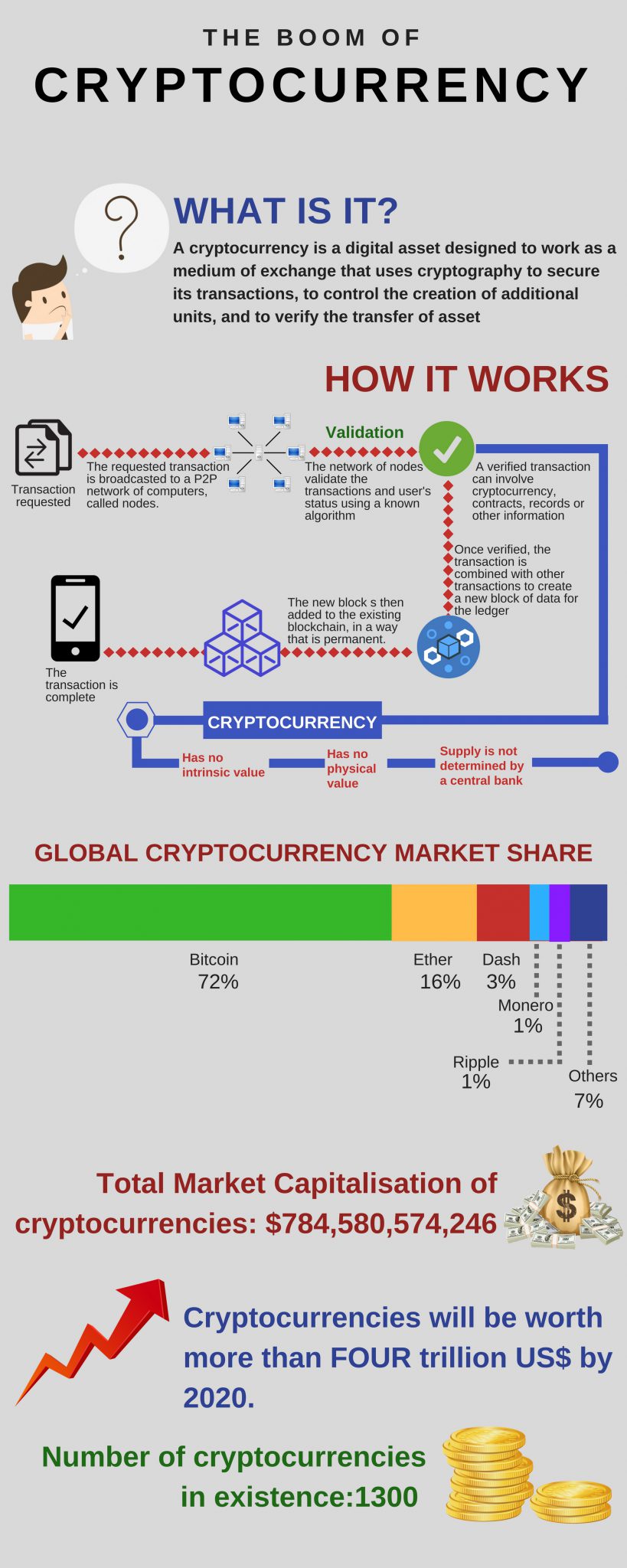
At its core, cryptocurrency is a digital or virtual currency secured by cryptography, making it nearly impossible to counterfeit or double-spend. Unlike traditional currencies issued by central banks, most cryptocurrencies are decentralized, meaning they are not subject to government or financial institution control. This decentralization offers several financial advantages:
- Reduced Transaction Costs: Cross-border payments can be significantly cheaper and faster than traditional wire transfers.
- Financial Inclusion: It provides access to financial services for the unbanked or underbanked populations globally.
- Potential for High Returns: While volatile, certain cryptocurrencies have demonstrated substantial growth, attracting investors seeking higher yields than traditional assets.
- Inflation Hedge (for some): Cryptocurrencies with fixed supplies, like Bitcoin, are sometimes seen as a hedge against inflation and currency devaluation.
Understanding these inherent characteristics is the first step in appreciating how cryptocurrency can integrate into your personal financial ecosystem. It’s not just a speculative asset; it’s a tool that offers a new way of managing and growing wealth.
Key Concepts: Decentralization, Blockchain, and Digital Wallets
While avoiding overly technical jargon, grasping a few key concepts is essential for financially savvy crypto use:
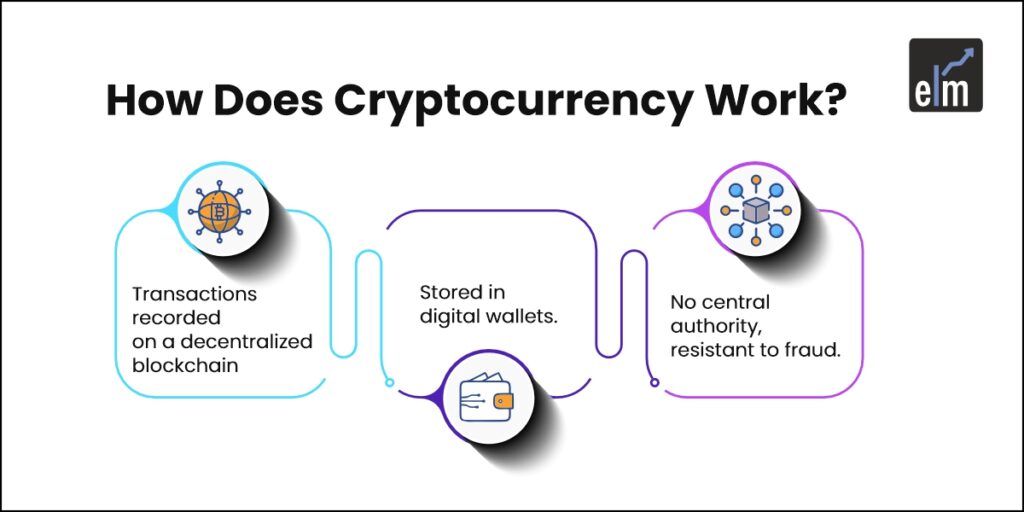
- Decentralization: This is the bedrock of most cryptocurrencies. It means no single entity controls the network. Instead, transactions are verified and recorded by a distributed network of computers (nodes). Financially, this implies censorship resistance and a reduced risk of governmental seizure or control, though it also means you are your own bank and bear full responsibility for your assets.
- Blockchain: This is the underlying technology – a distributed, immutable ledger that records all transactions across many computers. For financial users, the blockchain provides transparency and security. Every transaction is publicly verifiable, reducing fraud and increasing trust, without revealing personal identities directly.
- Digital Wallets: These are essential for storing, sending, and receiving cryptocurrencies. Financially, think of them as your bank account for digital assets. They don’t technically hold your crypto but store the private keys that prove ownership of your coins on the blockchain. There are various types, from software wallets (hot wallets, always connected to the internet) to hardware wallets (cold wallets, offline for enhanced security), each with different financial security implications.
Dispelling Myths: Volatility vs. Opportunity
One of the most significant barriers to entry for many is cryptocurrency’s reputation for extreme volatility. While it’s true that crypto markets can experience rapid and dramatic price swings, it’s crucial to view this through a financial lens of risk management and opportunity. Volatility is a double-edged sword: it presents higher risk, but also higher potential returns. For long-term investors, market corrections can be seen as buying opportunities. For short-term traders, volatility is the very engine of profit. The key is to understand your risk tolerance and invest only what you can afford to lose, recognizing that significant opportunities often come with commensurately higher risks.
Acquiring and Managing Your Digital Assets
Once you grasp the basics, the next step is practical engagement: acquiring cryptocurrency and managing it securely. This process involves choosing the right platforms and implementing sound financial security practices.
Choosing a Reputable Cryptocurrency Exchange
An exchange is your gateway to buying and selling cryptocurrencies. Selecting the right one is a critical financial decision, impacting security, fees, available assets, and ease of use. When evaluating exchanges, consider:
- Regulatory Compliance: Does the exchange adhere to local financial regulations (e.g., KYC/AML)? This often indicates a higher level of security and legitimacy.
- Security Measures: Look for features like two-factor authentication (2FA), cold storage for a majority of user funds, and insurance policies (though these vary greatly). Your financial assets are only as secure as the platform you choose.
- Fees: Understand the trading fees, deposit/withdrawal fees, and any hidden costs. These can significantly impact your net returns, especially for frequent transactions.
- Liquidity: High liquidity means you can buy and sell large amounts without significantly affecting the price, which is crucial for efficient trading.
- Available Cryptocurrencies: Ensure the exchange lists the specific cryptocurrencies you wish to buy or sell.
- User Interface and Support: A user-friendly interface simplifies your financial operations, and responsive customer support is invaluable if you encounter issues.
Common choices include Coinbase, Binance, Kraken, and Gemini, each with different strengths.
Funding Your Account and Making Your First Purchase
After choosing an exchange, the process typically involves:
- Account Registration: Sign up with your personal details.
- Identity Verification (KYC): Most regulated exchanges require you to verify your identity by submitting ID documents. This is a financial requirement to prevent fraud and money laundering.
- Funding Your Account: You can typically deposit funds via bank transfer (ACH/SEPA), debit/credit card, or sometimes even PayPal. Be mindful of deposit limits and associated fees.
- Placing an Order: Once funded, navigate to the trading interface. You can place a “market order” (to buy at the current best price) or a “limit order” (to buy at a specific price you set). For beginners, starting with well-established cryptocurrencies like Bitcoin or Ethereum is often recommended due to their liquidity and market cap.
Securing Your Digital Assets: Wallet Types and Best Practices
Once purchased, your cryptocurrency resides on the exchange. However, for long-term holding, it is generally recommended to withdraw your assets to a personal wallet for enhanced security. This gives you full control over your private keys.
- Hot Wallets (Software Wallets): These are connected to the internet (e.g., mobile apps, desktop applications, web wallets). They offer convenience for frequent transactions but are more susceptible to online threats.
- Cold Wallets (Hardware Wallets): These are physical devices that store your private keys offline. They are considered the most secure option for significant holdings as they protect against online hacking. Examples include Ledger and Trezor.
Financial Security Best Practices: - Use Strong, Unique Passwords: For all crypto-related accounts.
- Enable 2FA: On exchanges and wallets whenever possible.
- Backup Seed Phrases/Recovery Phrases: These 12-24 word phrases are the master key to your funds. Store them offline, securely, and never share them with anyone. Losing them means losing your funds.
- Be Wary of Phishing Scams: Always double-check URLs and never click on suspicious links.
- Diversify Storage: Don’t keep all your eggs in one basket, especially if you hold a significant amount.
Practical Applications of Cryptocurrency in Personal Finance
Beyond mere acquisition, cryptocurrency offers a diverse array of practical applications that can augment your personal financial strategy.

Investing and Wealth Building: Long-Term Holding vs. Trading
- Long-Term Holding (HODLing): This strategy involves buying cryptocurrencies and holding them for an extended period, often years, with the expectation that their value will increase over time. It requires patience and a strong belief in the asset’s fundamentals. For many, this is a core part of a diversified investment portfolio.
- Trading: This involves more frequent buying and selling, aiming to profit from short-term price fluctuations. It can be highly lucrative but also carries significantly higher risk, requiring deep market analysis, technical skills, and emotional discipline. Trading strategies can range from day trading to swing trading.
Peer-to-Peer Transactions and International Remittances
Cryptocurrency excels in facilitating direct, peer-to-peer (P2P) transactions, bypassing traditional financial intermediaries. This makes it ideal for:
- Sending Money Globally: International remittances can be sent and received much faster and cheaper than through banks or traditional money transfer services, benefiting families and businesses with cross-border financial needs.
- Direct Payments: Paying friends, family, or even certain merchants directly using crypto can be instantaneous and avoid bank fees.
Using Crypto for Online Purchases and Services
While not universally accepted, the utility of cryptocurrency for direct purchases is growing. Some online retailers and service providers now accept crypto payments directly or through payment processors. Stablecoins, which are pegged to the value of fiat currencies like the USD, are particularly useful here as they offer the speed and low fees of crypto without the price volatility. This expands your purchasing power beyond traditional fiat currencies.
Earning Income with Crypto: Staking, Lending, and Yield Farming
Beyond capital appreciation from holding, several avenues allow you to generate passive income from your cryptocurrency holdings:
- Staking: For cryptocurrencies that use a Proof-of-Stake (PoS) consensus mechanism, you can “stake” your coins to support the network’s operations and, in return, earn rewards (more coins). This is akin to earning interest in a savings account.
- Lending: You can lend out your cryptocurrency to others through decentralized finance (DeFi) platforms or centralized exchanges, earning interest on your loaned assets. This involves assessing the credit risk of borrowers or the smart contract risk of the platform.
- Yield Farming: A more advanced DeFi strategy where users lock up their crypto in various protocols to earn high returns (yield) in the form of fees or additional cryptocurrency. This often involves more complex strategies and higher risks.
These methods offer innovative ways to put your digital assets to work and generate additional income streams, diversifying your overall financial portfolio.
Navigating the Financial and Regulatory Landscape
As with any financial endeavor, using cryptocurrency comes with regulatory implications and inherent risks that must be understood and managed.
Understanding Taxes on Cryptocurrency Holdings and Transactions
Taxation is a crucial financial consideration. Most jurisdictions treat cryptocurrency as property, meaning:
- Capital Gains Tax: You will likely owe capital gains tax when you sell cryptocurrency for a profit, exchange it for another cryptocurrency, or use it to purchase goods and services. The tax rate often depends on whether it’s a short-term (held for less than a year) or long-term gain.
- Income Tax: If you earn crypto through staking, mining, airdrops, or as payment for services, it’s typically considered taxable income at its fair market value at the time of receipt.
- Record Keeping: Meticulous record-keeping of all your crypto transactions (purchase price, sale price, dates, fees) is essential for accurate tax reporting. Consulting with a tax professional experienced in cryptocurrency is highly recommended to ensure compliance.
Risk Management and Volatility Considerations
While opportunities abound, the risks associated with cryptocurrency are significant and require careful management:
- Market Volatility: As discussed, prices can fluctuate wildly. Only invest what you can afford to lose.
- Security Risks: Despite blockchain’s security, individual users are vulnerable to hacks, scams, and losing private keys. Robust security practices are paramount.
- Regulatory Uncertainty: The regulatory landscape is still evolving. New laws or bans could impact crypto values and usability.
- Project Failure: Not all crypto projects succeed. Some may fail, or prove to be scams, leading to a total loss of investment. Diversification across different assets and thorough research (due diligence) are key risk mitigation strategies.
Regulatory Trends and the Future of Digital Finance
Governments worldwide are grappling with how to regulate cryptocurrency, leading to a patchwork of laws. This evolving environment has significant financial implications:
- Consumer Protection: Regulations often aim to protect investors from fraud and market manipulation.
- Financial Stability: Regulators are concerned about the potential impact of crypto on traditional financial systems.
- Innovation vs. Control: Striking a balance between fostering innovation and maintaining control over monetary policy and financial integrity is a constant challenge.
Staying informed about regulatory developments in your region is vital, as it can influence the legality of certain activities, tax obligations, and the overall market sentiment. The future of digital finance will undoubtedly be shaped by how these regulatory frameworks evolve, potentially bringing more stability and mainstream adoption, or conversely, creating hurdles for certain uses.
Advanced Strategies and the Evolving Landscape of Crypto Finance
As your comfort level and financial acumen in cryptocurrency grow, more advanced strategies and emerging trends offer further avenues for engagement and potential returns.
Decentralized Finance (DeFi) Opportunities
DeFi refers to a growing ecosystem of financial applications built on blockchain technology, primarily Ethereum. These applications aim to replicate traditional financial services (lending, borrowing, trading, insurance) without intermediaries like banks.
- Lending & Borrowing: Earn interest by lending out your crypto or take out loans against your crypto collateral.
- Decentralized Exchanges (DEXs): Trade cryptocurrencies directly peer-to-peer without a centralized custodian, offering greater control and often anonymity.
- Liquidity Provision: Supply assets to DEXs or lending pools to earn a share of trading fees or interest.
DeFi offers innovative ways to put your assets to work, potentially generating higher returns than traditional finance. However, it also comes with increased risks related to smart contract vulnerabilities, impermanent loss, and the complexity of the protocols themselves. A thorough understanding of the underlying mechanics and risks is essential before participating.
NFTs Beyond Collectibles: Financial Utility
Non-Fungible Tokens (NFTs) have gained notoriety as digital collectibles, but their financial utility extends far beyond art. NFTs can represent ownership of any unique asset, digital or physical.
- Real Estate Fractionalization: NFTs can represent a fractional share of real estate, making property investment more accessible.
- Tokenized Securities: Digital representations of traditional assets like stocks or bonds, offering increased liquidity and transparency.
- Gaming and Metaverse Economies: NFTs are central to play-to-earn models, allowing players to own in-game assets that can be traded for real financial value.
Exploring NFTs through a financial lens reveals their potential to tokenize various assets, creating new markets and investment opportunities, albeit with their own set of valuation challenges and market risks.
The Evolving Role of Stablecoins in Everyday Transactions
Stablecoins are cryptocurrencies designed to minimize price volatility by being pegged to a stable asset, usually a fiat currency like the U.S. dollar. They bridge the gap between volatile cryptocurrencies and traditional finance.
- Reduced Volatility: Ideal for making payments, saving, or acting as a stable store of value within the crypto ecosystem.
- Facilitating Trade: Used extensively in DeFi and on exchanges to easily move in and out of volatile assets without converting back to fiat.
- International Payments: Offer the speed and low cost of crypto with the stability of traditional currencies, making them excellent for cross-border financial settlements.
Stablecoins are becoming increasingly important for everyday financial use cases within the crypto space, offering a practical solution for those seeking the benefits of blockchain transactions without the associated price swings.
Conclusion
The journey into using cryptocurrency is an exploration of a rapidly evolving financial frontier. From understanding its decentralized nature and securing your digital assets to leveraging it for investment, income generation, and efficient transactions, the opportunities are vast. However, true financial prudence demands a keen awareness of the associated risks, regulatory obligations, and the importance of continuous learning. By approaching cryptocurrency with a professional mindset, combining diligent research with sound risk management, you can effectively integrate this powerful new asset class into your financial strategy, unlocking a world of digital possibilities. The future of finance is here, and understanding how to navigate it is becoming an indispensable skill.
aViewFromTheCave is a participant in the Amazon Services LLC Associates Program, an affiliate advertising program designed to provide a means for sites to earn advertising fees by advertising and linking to Amazon.com. Amazon, the Amazon logo, AmazonSupply, and the AmazonSupply logo are trademarks of Amazon.com, Inc. or its affiliates. As an Amazon Associate we earn affiliate commissions from qualifying purchases.