
The landscape of home entertainment has undergone a seismic shift over the last decade, transitioning from coaxial cables and set-top boxes to high-speed data packets and cloud-based infrastructure. At the forefront of this digital transformation is YouTube TV, Google’s premier venture into the Live TV streaming market. While the question “how much is YouTube TV?” seems straightforward, the answer lies at the intersection of sophisticated software engineering, cloud computing, and a tiered service model designed to replace traditional cable. For tech enthusiasts and cord-cutters alike, understanding the cost involves analyzing the technical value proposition that distinguishes this platform from its competitors.
Understanding the Base Plan and Technical Infrastructure
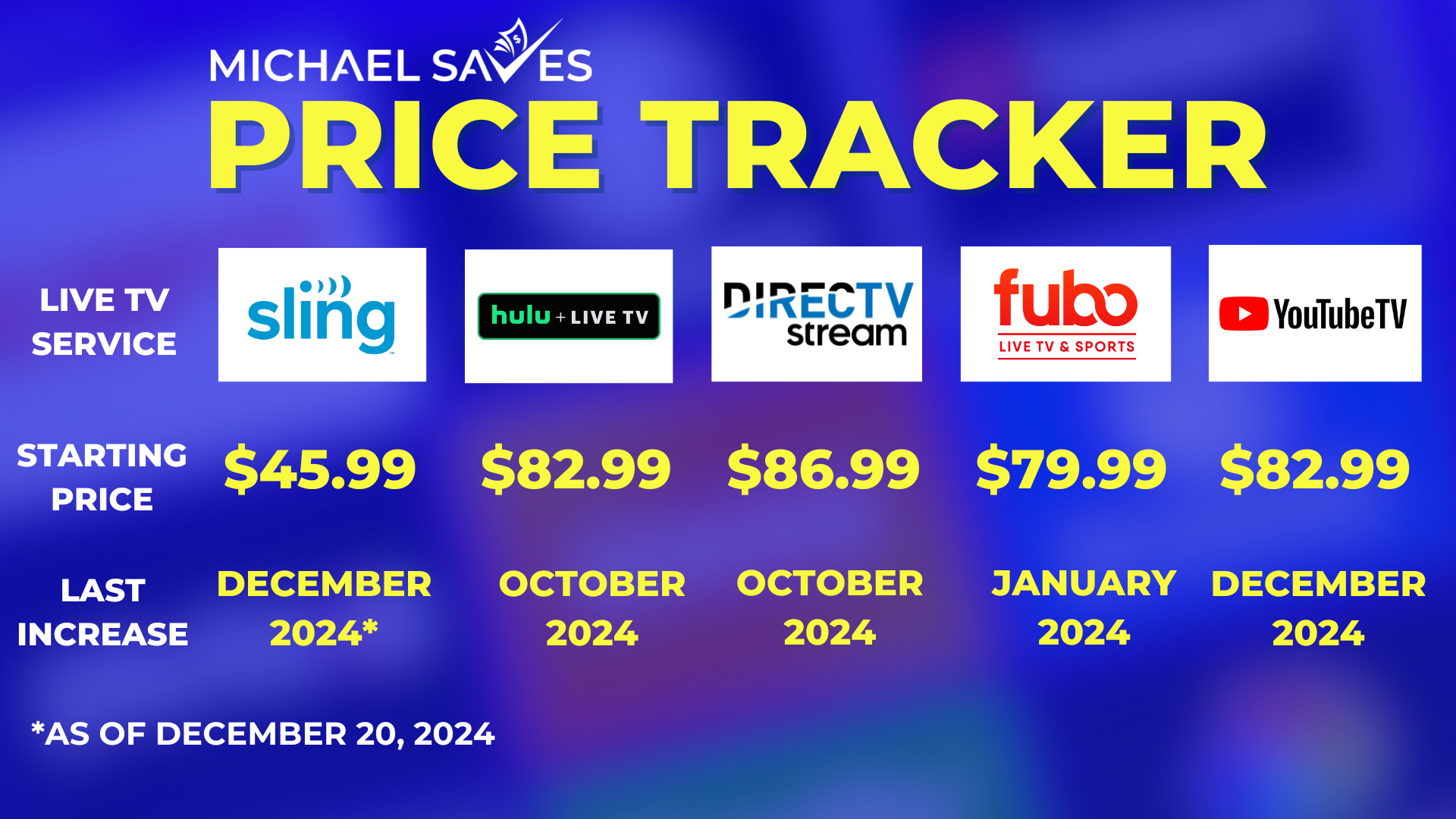
As of 2024, the standard subscription for YouTube TV is positioned at a premium tier compared to on-demand services like Netflix or Disney+. This pricing reflects the massive technical overhead required to license, encode, and distribute live broadcast signals with minimal latency. The base plan serves as the entry point into a sophisticated ecosystem that leverages Google’s global server network to ensure uptime and high-definition playback across various geographical regions.
Pricing Breakdown and the Cost of Cloud Innovation
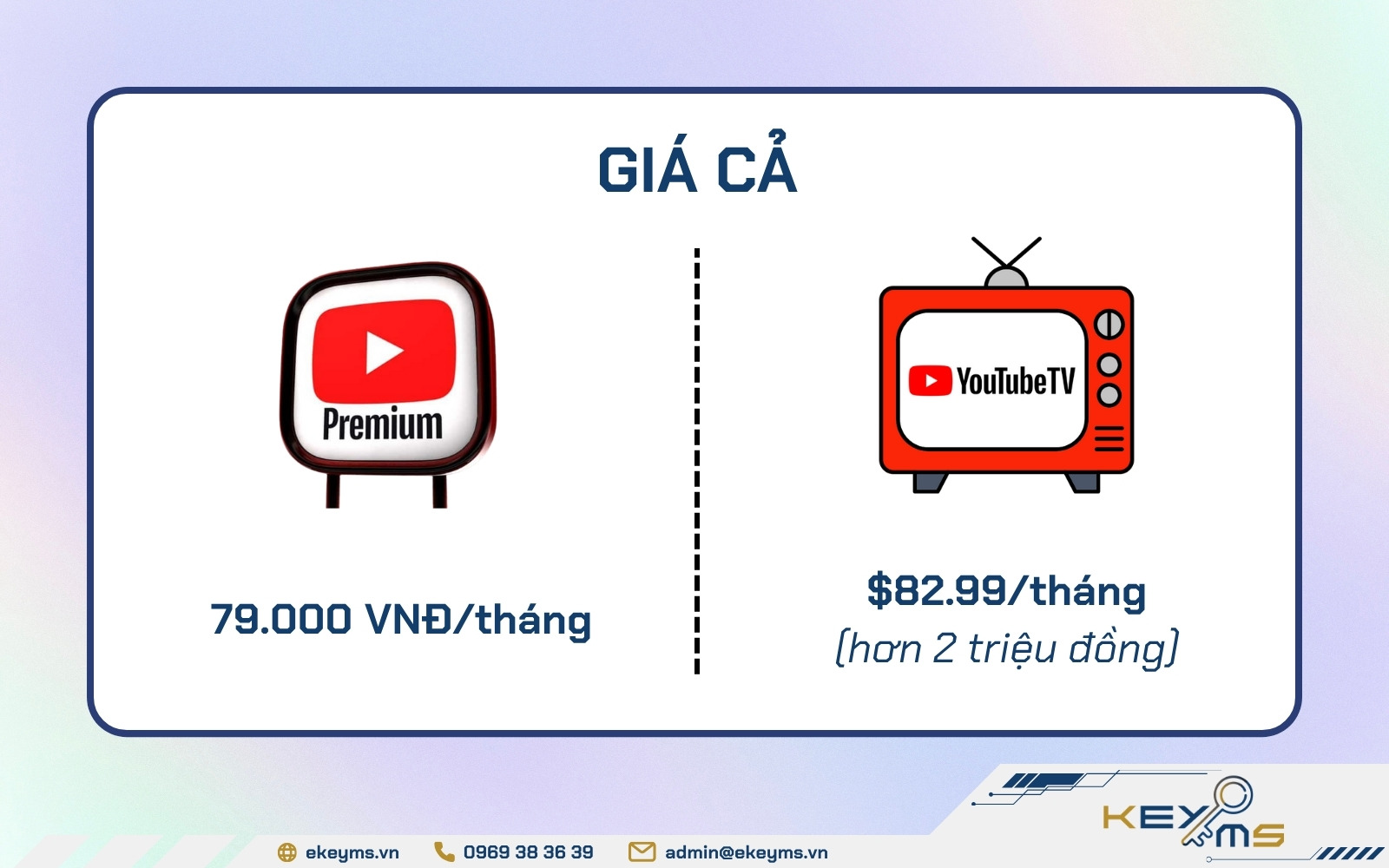
The current monthly cost for the YouTube TV Base Plan is $72.99. While this may appear high compared to simple streaming apps, it is important to view this through the lens of a “Software as a Service” (SaaS) model. Unlike traditional cable, which requires physical hardware installation and localized maintenance, YouTube TV’s cost covers the maintenance of high-bandwidth pipelines and the continuous updating of its user interface. The subscription includes over 100 channels, ranging from local network affiliates to national sports and news outlets. This requires a complex backend capable of handling “dynamic ad insertion” and regional blackouts, technical feats that justify the monthly investment.
Hardware Compatibility: From Smart TVs to Mobile Ecosystems
One of the primary tech-driven benefits of the YouTube TV price point is its expansive device compatibility. Unlike the locked-in ecosystems of the past, YouTube TV is designed to run natively on a vast array of hardware. This includes dedicated streaming sticks like the Chromecast with Google TV, Roku, and Amazon Fire TV, as well as integrated operating systems within Samsung, LG, and Vizio smart TVs.
The software architecture is optimized for different processing powers; for instance, the mobile app (available on iOS and Android) is built to handle seamless transitions between Wi-Fi and cellular data without dropping the stream’s integrity. This “cross-platform fluidity” is a hallmark of Google’s development philosophy, ensuring that the user experience remains consistent whether the viewer is using a high-end 4K monitor or a mid-range smartphone.
The Power of Unlimited Cloud DVR and AI Algorithms
When evaluating the cost of YouTube TV, the most significant technical advantage over its rivals is the integration of an unlimited Cloud DVR. Traditional Digital Video Recorders were limited by the physical capacity of a hard drive—usually 500GB to 1TB. YouTube TV has effectively disrupted this limitation by utilizing Google’s massive data centers to store user recordings in the cloud.
Redefining Storage: Why Unlimited DVR is a Tech Game-Changer
The “unlimited” nature of the DVR means that users do not have to manage their storage or worry about deleting old shows to make room for new ones. From a technical standpoint, this is an impressive feat of server-side management. When a user “records” a show, they aren’t necessarily saving a unique file to a personal drive; instead, they are being granted access to a high-quality master copy of that broadcast stored on Google’s servers, indexed to their specific account. This metadata-driven approach allows for instant playback and the ability to skip commercials on many recorded programs, significantly enhancing the utility of the service. Each recording is kept for up to nine months, providing a robust library of content that scales with the user’s interests at no additional hardware cost.
Personalization Engines: How AI Shapes Your Viewing Experience
The integration of Google’s proprietary search and recommendation algorithms is another layer of the “Tech” value. The YouTube TV interface utilizes machine learning to analyze viewing habits and suggest content in real-time. This is not a static list; it is a dynamic “Home” tab that prioritizes live events based on previous interactions. For example, if the system detects a preference for a specific NFL team, it will prioritize that broadcast on the dashboard as soon as the game begins. This level of AI integration reduces the “time-to-content” metric, a key KPI in software design, making the $72.99 price point feel like a more personalized, premium experience.
Add-ons and Premium Tech: Enhancing the Experience
Beyond the base plan, YouTube TV offers several technical upgrades for users who demand the highest fidelity and the most advanced features. These add-ons demonstrate the platform’s scalability and its ability to cater to the “prosumer” segment of the market.
The 4K Plus Package: Bandwidth Requirements and Visual Fidelity
For an additional monthly fee (often varying based on promotional cycles), users can opt for the “4K Plus” add-on. This is not merely a resolution bump; it is a significant technological upgrade. The 4K Plus package enables Ultra High Definition (UHD) streaming for select live and on-demand content. However, to utilize this, the user’s home network must support at least 25 Mbps of dedicated bandwidth per 4K stream.
Moreover, the 4K Plus add-on enables “offline viewing” for DVR recordings on mobile devices, allowing users to download content—a technical feature typically reserved for on-demand services rather than live TV providers. It also expands the “unlimited concurrent streams” capability at home, allowing an entire household to watch different programs simultaneously on the same network. This requires robust local network management and high-performance routers to avoid congestion.
Sports Multiview: Technical Implementation of Simultaneous Streams
One of the most innovative technical features introduced recently is “Multiview.” Primarily designed for sports enthusiasts (and heavily utilized during the NFL Sunday Ticket broadcasts), Multiview allows users to watch up to four different live streams on a single screen. Unlike earlier iterations of picture-in-picture technology, YouTube TV’s Multiview is processed on the server side. This means that instead of the user’s device trying to decode four separate video streams at once—which would crash most low-power streaming sticks—Google’s servers combine the feeds into a single stream before it ever reaches the user. This is a brilliant example of using cloud computing to bypass local hardware limitations.
Network Optimization and Digital Security Protocols
A service as data-intensive as YouTube TV requires more than just a subscription; it requires a tech-forward approach to home networking and security. As users transition away from cable, they must take on the role of their own IT administrator to ensure the service functions optimally.
Internet Speed Requirements for Buffer-Free Streaming
To justify the cost of YouTube TV, the underlying internet infrastructure must be sound. While the service can run on speeds as low as 3 Mbps for standard definition, the modern tech standard is much higher. For a seamless 1080p experience on multiple devices, a stable connection of at least 50-100 Mbps is recommended. Users should also consider the “latency” or “ping” of their connection, especially during live events where a delay of even a few seconds can result in “spoilers” from social media or neighbors.
Account Security and Family Sharing Permissions
From a digital security perspective, YouTube TV is tied directly to the Google Account ecosystem. This allows for advanced security features like Two-Factor Authentication (2FA) and Passkey support, protecting the user’s subscription and billing information. Furthermore, the “Family Sharing” feature allows for up to six individual profiles under one household cost. Each profile gets its own personalized recommendations and private DVR library. Technically, this is managed through Google’s “Family Link” infrastructure, ensuring that data privacy is maintained between family members while sharing the financial cost of the subscription.
The Future: YouTube TV in the Era of Next-Gen Broadcasting
As we look toward the future of the platform, the evolution of YouTube TV will likely be dictated by advancements in video codecs and smart home integration. The service is already experimenting with lower-latency streams and better compression algorithms like AV1, which aim to provide higher visual quality at lower bitrates.
Integration with Smart Home Ecosystems
The final frontier for YouTube TV is its role within the broader “Internet of Things” (IoT). Integration with Google Assistant allows users to control their TV via voice commands on Nest Hubs or smartphones (“Hey Google, play ESPN on the Living Room TV”). This level of interconnectedness positions YouTube TV not just as a channel provider, but as a central pillar of the modern smart home. As the technology matures, we can expect deeper integration with home automation, such as dimming the lights automatically when a movie starts or displaying doorbell camera feeds as a notification over a live broadcast.
In conclusion, while the answer to “how much is YouTube TV” begins with a price tag of $72.99, the true value is found in its sophisticated tech stack. From its unlimited cloud-based storage and AI-driven personalization to its server-side multiview processing and 4K capabilities, YouTube TV represents the pinnacle of modern software engineering in the entertainment space. For the tech-savvy consumer, it is more than just a way to watch television—it is a robust, scalable, and highly integrated digital service that defines the next generation of media consumption.
aViewFromTheCave is a participant in the Amazon Services LLC Associates Program, an affiliate advertising program designed to provide a means for sites to earn advertising fees by advertising and linking to Amazon.com. Amazon, the Amazon logo, AmazonSupply, and the AmazonSupply logo are trademarks of Amazon.com, Inc. or its affiliates. As an Amazon Associate we earn affiliate commissions from qualifying purchases.