
In the digital age, subscription services have become an integral part of our daily lives, from streaming entertainment to productivity tools. Among the most pervasive and arguably transformative is Amazon Prime. What began primarily as a fast shipping program has blossomed into an ecosystem of benefits that touches various aspects of consumer life. Yet, for many, the fundamental question remains: “How much does Amazon Prime cost?” More importantly, “Is that cost justified by the value it delivers?”
This article delves deep into the financial considerations surrounding Amazon Prime. We’ll meticulously break down its current pricing structures, explore the myriad benefits that contribute to its perceived value, and equip you with the insights needed to conduct a personal financial analysis of whether this membership truly aligns with your budgetary goals and lifestyle needs. For the savvy consumer, understanding the true cost and potential savings of Prime is paramount to intelligent personal finance management.
The Current Cost of Amazon Prime: A Detailed Breakdown
Understanding the exact price of Amazon Prime is the first step in evaluating its financial impact. While Amazon often adjusts its pricing, there are standard structures and special considerations that can influence your personal outlay.
Annual vs. Monthly: Understanding Your Options
Amazon Prime primarily offers two main payment structures for its full membership:
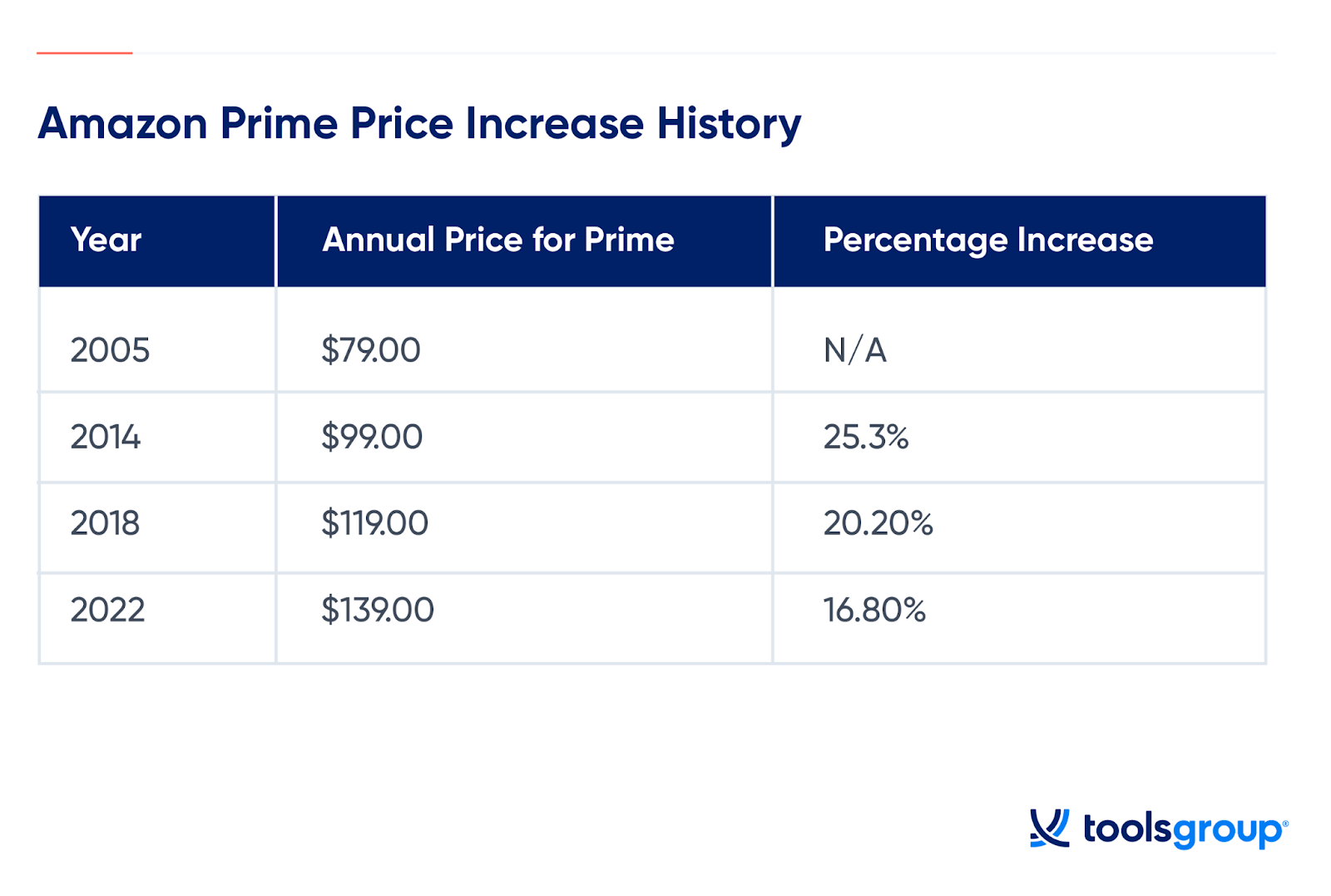
- Annual Membership: This is typically the most cost-effective option for long-term users. Paying annually offers a discount compared to paying month-to-month over a year. As of recent updates, the annual fee generally hovers around $139 in the United States. This upfront payment secures 12 months of service.
- Monthly Membership: For those who prefer flexibility or are unsure about a long-term commitment, a monthly option is available. This typically costs around $14.99 per month. While this provides the freedom to cancel anytime, paying $14.99 for 12 months would accumulate to $179.88, making the annual membership a clear financial winner if you intend to keep Prime for the entire year.
The choice between annual and monthly largely depends on your financial planning and anticipated usage. If you’re confident in utilizing Prime for the majority of the year, the annual plan represents a direct saving. If your needs are seasonal, or you’re testing the waters, the monthly plan offers less financial commitment.
Special Discounts: Student, EBT, and Medicaid Programs
Amazon recognizes that not all financial situations are equal, and offers significantly reduced Prime memberships for specific demographics, making it more accessible and financially sustainable for these groups.
- Prime Student: For verified college students, Amazon offers a highly attractive discounted membership. This typically includes a six-month free trial, followed by a reduced monthly or annual fee, often around $7.49 per month or $69 per year. This program is a substantial financial boon for students, providing access to essential shipping benefits and entertainment without breaking the bank.
- Prime EBT/Medicaid Recipients: Individuals who receive qualifying government assistance, such as EBT or Medicaid benefits, are eligible for a reduced Prime membership. This plan typically costs around $6.99 per month. This initiative underscores Amazon’s effort to make its services more inclusive and affordable for lower-income households, ensuring they can also benefit from fast shipping and other digital perks.
These discounted programs are not merely conveniences; they represent significant personal finance opportunities for eligible individuals. By reducing a substantial recurring expense, they free up financial resources for other necessities or savings.
Regional Variations and Add-ons
It’s important to note that Amazon Prime pricing can vary by country. While this article primarily focuses on U.S. pricing, consumers in Canada, the UK, Germany, Japan, and other regions will encounter different price points reflecting local market conditions and benefit structures. Additionally, Amazon offers various add-on subscriptions (e.g., specific streaming channels, music services) that are separate from the core Prime membership. While these enhance the overall Amazon ecosystem, they incur additional costs and should be evaluated independently in your budget.
Beyond the Price Tag: Unpacking Amazon Prime’s Value Proposition
Simply knowing “how much” Prime costs doesn’t paint the full picture. The true financial question for consumers is: “What value do I receive for that cost?” Amazon Prime isn’t just about shipping; it’s a bundle of services that, when utilized effectively, can offer substantial financial and convenience benefits.
Shipping Savings: The Most Obvious Benefit
The cornerstone of Amazon Prime, and often its primary draw, is expedited shipping.
- Free Two-Day Shipping: This was the original selling point, and it remains incredibly valuable for frequent online shoppers. Avoiding individual shipping fees, which can range from $5 to $15 per order, can lead to significant savings over a year, especially for households that place multiple Amazon orders monthly.
- Free One-Day, Same-Day, and Even Two-Hour Delivery (in select areas): As shipping options have evolved, Prime now offers even faster delivery, further enhancing convenience and potentially saving money on last-minute purchases that might otherwise require a trip to a brick-and-mortar store or higher expedited shipping fees from other retailers.
- Prime Pantry and Fresh: For groceries and household staples, Prime members often get access to free delivery windows or reduced delivery fees, which can cut down on fuel costs and time spent shopping in physical stores.
For a household that places even a few orders a month, the shipping savings alone can often offset a substantial portion, if not all, of the annual Prime membership fee. This is a direct financial benefit that’s relatively easy to quantify.
Entertainment Hub: Streaming and Music
Beyond shipping, Prime offers a robust suite of digital entertainment that, if purchased separately, would constitute a significant monthly expense.
- Prime Video: Included with membership, this service provides access to a vast library of movies, TV shows, and Amazon Originals. For many, Prime Video effectively replaces or supplements other streaming subscriptions, offering a direct saving on entertainment costs.
- Amazon Music Prime: This service offers ad-free access to a curated selection of millions of songs and thousands of stations and playlists. While not as extensive as Amazon Music Unlimited, it can serve as a primary music streaming service for casual listeners, negating the need for another paid subscription.
- Prime Gaming (formerly Twitch Prime): Members receive free games, in-game content, and a free monthly Twitch channel subscription, providing entertainment value for gamers without additional financial outlay.
If you would otherwise pay for separate video and music streaming services, Prime’s included entertainment options represent a clear financial advantage, consolidating these expenses under one umbrella.
Digital Perks: Storage, Reading, Gaming
The value extends further into less obvious, but equally useful, digital benefits.
- Amazon Photos: Prime members get unlimited full-resolution photo storage, plus 5 GB of video storage. Cloud storage services can cost several dollars per month, so this benefit provides a direct saving for those who value digital photo backup.
- Prime Reading: Access to a rotating selection of free eBooks, magazines, comics, and audiobooks. For avid readers, this can reduce spending on individual book purchases.
- Prime Try Before You Buy (formerly Prime Wardrobe): Allows members to try on clothes before buying, reducing the financial risk and hassle associated with online clothing purchases and returns.
These digital perks might not individually justify the Prime cost, but when aggregated, they add significant layers of value that contribute to the overall financial proposition.
Exclusive Deals and Prime Day
Amazon strategically uses Prime to offer exclusive discounts and shopping events.
- Prime Day: An annual event exclusively for Prime members, offering substantial discounts across various product categories. For consumers who plan larger purchases around this event, the savings can be considerable.
- Early Access to Lightning Deals: Prime members often get a 30-minute head start on certain Lightning Deals, increasing their chances of snagging popular items before they sell out.
- Whole Foods Market Discounts: Prime members receive exclusive savings and 5% back on select products when shopping at Whole Foods, providing a direct financial benefit for those who frequent the grocery chain.
For strategic shoppers, these exclusive deals, particularly Prime Day, can result in savings that easily surpass the annual membership fee, transforming Prime from a cost into an investment that yields returns.
Is Amazon Prime Worth It? A Financial Analysis for the Savvy Consumer
The ultimate question is not “how much is Prime?” but “is it worth it for me?” Answering this requires a personalized financial analysis, weighing your usage patterns against the membership cost.
Calculating Your Break-Even Point

The most straightforward way to assess Prime’s value is to calculate your personal break-even point based on shipping savings.
- Identify Your Average Shipping Cost: Estimate what you would typically pay for shipping on Amazon orders if you weren’t a Prime member. For example, if Amazon charges $6 for standard shipping on non-Prime eligible items under a certain threshold.
- Determine Your Annual Prime Cost: For a standard annual membership, this is $139.
- Calculate Required Orders: Divide your annual Prime cost by your average shipping cost per order. If shipping is $6 per order, you would need to place approximately 23-24 orders per year ($139 / $6 = 23.17) to break even on shipping alone.
If you consistently place more orders than your calculated break-even point, Prime is likely saving you money on shipping. This calculation doesn’t even account for the value of entertainment, digital perks, or exclusive deals, which further sweeten the financial proposition.
The Opportunity Cost of Subscription Services
Every dollar spent on a subscription service like Amazon Prime is a dollar that cannot be spent or saved elsewhere. This is the concept of opportunity cost. While Prime offers bundled value, it’s crucial to assess if you genuinely utilize enough of those benefits to justify the expense.
- Do you need fast shipping regularly? If you only order from Amazon a few times a year, the shipping benefits might not be enough to cover the cost.
- Do you use Prime Video and Music? If you already subscribe to Netflix, Hulu, Spotify, and rarely watch or listen to Prime’s offerings, that aspect of its value is lost on you.
- Do you leverage Prime Day or Whole Foods discounts? If you’re not a strategic shopper or don’t shop at Whole Foods, these benefits won’t contribute to your savings.
A critical look at your actual usage versus the theoretical benefits is essential to avoid paying for services you don’t fully exploit.
When to Consider Alternatives
Amazon Prime isn’t the only game in town. Depending on your primary needs, alternatives might be more cost-effective.
- For shipping: Some retailers offer free shipping with a minimum purchase, or via their own loyalty programs. Consolidating purchases with one retailer can help meet these thresholds.
- For entertainment: Focused streaming services like Netflix, Disney+, Hulu, or dedicated music platforms like Spotify Premium or Apple Music might offer a better content library for your specific preferences at a comparable or lower individual cost, especially if you don’t need the shipping benefits.
- For digital storage: Services like Google Drive, Dropbox, or iCloud offer competitive cloud storage plans.
If your primary interest is just one or two of Prime’s features, it might be more financially prudent to seek out specialized, lower-cost alternatives rather than paying for the entire bundle.
Navigating Prime’s Financial Landscape: Strategies for Smart Membership Management
Once you’ve decided Prime might be a good fit, smart management can further enhance its financial benefits and ensure you’re maximizing your investment.
Leveraging Prime’s Benefits Fully
To truly get your money’s worth, actively engage with the full spectrum of Prime benefits.
- Consolidate Purchases: Whenever possible, prioritize Amazon for purchases where free, fast shipping is advantageous.
- Explore Prime Video and Music: Make it a habit to check Prime Video for movies and shows before looking to other paid services. Utilize Amazon Music Prime for your daily listening.
- Use Amazon Photos: Migrate your photo backups to Amazon Photos to take advantage of unlimited storage.
- Plan Around Prime Day: If you have larger purchases coming up, strategically wait for Prime Day to capitalize on significant discounts.
- Share Your Benefits: Prime allows for household sharing, where two adults and up to four children can share certain benefits like shipping and streaming. This effectively doubles the value for two households at no extra cost.
Proactive engagement with the features you’re paying for is key to realizing their full financial potential.
Monitoring Your Usage
It’s wise to periodically review your Amazon Prime usage.
- Track Orders: Keep a mental note or even a spreadsheet of how many Prime-eligible orders you place over a few months.
- Assess Entertainment Consumption: Are you regularly watching Prime Video or listening to Amazon Music Prime?
- Review Other Benefits: Are you using Prime Reading, Prime Gaming, or benefiting from Whole Foods discounts?
If your usage dwindles, it might be a signal to reconsider the membership or explore alternatives. A biannual check-in can help ensure Prime remains a financially sound decision.
The Pros and Cons of Autorenewal
Amazon Prime, like most subscription services, typically defaults to autorenewal.
- Pros: Convenience, uninterrupted service, avoids lapses in benefits.
- Cons: Can lead to paying for a service you no longer need or actively use, especially if your financial situation or usage patterns change.
It’s good practice to mark your calendar for your Prime renewal date and use it as an annual prompt to re-evaluate its value. You can easily manage autorenewal settings in your Amazon account.
Exploring Family Sharing
As mentioned, Amazon Household allows two adults to link their accounts and share select Prime benefits, including free shipping, Prime Video, and Prime Reading. This can be a huge financial advantage for families or partners, effectively providing two memberships for the price of one. If you haven’t set this up, it’s a simple way to instantly double the value of your existing membership.
The Evolving Cost of Convenience: Amazon Prime in Your Personal Finance Strategy
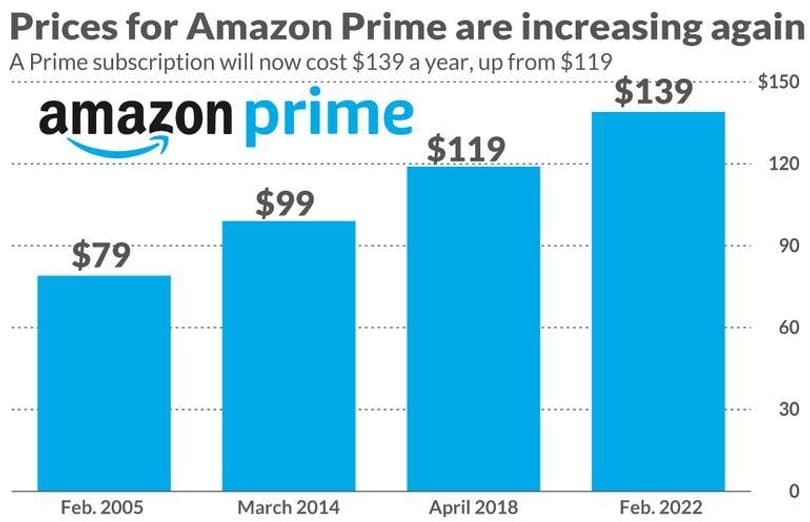
Amazon Prime’s pricing and benefits are subject to change, reflecting market conditions, inflation, and Amazon’s strategic priorities. For consumers, this means maintaining a dynamic approach to evaluating its place in their personal finance strategy.
Budgeting for Digital Subscriptions
In an era of “subscription fatigue,” allocating a specific portion of your budget to digital services is crucial.
- Create a Subscription Inventory: List all your recurring digital subscriptions (streaming, music, cloud storage, productivity tools, Prime).
- Calculate Total Monthly/Annual Spend: Sum up the costs.
- Prioritize and Prune: Determine which services are truly essential, which offer substantial value, and which can be cut. Amazon Prime often falls into the “essential” or “high value” category for many, but it should still be subjected to this rigorous review.
Treating subscriptions as a category within your budget, rather than isolated expenses, provides a clearer picture of your recurring outgoings and helps identify areas for optimization.
The Long-Term Financial Impact
While the individual cost of Prime might seem manageable, its cumulative impact over years can be substantial. Over 10 years, an annual Prime membership could cost you $1390 (at current rates). This significant outlay underscores the importance of a thoughtful, ongoing evaluation of its financial worth. Is that investment consistently delivering comparable or greater value in savings, convenience, and entertainment?
Making an Informed Decision
Ultimately, the decision to subscribe to Amazon Prime, and which tier to choose, is a personal financial one. It requires a clear understanding of the costs, an honest assessment of your usage patterns, and a careful consideration of the alternatives. For many, the blend of shipping benefits, entertainment, and digital perks makes Prime a compelling proposition that delivers tangible financial savings and convenience. For others, a more minimalist approach to subscriptions or a reliance on alternative services might be more fiscally responsible. By deconstructing the “how much” and analyzing the “what for,” consumers can make an informed choice that aligns perfectly with their financial goals and lifestyle.
aViewFromTheCave is a participant in the Amazon Services LLC Associates Program, an affiliate advertising program designed to provide a means for sites to earn advertising fees by advertising and linking to Amazon.com. Amazon, the Amazon logo, AmazonSupply, and the AmazonSupply logo are trademarks of Amazon.com, Inc. or its affiliates. As an Amazon Associate we earn affiliate commissions from qualifying purchases.