
In an increasingly digital world, where entertainment is delivered at the speed of light to a myriad of devices, understanding the technological underpinnings of major streaming platforms like Prime Video is crucial. More than just a repository of movies and TV shows, Amazon’s Prime Video stands as a sophisticated piece of software engineering, a testament to advancements in content delivery, user experience design, and data-driven personalization. This article delves into the core technological aspects that define “what’s on Prime Video,” exploring how cutting-edge tech enables its vast library, seamless accessibility, and evolving interactive features. From its intelligent algorithms to its multi-device compatibility, we uncover the intricate mechanisms that power one of the globe’s most pervasive entertainment services, examining not just the content itself but the innovative systems that bring it to life.
The Technological Core of Prime Video: More Than Just Content
At its heart, Prime Video is an advanced application that leverages a robust technological infrastructure to deliver its vast content library. It’s a prime example of distributed systems architecture, cloud computing prowess, and intricate software development. The “what’s on” isn’t merely a list of titles; it’s a dynamic, technologically managed catalog accessible globally.
Seamless Access Across Devices
One of Prime Video’s significant technological achievements lies in its ubiquitous accessibility. The platform is designed to be device-agnostic, providing a consistent and high-quality user experience whether you’re streaming on a smart TV, a dedicated streaming stick (like Amazon’s Fire TV devices), a gaming console, a laptop, a tablet, or a smartphone. This cross-device compatibility isn’t trivial; it requires meticulous software development to ensure optimal performance, resolution scaling, and interface adaptation for vastly different screen sizes, input methods, and processing capabilities. Underlying this is a complex web of APIs and SDKs that allow Prime Video to integrate seamlessly with various operating systems and hardware platforms, from Android and iOS to WebOS, Tizen, Roku OS, and beyond. This technological flexibility ensures that content is available wherever and whenever the user chooses, making it a truly versatile entertainment hub.
Advanced Streaming Technologies & Quality
The perceived quality of “what’s on Prime Video” is directly tied to the advanced streaming technologies Amazon employs. This includes support for a wide array of video codecs (like H.264/AVC, H.265/HEVC, and AV1), adaptive bitrate streaming (ABS), and high dynamic range (HDR) formats such as HDR10, HDR10+, and Dolby Vision. Adaptive bitrate streaming is particularly critical, dynamically adjusting the video quality in real-time based on the user’s internet connection speed and device capabilities. This prevents buffering and ensures a smooth viewing experience, even as network conditions fluctuate. Furthermore, Prime Video heavily invests in content delivery networks (CDNs) strategically placed globally, minimizing latency and maximizing throughput for content delivery. Audio technologies like Dolby Atmos for immersive soundscapes also play a pivotal role, enhancing the sensory experience far beyond basic stereo. The combination of these technologies ensures that the visual and auditory fidelity of the content is maintained at the highest possible standards, pushing the boundaries of home entertainment.
User Interface and Experience Design
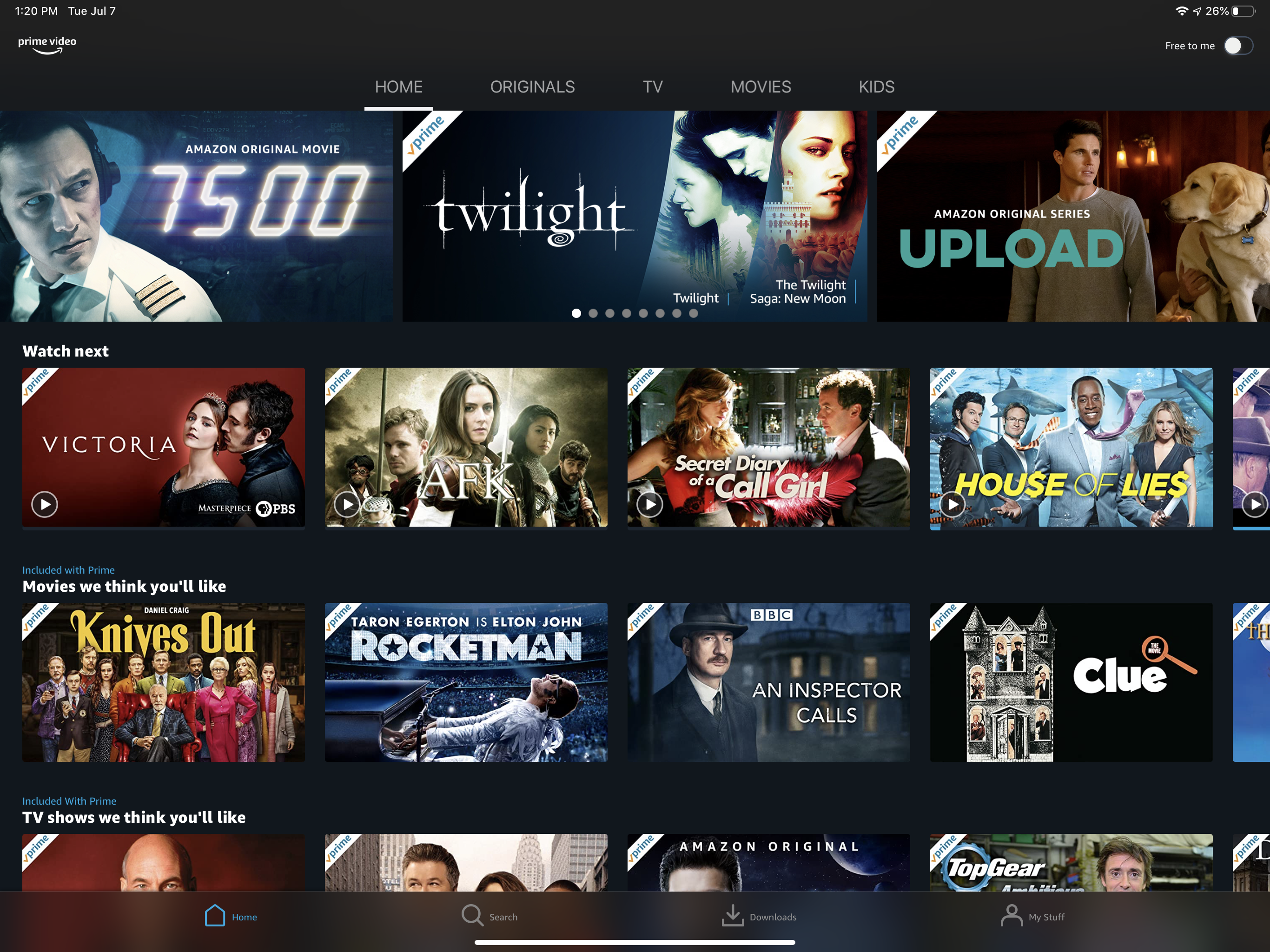
The gateway to “what’s on Prime Video” is its user interface (UI) and the overall user experience (UX). From a technological standpoint, the UI/UX is an intricate dance between aesthetic design and functional engineering. Prime Video’s interface prioritizes intuitive navigation, clean aesthetics, and responsive interactions. This involves sophisticated front-end development using modern web technologies for browser-based access and native application development frameworks for dedicated device apps. The UI is designed to minimize cognitive load, allowing users to quickly find what they’re looking for or discover new content effortlessly. Features like watchlists, progress tracking, and personalized profiles are all backed by robust database management systems and real-time synchronization technologies, ensuring a consistent experience across all user devices. Continuous A/B testing and user feedback loops are integral to Prime Video’s UI/UX development cycle, leveraging data to refine and optimize the platform’s usability and engagement metrics.
Content Discovery and Personalization Powered by AI
Beyond merely housing content, Prime Video excels in making “what’s on” discoverable and personally relevant. This is largely thanks to sophisticated artificial intelligence (AI) and machine learning (ML) algorithms that power its recommendation engines and search functionalities. The era of passive content consumption is over; today’s streaming platforms actively guide users through their vast libraries.
Algorithmic Recommendations and Curation
The ability to recommend content is arguably one of Prime Video’s most powerful technological features. Utilizing deep learning models and collaborative filtering techniques, the platform analyzes a colossal amount of data: viewing history, search queries, ratings, watch patterns (e.g., stopping points, re-watches), genre preferences, and even what other users with similar tastes are watching. This data feeds into complex algorithms that predict what a user is most likely to enjoy, surfacing personalized recommendations on the homepage, within categories, and even through email notifications. This isn’t just about suggesting similar movies; it’s about understanding nuanced preferences, identifying emerging trends, and curating a highly individualized viewing journey. The result is a dynamic, constantly evolving “what’s on” tailored uniquely for each subscriber, significantly enhancing engagement and reducing decision fatigue.
Search Functionality and Filters
While recommendations guide discovery, robust search functionality is essential for targeted content retrieval. Prime Video’s search engine is a powerful piece of technology, leveraging natural language processing (NLP) to understand complex queries and return accurate results. Users can search by title, actor, director, genre, keyword, and even specific phrases. The search algorithm accounts for typos, synonyms, and related content, ensuring that users can quickly pinpoint desired shows or movies. Advanced filtering options, such as year of release, audience rating, resolution (e.g., 4K UHD), and availability (included with Prime, available for rent/purchase), provide further granular control. This combination of intelligent search and detailed filtering ensures that “what’s on Prime Video” is not just extensive but also highly navigable, placing the power of content exploration firmly in the user’s hands.
Interactive Features: X-Ray and Live Sports Tech
Prime Video goes beyond traditional passive viewing with innovative interactive technologies. The most prominent example is X-Ray, powered by IMDb (which is also an Amazon company). As content plays, X-Ray provides instant, context-sensitive information about actors on screen, the music playing, trivia, and behind-the-scenes facts. This real-time data overlay is a marvel of synchronization technology, linking video playback with a vast database of metadata. For live sports, Prime Video employs advanced streaming protocols and interactive overlays that provide real-time statistics, multiple camera angles, and even the ability to “rewind” live broadcasts. These features transform viewing from a one-way street into an engaging, data-rich experience, offering insights and interactions that were once exclusive to dedicated apps or secondary screens, all integrated directly into the Prime Video player.
Beyond Entertainment: The Expanding Technological Frontier
Prime Video’s technological scope extends beyond just delivering movies and TV shows. It encompasses innovations in content creation, accessibility, and robust content management systems that signify its role as a comprehensive digital media platform.
Original Content Production and Innovation
Amazon’s foray into original content production (“Amazon Originals”) is a significant technological undertaking. This involves not only massive financial investment but also sophisticated production technologies. From high-resolution digital cinematography to advanced visual effects (VFX) pipelines and post-production workflows, Amazon Studios leverages state-of-the-art tools. Technologically, this means managing enormous datasets of raw footage, implementing cloud-based collaboration platforms for global teams, and utilizing AI for script analysis, casting suggestions, and even audience forecasting. The entire lifecycle, from concept to final delivery on the platform, is optimized through a technologically advanced ecosystem, demonstrating Amazon’s commitment not just to acquiring content, but to innovating in how stories are brought to life and distributed.
Accessibility Features for All Users
Inclusivity is a key technological driver for Prime Video. The platform is engineered to be accessible to a diverse audience, incorporating features that cater to various needs. This includes robust support for closed captions and subtitles in multiple languages, often generated and refined using advanced speech-to-text algorithms and human transcription. Audio descriptions for visually impaired users provide narrated context of on-screen actions and scenes. Navigational aids, such as voice control integration with Alexa, and screen reader compatibility, ensure that users with disabilities can navigate the “what’s on Prime Video” library and enjoy content just as easily as anyone else. These features are not add-ons but are deeply integrated into the platform’s core architecture, reflecting a commitment to universal design principles facilitated by cutting-edge assistive technologies.
Cloud Integration and Offline Viewing
Prime Video’s reliance on Amazon Web Services (AWS) is foundational. The entire infrastructure, from content storage and transcoding to user data management and streaming delivery, runs on AWS. This cloud integration provides unparalleled scalability, reliability, and security, allowing Prime Video to handle millions of concurrent streams globally without interruption. A significant technological feature benefiting users is offline viewing. This capability allows subscribers to download select titles to their mobile devices for later viewing without an internet connection. This involves sophisticated digital rights management (DRM) technologies to protect content while enabling local storage, as well as efficient compression algorithms to minimize file sizes without compromising quality. The seamless management of content licenses, user entitlements, and secure download protocols demonstrates a complex technical orchestration behind a seemingly simple feature.
The Future of Streaming: Prime Video’s Technological Trajectory
As technology continues its relentless march forward, Prime Video is poised to evolve, integrating emerging innovations to redefine “what’s on” and how it’s experienced. The future of streaming will be characterized by even deeper personalization, more immersive experiences, and tighter integration with our digital lives.
Immersive Experiences and VR/AR Integration
The next frontier for streaming platforms like Prime Video likely involves more immersive experiences. While currently nascent, the integration of virtual reality (VR) and augmented reality (AR) technologies could transform content consumption. Imagine watching a concert in VR, feeling like you’re actually there, or interacting with characters from a show through AR overlays in your living room. Prime Video could leverage these technologies to offer specialized content or enhanced viewing modes for existing titles. This would require significant advancements in video compression for volumetric data, real-time rendering, and low-latency streaming infrastructure. The technological challenge is immense, but the potential for truly groundbreaking interactive storytelling and live events could fundamentally alter “what’s on Prime Video” beyond flat-screen viewing.
Personalized Advertising and Data Privacy
As Prime Video (and other streaming services) look to diversify revenue streams, personalized advertising is becoming increasingly prominent. Technologically, this involves sophisticated ad-tech platforms that use AI to target ads based on individual viewing habits, demographics, and even real-time emotional responses to content (if ethically permissible). However, this must be balanced with robust data privacy technologies. Encryption, anonymization techniques, and stringent data governance protocols will be critical to ensure user trust and compliance with evolving global privacy regulations like GDPR and CCPA. The challenge for Prime Video will be to harness the power of data for effective monetization while maintaining an unwavering commitment to user privacy through transparent practices and cutting-edge security measures.

The Evolving Role of Voice Control and Smart Home Integration
The seamless integration of Prime Video with Amazon’s Alexa-enabled devices and the broader smart home ecosystem is a clear indicator of future trends. Voice control is already a significant feature, allowing users to search, play, and control content with natural language commands. As smart home technology advances, Prime Video could become an even more central hub, with content recommendations influenced by smart home sensor data (e.g., lighting, room occupancy) or even linked to other activities. Technologically, this requires robust AI-driven voice recognition, intent understanding, and sophisticated device interoperability. The goal is to create an effortless, integrated entertainment experience where “what’s on Prime Video” is not just accessible through a remote, but through a truly ambient and intelligent interface woven into the fabric of our connected homes.
In conclusion, “what’s on Prime Video” is far more than just a list of movies and shows. It represents the culmination of advanced technological innovation across software engineering, AI, cloud computing, and user experience design. From the seamless multi-device access and adaptive streaming quality to the intelligent recommendation engines and immersive interactive features, Prime Video continuously pushes the boundaries of digital entertainment. As it continues to evolve with emerging technologies like VR/AR and deeper smart home integration, the platform stands as a dynamic testament to how technology is constantly reshaping how we discover, consume, and interact with the world of content.
aViewFromTheCave is a participant in the Amazon Services LLC Associates Program, an affiliate advertising program designed to provide a means for sites to earn advertising fees by advertising and linking to Amazon.com. Amazon, the Amazon logo, AmazonSupply, and the AmazonSupply logo are trademarks of Amazon.com, Inc. or its affiliates. As an Amazon Associate we earn affiliate commissions from qualifying purchases.