
In an era defined by digital transformation and on-demand access, entertainment has evolved from scheduled broadcasts to personalized streams. At the forefront of this revolution stands Amazon Video, more widely recognized as Amazon Prime Video. Far from being a mere repository for films and television shows, it represents a sophisticated technological ecosystem designed to deliver a vast array of content directly to consumers across the globe. Understanding “what is Amazon Video” requires an exploration of its underlying technology, its expansive feature set, and its strategic position within the broader digital entertainment landscape. It is a powerful example of how cutting-edge technology, from intricate streaming algorithms to AI-driven personalization, converges to create an unparalleled user experience. This article will delve into the technical essence of Amazon Prime Video, dissecting its operational mechanisms, its innovative features, and its ongoing evolution as a pivotal player in the streaming wars, all strictly from a technological perspective.
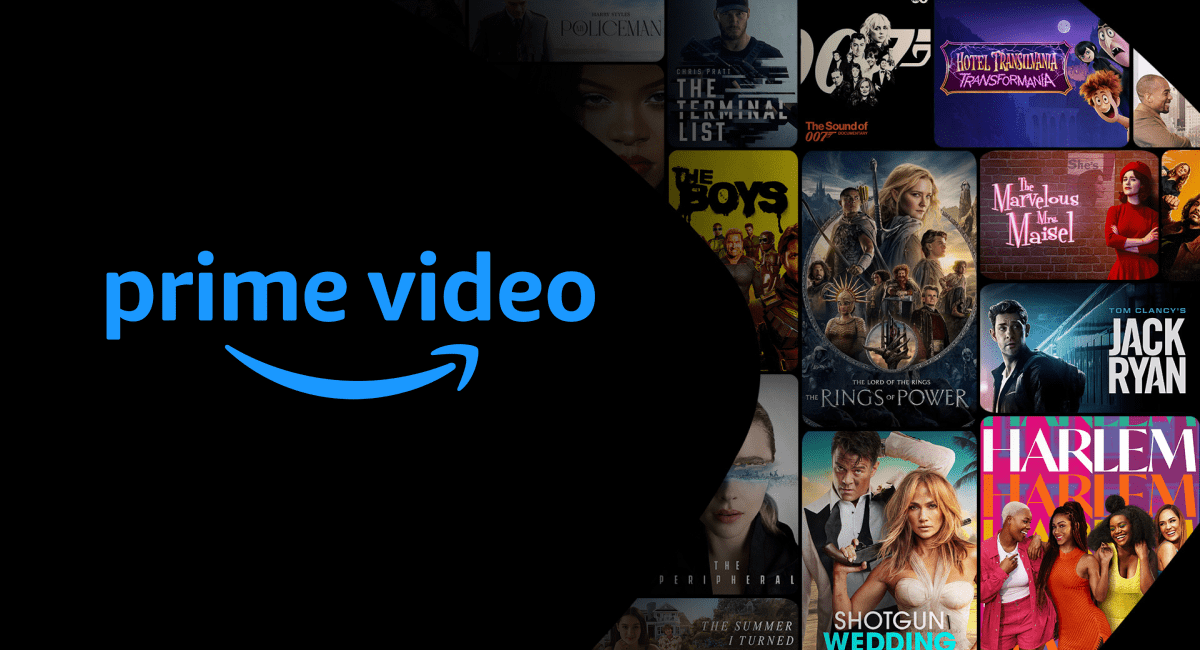
Unpacking Amazon Prime Video: A Digital Entertainment Powerhouse
Amazon Prime Video is the cornerstone of Amazon’s digital media offerings, functioning as a comprehensive streaming service that provides subscribers with access to a rich library of movies, TV shows, and original programming. While often bundled with an Amazon Prime membership, it can also be accessed as a standalone subscription in many regions, underscoring its significance as a distinct technological product. At its core, Prime Video is an application and platform built on robust cloud infrastructure, leveraging Amazon Web Services (AWS) to manage vast amounts of data, facilitate global content delivery, and ensure high availability.
More Than Just Movies: The Scope of Content
The breadth of content available on Amazon Prime Video is a testament to its technological capacity to host, categorize, and deliver diverse media types. Beyond Hollywood blockbusters and popular series, the platform is renowned for its burgeoning catalog of Amazon Originals. These include critically acclaimed dramas, comedies, documentaries, and even reality TV, all produced or acquired by Amazon Studios. This commitment to original content production demands significant technological investment in digital asset management, secure content delivery networks (CDNs), and advanced encoding processes to ensure pristine quality from production to playback. Furthermore, Prime Video also offers live sports, pay-per-view events, and the ability to rent or purchase additional titles, demonstrating its flexibility as a multi-faceted digital media hub. This diverse content strategy relies on a scalable architecture capable of handling varied content rights, regional licensing, and different monetization models within a single, cohesive user interface.
The Prime Advantage: Bundling and Value Proposition
While “Amazon Video” might refer to the standalone service, its deepest integration is found within the Amazon Prime membership. From a technological viewpoint, this bundling is a marvel of data integration and user experience design. Prime members gain access to Prime Video alongside a suite of other Amazon services like faster shipping, Prime Music, and Prime Reading. This creates a cohesive digital ecosystem where user data and preferences can be leveraged across multiple platforms, theoretically enhancing personalization and engagement. The technological challenge lies in seamlessly linking these disparate services under one umbrella, ensuring consistent user authentication, synchronized billing, and a unified customer support experience. This integration strategy is designed not only to add value for the consumer but also to embed them deeper into Amazon’s extensive digital offerings, making the entire ecosystem more “sticky.”
A Global Footprint: Reaching Audiences Worldwide
Amazon Prime Video’s reach extends to over 200 countries and territories, a logistical and technical feat that requires sophisticated global infrastructure. Delivering content across diverse geographical locations with varying internet speeds, regulatory environments, and language requirements demands a highly distributed network. This includes localized content libraries, multi-language audio tracks and subtitles, and regionally optimized streaming protocols. The platform must dynamically adjust content availability based on licensing agreements specific to each territory, all while maintaining a consistent and reliable service experience. The technological architecture for such global distribution involves strategically placed data centers, robust CDN partnerships, and complex rights management systems that ensure compliance and optimal performance for every user, regardless of their location.
The Technological Backbone: How Amazon Prime Video Delivers Content
The seamless experience of streaming a 4K movie or a live sporting event on Amazon Prime Video is the result of an intricate technological backend. This sophisticated infrastructure is designed for resilience, scalability, and optimal performance, ensuring that content reaches viewers with minimal latency and maximum quality, regardless of their device or network conditions.
Streaming Infrastructure and Data Delivery
At the heart of Prime Video’s operation is its vast streaming infrastructure, heavily reliant on Amazon Web Services (AWS). This global network of data centers and edge locations is responsible for storing the immense content library, processing user requests, and delivering video streams. When a user presses play, their request is routed through this infrastructure, which identifies the optimal server to deliver the content. This often involves leveraging Content Delivery Networks (CDNs) which cache popular content closer to end-users, drastically reducing the distance data has to travel and thereby minimizing buffering and improving load times. The robustness of this system allows Prime Video to handle millions of simultaneous streams, dynamically allocating resources as demand fluctuates, such as during the premiere of a major new show or a live event.
Adaptive Bitrate Streaming (ABS) and Quality Optimization
A critical technology enabling Prime Video’s smooth playback experience is Adaptive Bitrate Streaming (ABS). Instead of delivering a single video file, ABS breaks the content into small segments and encodes them at multiple bitrates and resolutions. During playback, the Prime Video client application constantly monitors the user’s internet connection speed and device capabilities. If the bandwidth drops, the player can seamlessly switch to a lower bitrate version of the stream, preventing buffering and ensuring continuous playback. Conversely, if the bandwidth improves, it can upgrade to a higher quality stream. This dynamic adjustment happens in real-time, often imperceptibly to the viewer, providing the best possible viewing experience given the prevailing network conditions. This intelligent optimization is key to Prime Video’s promise of reliable streaming across a vast array of internet speeds and device types.
Advanced Codecs and High-Resolution Experiences (4K, HDR, Dolby Atmos)
To deliver stunning visual and auditory experiences, Prime Video employs advanced video and audio compression codecs. For high-resolution content, codecs like H.265 (HEVC) are used, which offer superior compression efficiency compared to older standards, allowing 4K Ultra HD content to be streamed without consuming excessive bandwidth. Alongside 4K, Prime Video supports High Dynamic Range (HDR) formats, including HDR10+ and Dolby Vision, which significantly enhance contrast, color accuracy, and brightness, creating a more lifelike image. For audio, support for immersive sound formats like Dolby Atmos provides a multi-dimensional soundscape, further elevating the cinematic experience. Implementing these advanced codecs and formats requires sophisticated encoding pipelines, extensive metadata management, and compatible playback devices, all integral parts of Prime Video’s technological offering.
Personalization Through AI and Machine Learning
Amazon Prime Video leverages artificial intelligence (AI) and machine learning (ML) extensively to personalize the user experience. Every interaction, from what a user watches to what they search for, is fed into sophisticated algorithms. These algorithms then analyze viewing patterns, content preferences, and even emotional responses (inferred from viewing duration and re-watches) to generate highly personalized recommendations. This goes beyond simple genre matching, delving into specific actors, directors, themes, and narrative styles. AI also powers dynamic thumbnail generation, suggesting images that are most likely to entice a particular viewer. This level of personalization not only enhances discoverability but also aims to increase user engagement and retention by continually presenting content that aligns with individual tastes.
Beyond Streaming: Features Enhancing the User Experience
Amazon Prime Video is not just about playing videos; it’s about enriching the entire viewing journey through innovative features that leverage its technological prowess. These functionalities differentiate the platform and provide tangible value to its users.
X-Ray: Interactive Content Discovery
One of Prime Video’s most acclaimed and technologically unique features is X-Ray. Powered by IMDb (which is owned by Amazon), X-Ray provides instant, contextual information about the content being watched. With a simple tap or click, viewers can see details about the actors on screen, the music playing in a scene, trivia related to the production, and even biographical information. This real-time, interactive overlay is a sophisticated integration of video playback with a vast database of entertainment metadata. It requires precise synchronization between the video stream and the IMDb database, delivered dynamically to the user’s device, turning passive viewing into an active discovery experience. This blend of content and contextual data is a testament to the seamless integration within the Amazon ecosystem.

Offline Viewing and Mobile Integration
Recognizing the need for entertainment on the go or in areas with limited connectivity, Prime Video offers robust offline viewing capabilities. Subscribers can download a selection of movies and TV shows to their mobile devices (smartphones and tablets) for later viewing without an internet connection. This feature requires efficient content compression algorithms to manage storage space on devices, secure digital rights management (DRM) to protect copyrighted content offline, and intelligent storage management within the app. The mobile application itself is a highly optimized piece of software, designed to provide a rich user experience on smaller screens, with intuitive navigation, playback controls, and seamless transition between online and offline modes.
User Profiles and Parental Controls
To cater to diverse household viewing habits, Prime Video supports multiple user profiles. This feature allows each family member to have their own personalized watch history, recommendations, and watchlists, without interfering with others. Technologically, this involves segmenting user data and preferences, managing individual content access, and ensuring secure transitions between profiles. Complementing this, comprehensive parental controls are integrated, allowing guardians to restrict content based on ratings and set PINs for purchases or specific profiles. These controls require sophisticated backend systems to enforce age restrictions, categorize content accurately, and manage access permissions securely, providing peace of mind for families.
Live Content Integration (Channels, Sports)
Expanding beyond its on-demand library, Amazon Prime Video has increasingly integrated live content, including sports, news, and subscription channels. This live streaming capability is a significant technological challenge compared to on-demand video. It demands ultra-low latency streaming protocols, robust encoding and transcoding pipelines to handle live feeds from various sources, and a highly scalable infrastructure to manage peak traffic during major live events. The integration of third-party “Prime Video Channels” further complicates this, requiring seamless billing, authentication, and content delivery mechanisms for external providers, all while maintaining a consistent Prime Video user experience. This diversification into live content positions Prime Video as a comprehensive entertainment hub, leveraging its technology to compete across multiple content fronts.
Ecosystem Integration and Accessibility: Where Prime Video Lives
Amazon Prime Video’s ubiquity is a direct result of its deep integration into a vast ecosystem of devices and services, many of which are Amazon-branded. This strategic approach ensures accessibility for users across virtually every major platform, maximizing reach and convenience.
Device Compatibility: From Smart TVs to Gaming Consoles
One of Prime Video’s greatest strengths is its widespread device compatibility. The service is available as a native application on a staggering array of platforms, including smart TVs (from manufacturers like Samsung, LG, Sony, Vizio), streaming media players (Roku, Apple TV, Google Chromecast, Amazon Fire TV), gaming consoles (PlayStation, Xbox), Blu-ray players, and mobile devices (iOS, Android). Achieving this level of cross-platform availability requires extensive software development, optimization, and rigorous testing for each operating system and hardware configuration. The underlying streaming technology must be adaptable to different processing powers, screen resolutions, and input methods, ensuring a consistent and reliable user interface and playback experience across this diverse hardware landscape.
Alexa Integration: Voice Control and Smart Home Synergy
As a core component of the Amazon ecosystem, Prime Video is deeply integrated with Alexa, Amazon’s AI-powered virtual assistant. This integration allows users to control their Prime Video experience using voice commands through Alexa-enabled devices, such as Echo smart speakers, Fire TV devices, and even some smart TVs. Users can say “Alexa, play The Lord of the Rings on Prime Video” or “Alexa, fast forward five minutes” to control playback hands-free. This capability relies on sophisticated natural language processing (NLP) to understand commands, advanced voice recognition, and seamless API integration between Alexa services and the Prime Video platform. This smart home synergy enhances user convenience and further embeds Prime Video into the connected living room experience.
The Amazon Ecosystem: Fire TV and Kindle Integration
Prime Video’s most seamless integration is arguably with Amazon’s own hardware, particularly Fire TV devices and Kindle tablets. Fire TV streaming sticks, cubes, and smart TVs come with Prime Video pre-installed and deeply woven into their operating systems, often making it the default streaming option. This allows for unified search results across services, personalized home screen recommendations, and optimized performance. Similarly, Kindle Fire tablets offer a highly integrated Prime Video experience, leveraging the device’s hardware and software for optimal mobile viewing. This tight ecosystem control allows Amazon to deliver a highly curated and optimized user experience, demonstrating the full potential of Prime Video when paired with purpose-built hardware.
The Future of Streaming: Amazon Prime Video’s Ongoing Evolution
The streaming landscape is in a perpetual state of flux, driven by rapid technological advancements and evolving consumer expectations. Amazon Prime Video, as a key player, is continuously investing in innovation to maintain its competitive edge and shape the future of digital entertainment.
Interactive Content and Gamification
The next frontier for streaming involves moving beyond passive consumption. Amazon Prime Video has already experimented with interactive titles, such as “Bandersnatch” (via its partnership with Netflix on specific titles) and its own internal productions, where viewers can make choices that alter the narrative. This genre of content demands sophisticated branching narrative technology, dynamic metadata management, and a robust playback engine capable of handling multiple video streams and user inputs in real-time. Future developments could see a deeper integration of gamification elements, potentially allowing viewers to influence outcomes, participate in quizzes, or even engage with other viewers during live events, blurring the lines between watching and playing.
Further AI-Driven Personalization
While current AI-driven personalization is advanced, the future holds even greater sophistication. Expect Prime Video to leverage AI for hyper-personalization, not just in recommendations but in dynamic content delivery. This could include AI-generated highlights for sports, personalized trailers based on individual viewing habits, or even adaptive user interfaces that reconfigure themselves based on the time of day or the user’s mood. AI could also play a role in content creation, assisting producers with everything from script analysis to post-production, optimizing content for maximum audience engagement before it even reaches the platform.
Cloud-Based Streaming Innovation
Amazon’s deep roots in cloud computing via AWS provide a significant advantage for Prime Video’s future. Innovations in cloud-native streaming are expected to enhance scalability, reduce latency, and improve global content delivery even further. This could involve serverless video processing, real-time analytics for quality control, and advanced edge computing to bring content even closer to the viewer. Furthermore, cloud gaming integration directly into the Prime Video platform could offer a new dimension of entertainment, allowing subscribers to seamlessly transition between watching movies and playing games without dedicated hardware.

The Metaverse and Immersive Experiences
Looking further ahead, the convergence of streaming with immersive technologies like virtual reality (VR) and augmented reality (AR) presents a compelling vision for Prime Video. While still nascent, the concept of a “metaverse” where digital content is experienced in interactive 3D spaces could transform how we consume movies and shows. Prime Video could offer VR experiences of its original content, allowing viewers to step into virtual sets, interact with characters, or watch events in a truly immersive environment. This would require substantial technological leaps in spatial computing, real-time rendering, and high-bandwidth streaming to deliver rich, interactive virtual worlds. Such developments would push the boundaries of what “watching a video” truly means, positioning Prime Video at the forefront of the next wave of digital entertainment.
In conclusion, Amazon Prime Video stands as a testament to the power of technological innovation in the digital entertainment sector. From its foundational cloud infrastructure and adaptive streaming algorithms to its advanced AI-driven personalization and deep ecosystem integration, every aspect of the service is meticulously engineered to deliver a seamless, rich, and engaging viewing experience. As the streaming landscape continues to evolve, Prime Video’s ongoing commitment to pushing the boundaries of interactive content, hyper-personalization, and immersive technologies will undoubtedly solidify its position as a leading force in shaping how we consume entertainment for years to come.
aViewFromTheCave is a participant in the Amazon Services LLC Associates Program, an affiliate advertising program designed to provide a means for sites to earn advertising fees by advertising and linking to Amazon.com. Amazon, the Amazon logo, AmazonSupply, and the AmazonSupply logo are trademarks of Amazon.com, Inc. or its affiliates. As an Amazon Associate we earn affiliate commissions from qualifying purchases.