
In the intricate world of personal finance, your bank account number stands as a fundamental identifier. It’s more than just a string of digits; it’s the unique key that unlocks a myriad of financial transactions, from receiving your salary via direct deposit to paying bills automatically and transferring funds securely. Yet, despite its critical importance, many individuals find themselves scrambling to locate this vital piece of information precisely when they need it most.
Understanding where and how to reliably find your bank account number is not just about convenience; it’s a cornerstone of effective financial management and security. This comprehensive guide will demystify the process, walking you through the most common and secure methods to pinpoint your account number, clarify its distinction from other financial identifiers, and underscore its practical applications in your daily financial life. By the end, you’ll be equipped with the knowledge to access this information confidently and securely, empowering you to navigate your financial landscape with greater ease and control.
Understanding Your Bank Account Number: More Than Just Digits
Before diving into where to find it, it’s crucial to understand what a bank account number truly represents and how it differs from other financial identifiers you might encounter. This foundational knowledge not only helps in locating the number but also in comprehending its significance in various financial operations.
What is a Bank Account Number?
A bank account number is a unique sequence of numbers assigned by your financial institution to identify your specific checking or savings account. Think of it as the individual address for your money within the bank’s vast system. This number is distinct to your account and is rarely, if ever, reused. Its primary purpose is to ensure that funds are directed to and debited from the correct account, preventing misallocations and errors in financial transactions.
The length and format of bank account numbers can vary significantly between different banks and even different account types within the same bank. Typically, they range from 8 to 17 digits. Unlike a debit card number, which is linked to an account but primarily used for point-of-sale transactions and online purchases, the bank account number is used for behind-the-scenes transfers, direct deposits, and other banking operations that don’t involve the physical card.
Account Number vs. Routing Number: A Clear Distinction
It’s common to confuse your bank account number with your bank’s routing number, but they serve entirely different, albeit complementary, purposes.
- Bank Account Number: As established, this identifies your specific account at a financial institution. It tells the system which individual account the money should go into or come out of.
- Routing Number (ABA Transit Number): This is a nine-digit code that identifies your financial institution itself within the U.S. banking system. It tells the system which bank the money should go to. All accounts at a particular branch or even all accounts nationwide within a large bank often share the same routing number.
When conducting transactions like direct deposits or wire transfers, both your bank account number and the bank’s routing number are almost always required. They work in tandem: the routing number guides the funds to the correct bank, and the account number ensures they land in your specific account within that bank. Understanding this distinction is vital to avoid errors that could delay or misdirect your funds.
Primary Methods for Locating Your Account Number
Fortunately, banks provide several convenient and secure avenues for account holders to retrieve their account numbers. Knowing these methods can save you time and stress when you need this information quickly.
The Ubiquitous Checkbook: Your First Stop
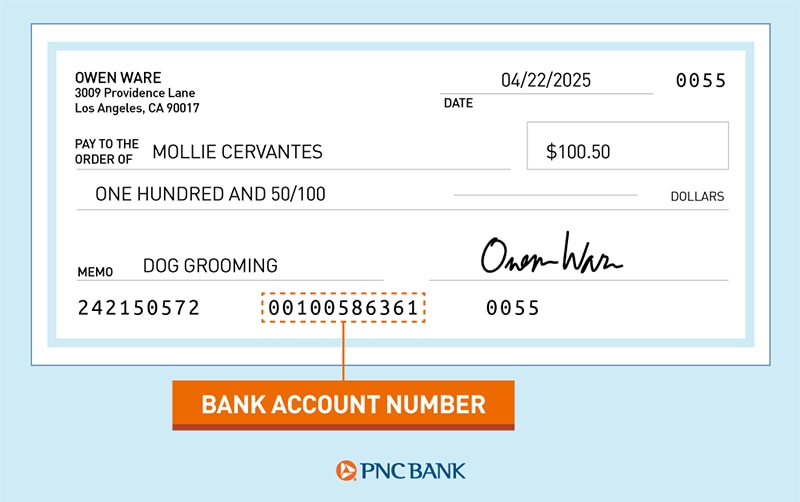
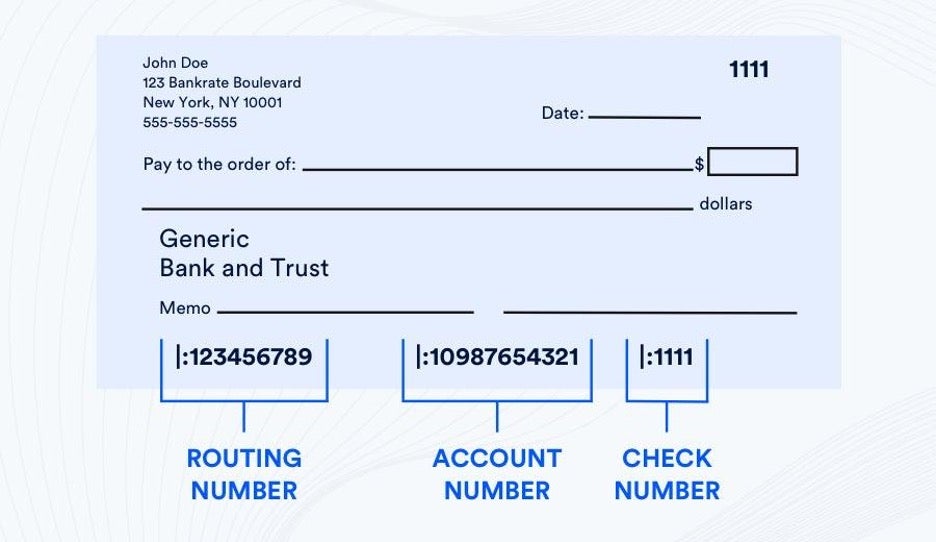
For many, especially those who still use physical checks, the checkbook is the most straightforward and traditional place to find both your account and routing numbers. Look at the bottom of any personal check. You’ll typically see three sets of numbers printed in magnetic ink (MICR line):
- Routing Number: The first set of nine digits on the far left.
- Account Number: The second set of digits, usually in the middle.
- Check Number: The third set of digits, on the far right.
This method is quick and reliable, provided you have access to your checkbook.
Harnessing the Power of Online Banking
In today’s digital age, online banking portals have become indispensable tools for managing finances, and they are also an excellent resource for finding your account number.
- Log In Securely: Access your bank’s official website or mobile app and log in using your credentials.
- Navigate to Account Details: Once logged in, look for a section related to “Account Details,” “Account Summary,” “View Account,” or similar phrasing for the specific checking or savings account you need.
- Reveal Account Number: Many banks will display your account number, though sometimes it might be partially masked for security (e.g., “XXXX-1234”). You might need to click an option like “Show full account number” or “View details” and possibly enter a password or answer a security question to reveal the complete number.
This method is particularly convenient as it’s accessible 24/7 from almost anywhere with an internet connection, making it one of the most popular and efficient ways to retrieve your account details.
Your Monthly Bank Statements
Bank statements, whether paper or electronic, are another reliable source of your bank account number.
- Paper Statements: If you receive paper statements by mail, your full account number is usually prominently displayed at the top of the statement, along with your name, address, and the statement period.
- Electronic Statements (eStatements): Most online banking platforms allow you to view, download, or print past electronic statements. Navigate to the “Statements,” “eStatements,” or “Documents” section within your online banking portal, select the relevant account and statement period, and open the PDF. Your account number will be visible on the statement, typically in the top section.
Statements offer a comprehensive record of your account activity, and as such, they are designed to clearly present your account details.
Direct Contact with Your Bank: In-Person or By Phone
When digital methods aren’t an option, or if you prefer direct assistance, contacting your bank directly is always a viable solution.
- Visiting a Branch: Head to your local bank branch during business hours. A teller or customer service representative can provide your account number after verifying your identity. Make sure to bring a valid government-issued ID (driver’s license, passport, etc.) and potentially your debit card or another form of bank identification.
- Calling Customer Service: Call your bank’s customer service line. This number is usually found on the back of your debit card, on your bank’s official website, or on a bank statement. Be prepared to go through a rigorous identity verification process, which typically involves answering security questions, providing personal details, and possibly confirming recent transactions. For security reasons, some banks may be hesitant to give out full account numbers over the phone without extensive verification, and some may require you to visit a branch for sensitive information.
ATM Receipts and Deposit Slips (with caveats)
While less reliable and often incomplete, some ATM receipts or deposit slips might contain partial account information or, in rarer cases, the full account number.
- ATM Receipts: Some banks print the last few digits of your account number on ATM receipts. This might not be sufficient if you need the full number, but it can be a quick reminder if you’re close to remembering it.
- Deposit Slips: Pre-printed deposit slips from your bank will usually have both your routing and full account numbers. Blank deposit slips available at the bank will require you to write in your account number, so they aren’t a source for finding it unless you’ve already filled one out.
Always exercise caution when relying on physical slips, as they can be easily lost or accessed by others.
Situational Needs: When and Why You Need Your Account Number

Knowing where your bank account number is located is critical because it’s required for a variety of essential financial processes. Understanding these common scenarios can help you prepare in advance and avoid last-minute searches.
Setting Up Direct Deposit
Perhaps the most common use for your bank account number is setting up direct deposit for your paycheck, government benefits, or other regular income. Your employer or benefit provider will typically ask for both your bank’s routing number and your specific account number to ensure your funds are deposited directly into your account, eliminating the need for paper checks. This is a crucial step for efficient income management.
Initiating Automatic Bill Payments
Many people choose to set up automatic payments for recurring bills (e.g., utilities, mortgage, rent, loan payments). While some services allow you to pay directly with a debit card, others, especially larger recurring payments, might require your bank account and routing numbers to pull funds directly from your account on a scheduled basis. This ensures payments are made on time, helping to avoid late fees and maintain a good credit history.
Sending or Receiving Wire Transfers
For larger, time-sensitive, or international money transfers, wire transfers are often used. To send a wire transfer, you’ll need the recipient’s full bank account number, their bank’s routing number (and often the bank’s SWIFT/BIC code for international transfers), and their name and address. To receive a wire transfer, you’ll need to provide your sender with your bank’s routing number and your specific account number. Wire transfers are a direct bank-to-bank transaction, making accurate account information paramount.
Linking Accounts for Financial Management Apps
Many popular personal finance apps and budgeting tools (like Mint, YNAB, Personal Capital) allow you to link your bank accounts to aggregate your financial data, track spending, and manage your budget. While some apps use secure third-party aggregators that connect using your online banking login credentials, others might require your bank account and routing numbers for initial setup or specific functionalities. Always ensure you are using reputable, secure applications when sharing financial details.
Government Payments and Tax Refunds
When filing your taxes, the IRS and state tax authorities offer direct deposit for refunds, providing a faster and more secure way to receive your money. You will need to provide your bank account and routing numbers on your tax forms to opt for this service. Similarly, government benefits, such as Social Security, unemployment, or stimulus payments, often utilize direct deposit into your bank account.
Safeguarding Your Financial Information: Security Best Practices
While knowing how to find your bank account number is essential, understanding how to protect it is equally, if not more, important. Your bank account number, especially when combined with your routing number, is sensitive information that, if it falls into the wrong hands, could lead to unauthorized transactions or identity theft.
The Risks of Unauthorized Access
If a fraudster obtains your bank account and routing numbers, they could potentially:
- Initiate Unauthorized Debits: Set up fraudulent automatic withdrawals from your account.
- Create Fake Checks: Print counterfeit checks using your account information.
- Attempt Identity Theft: Use your banking details as part of a larger scheme to steal your identity and open new accounts in your name.
While banks have robust fraud detection systems, prevention is always the best defense.
Secure Storage and Transmission
- Be Mindful of Physical Documents: Shred old bank statements, voided checks, and any other documents containing your account number before discarding them.
- Digital Security: Ensure your computer and mobile devices are protected with strong, unique passwords, up-to-date antivirus software, and firewalls. Avoid accessing online banking or revealing sensitive information on public Wi-Fi networks.
- Only Share When Necessary: Provide your account number only to trusted entities (your employer, legitimate billers, government agencies) and only through secure channels. Avoid emailing it unless absolutely necessary and encrypted.
Vigilance Against Phishing and Scams
Be extremely wary of unsolicited emails, text messages, or phone calls asking for your bank account number or other personal financial details. This is a common tactic used by fraudsters to “phish” for sensitive information. Banks will rarely, if ever, ask you to provide your full account number or password via email or text message. If in doubt, contact your bank directly using a verified phone number or website.
Regularly Monitoring Your Accounts
One of the best security practices is to regularly review your bank statements and transaction history through online banking. Look for any suspicious or unfamiliar transactions. If you spot anything unusual, report it to your bank immediately. Early detection can prevent minor issues from escalating into significant financial losses. Many banks offer alerts for certain types of transactions (e.g., withdrawals over a certain amount), which can be an excellent tool for real-time monitoring.
Troubleshooting and What to Do If You Can’t Find It
Even with all the methods outlined, there might be situations where you struggle to locate your bank account number. Don’t panic; there are clear steps you can take to resolve the issue.
Gathering Necessary Identification
Before contacting your bank, gather all relevant identification. This will streamline the verification process and help the bank confirm your identity quickly and securely. You will likely need:
- A valid government-issued photo ID (driver’s license, passport, state ID).
- Your debit card or ATM card.
- Your Social Security number.
- Possibly other identifying information, such as your address, date of birth, or answers to security questions you’ve set up with the bank.
Having these ready will prevent delays when you interact with customer service.
Leveraging Customer Service Effectively
When you contact your bank’s customer service via phone, be prepared for a thorough identity verification process. Be patient and cooperate fully with their security protocols. Clearly explain that you need your bank account number and why you need it. They are trained to assist you while maintaining the highest levels of security. If the first representative is unable to provide the full number over the phone due to security policies, they may guide you to an alternative method or suggest visiting a branch.
When All Else Fails: Visiting a Branch
If online methods are inaccessible, you don’t have checks or statements, and phone customer service isn’t able to provide the full number to your satisfaction, your local bank branch is the definitive solution. With your proper identification, a teller or personal banker will be able to look up your account details and provide you with the information you need. This face-to-face interaction is often the most secure way to retrieve sensitive account information if other methods prove difficult.
By understanding the various avenues available and approaching the process with a security-first mindset, you can efficiently locate your bank account number whenever the need arises, ensuring smooth and secure financial operations.
aViewFromTheCave is a participant in the Amazon Services LLC Associates Program, an affiliate advertising program designed to provide a means for sites to earn advertising fees by advertising and linking to Amazon.com. Amazon, the Amazon logo, AmazonSupply, and the AmazonSupply logo are trademarks of Amazon.com, Inc. or its affiliates. As an Amazon Associate we earn affiliate commissions from qualifying purchases.