
In the modern financial landscape, your bank account number is much more than a random string of digits. It is the fundamental identifier that links your identity to your assets, enabling the global movement of capital. Whether you are setting up a direct deposit for a new job, configuring an automated investment platform, or simply paying a monthly utility bill, your account number is the “key” to your financial vault.
Despite its importance, many consumers find themselves searching for this information at the last minute. As banking shifts further into the digital realm, the methods of locating and protecting this sensitive data have evolved. This guide provides an in-depth exploration of how to find your bank account number, the critical differences between various banking codes, and how to leverage this information for better personal finance management.
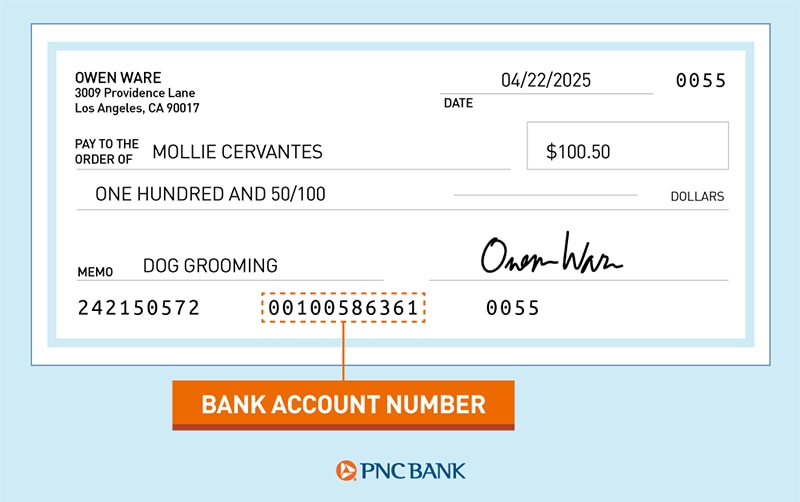
Where to Locate Your Bank Account Number
Locating your bank account number has become significantly easier with the advent of fintech and digital banking. However, knowing exactly where to look—and ensuring you are looking in a secure environment—is vital for maintaining financial privacy.
Utilizing Mobile Banking Apps and Online Portals
The most efficient way to find your account number today is through your financial institution’s digital infrastructure. Most major banks and credit unions place the account number within the “Account Details” or “Settings” menu of their mobile app. For security reasons, many apps mask the number by default (e.g., showing only the last four digits). To view the full number, you may need to click an “eye” icon or provide secondary authentication, such as a fingerprint or FaceID.
On a desktop browser, the process is similar. Once logged into your secure portal, navigate to the specific account (Checking, Savings, or Money Market). Look for a tab labeled “Information” or “Account Services.” This digital accessibility ensures that as long as you have your smartphone, you have access to your financial identifiers.
Decoding the Physical Check
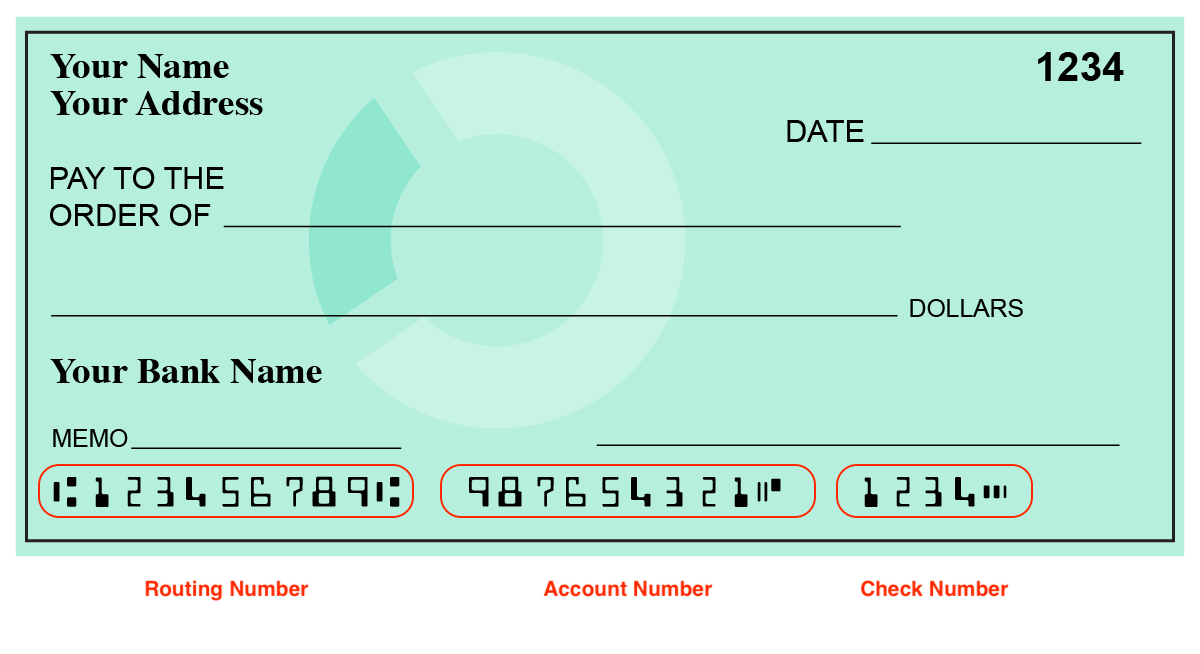
If you still use paper checks, your account number is printed directly on every leaf. At the bottom of a standard check, you will see a series of numbers printed in a specialized font known as MICR (Magnetic Ink Character Recognition). This string typically contains three distinct sections:
- The Routing Number: Usually the first nine digits on the left.
- The Account Number: The middle set of numbers, which can vary in length (typically 8 to 12 digits).
- The Check Number: The final set of digits on the right, which matches the number in the top-right corner of the check.
Understanding this layout is a foundational skill in financial literacy, allowing you to quickly provide necessary details for wire transfers or ACH payments without needing an internet connection.
Bank Statements and Official Correspondence
Every month, your bank generates a statement of activity. Whether you receive this via mail or as a PDF in your “e-statements” folder, the full account number is usually listed at the top of the document. This is often the most reliable source, as it serves as an official legal record of your account. If you are applying for a mortgage or a large loan, lenders will often ask for these statements to verify your account number and cash flow history.
Understanding the Difference Between Account and Routing Numbers
A common point of confusion for many bank customers is the distinction between an account number and a routing number. In the niche of personal finance, confusing these two can lead to failed transactions, late fees, and administrative headaches.
What is a Routing Number (ABA)?
A routing transit number (RTN) is a nine-digit code that identifies the specific financial institution within the United States. Think of the routing number as the “address” of the bank itself. It tells the Federal Reserve and other banks where to send the money. Large national banks may have different routing numbers for different regions or states, so it is essential to ensure you have the specific one assigned to the branch where you opened your account.
The Account Number: Your Unique Fingerprint
While the routing number identifies the bank, the account number identifies you. No two people at the same bank will have the same account number. This uniqueness ensures that when a transaction reaches the correct “address” (the routing number), it is deposited into the correct “room” (your account).

How They Work Together in the Financial Ecosystem
When you set up an ACH (Automated Clearing House) transfer, both numbers work in tandem. The system uses the routing number to find the bank and the account number to find your funds. In international finance, this system is further expanded through IBAN (International Bank Account Number) and SWIFT codes, which provide standardized identifiers for cross-border transactions. Understanding this hierarchy is the first step in mastering the mechanics of how money moves globally.
Security Best Practices for Your Banking Information
Because your bank account number is the gateway to your wealth, it is a prime target for fraudsters and identity thieves. Protecting this number is a critical component of digital hygiene and personal security.
Protecting Your Information from Identity Theft
Identity theft occurs when someone gains access to your account and routing numbers to make unauthorized purchases or withdrawals. Unlike a credit card, which offers robust consumer protections and “zero liability” policies, unauthorized ACH withdrawals from a checking account can be more difficult to reverse if not caught quickly.
To mitigate risk, never share your account number over unsecured emails or text messages. If you must send financial information, use encrypted platforms or secure document portals provided by your bank. Additionally, be wary of “phishing” scams—emails that look like they are from your bank but are actually designed to trick you into revealing your account details.
The Risks of Sharing Financial Details Online
With the rise of peer-to-peer (P2P) payment apps like Venmo, CashApp, and Zelle, users often link their bank accounts directly to these platforms. While convenient, this creates a “honey pot” for hackers. Ensure that your P2P apps are protected with two-factor authentication (2FA).
Furthermore, when paying bills online, ensure the website uses “HTTPS” in the URL, indicating an encrypted connection. Avoid accessing your banking portal on public Wi-Fi networks, such as those in coffee shops or airports, as these are vulnerable to “man-in-the-middle” attacks where hackers can intercept the data you send, including your account number.
Safeguarding Physical Documents
Physical security is just as important as digital security. Always shred old bank statements, canceled checks, and expired debit cards. Dumpster diving remains a common tactic for low-tech identity thieves looking for account numbers to create counterfeit checks. A cross-cut shredder is a small investment that pays significant dividends in financial peace of mind.
Why Your Bank Account Number Matters for Financial Growth
Beyond basic transactions, your bank account number is a tool for building long-term wealth. When used strategically, it allows for the automation of your financial life, which is a hallmark of successful personal finance management.
Streamlining Direct Deposits and Automated Savings
The most effective way to save money is to “pay yourself first.” By providing your employer with your account and routing numbers, you can often split your paycheck between multiple accounts. For example, you can direct 80% of your income into your checking account for daily expenses and 20% directly into a high-yield savings account. Because this happens before you even see the money, it removes the psychological barrier to saving and ensures consistent growth of your emergency fund.
Facilitating Seamless Bill Payments and Transfers
Late fees and interest charges are the enemies of financial progress. By linking your bank account number to your recurring bills—such as your mortgage, insurance, or credit card—you can automate your outflows. This ensures that you never miss a payment, which in turn protects your credit score. Furthermore, linking your bank account to brokerage firms like Vanguard or Fidelity allows for the automated purchase of index funds or stocks, leveraging dollar-cost averaging to build wealth over decades.
Conclusion: The Foundation of Financial Literacy
Your bank account number is more than a string of digits; it is the cornerstone of your financial identity. By knowing where to find it, understanding how it differs from a routing number, and implementing rigorous security measures, you take control of your financial health.
In an era where “financial wellness” is a top priority, the ability to navigate the technical aspects of banking is essential. Whether you are a young professional setting up your first “grown-up” bank account or a seasoned investor managing multiple streams of income, your account number remains the primary vehicle for your economic journey. Treat it with the respect and security it deserves, and it will serve as the reliable foundation upon which you build your financial future.
aViewFromTheCave is a participant in the Amazon Services LLC Associates Program, an affiliate advertising program designed to provide a means for sites to earn advertising fees by advertising and linking to Amazon.com. Amazon, the Amazon logo, AmazonSupply, and the AmazonSupply logo are trademarks of Amazon.com, Inc. or its affiliates. As an Amazon Associate we earn affiliate commissions from qualifying purchases.