
In an era dominated by instantaneous digital transfers, peer-to-peer payment apps, and cryptocurrency, the traditional paper check remains a surprisingly resilient and necessary tool in the modern financial landscape. For Bank of America (BoA) customers, understanding how to efficiently manage and replenish their check supply is a fundamental aspect of personal and business financial management. Whether you are paying rent to a landlord who prefers physical records, settling a large contract, or managing corporate payroll, the ability to order and use checks correctly is a vital competency.

This guide provides a deep dive into the technical and strategic aspects of ordering Bank of America checks, ensuring that your financial transactions remain secure, professional, and well-documented.
Understanding the Modern Relevance of Paper Checks
Before diving into the “how-to,” it is essential to understand the “why.” While digital payments are convenient, paper checks offer specific advantages in financial auditing and legal documentation that digital platforms sometimes lack.
Why Checks Still Matter in a Digital World
Paper checks serve as a tangible record of a transaction. For many small businesses and individuals, they provide a clear audit trail that is easily filed and categorized. Furthermore, certain high-value transactions—such as real estate earnest money deposits or large-scale contractor payments—often require the use of a check or a cashier’s check to ensure the funds are properly routed through specific escrow or business accounts.
Additionally, checks allow for the “float” time, though this has diminished with modern electronic processing (Check 21). From a financial management perspective, writing a check can sometimes offer a brief window for final fund reconciliation before the balance is officially debited, though modern banking practices now process these much faster than in decades past.
Security Benefits of Physical Payment Methods
In the realm of personal finance, security is paramount. Bank of America’s checks are equipped with multiple layers of security features, including microprinting, watermarks, and chemically sensitive paper that reacts to alteration attempts. For many users, using a physical check for certain payments feels more secure than entering sensitive banking information into a third-party website or app that may be vulnerable to data breaches. By ordering through official BoA channels, you ensure that your checks meet the highest industry standards for fraud prevention.
Step-by-Step Instructions: How to Order BoA Checks Online
Bank of America has streamlined the check-ordering process, integrating it directly into their digital banking ecosystem. This allows customers to manage their accounts and their physical payment tools from a single interface.
Using the Bank of America Online Banking Portal
The most common way to order checks is through the official Bank of America website. Once you log into your Online Banking account, follow these logical steps:
- Navigate to the Accounts Tab: Select the specific checking account for which you need to order checks.
- Select the “Help & Support” or “Services” Menu: Look for a link specifically labeled “Order Checks and Deposit Slips.”
- Redirection to the Fulfillment Partner: Bank of America typically partners with specialized check-printing companies like Deluxe. The portal will securely redirect you to their site, carrying over your account and routing numbers automatically to prevent manual entry errors.
- Selection and Customization: Choose the style of check you prefer. This includes standard wallet-sized checks, duplicate checks (which provide a carbon copy for your records), or high-security checks.
- Review and Submit: Confirm the starting check number. If you are replacing a used book, ensure your new order starts one digit higher than your last used check to maintain a clean financial ledger.
Placing an Order via the Mobile Banking App
For those who manage their finances on the go, the Bank of America Mobile Banking app offers a similar, streamlined experience.
- Open the app and log in using your biometric data or passcode.
- Tap on the account you wish to order for.
- Scroll down to the “Account Management” section or look for the “Order Checks” option.
- The mobile interface is optimized for speed, allowing you to reorder “previous styles” with just a few taps, making it an efficient choice for busy professionals.
Customization and Financial Management Tools
Ordering checks is not merely a logistical task; it is an opportunity to tailor your financial tools to your specific lifestyle or business needs.
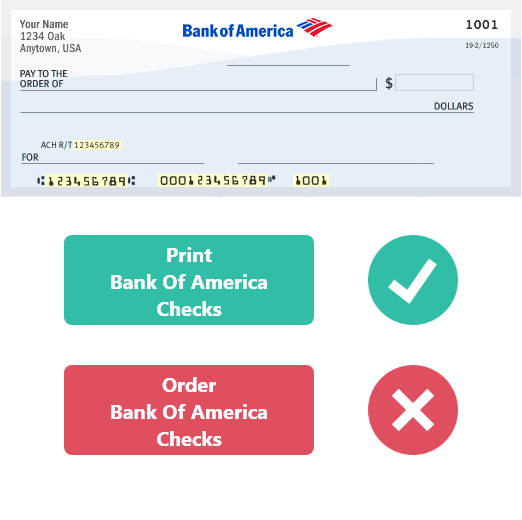
Selecting Check Styles and Security Features
When ordering, you will encounter various styles. For personal finance, you might choose designs that reflect personal interests, but for financial clarity, many experts recommend “Duplicate Checks.” These checks have a thin sheet behind them that creates a copy as you write. This is a critical habit for manual record-keeping, ensuring you never forget to record a transaction in your ledger.
From a security standpoint, you can opt for “High-Security Checks.” These often include holographic foils and heat-sensitive ink. While they cost slightly more, they are a wise investment for those who frequently send checks through the mail, as they are significantly harder to forge or “wash.”
Integrating Check Orders with Business Finance Needs
For business owners, the check-ordering process is more complex. You may need “Three-to-a-Page” business checks or “Voucher Checks.” Voucher checks are particularly useful for payroll or accounts payable, as they feature a detachable stub that lists the details of the payment (such as invoice numbers or tax withholdings).
Bank of America’s ordering system allows business clients to integrate their checks with accounting software like QuickBooks. When ordering, you can specify that the checks should be “computer-ready,” allowing you to print the payee and amount directly from your software, thereby reducing human error and enhancing the professional appearance of your business’s financial output.
Costs, Shipping, and Verification Protocols
A key aspect of personal finance is being aware of fees and overhead costs. Ordering checks is rarely free, unless you belong to specific banking tiers.
Analyzing Transaction Fees and Bulk Order Discounts
The cost of Bank of America checks varies depending on the account type.
- Standard Accounts: Typically pay a market rate for a box of checks (usually around 100–120 checks).
- Preferred Rewards Members: Depending on your tier (Gold, Platinum, or Platinum Honors), you may be eligible for free standard checks or significant discounts.
- Business Accounts: Costs are often higher due to the specialized nature of business checks, but bulk ordering (e.g., 500 or 1,000 checks) significantly reduces the price per unit.
Always check for the “Special Offers” tab during the checkout process on the Deluxe/BoA site, as there are often promotions for first-time orders or bulk purchases.
Protecting Your Financial Identity During Delivery
Because checks contain your account number, routing number, name, and often your address, the shipping process is a high-risk window for identity theft. Bank of America and its partners offer tracked shipping. It is highly recommended to choose a shipping method that requires a signature or uses a secure carrier. Never have checks delivered to an unsecured mailbox. If you live in an area where mail theft is a concern, consider having your checks delivered to a local Bank of America branch for secure pickup.
Strategic Financial Management: Best Practices for Check Usage
Once your checks arrive, the work of financial management begins. Ordering the checks is just the first step; using them strategically is what defines a savvy financial operator.
Record-Keeping and Reconciliation
Every time you write a check, it should be immediately recorded in your check register. This is a fundamental rule of personal finance. Relying on your mobile app to show “Pending Transactions” is risky, as a check may not be cashed for weeks. By maintaining a manual or digital ledger of every check ordered and written, you maintain a more accurate picture of your “Available Balance,” preventing accidental overdrafts and the associated fees.
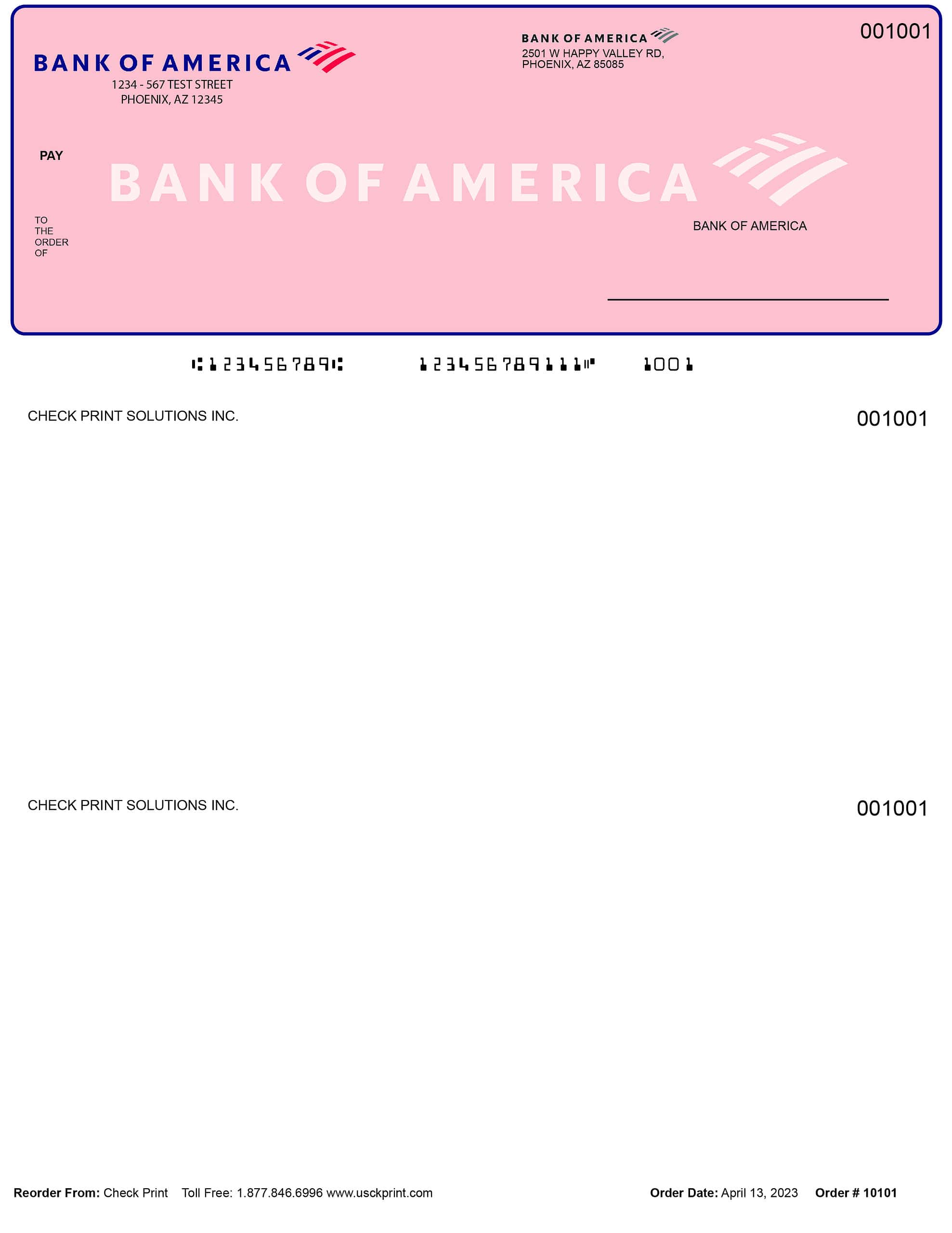
When to Use Checks vs. Electronic Transfers
Part of modern money management is knowing which tool to use for which job.
- Use Checks for: Rent, government filings (taxes/permits), gifts (where a physical token is preferred), and payments to small businesses that do not accept credit cards without a fee.
- Use Electronic Transfers (Zelle/ACH) for: Immediate bill pay, recurring utilities, and small peer-to-peer transfers.
By intelligently choosing between these methods, you optimize your cash flow. Using a check for a large payment can sometimes provide a few days of logistical cushion, whereas an ACH transfer is often processed within 24 hours.
In conclusion, while the world moves toward a digital-first economy, the humble paper check remains a cornerstone of the financial system. For Bank of America customers, the process of ordering checks is an integrated part of the banking experience, offering customization, security, and a vital link to traditional financial record-keeping. By following the steps outlined above and maintaining a disciplined approach to check usage, you can ensure that your financial life remains organized, secure, and professional.
aViewFromTheCave is a participant in the Amazon Services LLC Associates Program, an affiliate advertising program designed to provide a means for sites to earn advertising fees by advertising and linking to Amazon.com. Amazon, the Amazon logo, AmazonSupply, and the AmazonSupply logo are trademarks of Amazon.com, Inc. or its affiliates. As an Amazon Associate we earn affiliate commissions from qualifying purchases.