
In the modern financial landscape, the intersection of physical presence and digital accessibility defines how consumers interact with their wealth. For customers of Bank of America, one of the world’s largest financial institutions, the question of “what time does the bank close” is often the starting point for a broader conversation about liquidity, transaction timing, and financial planning. While the world moves toward a 24/7 digital economy, the operational hours of brick-and-mortar financial centers remain a cornerstone for complex transactions, personalized advice, and essential cash services.
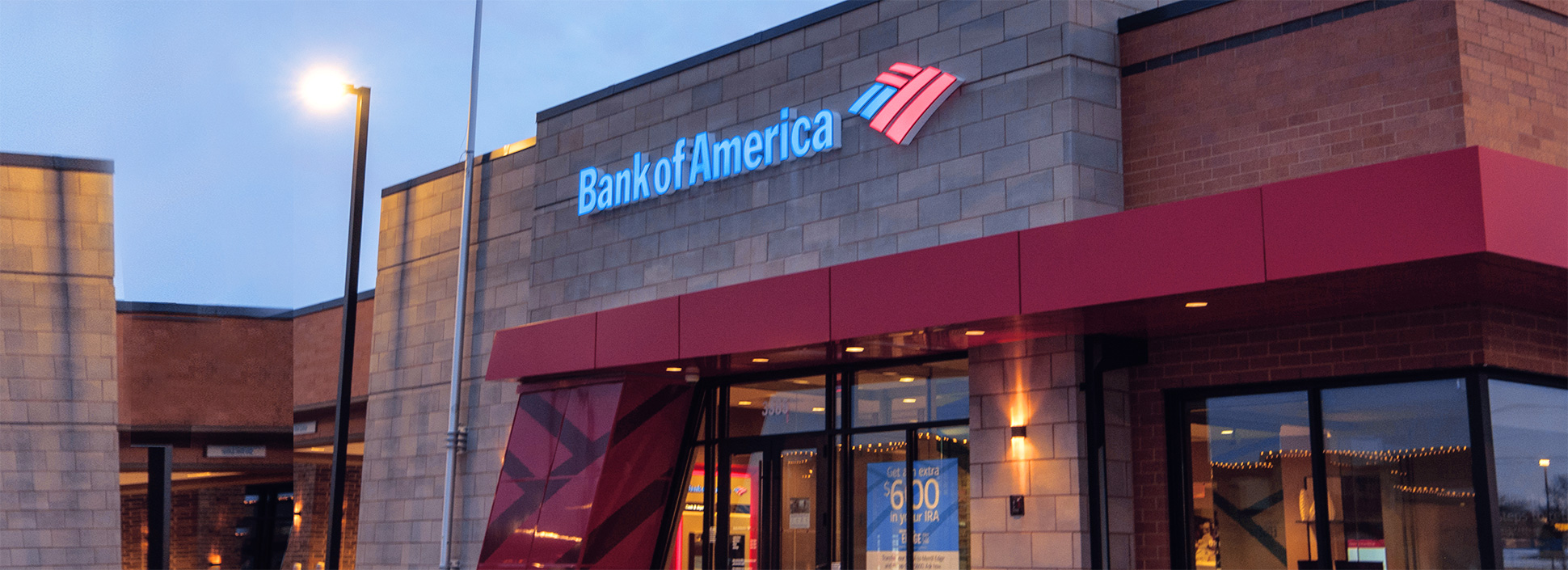
Understanding these schedules is not merely about beating the clock; it is about optimizing your personal finance strategy to ensure that your money is working for you at all times.
Understanding Bank of America’s Branch Schedules
Bank of America operates thousands of financial centers across the United States, each tailored to the needs of its local community. Consequently, there is no single “closing time” that applies to every location. Instead, hours are determined by regional demand, urban versus rural settings, and the specific services offered at that branch.
Standard Weekday Hours
For the majority of Bank of America branches, the standard operating window on weekdays typically runs from 9:00 AM to 4:00 PM or 5:00 PM local time. These hours are designed to align with the standard business day, allowing professionals to visit during lunch breaks or immediately after work. However, in major metropolitan hubs or high-traffic commercial zones, some branches may extend their hours until 6:00 PM to accommodate the commuting workforce.
Understanding these nuances is vital for tasks that require an in-person signature, such as opening specialized investment accounts or accessing a safe deposit box. If you arrive at 4:55 PM for a transaction that takes thirty minutes, you may find yourself unable to complete your business, highlighting the importance of planning ahead.
Weekend Accessibility and Limited Saturday Service
One of the most frequent questions regarding bank hours pertains to the weekend. To provide flexibility for those who cannot visit during the workweek, many Bank of America financial centers offer Saturday hours. These are typically abbreviated, often running from 9:00 AM to 1:00 PM or 2:00 PM.
It is important to note that most branches remain closed on Sundays. For a personal finance strategist, Saturday banking represents a critical window for handling matters that were neglected during the busy week. However, because fewer staff members may be on hand during weekend shifts, it is highly recommended to schedule an appointment via the Bank of America mobile app to ensure a dedicated specialist is available to assist you.
Federal Holidays and Their Impact on Transactions
As a member of the Federal Reserve System, Bank of America observes all federal holidays. This includes New Year’s Day, Martin Luther King Jr. Day, Presidents’ Day, Memorial Day, Juneteenth, Independence Day, Labor Day, Columbus Day (Indigenous Peoples’ Day), Veterans Day, Thanksgiving Day, and Christmas Day.
On these days, all physical branches are closed. From a money management perspective, the significance of these closures extends beyond the inability to visit a teller. Federal holidays are non-business days, meaning the processing of ACH transfers, wire transfers, and check clearings is paused. If a bill is due on a Monday that happens to be a federal holiday, savvy financial planners know to initiate the payment on the preceding Thursday or Friday to avoid late fees.
Leveraging Digital Banking Tools Beyond Physical Hours
While the closing of a physical door may signal the end of the day for a branch teller, it does not mean your banking must stop. In the realm of personal finance, “banking hours” is becoming an increasingly archaic term thanks to the robust suite of digital tools provided by Bank of America.
The Power of the Mobile App and Online Banking
The Bank of America mobile app and online banking portal serve as a 24/7 financial command center. These platforms allow users to perform nearly 90% of traditional banking tasks without ever stepping foot inside a branch. From checking balances and transferring funds between accounts to paying bills and managing credit card rewards, the digital interface is immune to the “closed” sign.
One of the most significant advancements in digital finance is Mobile Check Deposit. By using the camera on a smartphone, customers can deposit checks at any time of day or night. While the funds may not be available immediately—subject to the bank’s funds availability policy—the act of depositing is no longer tethered to branch operating hours. This is a crucial tool for maintaining liquidity and ensuring that deposits are placed in the queue for the next business day’s processing.
24/7 ATM Services and Advanced Functionality
For many, the primary reason to visit a bank after hours is the need for cash. Bank of America’s extensive network of ATMs provides 24-hour access to basic cash withdrawals and deposits. However, modern ATMs have evolved into sophisticated kiosks capable of much more.
Many “Advanced ATMs” allow customers to choose specific denominations of bills, pay credit card bills with cash or checks, and even receive live video assistance in some locations. For the money-conscious individual, the ATM is a vital resource for managing cash flow outside of standard 9-to-5 constraints. It provides a bridge between the physical and digital worlds, ensuring that your cash assets remain accessible whenever a need arises.

Virtual Assistants and Automated Support
Bank of America’s AI-driven virtual assistant, Erica, has revolutionized how customers find information after hours. If you are wondering about a specific transaction or need to lock a misplaced debit card at 2:00 AM, Erica provides immediate assistance. This digital support layer ensures that even when the human experts have gone home for the evening, the consumer’s financial security and information needs are being met. This 24/7 accessibility is a cornerstone of modern financial health, reducing the anxiety associated with waiting for a branch to open to resolve minor issues.
Strategic Financial Planning Around Bank Availability
Managing your money effectively requires an understanding of how the bank’s operational schedule affects the “life cycle” of a transaction. Time is quite literally money when it comes to interest, fees, and credit scores.
Managing Urgent Transactions and Cutoff Times
A “cutoff time” is a specific time of day after which a transaction is processed on the next business day. For Bank of America, these times can vary depending on the type of transaction. For instance, a transfer made through an ATM or the mobile app after the daily cutoff (often 8:00 PM or 9:00 PM ET) may not begin processing until the following morning.
For individuals managing tight cash flows or making large investments, missing a cutoff time can result in a one-day delay that might lead to missed investment opportunities or, worse, overdraft fees if a subsequent payment clears before the deposit. Strategic personal finance involves knowing these internal deadlines as well as the branch’s closing time.
Planning Complex Consultations
Not every banking need can be resolved at an ATM. Complex financial milestones—such as applying for a mortgage, discussing small business loans, or setting up a complex trust—require human expertise. Bank of America’s financial centers are staffed with specialists for these purposes.
To maximize the efficiency of your time, it is wise to view the closing time as a hard deadline for these consultations. Most specialists require at least an hour to properly vet a loan application or review a portfolio. Therefore, scheduling an appointment for 3:00 PM when the bank closes at 5:00 PM is a smarter financial move than attempting a walk-in at 4:30 PM. This ensures you have the full attention of the professional without the pressure of the impending close of business.
Business Banking Coordination
For small business owners, Bank of America’s hours are even more critical. Managing payroll, depositing daily cash receipts, and handling merchant services often require regular branch visits. Business owners must synchronize their end-of-day accounting with the bank’s closing time to ensure that their daily revenue is safely deposited and reflecting in their balance for the start of the next business day.
Furthermore, many business accounts have different service levels that might include dedicated tellers or priority service. Understanding when these specific staff members are available is essential for smooth business operations and cash flow management.
Modern Banking Trends: The Shift Toward Hybrid Access
The question of when a bank closes is being reshaped by a broader trend in the financial industry: the move toward a hybrid service model. Bank of America has been at the forefront of this shift, reimagining the “Financial Center” not just as a place for transactions, but as a hub for financial education and high-level advice.
The Rise of Virtual Appointments
In response to changing consumer habits, Bank of America now offers virtual appointments. This allows customers to speak with financial advisors, mortgage officers, or small business specialists via video or phone. The beauty of the virtual model is that it often offers slightly more flexible timing than the rigid hours of a physical building. For the busy professional or the stay-at-home parent, this flexibility is a powerful tool for personal branding and financial growth, allowing them to manage their wealth without the logistical hurdle of a commute.
The Financial Center of the Future
As transactional banking (deposits and withdrawals) moves almost entirely to digital and ATM channels, physical branches are evolving. You may notice that newer Bank of America locations look less like traditional banks and more like modern offices. This shift reflects the reality that most people only visit a branch when they need specialized help.
From a money management perspective, this is a positive development. It means that when you do visit a branch before it closes, the staff is better equipped to help you with wealth-building strategies rather than just processing paper checks. The “closing time” is becoming less of a barrier to basic banking and more of a deadline for high-value financial consulting.

Maximizing Your Relationship with Bank of America
To truly master your personal finances, you must view the bank’s hours as one piece of a larger puzzle. By integrating the knowledge of branch schedules with the power of digital tools, you create a seamless financial experience.
The most successful Bank of America customers are those who don’t wait until the doors are locking to manage their money. They use the mobile app for daily monitoring, the ATM for immediate cash needs, and the branch for strategic growth. They are aware of the holidays that pause the financial world and the cutoff times that dictate the movement of their capital.
In conclusion, while the specific time Bank of America closes depends on your local branch, your ability to manage your money is now a 24-hour endeavor. By understanding the rhythms of the banking day—from the morning opening to the evening digital cutoff—you position yourself to make smarter, more timely financial decisions. Whether you are seeking a face-to-face meeting to secure your first home loan or simply need to deposit a check at midnight, knowing how to navigate the bank’s physical and digital presence is an essential skill in the modern pursuit of financial security and prosperity.
aViewFromTheCave is a participant in the Amazon Services LLC Associates Program, an affiliate advertising program designed to provide a means for sites to earn advertising fees by advertising and linking to Amazon.com. Amazon, the Amazon logo, AmazonSupply, and the AmazonSupply logo are trademarks of Amazon.com, Inc. or its affiliates. As an Amazon Associate we earn affiliate commissions from qualifying purchases.