
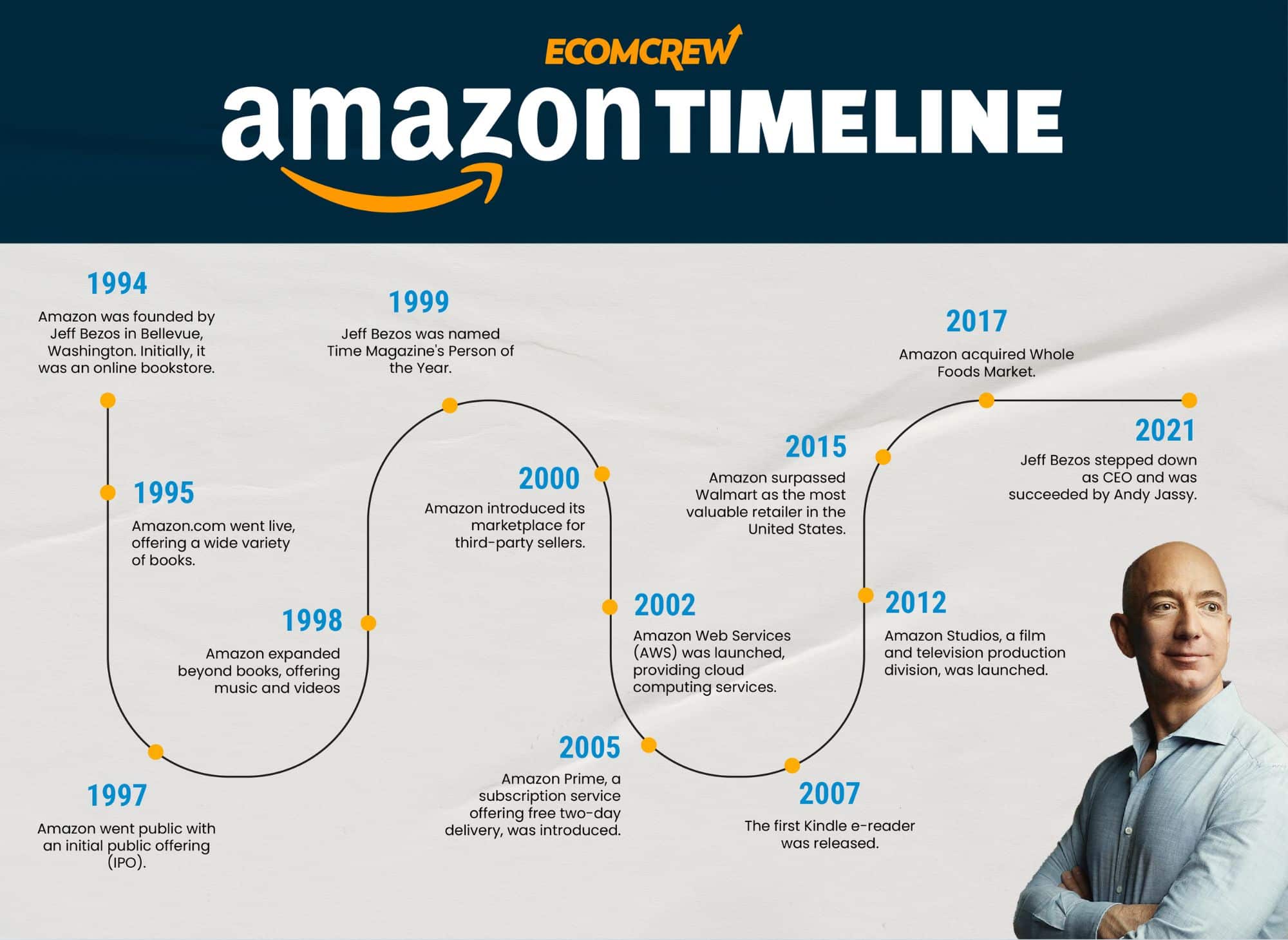
The story of Amazon is often told through the lens of a garage-based startup evolving into a global titan. However, beneath the logistical prowess and the technological infrastructure lies one of the most sophisticated brand strategies in corporate history. When Jeff Bezos founded Amazon in 1994, he wasn’t just building a website to sell books; he was architecting a brand identity centered on the concept of the “Everything Store.” This strategic vision has allowed Amazon to transcend the traditional boundaries of retail, turning a simple online storefront into a global symbol of convenience, reliability, and relentless customer-centricity.

To understand how Amazon started is to understand the deliberate construction of a brand that prioritizes long-term identity over short-term recognition. This article explores the evolution of Amazon’s brand strategy, from its linguistic origins to its dominance as a lifestyle ecosystem.
The Genesis of the “Everything Store” Identity
The foundation of Amazon’s brand was laid long before the first package was shipped. Jeff Bezos understood that in the digital age, a brand name carries more weight than a physical storefront. The name is the entry point, the first touchpoint in a customer’s journey, and it must encapsulate the scale of the company’s ambition.
The Strategic Selection of the Name
Before “Amazon,” there was “Cadabra”—as in “abracadabra.” However, when a lawyer misheard the name as “cadaver,” Bezos realized the importance of a brand name that was both evocative and unmistakable. He settled on “Amazon” for two primary reasons. First, the Amazon River is the largest in the world by volume, which aligned with his vision of building a store with an unprecedented selection. Second, in the early days of the internet, website listings were often alphabetical; a name starting with “A” ensured that his company would appear at the top of search directories. This early focus on visibility and scale remains a hallmark of the Amazon brand today.
Customer Obsession as a Brand Pillar
While most companies in the 1990s focused on product features or competitive pricing, Amazon’s brand identity was built on “Customer Obsession.” This wasn’t just a marketing slogan; it was a strategic mandate. By focusing on what customers would always want—lower prices, faster delivery, and a wider selection—Amazon created a brand promise that was “future-proof.” This commitment to the user experience became the brand’s most powerful marketing tool, fostering a level of trust that allowed the company to expand from books into electronics, toys, and eventually, everything.
Scaling the Visual and Emotional Brand Identity
As Amazon moved beyond its niche as a bookseller, its visual and emotional identity had to evolve to match its growing footprint. A brand is more than a logo, but a logo serves as the visual shorthand for a company’s values and promise.
From the “A” River to the Smile Logo
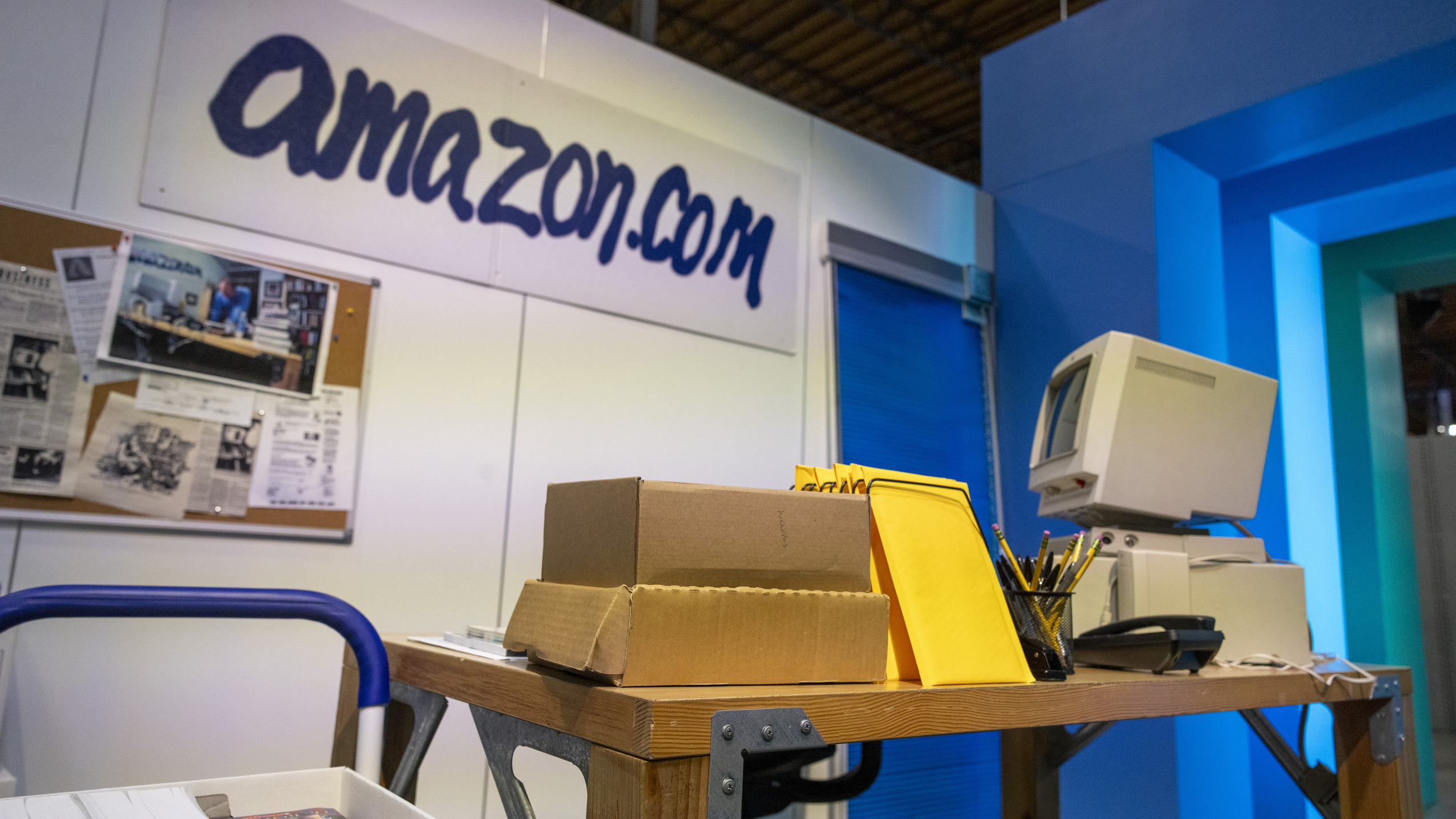
In its infancy, Amazon’s logo featured a stylized letter “A” with a river flowing through it. It was literal and somewhat clunky. In 2000, the company introduced the iconic “smile” logo that we recognize today. This change was a masterclass in brand design. The arrow underneath the word “Amazon” connects the “a” to the “z,” subtly communicating that the company carries everything from A to Z. Furthermore, the arrow is curved to resemble a smile, signifying the customer satisfaction that follows a successful delivery. This visual identity shifted the brand from being a “utility” (a place to get things) to an “experience” (a source of happiness).
Building Trust through Radical Transparency
One of the boldest moves in Amazon’s early brand strategy was the introduction of customer reviews—including negative ones. At the time, this was considered corporate heresy; why would a retailer allow people to say bad things about their products? However, Bezos argued that Amazon wasn’t in the business of selling things; it was in the business of helping people make informed purchase decisions. This radical transparency built a foundation of brand equity and trust. By prioritizing the customer’s long-term interests over a short-term sale, Amazon positioned its brand as a helpful, honest intermediary in the often-confusing world of e-commerce.
The Flywheel Effect: Branding Beyond Retail
Amazon’s growth is frequently explained by the “Flywheel Effect,” a business concept where each part of the system accelerates the others. From a branding perspective, this meant moving the brand away from being a “store” and toward being a “service ecosystem.”
Amazon Prime: The Ultimate Loyalty Brand
In 2005, Amazon launched Prime. Initially, it was a simple shipping subscription, but it quickly morphed into the cornerstone of the Amazon brand identity. Prime redefined what “loyalty” meant in marketing. Instead of earning points for past purchases, customers paid upfront for a suite of benefits. This flipped the psychological script: once a consumer is a Prime member, they feel a “sunk cost” incentive to look to Amazon first for every need. Prime transitioned the brand from a choice to a habit. It moved Amazon from being a transactional brand to a lifestyle brand, deeply integrated into the daily routines of hundreds of millions of households.
Brand Diversification: AWS and Beyond
The Amazon brand has achieved the rare feat of being equally powerful in both B2C (Business-to-Consumer) and B2B (Business-to-Business) sectors. Amazon Web Services (AWS) might seem like a departure from the retail brand, but it follows the same core strategy: providing the “infrastructure” for others to succeed. The “Amazon” name now stands for efficiency and scalability. Whether it’s a consumer getting a package in two hours or a multi-billion dollar corporation hosting its data on AWS servers, the brand promise remains the same: “We provide the platform that makes your life/business easier.”
Lessons in Long-Term Brand Resilience
Amazon’s journey from a small office in Bellevue to a global powerhouse offers vital lessons for brand strategists and corporate leaders. The brand has remained remarkably consistent despite massive shifts in the global economy.
Day 1 Mentality
One of the most famous aspects of Amazon’s internal corporate identity is the “Day 1” philosophy. Jeff Bezos famously insisted that the company must always act as if it is in its first day of operation. From a branding standpoint, this prevents the stagnation that often kills large corporations. A “Day 1” brand is agile, experimental, and unafraid of failure. It allows Amazon to take risks—like the Fire Phone (a notable failure) or the Kindle (a massive success)—without damaging the core brand, because the market views Amazon as an “innovator” by default.
Market Disruption as a Brand Signature
Amazon has successfully branded itself as the “disruptor-in-chief.” Whenever Amazon enters a new market—whether it’s groceries (Whole Foods), healthcare, or entertainment—the incumbent players feel an immediate impact. This “Amazon Effect” is a testament to the power of its brand identity. The market perceives Amazon’s brand as a force of nature—efficient, relentless, and inevitable. This reputation creates a self-fulfilling prophecy of success, attracting partners, talent, and customers who want to be on the winning side of the digital transformation.
Conclusion: The Legacy of a Brand Built on Choice
How did Amazon start? It started with a vision that was larger than its inventory. By choosing a name that suggested infinite scale, designing a logo that promised a smile, and fostering a culture that obsessed over the customer, Amazon built a brand that redefined the relationship between buyer and seller.
Today, Amazon is more than just a place to buy books; it is a global infrastructure of convenience. Its brand strategy has successfully navigated the transition from a niche internet startup to an essential utility of modern life. By focusing on the timeless desires of the consumer and maintaining a “Day 1” hunger for innovation, Amazon has ensured that its brand identity remains as relevant and powerful today as it was when the first “A-to-Z” package left the garage three decades ago. The lesson for any brand builder is clear: focus on the customer, think for the long term, and never be afraid to disrupt your own identity to meet the needs of tomorrow.
aViewFromTheCave is a participant in the Amazon Services LLC Associates Program, an affiliate advertising program designed to provide a means for sites to earn advertising fees by advertising and linking to Amazon.com. Amazon, the Amazon logo, AmazonSupply, and the AmazonSupply logo are trademarks of Amazon.com, Inc. or its affiliates. As an Amazon Associate we earn affiliate commissions from qualifying purchases.