
The world of cryptocurrency has rapidly evolved from a niche fascination into a significant asset class, with Bitcoin leading the charge. For many, the idea of “trading in Bitcoins” conjures images of rapid gains and complex charts. While the market is undeniably dynamic and can be volatile, understanding the fundamental mechanisms, strategies, and risks involved can empower individuals to participate effectively. This guide aims to demystify Bitcoin trading, offering a professional, insightful, and engaging roadmap for anyone looking to navigate the exciting realm of digital asset investment.
Understanding Bitcoin and Its Market Dynamics
Before diving into the mechanics of trading, it’s crucial to grasp what Bitcoin is, why it holds value, and the factors that influence its market behavior. This foundational understanding is the bedrock of any successful trading strategy.
What is Bitcoin? A Brief Overview
At its core, Bitcoin is a decentralized digital currency, often referred to as “digital gold.” Created in 2009 by an anonymous entity known as Satoshi Nakamoto, it operates on a technology called blockchain—a distributed public ledger that records all transactions. Unlike traditional currencies (fiat), Bitcoin is not issued or controlled by a central bank or government. Its supply is finite, capped at 21 million coins, which is a key driver of its scarcity and perceived value. Transactions are verified by network participants through a process called “mining,” ensuring security and immutability. This innovative structure underpins its appeal as both a medium of exchange and a store of value.
Why Trade Bitcoin? Opportunities and Risks
The primary allure of trading Bitcoin lies in its potential for significant financial gains. Its price has historically experienced periods of exponential growth, attracting investors seeking high returns. Bitcoin’s global accessibility means it can be traded 24/7, offering liquidity that traditional markets often lack. Furthermore, its independence from conventional financial systems makes it an attractive hedge against inflation or geopolitical instability for some.
However, trading Bitcoin is not without substantial risks. Its price volatility is legendary; rapid price swings, both upwards and downwards, are common. This high risk-reward profile means that while profits can be substantial, so can losses. Regulatory uncertainty, security concerns (though blockchain itself is secure, exchanges and individual wallets can be vulnerable), and the inherent complexity of market analysis all contribute to the challenging environment of crypto trading. It’s imperative for aspiring traders to approach this market with a clear understanding of these dualities.
Bitcoin’s Volatility and Market Influencers
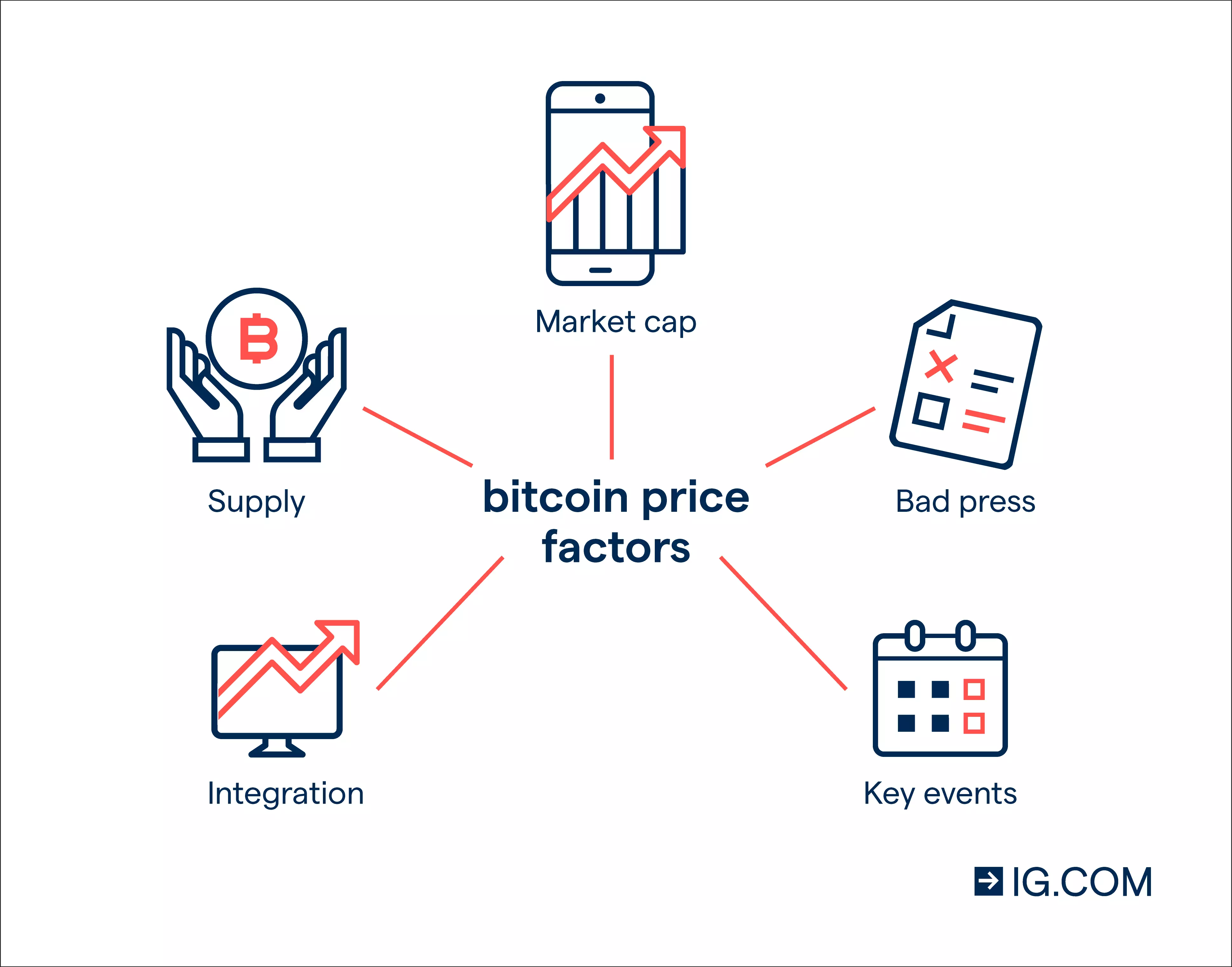
Bitcoin’s price fluctuations are influenced by a myriad of factors, making it a complex asset to predict. Supply and demand dynamics are fundamental, driven by adoption rates, institutional investment, and global economic sentiment. News events, such as regulatory announcements, technological advancements (like network upgrades), or even celebrity endorsements, can trigger significant price movements. Macroeconomic factors, like interest rate changes or inflation figures in major economies, can also sway investor sentiment towards or away from risk assets like Bitcoin. Technical analysis, which involves studying past price charts and trading volumes to identify patterns, is a common tool traders use to anticipate future movements, though its efficacy is debated and never guaranteed.
Getting Started: Essential Steps Before Trading
Embarking on your Bitcoin trading journey requires more than just capital; it demands preparation, security consciousness, and a strategic approach to financial management.
Setting Up a Cryptocurrency Exchange Account
The first practical step is to choose and register with a reputable cryptocurrency exchange. Exchanges act as digital marketplaces where you can buy, sell, and trade various cryptocurrencies. When selecting an exchange, consider factors such as:
- Security: Look for exchanges with robust security measures like two-factor authentication (2FA), insurance funds, and a strong track record.
- Fees: Understand the trading fees (maker/taker fees), deposit fees, and withdrawal fees. These can eat into your profits, especially for frequent traders.
- Liquidity: High liquidity ensures you can execute trades quickly at desired prices.
- User Interface: A user-friendly interface can significantly enhance your trading experience, especially for beginners.
- Customer Support: Accessible and responsive customer service is vital for resolving any issues.
- Regulatory Compliance: Choose exchanges that comply with local financial regulations, which often means they require Know Your Customer (KYC) verification (submitting ID documents).
Popular exchanges include Coinbase, Binance, Kraken, Gemini, and eToro, each with its own advantages and disadvantages depending on your location and trading goals.
Securing Your Digital Assets: Wallets and Best Practices
Once you acquire Bitcoin, it’s crucial to secure it. While exchanges offer custodial wallets, holding significant amounts on an exchange can expose you to counterparty risk (e.g., exchange hacks or insolvency). For greater control and security, consider transferring your Bitcoin to a personal cryptocurrency wallet.
- Software Wallets (Hot Wallets): These are applications installed on your computer or smartphone, or browser extensions. They are convenient for active trading but are connected to the internet, making them potentially more vulnerable to online threats.
- Hardware Wallets (Cold Wallets): These are physical devices that store your private keys offline. They offer the highest level of security for long-term storage and larger amounts of Bitcoin, as they are impervious to online hacking attempts when disconnected. Examples include Ledger and Trezor.
Regardless of your chosen wallet type, always enable 2FA, use strong, unique passwords, and most importantly, securely back up your seed phrase (a series of words that can restore your wallet). Never share your private keys or seed phrase with anyone.
Funding Your Account: Fiat-to-Crypto On-Ramps
To begin trading, you’ll need to deposit funds into your exchange account. Most exchanges support various “fiat-to-crypto on-ramps,” allowing you to convert traditional currency (like USD, EUR, GBP) into Bitcoin. Common methods include:
- Bank Transfers (ACH/SEPA): Often the most cost-effective method but can take a few business days to clear.
- Debit/Credit Card Purchases: Usually instant but come with higher fees.
- Peer-to-Peer (P2P) Trading: Allows direct exchange with other users, often offering more payment options, but requires careful verification of the counterparty.
- Third-Party Payment Processors: Services like PayPal or Google Pay are increasingly integrated into exchanges.
Always be mindful of deposit limits, processing times, and associated fees when choosing your funding method, as these can impact your overall investment strategy and profitability.
Core Bitcoin Trading Strategies
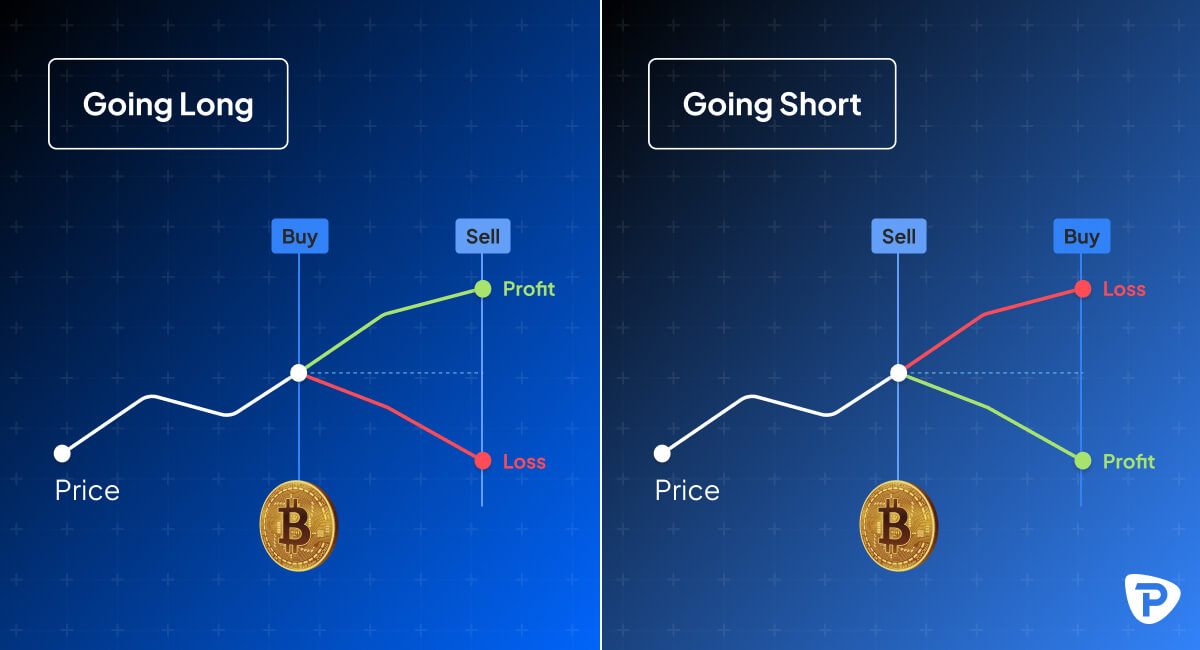
Trading Bitcoin can take many forms, from quick, high-frequency transactions to long-term passive investments. The strategy you choose should align with your financial goals, risk tolerance, and the amount of time you can dedicate to market analysis.
Spot Trading: Buying and Selling on Exchanges
Spot trading is the most straightforward method, involving the direct purchase and sale of Bitcoin on an exchange at its current market price (the “spot” price). When you spot trade, you own the underlying asset. The goal is to buy low and sell high, profiting from the price difference. This is suitable for beginners as it involves fewer complexities than derivatives trading. While seemingly simple, successful spot trading requires market analysis, understanding order types (market orders, limit orders, stop-limit orders), and emotional discipline.
Day Trading and Scalping: Short-Term Profit Taking
These are aggressive, short-term strategies focused on capitalizing on small price movements within a single trading day.
- Day Trading: Involves opening and closing positions within the same trading day, avoiding overnight holding risks. Day traders typically analyze hourly or minute charts and make decisions based on technical indicators and market news.
- Scalping: An even shorter-term strategy, where traders execute numerous trades within minutes or even seconds, aiming to profit from tiny price discrepancies. Scalpers rely heavily on high liquidity, minimal fees, and rapid execution. Both strategies demand significant time commitment, intense focus, and a high tolerance for risk. They are generally not recommended for novice investors.
Swing Trading: Capitalizing on Mid-Term Price Movements
Swing trading involves holding Bitcoin for several days or weeks to profit from “swings” in its price. Traders aim to identify patterns and trends that suggest a price move in one direction before it reverses. This strategy typically uses a combination of technical and fundamental analysis, looking at daily or weekly charts. Swing trading requires less constant monitoring than day trading but still demands regular market observation and a good understanding of market cycles and momentum indicators. It can be a good middle-ground for those who want to be active traders but lack the time for day trading.
Long-Term Holding (HODLing): A Passive Investment Approach
“HODLing” (a misspelling of “holding” that became a meme) refers to the strategy of buying Bitcoin and holding onto it for an extended period, often years, irrespective of short-term price fluctuations. The premise is that Bitcoin’s value will appreciate significantly over the long term due to its scarcity, increasing adoption, and fundamental technological advantages. HODLing is a passive investment strategy that requires minimal active management once the purchase is made. It is well-suited for investors with a long-term financial outlook and a belief in Bitcoin’s future potential, allowing them to ride out volatility and benefit from compound growth. This strategy minimizes transaction fees and the stress of constant market monitoring.
Risk Management and Financial Prudence
No investment guide is complete without a strong emphasis on risk management. Bitcoin trading, with its inherent volatility, makes financial prudence not just advisable, but essential.
Diversification: Don’t Put All Your Eggs in One Basket
While Bitcoin can be a compelling asset, it’s generally unwise to invest all your capital into it. Diversification involves spreading your investments across different asset classes (e.g., traditional stocks, bonds, real estate, and other cryptocurrencies) to mitigate risk. If one asset performs poorly, others may perform well, balancing your overall portfolio. Within the crypto space itself, consider diversifying beyond just Bitcoin into other established cryptocurrencies (altcoins) or even stablecoins, depending on your risk appetite and research.
Setting Stop-Loss and Take-Profit Orders
These are crucial tools for managing trades and protecting capital.
- Stop-Loss Order: An instruction to your exchange to automatically sell your Bitcoin if its price drops to a predetermined level. This limits potential losses if the market moves against your position.
- Take-Profit Order: An instruction to automatically sell your Bitcoin when it reaches a specific target price, locking in gains.
Using these orders helps automate risk management, prevents emotional decision-making during market volatility, and ensures you stick to your trading plan.
The Importance of Research and Due Diligence
Never invest in anything you don’t understand. Thorough research is paramount. This includes understanding Bitcoin’s technology, its economic model, market trends, regulatory developments, and potential future use cases. Follow reputable news sources, read whitepapers, and consult analyses from trusted financial experts. Be wary of speculative “pump-and-dump” schemes, hype, and unsubstantiated claims. Your investment decisions should be based on sound information and rational analysis, not fear of missing out (FOMO) or baseless optimism.
Avoiding FOMO and FUD: Emotional Discipline
The cryptocurrency market is heavily influenced by investor psychology. FOMO (Fear Of Missing Out) can lead individuals to buy assets at their peak, driven by emotional exuberance. Conversely, FUD (Fear, Uncertainty, and Doubt) can cause panic selling during market dips, locking in losses. Successful traders cultivate emotional discipline, sticking to their pre-defined trading plan and risk management rules, rather than letting emotions dictate their actions. This often means resisting the urge to chase rising prices or panic during downturns.
Regulatory Landscape and Taxation
The evolving nature of cryptocurrency means that the regulatory and tax environments are constantly shifting. Staying informed is crucial for compliant and financially responsible trading.
Navigating Jurisdiction-Specific Crypto Regulations
The legality and regulatory framework for Bitcoin trading vary significantly across different countries and regions. Some nations have embraced cryptocurrencies with clear regulations, while others have imposed strict bans or operate in a legal gray area. Before trading, it is vital to understand the specific laws and regulations applicable in your jurisdiction. This includes rules regarding KYC/AML (Know Your Customer/Anti-Money Laundering), exchange licensing, and investor protection. Non-compliance can lead to severe legal and financial penalties.
Understanding Tax Implications of Bitcoin Trading
In most major economies, Bitcoin is considered property for tax purposes, not currency. This means that gains from selling Bitcoin at a profit (capital gains) are typically taxable. The tax rate and reporting requirements can differ based on whether the gain is short-term or long-term, and your overall income. Trading frequently can lead to complex tax reporting, as each taxable event (selling, exchanging, or sometimes even spending Bitcoin) needs to be accounted for. Consulting with a tax professional experienced in cryptocurrency is highly recommended to ensure accurate reporting and compliance.
The Future of Bitcoin Trading and Financial Integration
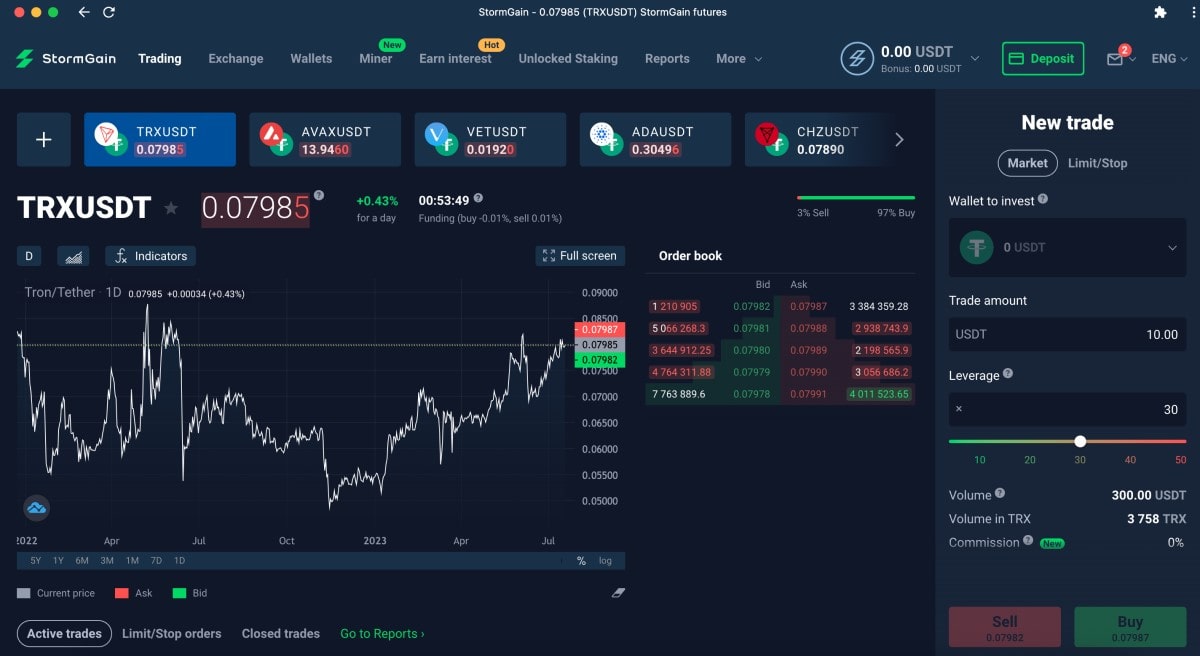
The trajectory of Bitcoin trading points towards increasing integration with traditional financial systems. Institutional adoption, the development of clearer regulatory frameworks, and the creation of more sophisticated financial products (like Bitcoin ETFs and futures) are making Bitcoin trading more accessible and mainstream. While challenges remain, the future suggests a more mature, regulated, and potentially less volatile market, offering new opportunities for investors and traders alike.
Trading in Bitcoins is a dynamic and potentially rewarding endeavor, but it demands careful preparation, continuous learning, and a disciplined approach to risk. By understanding its fundamentals, employing sound strategies, and prioritizing financial prudence, aspiring investors can confidently navigate this exciting frontier of digital finance.
aViewFromTheCave is a participant in the Amazon Services LLC Associates Program, an affiliate advertising program designed to provide a means for sites to earn advertising fees by advertising and linking to Amazon.com. Amazon, the Amazon logo, AmazonSupply, and the AmazonSupply logo are trademarks of Amazon.com, Inc. or its affiliates. As an Amazon Associate we earn affiliate commissions from qualifying purchases.