
In an era of ubiquitous streaming services and advanced home theater systems, the decision to venture out to a physical movie theater often comes with a financial consideration that extends far beyond the price of a single ticket. For many, a trip to the cinema remains a cherished experience – a chance to immerse oneself in a story on the big screen, away from the distractions of home. Yet, understanding the true financial commitment required for this outing is crucial for effective personal finance management. This article delves into the various components that contribute to the overall cost of a movie theater visit, offers practical strategies for making it more affordable, and helps you assess its value within your broader financial landscape.
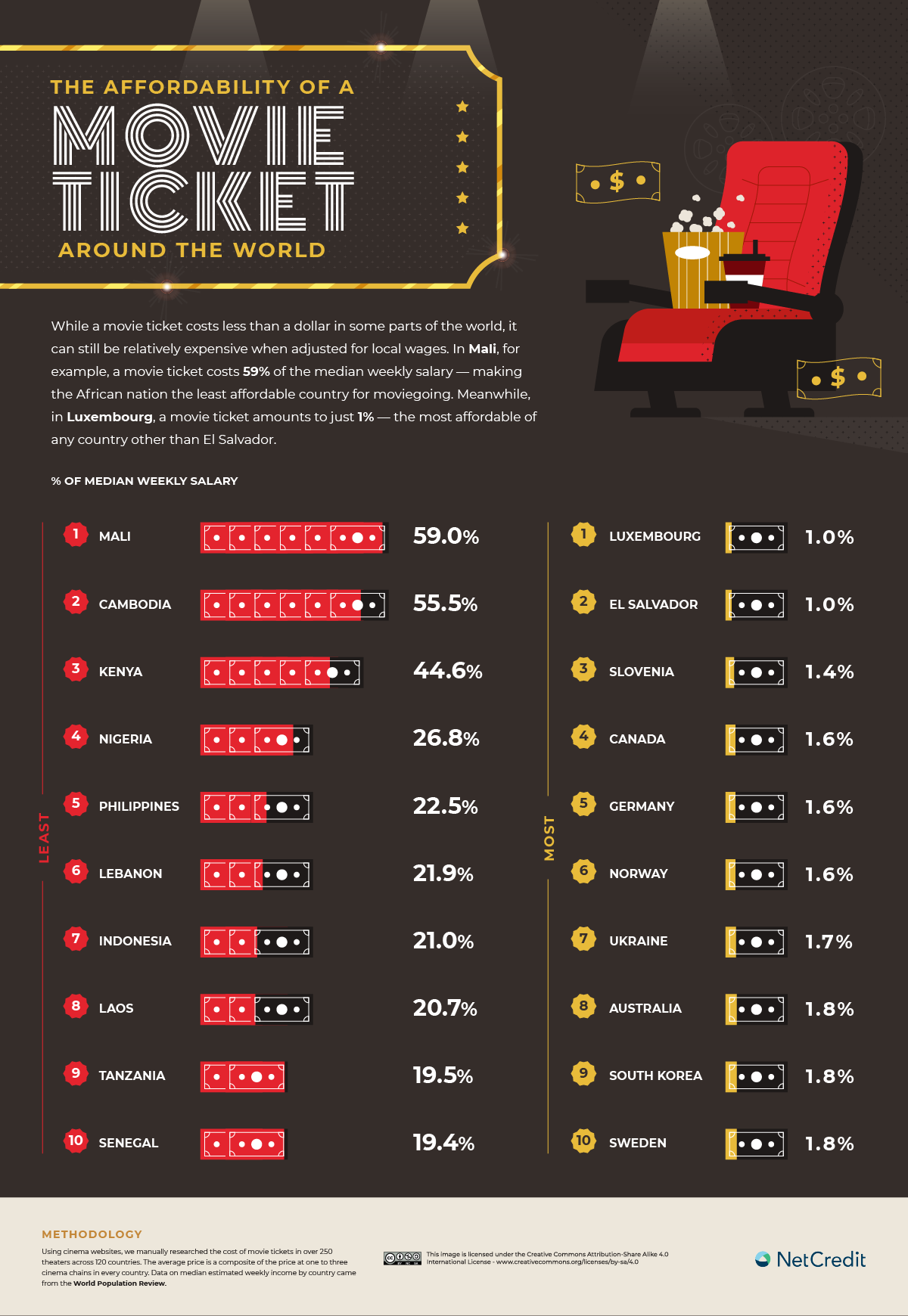
Deconstructing the Core Ticket Price
The most obvious cost associated with going to the movies is the ticket itself, but even this seemingly straightforward expense is subject to a surprisingly wide range of variables. Understanding these nuances is the first step in budgeting for your cinematic escape.
Geographic Variations and Urban vs. Rural
One of the most significant factors influencing ticket prices is location. Movie theaters in major metropolitan areas, where operating costs are higher and demand is often greater, typically charge more than those in smaller towns or rural communities. For example, a ticket in New York City or Los Angeles could easily be 20-30% higher than one in a suburban multiplex or a smaller regional cinema. This disparity reflects differences in rent, labor costs, and market dynamics. Patrons in high-cost-of-living areas should expect to pay a premium for the convenience of local entertainment.
Matinee vs. Evening Showings
Timing plays a crucial role in ticket pricing. Matinee showings, typically scheduled before 4 or 5 PM on weekdays and sometimes even weekends, are almost universally cheaper than evening screenings. This pricing strategy aims to fill seats during off-peak hours, providing a more accessible option for students, seniors, and those with flexible schedules. The difference can be substantial, often saving you $3 to $5 per ticket, making matinees an excellent strategy for budget-conscious moviegoers.
Premium Formats: IMAX, 3D, D-BOX, and Luxury Seating
The allure of cutting-edge technology and enhanced comfort comes with a significant upcharge. Premium formats like IMAX, which boasts larger screens and superior sound systems, or 3D presentations, which require special glasses, add several dollars to the base ticket price. D-BOX seating, offering motion synchronization with on-screen action, can further elevate the cost. Beyond these technological enhancements, many modern cinemas now offer luxury seating options such as recliners or reserved, spacious seats, often accompanied by an additional fee. While these upgrades undoubtedly enhance the viewing experience, they can easily push a single ticket price into the $18-$25 range, sometimes even higher.
Child, Senior, and Student Discounts
Thankfully, not all pricing adjustments are upwards. Most theaters offer discounted tickets for specific demographics, recognizing that certain groups may have more limited disposable income or greater availability during off-peak hours. Children (typically under 12), seniors (often 60 or 65+), and students (with valid ID) can usually avail themselves of reduced fares. These discounts can save a significant percentage off the adult admission price, making family outings or student nights out more feasible. It’s always advisable to inquire about available discounts before purchasing tickets.
The Unseen Costs: Concessions and Add-ons
While the ticket price is the gateway to the cinematic experience, for many, it represents only a fraction of the total expenditure. The true financial impact often lies in the irresistible allure of the concession stand and other ancillary purchases.
The High Markup of Popcorn, Drinks, and Candy
It’s no secret that movie theater concessions operate on incredibly high markups, often reaching several hundred percent. A large popcorn, soda, and candy combo can easily cost as much as, if not more than, the ticket itself. This pricing strategy is fundamental to the theater’s business model; while ticket revenue is often shared significantly with film distributors, concession sales provide a much larger profit margin for the theater operator. The convenience and traditional association of these snacks with the movie-watching experience make them highly tempting, but they are undeniably the biggest hidden expense for most patrons.
The Lure of Combo Deals
Theaters strategically bundle popular items into “combo deals,” often marketed as a better value. While a combo might be slightly cheaper than buying each item individually, it still represents a substantial expense. Furthermore, these deals often encourage consumers to purchase larger sizes or more items than they might have originally intended, leading to increased spending and potential waste. Savvy consumers should critically evaluate whether the “deal” genuinely aligns with their needs and budget.
Merchandise and Arcade Games
Beyond food and drink, many modern multiplexes feature arcades, claw machines, and merchandise stands, particularly for family-friendly films. These additional attractions are designed to capture extra discretionary spending, especially from younger audiences. A few rounds of a video game or a small souvenir can quickly add another $5-$15 to your bill, turning a simple movie outing into a more expensive entertainment package.
Parking and Transportation Costs
The cost of getting to the theater should also be factored into your budget. If you drive, parking fees, especially in urban centers, can range from a few dollars to upwards of $20 for a few hours. Even if parking is free, the cost of gasoline for the round trip is a legitimate expense. For those using public transportation or ride-sharing services, these fares also contribute to the overall cost of the outing. Neglecting to account for transportation can lead to an underestimation of the true financial outlay for a movie night.
Strategies to Slash Your Cinema Budget
While the costs associated with moviegoing can accumulate quickly, a proactive approach to budgeting and strategic decision-making can significantly reduce your expenditure without necessarily diminishing the enjoyment.
Leveraging Loyalty Programs and Memberships
Many major cinema chains offer loyalty programs, often free to join, that reward frequent visitors. These programs can provide points for every dollar spent, leading to free tickets, discounted concessions, or exclusive access to screenings. Some theaters also offer premium subscription memberships, where for a monthly fee, you get a certain number of free tickets (e.g., 2-4 per month) and discounts on concessions. For regular moviegoers, these memberships can offer substantial savings over time, effectively reducing the per-movie cost.
Opting for Matinees or Discount Days

As previously discussed, matinee showings are almost always cheaper than evening screenings. Planning your movie outings for daytime hours can yield immediate savings. Furthermore, many theaters designate specific “discount days” (e.g., Tuesday or Wednesday) where all tickets are offered at a reduced price, sometimes as low as $5-$7. These days are particularly popular for casual moviegoers or those who want to see multiple films without breaking the bank.
Bringing Your Own Snacks (Where Permitted)
This strategy requires a bit of discretion and adherence to theater policies. While most theaters strictly prohibit outside food and beverages, some independent cinemas or smaller venues might be more lenient. Even where officially disallowed, some patrons discreetly bring in small, non-obtrusive snacks like candy bars or bottled water in their bags to avoid the high concession prices. This is a “use at your own risk” strategy, but for those who manage it, the savings on concessions can be substantial. A safer alternative is to eat a meal or snack before you arrive at the theater, reducing the temptation to splurge on expensive lobby treats.
Utilizing Gift Cards and Promotions
Gift cards purchased at a discount or received as gifts can effectively reduce your out-of-pocket spending. Keep an eye out for promotions, especially around holidays, where theaters or third-party retailers might offer bonus gift cards with purchases or discounted gift cards themselves. Additionally, various apps and websites (like Groupon or LivingSocial) occasionally offer vouchers or deals for movie tickets or concession bundles, providing another avenue for savings.
Exploring Alternative Viewing Options (Home vs. Theater)
While not a strategy for reducing theater costs, recognizing the financial alternative can help put spending in perspective. With the rise of premium video on demand (PVOD) and streaming services that offer new releases for rent or purchase soon after their theatrical run, watching movies at home has become a viable, often cheaper, alternative. A PVOD rental typically costs around $19.99 for a family to watch at home, which can be significantly less than taking an entire family to the cinema, especially if concessions are included. This option is particularly appealing for those who prioritize convenience and cost savings over the unique communal experience of a theater.
Analyzing the Value: When is the Movie Theater Worth It?
Beyond the raw financial figures, assessing the “cost” of going to the movies also involves evaluating its perceived value. For some, the experience is priceless; for others, the expenses outweigh the benefits. Understanding what constitutes value for you is key to making informed financial decisions about your entertainment budget.
The Immersive Experience vs. Home Comforts
The core appeal of the movie theater is its immersive experience: the massive screen, powerful sound system, dark room, and communal atmosphere. This environment is designed to minimize distractions and maximize engagement with the film. For certain blockbusters, visually stunning epics, or films with intricate sound design, the theater often provides an unparalleled viewing quality that cannot be replicated at home, no matter how advanced your setup. However, home viewing offers comfort, convenience, the ability to pause, and significantly cheaper snacks. The value proposition depends on how much you prioritize immersion versus personal comfort and flexibility.
Social Aspects and Group Outings
Going to the movies is often a social activity – a date night, a family outing, or a get-together with friends. The shared experience, the post-movie discussions, and the collective anticipation contribute to the overall enjoyment. In this context, the cost is not just for the film itself but for the shared social ritual. For those who value these social connections, the financial outlay becomes an investment in relationships and shared memories. If the primary goal is a social outing, the movie theater offers a structured, universally appealing activity.
The Blockbuster Premium: First-Run Features
There’s an undeniable thrill in seeing a highly anticipated blockbuster on opening night or during its initial theatrical run. Being among the first to witness a major cinematic event, avoiding spoilers, and participating in the cultural conversation around a new release can add significant perceived value for many film enthusiasts. For these tentpole films, the premium price of a theater ticket is often deemed worthwhile to experience the film as intended and be part of the initial wave of viewers.
Considering Opportunity Cost
In personal finance, opportunity cost refers to the value of the next best alternative that you forego when making a choice. When you decide to spend $50 on a movie outing, you are simultaneously deciding not to spend that $50 on something else – perhaps a meal out, a new book, a contribution to your savings, or another form of entertainment. Regularly considering the opportunity cost of your moviegoing expenses can help you prioritize your discretionary spending and ensure that your entertainment budget aligns with your broader financial goals and values.
Integrating Moviegoing into Your Personal Finance Strategy
For many, entertainment is a non-negotiable part of a balanced life. The key is to incorporate it thoughtfully into your personal finance strategy, ensuring that it enhances your life without derailing your financial progress.
Setting a Realistic Entertainment Budget
The first step in managing movie costs is to establish a dedicated entertainment budget. This involves deciding how much you can comfortably allocate each month or quarter for discretionary activities like movies, concerts, dining out, and other leisure pursuits. A common guideline is the 50/30/20 rule (50% for needs, 30% for wants, 20% for savings/debt repayment), where entertainment falls squarely within the “wants” category. Be realistic about your spending habits and financial capacity; an overly restrictive budget is often unsustainable.
Tracking Your Spending
Once you have a budget, diligently tracking your entertainment expenditures is crucial. Use budgeting apps, spreadsheets, or even a simple notebook to record every dollar spent on movie tickets, concessions, parking, and related costs. This practice provides a clear picture of where your money is going and helps you identify areas where you might be overspending. Regular review of your spending against your budget allows for timely adjustments and better financial control.
Prioritizing Your Entertainment Dollars
With a limited budget, you’ll need to make choices. Do you prefer one big movie outing with all the trimmings, or several more modest trips? Are you willing to skip some less-appealing films at the cinema to save up for the one blockbuster you truly want to see on the big screen? Prioritizing your entertainment dollars means consciously deciding which experiences deliver the most value and joy for your money, and being comfortable foregoing others.
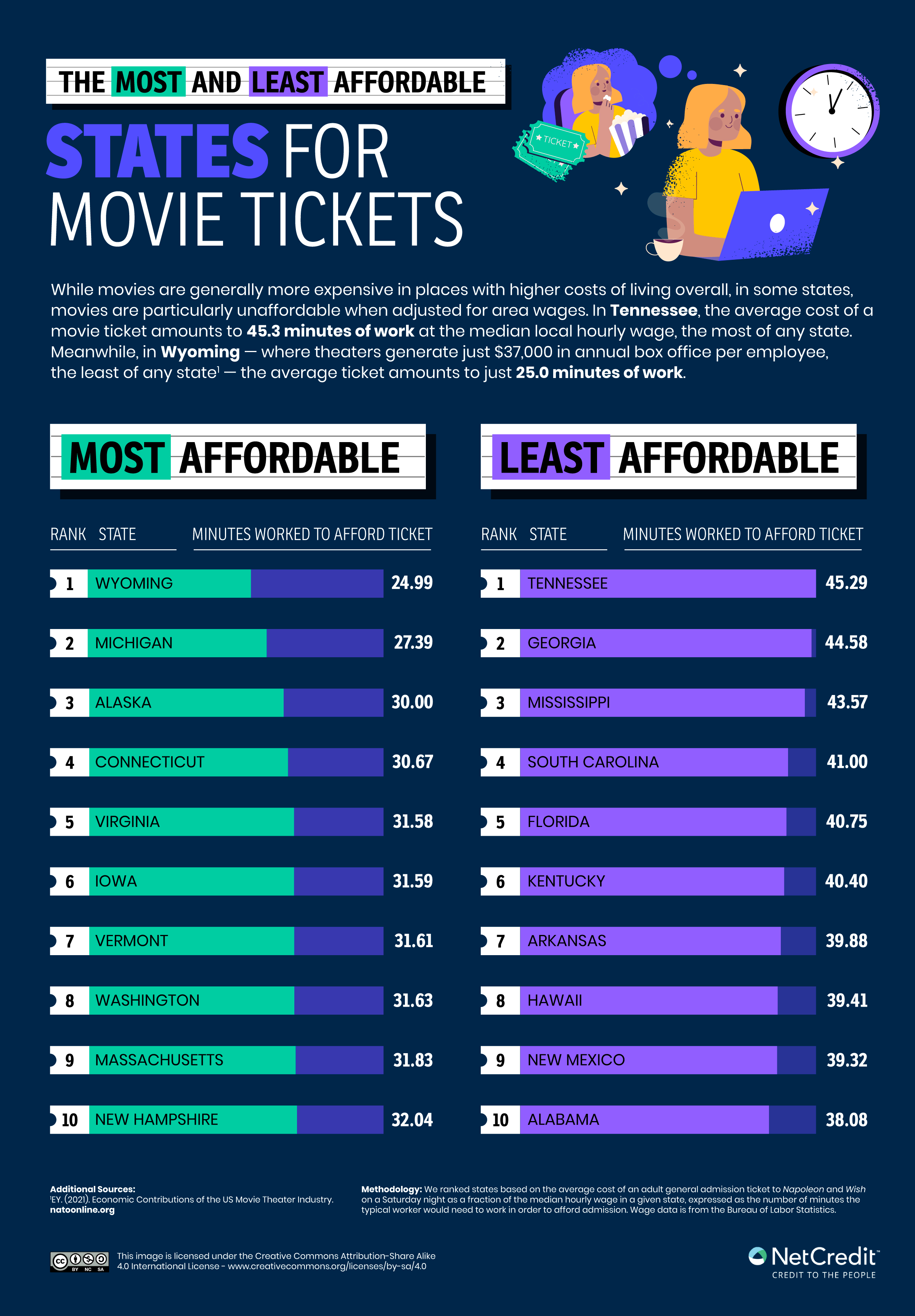
The Long-Term Financial Impact of Discretionary Spending
While a single movie outing might seem like a small expense, recurring discretionary spending adds up significantly over time. A family spending $60 on a movie and concessions twice a month is spending $1,440 annually. Over five years, that’s $7,200. While enjoying life is important, it’s essential to be aware of how these regular small expenditures could impact larger financial goals like saving for a down payment, investing, or paying down debt. A balanced approach ensures you enjoy today while securing your financial future.
In conclusion, the cost of going to the movies is multifaceted, extending far beyond the initial ticket price. By understanding these various components, employing smart savings strategies, and integrating moviegoing into a thoughtful personal finance plan, you can continue to enjoy the magic of the cinema without compromising your financial well-being.
aViewFromTheCave is a participant in the Amazon Services LLC Associates Program, an affiliate advertising program designed to provide a means for sites to earn advertising fees by advertising and linking to Amazon.com. Amazon, the Amazon logo, AmazonSupply, and the AmazonSupply logo are trademarks of Amazon.com, Inc. or its affiliates. As an Amazon Associate we earn affiliate commissions from qualifying purchases.