
For many, “The Walking Dead” isn’t just a television show; it’s a cultural phenomenon, a saga that has redefined the zombie genre and captivated audiences worldwide for over a decade. The simple question, “how many episodes of The Walking Dead,” transcends a mere numerical answer to become a testament to the strategic prowess, enduring appeal, and sheer scale of a media brand. The flagship series, which concluded its run in 2022, amassed an impressive 177 episodes across 11 seasons. This colossal episode count isn’t just a figure; it represents a significant investment in intellectual property, a masterclass in serialized storytelling, and a comprehensive case study in brand management within the highly competitive entertainment industry.
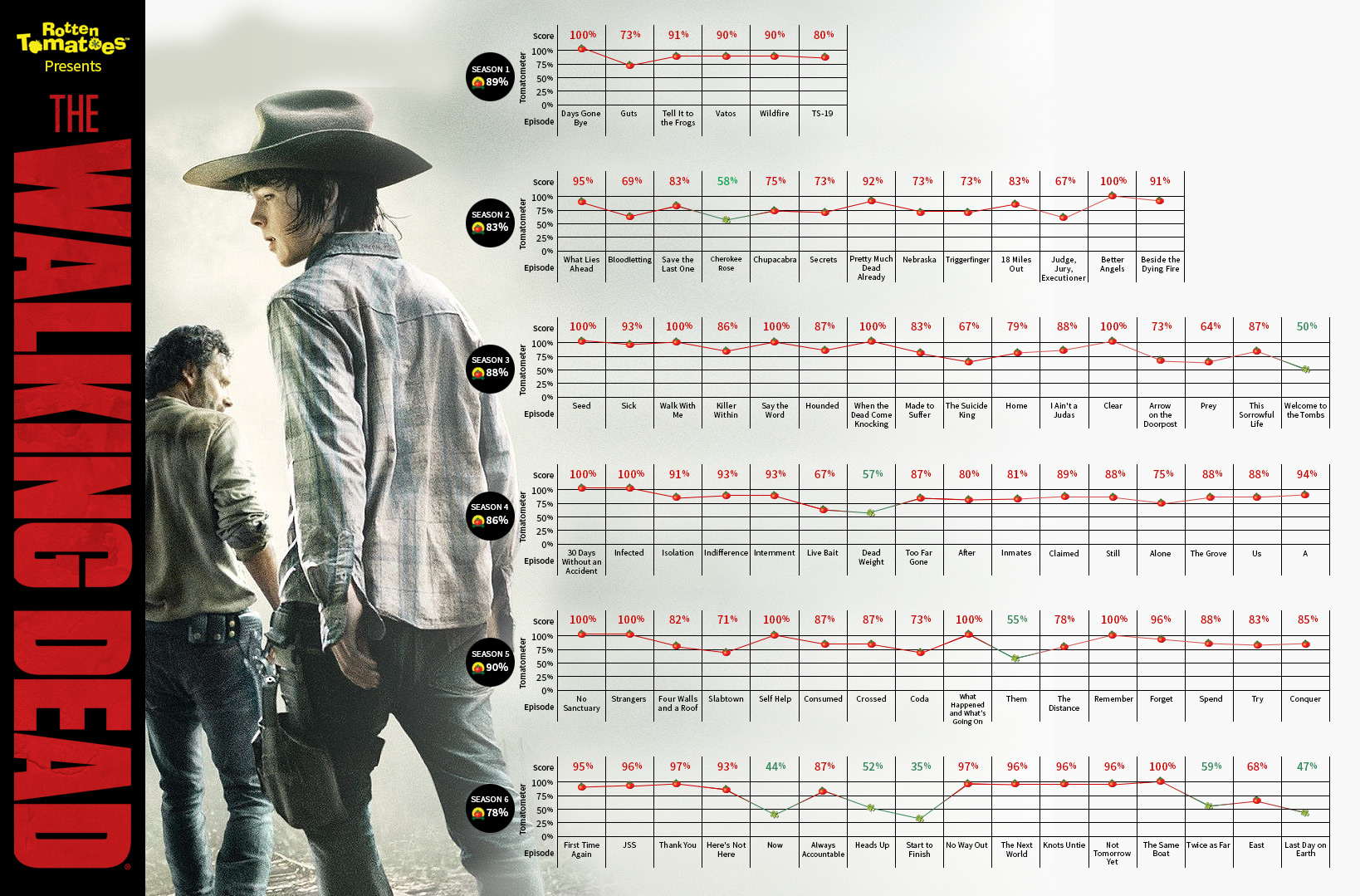
Understanding the depth and breadth of a brand like “The Walking Dead” requires looking beyond the main series. While 177 episodes define the core narrative, the brand’s expansive universe, nurtured through numerous spin-offs, miniseries, and related content, pushes the total episode count for the franchise well into the hundreds. This strategic proliferation of content is a calculated move to sustain audience engagement, diversify revenue streams, and solidify “The Walking Dead” as a perennial fixture in pop culture. This article will delve into how this extensive episode library serves as a cornerstone for brand building, franchise expansion, and long-term strategic planning, offering valuable insights into managing a vast media enterprise.
The Scale of a Media Phenomenon: Episode Count as a Brand Asset
The sheer volume of content produced for “The Walking Dead” main series speaks volumes about its journey from a niche comic book adaptation to a global entertainment juggernaut. Each episode wasn’t merely a standalone story but a building block in a sprawling narrative that cultivated an intensely loyal fanbase and established a formidable brand presence. The 177 episodes of the original series provided an unparalleled runway for character development, plot twists, and world-building, transforming it into a brand asset of immense value.
Initial Investment vs. Long-Term Return
Producing 177 episodes over 11 years represents a substantial financial and creative investment by AMC. From securing filming locations and constructing elaborate sets to managing a large ensemble cast and crew, the costs associated with such a long-running production are staggering. However, this initial outlay was strategically justified by the brand’s ability to generate significant long-term returns. The vast episode library became a valuable asset for syndication, streaming rights, and international licensing, ensuring a continuous revenue stream long after initial broadcasts. Each episode contributed to the brand’s equity, making “The Walking Dead” a highly sought-after property for streaming platforms eager to attract and retain subscribers with binge-worthy content. The investment wasn’t just in individual episodes but in building a narrative universe robust enough to support perpetual engagement and future expansion.
The Power of Serialization in Brand Building
Serialization is a potent tool for brand building, and “The Walking Dead” leveraged it to perfection across its 177 episodes. Unlike standalone movies or miniseries, a long-form serialized drama inherently encourages sustained viewer commitment. Audiences invest emotionally in characters over years, anticipating each new season and discussing plot developments in dedicated fan communities. This continuous engagement fosters deep brand loyalty, turning casual viewers into ardent evangelists. Each episode, a piece of a larger puzzle, contributes to a collective viewing experience that strengthens the brand’s identity and its unique place in the entertainment landscape. The methodical pacing, character arcs spanning multiple seasons, and the constant threat of a post-apocalyptic world created a narrative gravity that kept millions returning week after week, season after season, forging an indelible bond between the audience and the “The Walking Dead” brand.
Audience Engagement and Brand Loyalty Through Longevity
The extensive episode count of “The Walking Dead” allowed for an unprecedented level of audience engagement and the cultivation of profound brand loyalty. Over 11 seasons, viewers witnessed characters evolve, alliances shift, and the world itself transform. This longevity created a shared history with the audience, making them feel like participants in the journey rather than mere spectators. Fan theories, online discussions, conventions, and merchandise sales all flourished around the consistent drip-feed of new content provided by 177 episodes. The brand became a cornerstone for a global community, fostering a sense of belonging among its diverse viewership. This level of sustained engagement is invaluable for any brand, demonstrating how a prolonged, consistent content strategy can convert passive consumers into passionate advocates, ensuring the brand’s resilience and cultural relevance.
Beyond the Main Series: Franchise Expansion and Brand Diversification
The success of “The Walking Dead” was never intended to be confined to its original series. The formidable brand equity built over 177 episodes laid the groundwork for a robust franchise expansion strategy. The concept of a shared universe, common in superhero narratives, was expertly applied to “The Walking Dead,” diversifying the brand’s offerings and broadening its appeal. This strategic proliferation into spin-offs and interconnected narratives is a critical component of modern media brand management, aiming to capitalize on existing intellectual property while exploring new storytelling avenues.
Spin-offs as Brand Extensions
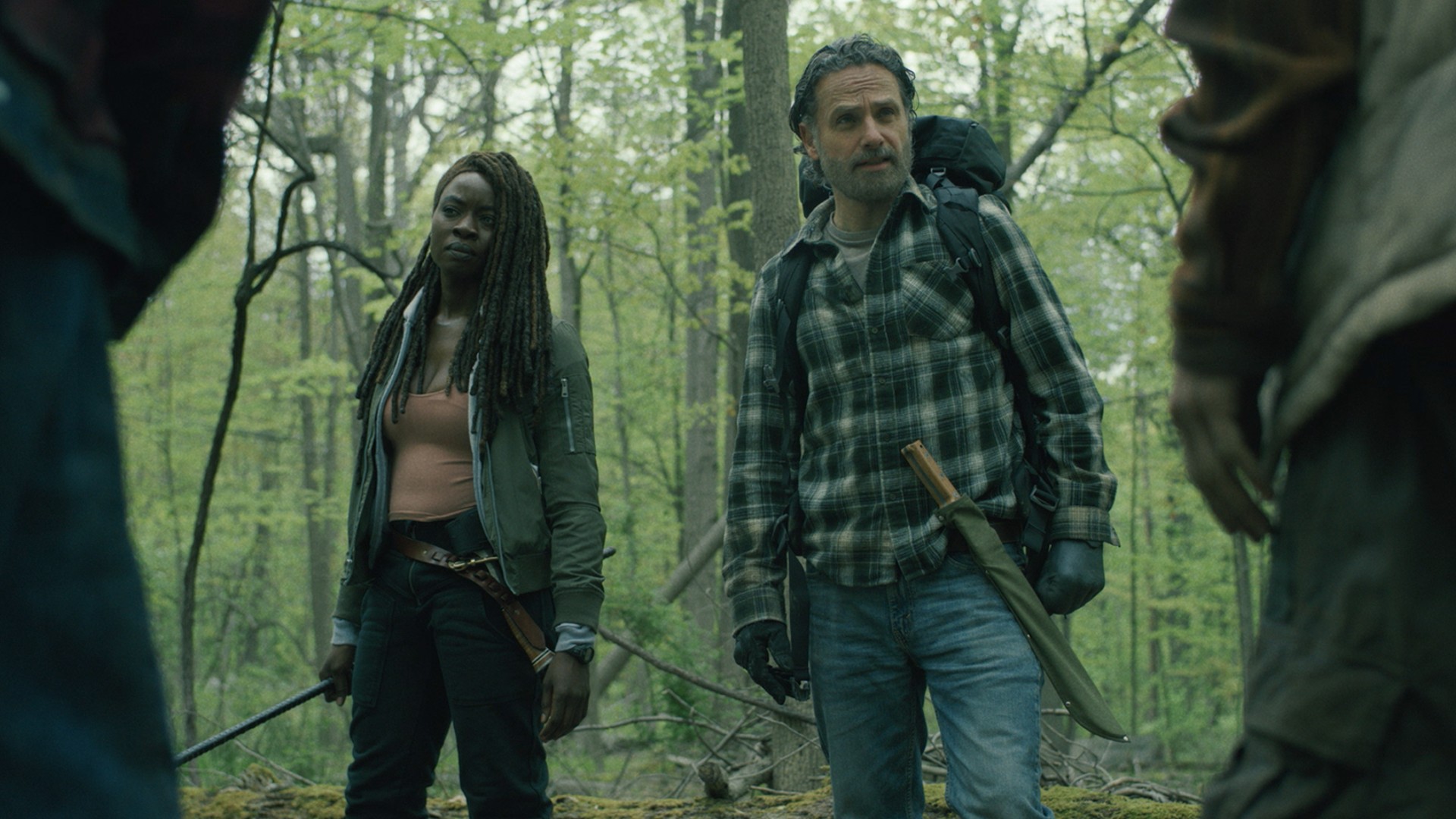
The introduction of multiple spin-off series—such as “Fear the Walking Dead,” “The Walking Dead: World Beyond,” “Tales of The Walking Dead,” and upcoming series like “The Walking Dead: Dead City,” “The Walking Dead: Daryl Dixon,” and “The Walking Dead: The Ones Who Live”—serves as a classic example of brand extension. Each spin-off leverages the established brand recognition and audience loyalty of the original series while introducing new characters, settings, and narrative perspectives. They are designed to attract both existing fans seeking more content within the beloved universe and new viewers who might prefer a fresh entry point. These extensions are not just new shows; they are carefully crafted segments of the “The Walking Dead” brand, each contributing to the overall narrative tapestry and expanding the universe’s lore. The combined episode count across all these series dramatically amplifies the brand’s footprint, making it a sprawling media empire.
Maintaining Brand Cohesion Across Multiple Narratives
A significant challenge in brand diversification through spin-offs is maintaining cohesion and quality across multiple narrative streams. For “The Walking Dead” brand, this means ensuring that each spin-off, despite its unique focus, adheres to the core thematic elements and established rules of the post-apocalyptic world. Consistency in tone, character motivations, and the overarching survival narrative is crucial to prevent brand dilution. The success of these brand extensions hinges on their ability to enrich the original universe rather than detract from it. Strategic crossovers, character reappearances, and shared lore elements are employed to reinforce the interconnectedness of the various series, solidifying the “The Walking Dead” brand as a unified, expansive storyworld rather than a collection of disparate shows. This meticulous management of narrative threads is vital for preserving the brand’s integrity and value.
The Role of Episode Count in Spin-off Strategy
The episode count of the main series (177) was instrumental in enabling the spin-off strategy. Such a vast existing library provided a deep well of character backstories, unexplored timelines, and geographical locations ripe for further development. It also demonstrated the brand’s capacity for sustained storytelling, giving network executives and investors confidence in the viability of new ventures. When planning spin-offs, the potential for an extensive episode count for each new series is often a key consideration, as it promises long-term content for streaming platforms and continued engagement opportunities for fans. This “more is more” approach to episode count across the franchise maximizes the brand’s presence in the market and reinforces its position as a dominant force in serialized television.
Strategic Implications of an Extensive Episode Library
An episode library as vast as “The Walking Dead’s” carries profound strategic implications for its brand owners, AMC Networks and Skybound Entertainment. It influences everything from monetization strategies and content management to audience perception and competitive positioning. The sheer volume represents both an enormous asset and a complex challenge requiring careful strategic navigation.
Monetization and Licensing Opportunities
The extensive episode count of “The Walking Dead” main series, combined with its numerous spin-offs, offers unparalleled monetization and licensing opportunities. Beyond initial broadcast revenue, the brand’s content library becomes a goldmine for streaming services. Licensing deals with platforms like Netflix, Hulu, and ultimately AMC+’s exclusive window, generate substantial income. The episodes also fuel syndication markets globally, allowing the brand to reach new audiences and maintain visibility long after their initial airings. Furthermore, merchandise sales, video games, and even themed attractions are direct beneficiaries of a deeply established and widely recognized brand built on hundreds of hours of narrative content. The episode count, in essence, creates a perpetual asset that can be repackaged, re-licensed, and resold across various media platforms, providing a robust financial backbone for the brand.
The Challenge of Sustaining Brand Quality
While a high episode count signifies success, it also presents a significant challenge: sustaining brand quality and narrative coherence over an extended period. For “The Walking Dead,” maintaining compelling storylines, introducing fresh character dynamics, and evolving the central themes across 177 episodes and numerous spin-offs is an arduous task. Audiences grow increasingly discerning, and any perceived dip in quality can lead to audience fatigue and a decline in brand loyalty. The strategic imperative is to balance the need for new content with the commitment to narrative excellence. This often involves difficult creative decisions, such as character departures, major plot shifts, or even the eventual conclusion of a flagship series, all designed to refresh the brand and ensure its long-term viability without sacrificing its core appeal.
Audience Fatigue vs. Enduring Appeal
A common risk for long-running series with high episode counts is audience fatigue. Viewers, after years of engagement, may feel the story has run its course, or new, fresher content captures their attention. “The Walking Dead” brand has navigated this delicate balance by strategically concluding the main series while simultaneously launching targeted spin-offs focused on beloved characters. This approach aims to provide closure for the original narrative while leveraging established fan favorites to draw audiences into new chapters of the universe. The brand’s enduring appeal lies in its core themes of survival, humanity, and community, which resonate deeply. By continually exploring these themes through new lenses and character perspectives across its growing episode count, the brand attempts to refresh its appeal and keep its loyal fanbase invested, even as it seeks to attract new generations of viewers.
The Future of The Walking Dead Brand: Evolution and Legacy
The journey of “The Walking Dead” from a single series of 177 episodes to a sprawling franchise with a combined episode count far exceeding that number is a powerful testament to strategic brand management. As the entertainment landscape continues to evolve, so too must the strategies for maintaining the relevance and legacy of such a dominant brand. The future of “The Walking Dead” brand hinges on its ability to adapt, innovate, and continue delivering compelling content that honors its past while embracing new storytelling frontiers.
Adapting to New Media Consumption Habits
The extensive episode library of “The Walking Dead” positions the brand uniquely in an era dominated by streaming and on-demand consumption. The ability for viewers to binge-watch hundreds of hours of content is a major draw for streaming platforms. The brand owners are acutely aware of the shift from linear TV to digital platforms, evidenced by the strategic role of AMC+ as the primary home for new “Walking Dead” content. Adapting to these habits means not only providing easy access to the vast back catalog but also tailoring new spin-offs to episodic release schedules or season structures that align with current viewer preferences. The brand’s future success is inextricably linked to its agility in distributing its enormous content library across the most impactful and accessible channels.
Reinventing the Brand for New Generations
To ensure its long-term legacy, “The Walking Dead” brand must continually reinvent itself to captivate new generations of viewers who may not have experienced the original series from its inception. This involves more than just new spin-offs; it requires a strategic approach to marketing, character development, and thematic exploration that resonates with contemporary audiences. The extensive episode count offers a rich lore and character base that can be reinterpreted or expanded upon in ways that feel fresh and relevant. The brand’s challenge is to leverage its established iconography and reputation without becoming overly reliant on nostalgia, striking a balance that honors its past while forging a vibrant future. This commitment to fresh storytelling is paramount for any long-standing media brand to maintain its cultural footprint.

The Enduring Power of a Well-Managed Narrative Brand
“The Walking Dead” stands as a powerful case study in the enduring power of a well-managed narrative brand. Its 177 episodes, along with the burgeoning episode counts of its spin-offs, represent not just individual television programs but a carefully constructed and expanded universe that has become a global phenomenon. From the initial investment and the strategic use of serialization to diversified brand extensions and sophisticated monetization, every aspect of its episode production has contributed to its brand legacy. The future will test the brand’s adaptability and creativity, but its foundation, built on hundreds of hours of compelling post-apocalyptic storytelling, ensures that “The Walking Dead” will continue to be a significant force in entertainment for years to come. The question “how many episodes” ultimately leads to a deeper appreciation of a brand’s strategic journey, its vast cultural impact, and its relentless pursuit of narrative expansion.
aViewFromTheCave is a participant in the Amazon Services LLC Associates Program, an affiliate advertising program designed to provide a means for sites to earn advertising fees by advertising and linking to Amazon.com. Amazon, the Amazon logo, AmazonSupply, and the AmazonSupply logo are trademarks of Amazon.com, Inc. or its affiliates. As an Amazon Associate we earn affiliate commissions from qualifying purchases.