
The question “how much will a car cost?” seems straightforward on the surface, yet its answer is anything but simple. For most individuals and families, a vehicle represents one of the most significant financial commitments they will make, often second only to a home. Beyond the initial purchase price, a labyrinth of associated expenses lurks, waiting to chip away at your financial security if not properly understood and budgeted for. This article delves deep into the multifaceted costs of car ownership, offering a comprehensive financial perspective to help you make informed decisions and manage your automotive budget effectively. We’ll explore everything from the obvious sticker price to the subtle, often overlooked expenses that accumulate over time, providing insights rooted firmly in the principles of personal finance and strategic money management.
Beyond the Sticker Price: Understanding True Ownership Costs
The gleaming showroom price tag, or the tempting classified ad figure, represents merely the tip of the iceberg when assessing a car’s true financial impact. To gain a holistic understanding, one must look beyond this initial outlay and consider a range of mandatory and often substantial costs that begin accruing from the moment you decide to purchase.
The Initial Purchase Price: New vs. Used, Financing, and Negotiation
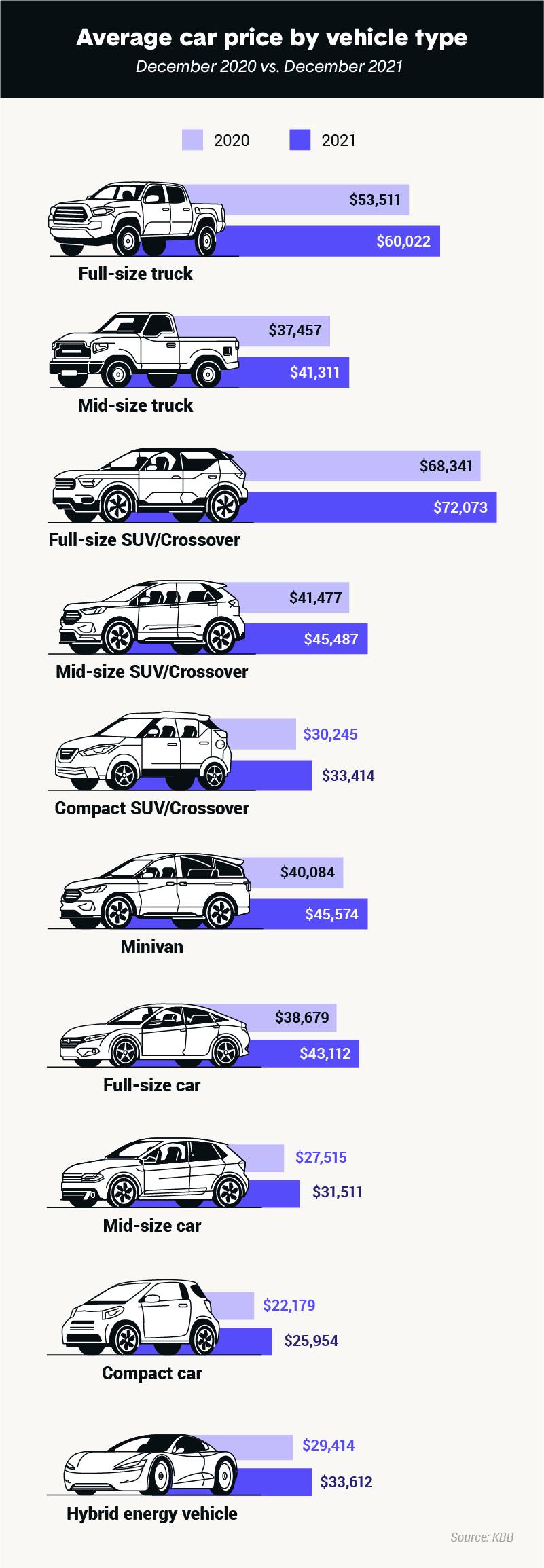
The foundational cost is, of course, the vehicle itself. This figure varies dramatically based on whether you opt for a new or used car, the make, model, features, and the market conditions at the time of purchase.
- New Cars: Offer the latest technology, full warranty coverage, and often attractive financing rates directly from manufacturers. However, they suffer immediate and significant depreciation the moment they leave the dealership lot.
- Used Cars: Present a more budget-friendly entry point, having absorbed the initial depreciation hit. While they come with less warranty, a certified pre-owned (CPO) option can offer a good balance of value and peace of mind. The key here is thorough inspection and understanding the vehicle’s history.
Regardless of your choice, how you pay for the car is critical.
- Cash Purchase: Eliminates interest payments and often provides leverage for negotiation, but ties up a substantial amount of liquid capital that could potentially be invested elsewhere.
- Financing (Loan): The most common method. This involves borrowing money from a bank, credit union, or the dealership. The total cost of the car will then include the principal amount plus interest. Understanding the Annual Percentage Rate (APR) and the loan term (length of the loan) is paramount. A longer term means lower monthly payments but significantly more interest paid over the life of the loan.
- Negotiation: Never underestimate the power of negotiation. Researching fair market value, comparing quotes from multiple dealerships, and being prepared to walk away can save you thousands. This is a critical skill in personal finance applied directly to car acquisition.
Taxes, Fees, and Registration
Once you’ve agreed on a price, a barrage of additional charges awaits. These mandated costs are non-negotiable and vary by state and locality.
- Sales Tax: A percentage of the car’s purchase price, often a significant sum, especially on higher-priced vehicles.
- Registration Fees: Annual or biennial fees paid to your state’s Department of Motor Vehicles (DMV) to legally operate your vehicle. These can include license plate fees, title transfer fees, and often a weight or value-based tax.
- Documentation Fees (Doc Fees): Charged by dealerships for processing paperwork. While often negotiable to some extent, they are typically a standard charge. Be wary of excessively high doc fees.
- Other Fees: Could include emissions testing fees, tire disposal fees, or specific local taxes.
Insurance: A Non-Negotiable Expense
Automobile insurance is a legal requirement in most places and an absolute financial necessity everywhere. It protects you from the potentially catastrophic costs of accidents, theft, and damage.
- Factors Affecting Premiums: Your driving record, age, location, type of vehicle, credit score (in some states), and chosen coverage levels all play a role.
- Coverage Types: From basic liability (covering damage you cause to others) to comprehensive (covering non-collision damage like theft or natural disasters) and collision (covering damage to your car in an accident), understanding your needs and risk tolerance is key.
- Shopping Around: Insurance premiums can vary widely between providers for the same coverage. Regularly shopping for quotes and bundling policies (e.g., car and home insurance) can lead to significant savings. This is an ongoing budgeting item that requires periodic review to ensure financial efficiency.
Ongoing Expenses: Fueling and Maintaining Your Investment
The financial commitment to your car doesn’t end after the purchase and registration. A host of recurring expenses contribute substantially to the total cost of ownership, making long-term budgeting an essential financial discipline.
Fuel Costs: A Variable That Adds Up
Unless you’re driving an electric vehicle, fuel will be a major ongoing expense. The volatility of gas prices, your daily commute, and your car’s fuel efficiency (miles per gallon or MPG) all determine this cost.
- MPG: A car with higher MPG will save you money at the pump over time. Consider this carefully during the selection process.
- Driving Habits: Aggressive driving (rapid acceleration and braking) consumes more fuel than smooth, consistent driving.
- Price Fluctuations: Fuel prices are subject to global markets. Budgeting for an average or slightly higher-than-average price can provide a buffer. Financial tools and apps can help track and optimize fuel spending.
Maintenance and Repairs: Expect the Unexpected
Every vehicle, regardless of its reliability rating, requires routine maintenance and will eventually need repairs. These are critical for the car’s longevity, safety, and resale value.
- Routine Maintenance: Oil changes, tire rotations, brake inspections, fluid checks, and filter replacements are scheduled expenses that, if neglected, can lead to far more costly repairs down the line. Following the manufacturer’s recommended maintenance schedule is a sound financial strategy.
- Wear-and-Tear Parts: Tires, brake pads, belts, and hoses will need replacement over time. The cost of these can vary significantly based on the car model and parts quality.
- Unexpected Repairs: The dreaded check engine light. From minor sensor issues to major transmission problems, unforeseen breakdowns can deliver substantial financial shocks. An emergency fund specifically for car repairs is a wise financial buffer. Extended warranties can provide peace of mind but require careful financial analysis to ensure they offer true value.
Depreciation: The Hidden Cost of Car Ownership
Perhaps the most significant, yet often overlooked, cost of car ownership is depreciation – the decrease in your car’s value over time.
- Rapid Decline: New cars typically lose 20-30% of their value in the first year alone, and up to 50-60% over five years. This isn’t a cash expense you pay directly, but it represents a loss of capital and impacts your net worth.
- Impact on Resale/Trade-in: High depreciation means you’ll get less money back when you sell or trade in your car, effectively increasing the total cost of ownership.
- Mitigating Depreciation: Choosing models known for holding their value, keeping your car in excellent condition, and driving fewer miles can help slow the rate of depreciation. This is a crucial financial consideration for anyone planning to sell their vehicle eventually.
Other Recurring Costs
Several smaller, yet still significant, costs can add up.
- Parking Fees: If you live or work in an urban area, daily or monthly parking fees can be substantial.
- Tolls: Commuting via toll roads adds a regular expense.
- Cleaning and Detailing: Maintaining your car’s appearance contributes to its value and your enjoyment.
- Emergency Kit/Accessories: While often one-time purchases, these are part of the overall cost of vehicle readiness.
Financing Your Vehicle: Smart Strategies and Pitfalls
How you choose to finance your car can have a profound impact on its overall cost. Understanding the various options and their financial implications is crucial for making a fiscally responsible decision.
Cash vs. Loan: Weighing Your Options
The fundamental choice: pay upfront or borrow.
- Cash Advantage: Eliminates interest payments, provides outright ownership, and reduces monthly financial commitments. It also simplifies the purchase process.
- Cash Disadvantage: Ties up a large sum of money that could be invested for returns or used for other financial goals. It might also deplete emergency savings, leaving you vulnerable.
- Loan Advantage: Allows you to acquire a car without needing the full purchase price immediately, preserving liquidity.
- Loan Disadvantage: Adds interest costs, creates a recurring monthly payment, and can be a source of financial stress if not managed properly.
Understanding Interest Rates and Loan Terms

If you opt for a loan, two primary factors dictate its cost:
- Interest Rate (APR): This is the cost of borrowing money, expressed as an annual percentage. A lower APR means lower total interest paid. Your credit score is the biggest determinant of the APR you’ll qualify for. Improving your credit score before applying for a car loan can save you thousands.
- Loan Term: The length of time you have to repay the loan, typically 36, 48, 60, 72, or even 84 months. A longer term results in lower monthly payments but significantly increases the total interest paid over the life of the loan. For example, a $30,000 loan at 5% APR over 60 months costs $3,984 in interest, while the same loan over 72 months costs $4,839. This is a classic personal finance trade-off: lower short-term burden vs. higher long-term cost.
Leasing vs. Buying: A Financial Comparison
Leasing offers an alternative to purchasing, particularly for those who prefer to drive new cars frequently.
- Leasing (Pros): Lower monthly payments than buying, always driving a new car under warranty, and no worries about selling the car. Ideal for those who enjoy the latest models and don’t drive excessive miles.
- Leasing (Cons): You never own the car, mileage restrictions can lead to penalties, customization is limited, and you’re constantly making payments without building equity. At the end of the lease, you must either buy the car or return it.
- Buying (Pros): Ownership and equity building, no mileage restrictions, freedom to customize, and the potential to drive the car debt-free after the loan is paid off.
- Buying (Cons): Higher monthly payments, responsibility for all maintenance and repairs (outside of warranty), and the burden of depreciation when selling.
From a purely financial perspective, owning a car for many years after the loan is paid off often provides the lowest long-term cost, as you eliminate monthly payments for a period. Leasing is generally more expensive over the long run if you continuously lease new vehicles.
The Importance of a Down Payment
A substantial down payment is a powerful financial tool when buying a car.
- Reduces Loan Amount: A larger down payment means you borrow less, which in turn reduces your monthly payments and the total interest paid over the loan’s life.
- Builds Equity Faster: You start with more equity in the car, protecting you against depreciation and reducing the risk of being “upside down” (owing more than the car is worth).
- Lower Insurance Costs: Some insurers offer lower rates if you have more equity in your vehicle.
- Better Loan Terms: Lenders are often more willing to offer favorable interest rates to borrowers who put down a significant amount. Aim for at least 10-20% if possible.
Strategic Considerations for Reducing Car Costs
While car ownership inevitably comes with a price tag, there are numerous strategies rooted in smart financial planning that can significantly mitigate these costs over time. Being proactive and informed can turn a potential money pit into a manageable asset.
Researching and Negotiating Effectively
Knowledge is power, especially when making a major purchase like a car.
- Market Research: Before stepping foot in a dealership, research the fair market value of the specific make and model you’re interested in, both new and used. Websites like Kelley Blue Book, Edmunds, and NADAguides are invaluable.
- Get Multiple Quotes: Don’t settle for the first offer. Contact several dealerships or private sellers and compare prices. This applies to financing as well; secure pre-approval from your bank or credit union before visiting the dealership to have a competitive offer in hand.
- Negotiate Every Aspect: The purchase price, trade-in value (if applicable), interest rate, and even additional fees are often negotiable. Be prepared to walk away if the deal isn’t right. This disciplined approach is a cornerstone of sound personal finance.
Choosing the Right Vehicle for Your Budget
The biggest cost-saving decision happens before you even buy.
- Assess Your Needs vs. Wants: Do you truly need a large SUV, or would a more fuel-efficient sedan suffice? Prioritize practicality and affordability over aspirational purchases.
- Reliability Ratings: Research consumer reports and reliability studies (e.g., Consumer Reports, J.D. Power). A reliable car will have lower maintenance and repair costs over its lifespan.
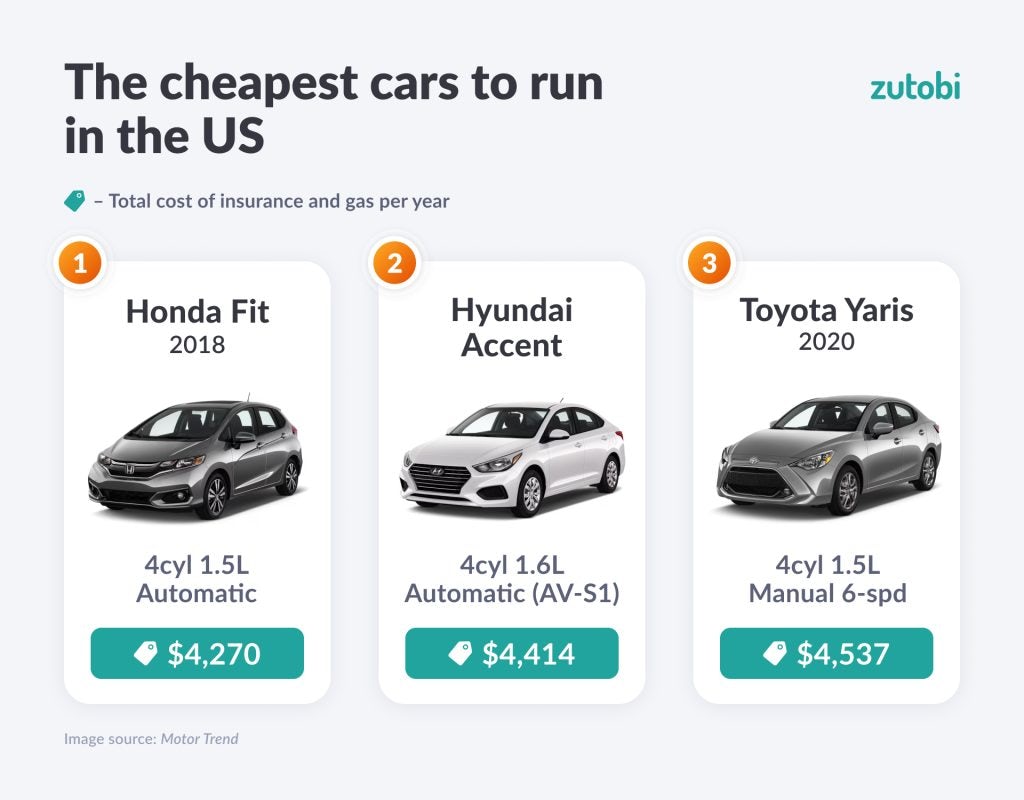
- Fuel Efficiency: As discussed, higher MPG translates to significant savings over time. Consider hybrid or electric options if they fit your budget and driving patterns.
- Insurance Costs by Model: Different car models have different insurance premiums. Sporty cars, luxury vehicles, and those with high theft rates often cost more to insure. Get insurance quotes for specific models before buying.
Smart Insurance Shopping
Insurance is a recurring expense, making ongoing management critical.
- Compare Annually: Your needs and the market change. Get quotes from different providers at least once a year.
- Increase Deductibles: A higher deductible (the amount you pay out of pocket before insurance kicks in) typically results in lower monthly premiums. Just ensure you have the deductible amount readily available in your emergency fund.
- Look for Discounts: Many insurers offer discounts for good driving records, bundling policies, good student status, low mileage, safety features, and paying premiums annually.
- Review Coverage: As your car ages, you might not need full comprehensive and collision coverage, especially if its value has significantly depreciated. Reassessing your coverage periodically can save money.
DIY Maintenance and Preventative Care
Taking an active role in your car’s upkeep can save hundreds, if not thousands, of dollars.
- Basic Maintenance: Learning to check tire pressure, oil levels, and other fluids can help prevent more serious issues. Simple tasks like replacing air filters or wiper blades are often easy and much cheaper to do yourself.
- Follow Schedule: Adhering to the manufacturer’s maintenance schedule for oil changes, tire rotations, and other services is the best way to extend your car’s life and avoid major repairs. This is an investment in your asset.
- Find a Trusted Mechanic: For more complex repairs, having a reliable and fairly priced mechanic is invaluable. Get multiple quotes for major work.
Leveraging Technology for Savings
Several digital tools can aid in managing car costs.
- Fuel Apps: Apps that show current gas prices in your area can help you find the cheapest fuel.
- Maintenance Trackers: Apps and online services can remind you of upcoming maintenance, track service history, and estimate repair costs.
- Insurance Comparison Sites: Streamline the process of getting multiple insurance quotes.
The Long-Term Financial Impact of Car Ownership
Understanding the immediate costs of a car is important, but a true financial master considers the long-term ripple effects on their personal finances. A vehicle is not just a mode of transport; it’s a significant asset (initially) and a consistent drain on resources, making it imperative to integrate it into your overarching financial strategy.
Budgeting for Automotive Expenses
A well-structured budget is the cornerstone of effective financial management. When it comes to cars, this means allocating funds not just for monthly payments, but for all associated costs.
- Dedicated Car Fund: Consider setting up a separate savings account for car-related expenses. This can be used for unexpected repairs, your next down payment, or even to cover fluctuations in fuel costs.
- Monthly Allocation: Beyond the car payment, budget a realistic amount each month for fuel, insurance, and a proactive savings contribution for future maintenance and repairs. Many financial experts suggest allocating 10-15% of your net income to all transportation costs.
- Track Spending: Regularly review your actual car expenditures against your budget. This helps identify areas where you might be overspending and allows for adjustments. Financial tracking apps can be immensely helpful here.
The Opportunity Cost of Car Payments
Every dollar spent on a car payment, interest, or maintenance is a dollar that cannot be used for something else. This is the essence of opportunity cost, a fundamental concept in finance.
- Investing: The money used for a car could potentially be invested in stocks, mutual funds, real estate, or a retirement account, compounding over time to build significant wealth. A $400 monthly car payment over five years, invested instead at a modest 7% annual return, could grow to over $29,000.
- Other Financial Goals: That money could go towards a down payment on a home, paying off high-interest debt, funding education, or building a more robust emergency fund.
- Financial Freedom: Reducing car expenses frees up cash flow, accelerating your path to financial independence. Choosing a more affordable vehicle, or extending the life of your current one, directly contributes to this.
When to Upgrade or Keep Your Current Vehicle
This is a critical financial decision point that many car owners face.
- The “Rule of Thumb”: A common piece of financial advice suggests keeping your car for as long as it’s mechanically sound and repair costs don’t exceed the cost of a new car payment plus insurance. If annual repair costs consistently outweigh the value of the car or become comparable to a new car’s monthly payment, it might be time to consider an upgrade.
- Depreciation vs. Maintenance: After about 5-7 years, the steepest curve of depreciation often flattens out, and maintenance costs might begin to rise. The sweet spot for selling and buying a “newer” used car often lies in this window, minimizing both depreciation and major repair expenses.
- Emotional vs. Financial Decisions: It’s easy to get caught up in the desire for a new car. However, approaching this decision with a clear financial lens – comparing total cost of ownership, remaining loan balance, potential trade-in value, and alternative uses for your money – will always lead to better outcomes.
In conclusion, the “cost” of a car extends far beyond its initial purchase price. From taxes and insurance to fuel, maintenance, and the silent drain of depreciation, a car is a continuous financial commitment. By diligently budgeting, understanding financing options, making strategic choices during purchase, and actively managing ongoing expenses, you can ensure your vehicle remains a convenient asset rather than a significant financial burden. A comprehensive financial perspective is key to navigating the complex world of car ownership successfully.
aViewFromTheCave is a participant in the Amazon Services LLC Associates Program, an affiliate advertising program designed to provide a means for sites to earn advertising fees by advertising and linking to Amazon.com. Amazon, the Amazon logo, AmazonSupply, and the AmazonSupply logo are trademarks of Amazon.com, Inc. or its affiliates. As an Amazon Associate we earn affiliate commissions from qualifying purchases.