
In the dynamic world of digital finance, the allure of “free money” is a powerful magnet, and few phrases capture attention quite like “how to get Bitcoins for free.” As the pioneering and most valuable cryptocurrency, Bitcoin represents both a technological innovation and a significant financial asset. While the concept of truly acquiring something as valuable as Bitcoin without any cost might seem too good to be true, a closer look reveals various legitimate (though often micro-earning) avenues, alongside critical considerations for those navigating this digital frontier. This article delves into the realistic opportunities for earning Bitcoin without direct monetary investment, examining the effort, time, and strategic thinking required, all within the lens of personal finance and online income generation.
Understanding the “Free” in Free Bitcoin: A Realistic Perspective
The notion of “free” in the financial world is almost always a misnomer. Every acquisition, especially of a valuable asset, typically involves an exchange of something—be it time, effort, data, or the assumption of risk. When it comes to Bitcoin, a highly sought-after digital commodity, understanding this fundamental truth is crucial for setting realistic expectations and avoiding pitfalls.
The Illusion of “Something for Nothing”
Many new entrants to the cryptocurrency space are drawn by headlines promising effortless wealth. While the blockchain ecosystem does offer novel ways to earn value, equating “free” with “effortless” is a dangerous misconception. True financial gain, even in the form of Bitcoin, usually demands some form of contribution. This might be solving captchas, watching ads, participating in surveys, or even dedicating computing power. These activities, while not requiring direct fiat currency investment, certainly consume a valuable resource: your time and attention. From a personal finance perspective, it’s essential to quantify the opportunity cost of these activities – what else could you be doing with that time that might yield a greater return?
The True Cost: Time, Effort, and Risk
Beyond the direct monetary cost, the pursuit of “free” Bitcoin often entails an indirect but significant investment. Time spent on micro-task platforms, effort exerted in understanding complex protocols for airdrops, or the mental energy expended to avoid scams all represent a form of cost. Furthermore, there’s an inherent risk. Many platforms promising free Bitcoin may collect user data, expose users to malicious advertising, or simply cease operations, rendering any accumulated earnings worthless. A savvy financial approach dictates that one must always weigh these indirect costs and potential risks against the projected benefits before committing valuable personal resources. Understanding this nuanced definition of “free” is the first step toward a realistic and secure journey into Bitcoin accumulation.
Legitimate Avenues for Earning Small Amounts of Bitcoin
While genuinely “free” Bitcoin is rare, numerous legitimate platforms and activities allow individuals to earn small fractions of Bitcoin (satoshis) without direct monetary investment. These methods typically involve exchanging time, attention, or minor computational resources for cryptocurrency rewards, making them relevant to online income generation strategies.
Bitcoin Faucets: Micro-Earnings for Micro-Tasks
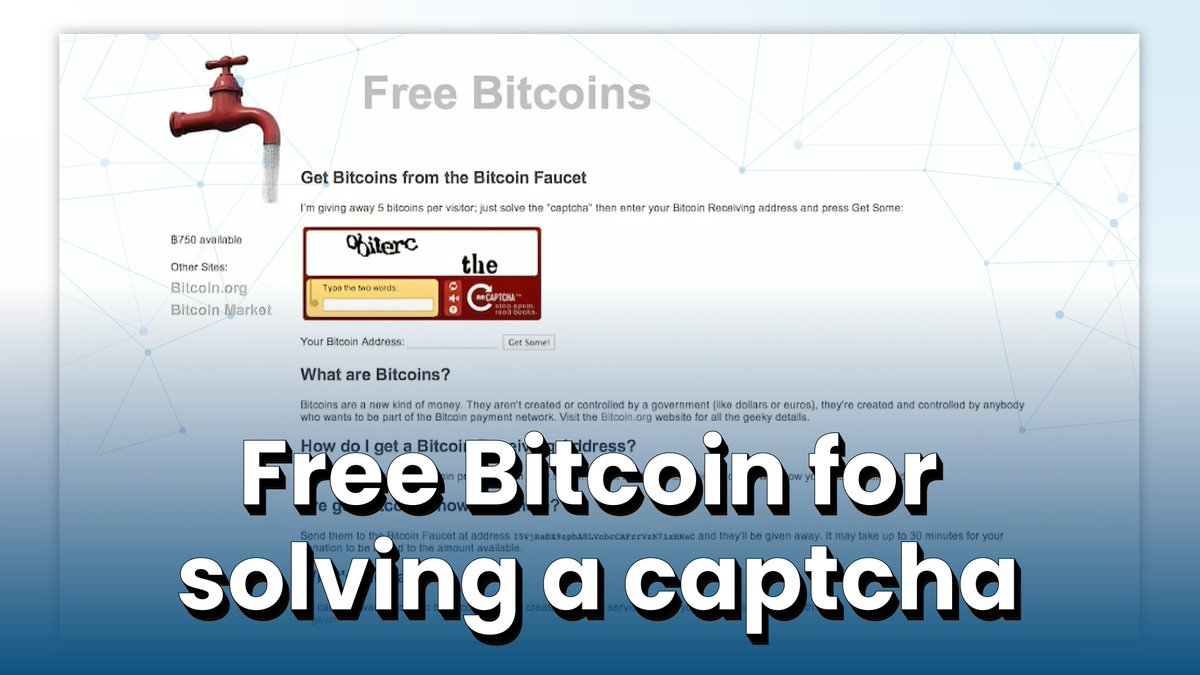
Bitcoin faucets are websites or apps that dispense small amounts of Bitcoin, known as satoshis (the smallest unit of Bitcoin, 0.00000001 BTC), to users in exchange for completing simple tasks. These tasks often include solving captchas, viewing ads, playing simple games, or participating in surveys. While the individual payouts are minuscule, typically fractions of a cent, consistent engagement over time can lead to a gradual accumulation. From a financial planning perspective, faucets can be seen as a form of ultra-micro-task employment, requiring minimal skill but significant patience. They are often a gateway for beginners to learn about Bitcoin transactions and wallet management without risking their own capital.
Earning through Play-to-Earn (P2E) Crypto Games
The rise of blockchain-based gaming has introduced a new paradigm where players can earn cryptocurrency, including Bitcoin or tokens exchangeable for Bitcoin, by participating in games. In Play-to-Earn (P2E) models, users often own in-game assets as NFTs and are rewarded for gameplay, completing quests, or contributing to the game’s ecosystem. While many P2E games require an initial investment to acquire assets, some offer free-to-play models where initial earnings are possible, albeit typically small and slow. These opportunities align with the concept of side hustles and online income, allowing individuals to monetize their leisure time. Researching the economic model of a P2E game and understanding its tokenomics is crucial to assess its long-term viability as an earning mechanism.
Participating in Airdrops and Bounties
Airdrops and bounties are promotional strategies often used by new cryptocurrency projects to distribute free tokens to a wide audience.
- Airdrops typically involve distributing free tokens to existing cryptocurrency holders, often based on a snapshot of their wallet balances, or to users who complete simple social media tasks like following, retweeting, or joining a Telegram group. The “free” aspect here comes from not paying for the tokens directly, though receiving them often requires holding a specific asset or engaging with a platform.
- Bounties involve tasks such as writing articles, creating videos, finding bugs, or promoting a project on social media in exchange for token rewards. While not directly Bitcoin, these tokens can often be sold or swapped for Bitcoin on decentralized or centralized exchanges, representing an indirect way to accumulate BTC. From a financial perspective, these are speculative earnings, as the value of the distributed tokens can fluctuate wildly. Diligent research into the legitimacy and potential of the project is paramount to avoid wasting time on scam projects.
Referral Programs and Affiliate Marketing
Many cryptocurrency exchanges, wallets, and service providers offer referral programs that reward existing users for bringing in new customers. These rewards can sometimes be paid out in Bitcoin or a stablecoin that can be easily converted. Similarly, affiliate marketing in the crypto space involves promoting products or services and earning a commission for successful referrals. If you have an online presence or a network interested in crypto, these programs can generate passive income in Bitcoin without direct investment, aligning with modern online income strategies. However, the income generated is directly proportional to the effectiveness of your marketing efforts and the conversion rates of your referrals.
Leveraging Your Skills and Assets for Bitcoin Rewards
Beyond the micro-tasking and promotional activities, individuals can leverage their existing skills, knowledge, and even digital assets to earn Bitcoin. These methods often require more specialized expertise or an existing financial base, transforming traditional work and investment strategies into crypto-centric opportunities.
Freelancing and Gig Work for Bitcoin Payments
A growing number of platforms and clients are willing to pay for freelance services directly in Bitcoin. If you possess marketable skills in areas like writing, graphic design, web development, digital marketing, translation, or coding, you can offer your services on platforms that facilitate crypto payments or directly to clients willing to pay in BTC. Websites like BitGigs, Coinality, or even general freelance platforms with crypto-friendly clients can be avenues. This method directly translates your professional skills into Bitcoin earnings, effectively treating BTC as a direct form of currency for your labor. It’s a strategic way to build your Bitcoin holdings by performing work you would otherwise do for fiat, integrating cryptocurrency into your personal finance framework.

Earning Bitcoin through Content Creation and Community Engagement
For those with a knack for creating engaging content, several platforms reward users with cryptocurrency for their contributions. Platforms like Publish0x, for example, allow readers to tip authors in various cryptocurrencies (including Bitcoin) for articles. Similarly, participating actively and constructively in crypto-focused communities, forums, or social media groups can sometimes lead to rewards from projects or other users who appreciate valuable contributions. While not a guaranteed income stream, it’s a way for individuals to monetize their expertise and engagement within the crypto ecosystem, fostering both community and personal financial growth. This aligns with modern digital entrepreneurship and content monetization models.
Staking and Lending (with caveats for “free”)
While not strictly “free” in the sense of requiring zero initial capital, staking and lending can be considered ways to earn additional Bitcoin (or other cryptocurrencies that can be swapped for BTC) on assets you already hold, thereby generating passive income.
- Staking involves locking up a certain amount of cryptocurrency (usually a Proof-of-Stake coin, not Bitcoin directly, but the rewards can be converted) to support the operations of a blockchain network. In return, stakers receive rewards in the form of new coins.
- Lending involves lending out your cryptocurrencies to borrowers, typically through a decentralized finance (DeFi) protocol or a centralized exchange, and earning interest on your loan.
The “free” aspect here is that you’re generating income from existing assets rather than acquiring the initial capital for free. It’s a method of passive income generation, akin to earning interest in a traditional savings account, but with higher potential yields and also higher risks inherent in crypto markets (e.g., impermanent loss in DeFi, smart contract risks, counterparty risks in centralized lending). Thorough research into the platforms and protocols, understanding the risks, and careful asset allocation are crucial for sound financial management.
Passive Earning via Cashback and Reward Programs
Some innovative platforms and services offer cashback in Bitcoin for everyday purchases. For example, certain browser extensions, credit cards, or online shopping portals partner with retailers to give users a percentage of their spending back in Bitcoin. This method allows you to accumulate Bitcoin passively by continuing your regular spending habits, effectively turning routine expenses into a micro-investment opportunity. While the percentage cashback might be small, over time and with consistent use, it can contribute to your overall Bitcoin holdings without requiring any active “work” beyond your usual shopping. This is an excellent example of integrating cryptocurrency earning into daily personal finance without significant lifestyle changes.
Safeguarding Your Quest for Free Bitcoin
The pursuit of “free” Bitcoin, while offering legitimate micro-earning opportunities, also attracts a disproportionate number of scams and malicious actors. Protecting your digital assets and personal information is paramount for anyone venturing into this space. A robust approach to digital security is an indispensable part of sound financial management in the crypto world.
Identifying Scams and Phishing Attempts
The landscape of free Bitcoin offers is rife with scams. Common tactics include websites that promise incredibly high returns for minimal effort, unsolicited messages offering free crypto in exchange for private keys or small “verification” deposits, and fake airdrops designed to steal information. Key red flags to watch for include:
- Promises of guaranteed, unrealistic returns.
- Requests for private keys, seed phrases, or security codes.
- Websites with poor grammar, unprofessional design, or suspicious URLs.
- Pressure to act quickly or lose an opportunity.
- Offers that sound too good to be true, because they almost always are.
Always verify the legitimacy of any platform or offer through independent sources, reviews, and community feedback before engaging.
Protecting Your Digital Assets: Wallets and Security
Once you start accumulating Bitcoin, even in small amounts, securing your holdings becomes critical.
- Use reputable wallets: Opt for established and well-reviewed cryptocurrency wallets (hardware wallets for larger amounts, reputable software wallets for smaller amounts). Understand the difference between custodial and non-custodial wallets and the responsibilities that come with each.
- Enable Two-Factor Authentication (2FA): Always enable 2FA on exchanges, wallets, and any related accounts to add an extra layer of security.
- Strong, unique passwords: Use strong, unique passwords for all crypto-related services and consider a password manager.
- Be wary of public Wi-Fi: Avoid conducting crypto transactions or accessing sensitive accounts on unsecured public networks.
- Regular backups: For non-custodial wallets, ensure your seed phrase or private keys are securely backed up offline and never shared.
These practices are fundamental tenets of digital security and are as important to your financial well-being as traditional bank account security.
Understanding Tax Implications of Crypto Earnings
It’s crucial to remember that “free” Bitcoin does not mean tax-free Bitcoin. In many jurisdictions, any cryptocurrency earned, received as a reward, or realized from a profit (e.g., selling airdropped tokens for a gain) is considered taxable income. The specific tax treatment varies by country and can be complex, often depending on whether the earnings are classified as income, capital gains, or even a gift. Keep meticulous records of all your crypto transactions, including the date, value at the time of receipt, and any subsequent dispositions. Consulting with a tax professional knowledgeable in cryptocurrency taxation is highly recommended to ensure compliance and avoid future financial penalties. This proactive approach is a cornerstone of responsible personal finance in the digital age.
Is “Free” Bitcoin Worth Your Time? A Cost-Benefit Analysis
The pursuit of “free” Bitcoin can be an intriguing entry point into the world of cryptocurrency, offering a low-risk way to learn and accumulate. However, like any financial endeavor, it requires a careful cost-benefit analysis to determine if the potential rewards genuinely justify the investment of your most valuable non-monetary asset: time.
Weighing Potential Rewards Against Opportunity Cost
While the idea of accumulating Bitcoin without direct monetary expenditure is appealing, the reality is that many “free” earning methods yield very small amounts over a long period. The critical question to ask is: what is the opportunity cost of the time and effort you are dedicating to these activities? Could that time be better spent on other income-generating activities, skill development, or even leisure that brings greater overall value or happiness to your life? For instance, an hour spent completing micro-tasks on a Bitcoin faucet might yield a few cents, whereas an hour spent freelancing for fiat currency or improving a valuable skill might have a significantly higher hourly wage equivalent. For beginners or those with abundant spare time, these activities might serve as a valuable educational tool and a low-stakes entry point. For others, the return on time investment might be too low to be financially worthwhile.
The Long-Term Vision: Accumulation and HODLing
For those who choose to engage in “free” Bitcoin earning, a key strategy is often “HODLing” (a deliberate misspelling of “holding”), which refers to buying and holding cryptocurrency regardless of price fluctuations, with the expectation of significant long-term appreciation. Even small amounts of Bitcoin accumulated through faucets, airdrops, or cashback programs could potentially grow substantially in value over many years, given Bitcoin’s historical performance and limited supply. This long-term perspective can shift the cost-benefit analysis. If you view these small earnings not as immediate income but as long-term speculative investments, the daily grind of micro-tasks might seem more justifiable. However, this relies on the continued long-term growth of Bitcoin, which, while historically strong, is never guaranteed in volatile markets.
Ultimately, the decision to pursue “free” Bitcoin hinges on individual circumstances, financial goals, and patience. It’s a journey that can provide valuable learning experiences about the crypto ecosystem, wallet management, and market dynamics. By approaching it with a realistic understanding of the true costs involved, diligent security practices, and a clear financial strategy, individuals can responsibly explore the avenues for acquiring Bitcoin without traditional upfront investment, integrating a modern approach to wealth accumulation into their personal finance journey.
aViewFromTheCave is a participant in the Amazon Services LLC Associates Program, an affiliate advertising program designed to provide a means for sites to earn advertising fees by advertising and linking to Amazon.com. Amazon, the Amazon logo, AmazonSupply, and the AmazonSupply logo are trademarks of Amazon.com, Inc. or its affiliates. As an Amazon Associate we earn affiliate commissions from qualifying purchases.