
In the burgeoning landscape of digital finance, the question “how much is 100 Bitcoin worth?” transcends a simple numerical calculation. It delves into the intricate dynamics of a global asset, the psychology of investing, and the profound implications of holding a significant stake in a decentralized monetary system. For many, 100 Bitcoin represents not just a substantial sum of money, but a testament to early foresight, a strategic investment, or a future-oriented bet on the evolution of finance. This article will explore the multifaceted nature of Bitcoin’s valuation, the practicalities of assessing such a holding, and the broader financial considerations for those with, or aspiring to, substantial cryptocurrency portfolios.
The Dynamic Valuation of Bitcoin
Bitcoin’s value is not static; it is a continuously evolving figure dictated by a complex interplay of market forces, technological developments, macroeconomic trends, and regulatory shifts. Understanding these drivers is crucial for anyone seeking to comprehend the true “worth” of any amount of Bitcoin.
Market Forces and Supply/Demand
At its core, Bitcoin’s price, like any commodity, is influenced by supply and demand. Bitcoin has a finite supply capped at 21 million coins, making it a scarce asset. Demand, however, is dynamic. Factors like increased public awareness, institutional adoption (e.g., corporations adding Bitcoin to their balance sheets, financial institutions offering Bitcoin products), and retail investor interest can significantly drive up demand. Conversely, large sell-offs, negative news, or decreased interest can exert downward pressure. The 24/7 nature of crypto markets means these forces are constantly in play, leading to rapid price fluctuations.
Macroeconomic Influences
Beyond its internal market dynamics, Bitcoin is increasingly sensitive to global macroeconomic conditions. When traditional financial markets show instability, some investors turn to Bitcoin as a “safe haven” asset, akin to digital gold, particularly in environments of high inflation or currency debasement. Conversely, rising interest rates or a strengthening dollar can sometimes reduce the appetite for riskier assets like cryptocurrencies. Global economic events, geopolitical tensions, and even central bank policies can therefore have a ripple effect on Bitcoin’s valuation, making its worth somewhat correlated with broader economic sentiment.
Technological Developments and Adoption
The underlying technology of Bitcoin – blockchain – and its continuous development also play a role in its perceived value. Updates to the Bitcoin protocol (like the Taproot upgrade), advancements in scaling solutions (like the Lightning Network), and increasing utility in real-world applications (e.g., payments, remittances) can bolster confidence and adoption, thereby supporting its price. Conversely, security breaches on exchanges or concerns about the network’s scalability could erode trust and impact valuation. The rate at which merchants and financial services integrate Bitcoin directly influences its utility and, by extension, its long-term intrinsic value.
Regulatory Landscape
Regulation is perhaps one of the most significant external factors shaping Bitcoin’s trajectory. Clarity from governments regarding its legal status, taxation, and use can provide stability and encourage wider institutional and retail adoption. For example, the approval of Bitcoin ETFs in various jurisdictions has opened new avenues for investment, increasing its accessibility and perceived legitimacy. Conversely, proposals for stringent regulations, outright bans in certain regions, or uncertainties around KYC/AML (Know Your Customer/Anti-Money Laundering) compliance can introduce FUD (Fear, Uncertainty, Doubt) into the market, leading to price corrections. The evolving global regulatory patchwork remains a critical component in Bitcoin’s future valuation.
Calculating the Current Value: A Snapshot in Time
Given the myriad factors influencing Bitcoin’s price, calculating the “worth” of 100 Bitcoin is always a snapshot in time. It requires accessing real-time market data and understanding that the figure can change dramatically within hours, or even minutes.
The Volatile Nature of Cryptocurrency Markets
Bitcoin is renowned for its volatility. Unlike traditional assets which might see percentage changes in the single digits over a day, Bitcoin can experience double-digit percentage swings. This means that 100 Bitcoin could be worth significantly more or less than it was just a few days prior. This volatility is a double-edged sword: it offers the potential for rapid gains but also carries substantial risk of rapid losses. Investors must always be prepared for these fluctuations when dealing with such a considerable sum.
Accessing Real-time Price Data
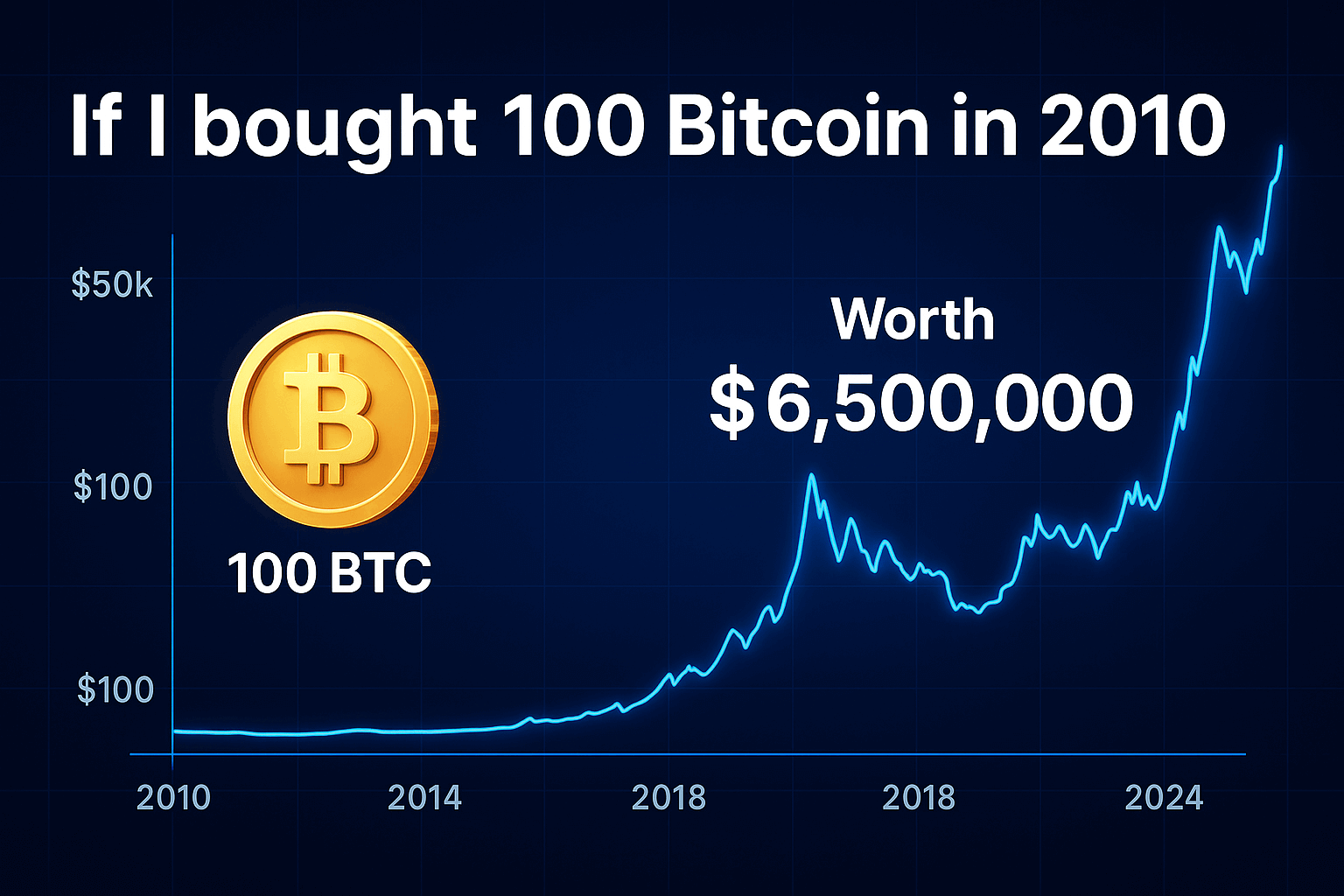
To determine the current value of 100 Bitcoin, one must consult real-time price feeds from reputable cryptocurrency exchanges or data aggregators. Platforms like CoinMarketCap, CoinGecko, Binance, Coinbase, or Kraken provide up-to-the-minute prices. If, for example, the current market price of one Bitcoin is $70,000, then 100 Bitcoin would theoretically be worth $7,000,000. However, this figure is purely illustrative and subject to immediate change based on live market conditions.
Beyond Simple Multiplication: Transaction Costs and Slippage
While the formula (100 BTC * current price per BTC) provides a baseline, the actual realizable value can be slightly different. When dealing with large quantities like 100 Bitcoin, transaction fees levied by exchanges can be substantial, often calculated as a percentage of the trade value. Furthermore, “slippage” can occur, especially in highly volatile markets or when executing very large orders. Slippage refers to the difference between the expected price of a trade and the price at which the trade is actually executed. If you’re selling 100 BTC, your large sell order could temporarily depress the price, meaning your average sell price for all 100 coins might be slightly lower than the quoted spot price at the beginning of your transaction. Therefore, the net amount received after selling 100 Bitcoin might be marginally less than the simple multiplication suggests.
What Does Holding 100 Bitcoin Mean?
Holding 100 Bitcoin places an individual or entity in a unique and privileged position within the crypto ecosystem. It signifies a substantial financial asset, comparable to holding significant real estate or equity portfolios, and comes with its own set of responsibilities and implications.

A Significant Investment Portfolio Allocation
At current valuations, 100 Bitcoin represents a multi-million dollar asset. This is a sum that would constitute a significant, if not dominant, portion of most personal or even institutional investment portfolios. Such an allocation requires a sophisticated approach to risk management, wealth preservation, and diversification, even within the crypto space. It’s not merely “some crypto” but a foundational asset that demands strategic oversight.
Implications for Wealth Management
For individuals holding 100 Bitcoin, traditional wealth management principles become highly relevant. This includes estate planning (how will these digital assets be passed on?), financial planning (how does this fit into overall retirement goals?), and philanthropic considerations. Given the digital and often pseudonymous nature of crypto, proper documentation, secure key management, and clear instructions for beneficiaries are paramount to ensure the smooth transfer and management of such a valuable asset.
Tax Considerations for High-Value Crypto Assets
The tax implications of holding and potentially liquidating 100 Bitcoin are significant and complex. In most jurisdictions, cryptocurrencies are treated as property for tax purposes, meaning capital gains taxes apply when they are sold for a profit. The specific rates and rules can vary widely based on the holding period (short-term vs. long-term) and the individual’s overall income. Furthermore, complex scenarios like hard forks, airdrops, or using Bitcoin for purchases can trigger taxable events. Expert financial and tax advice is absolutely essential for managing such a large crypto asset to ensure compliance and optimize tax efficiency.
Managing the Risks of Substantial Bitcoin Holdings
With great value comes great responsibility, particularly concerning the security and management of such a significant digital asset. Holding 100 Bitcoin necessitates a rigorous approach to risk mitigation that goes beyond what a typical retail investor might consider.
Security Imperatives: Wallets and Custody
The primary risk for any Bitcoin holder is security. For 100 Bitcoin, hardware wallets (cold storage) are almost universally recommended, often with multiple backups stored in geographically diverse and secure locations. Multi-signature wallets, which require multiple keys to authorize a transaction, can add an extra layer of security. Custodial solutions offered by reputable institutions, which provide insurance and robust security infrastructure, are also an option for large holdings, though they come with counterparty risk. The emphasis is on protecting private keys from hackers, physical loss, or destruction, as losing access to 100 Bitcoin would be catastrophic.
Market Volatility and Risk Management Strategies
While Bitcoin’s volatility offers potential for high returns, it also presents a significant risk to substantial holdings. Diversification, even within the crypto asset class, can help mitigate this. Investors might consider allocating a portion of their portfolio to stablecoins, other established cryptocurrencies, or even traditional assets to balance risk. Setting clear financial goals, establishing profit-taking strategies, and having a disciplined approach to buying and selling can help navigate market swings and protect gains, rather than being solely exposed to Bitcoin’s unpredictable movements.
Regulatory Uncertainty and Compliance
The evolving regulatory landscape introduces another layer of risk. Future regulations could impact Bitcoin’s liquidity, legality, or ease of conversion to fiat currency. Holders of substantial amounts of Bitcoin may also face increased scrutiny regarding the source of their funds and compliance with anti-money laundering (AML) laws. Staying informed about regulatory developments in relevant jurisdictions and being prepared for potential reporting requirements or operational changes is a critical aspect of managing large Bitcoin holdings.
The Future Outlook for Bitcoin Investors
The question of “how much is 100 Bitcoin worth” is inextricably linked to its future potential. While no one can predict the future with certainty, several ongoing trends suggest Bitcoin’s role in the global financial system is only growing, offering both opportunities and continued challenges.
Institutional Adoption and Mainstream Integration
The trend of institutional adoption is expected to continue, potentially driving further demand and price appreciation. From pension funds to sovereign wealth funds, more traditional financial players are exploring Bitcoin as a legitimate asset class. The development of more regulated investment vehicles, improved infrastructure, and a clearer understanding of Bitcoin’s risk profile will likely lead to its deeper integration into mainstream finance, solidifying its place as a significant global asset.
Halving Events and Supply Economics
Bitcoin’s programmatic supply schedule, particularly the “halving” events (which reduce the supply of new Bitcoin entering the market by half approximately every four years), historically has been a significant catalyst for price appreciation. As supply tightens against potentially growing demand, these events can create upward price pressure. Understanding this fundamental supply dynamic is key to comprehending Bitcoin’s long-term economic model and its potential future valuation.

Diversification and Long-Term Strategy
For those holding 100 Bitcoin, a long-term strategic perspective is paramount. While short-term fluctuations are inevitable, many believe in Bitcoin’s fundamental value proposition as a decentralized, censorship-resistant, and scarce digital asset. Incorporating Bitcoin into a diversified long-term investment strategy, alongside other assets, can help weather market cycles. The focus should be on its role as a potential store of value, a hedge against inflation, and a foundational element of the future digital economy, rather than chasing speculative short-term gains.
In conclusion, the worth of 100 Bitcoin is far more than a number on a screen. It represents a substantial investment, a complex financial instrument, and a position within a rapidly evolving technological and economic paradigm. Managing such an asset demands not only an understanding of market dynamics but also meticulous attention to security, regulatory compliance, and a thoughtful approach to wealth management and long-term financial planning.
aViewFromTheCave is a participant in the Amazon Services LLC Associates Program, an affiliate advertising program designed to provide a means for sites to earn advertising fees by advertising and linking to Amazon.com. Amazon, the Amazon logo, AmazonSupply, and the AmazonSupply logo are trademarks of Amazon.com, Inc. or its affiliates. As an Amazon Associate we earn affiliate commissions from qualifying purchases.