
New Orleans, Louisiana, is frequently celebrated for its cultural tapestry, jazz-filled streets, and culinary excellence. However, beneath the festive surface of the “Big Easy” lies a complex and evolving economic landscape that offers a wealth of opportunities for investors, entrepreneurs, and financial strategists. For those looking at “what to do in New Orleans” through a fiscal lens, the city represents one of the most unique markets in the United States—a blend of historic preservation, high-tech emergence, and specialized tax incentives.
In the post-Katrina era, New Orleans has transitioned from a legacy economy centered primarily on oil, gas, and tourism into a diversified hub for the “Silicon Bayou.” This transformation provides a blueprint for how a mid-sized city can leverage its unique brand to attract capital and talent. This guide explores the strategic financial moves and business opportunities available in the New Orleans metropolitan area.
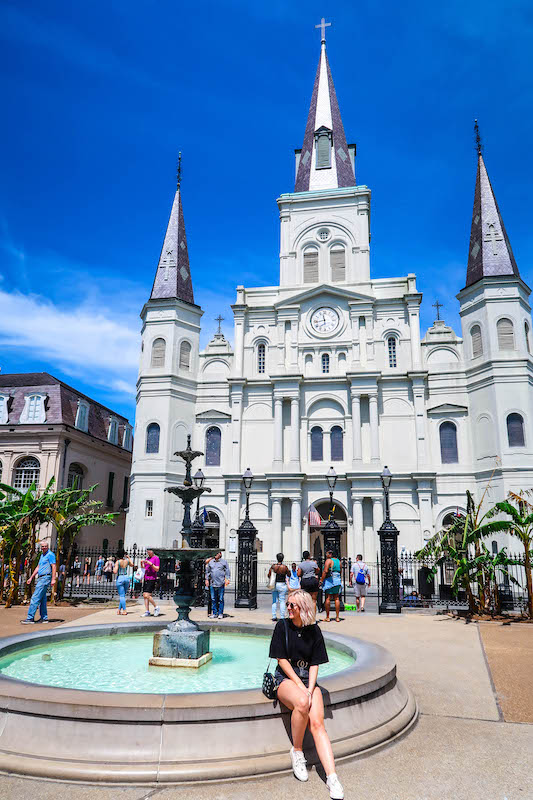
The Real Estate Frontier: Strategic Property Investment
Real estate remains one of the most consistent answers to what to do in New Orleans for capital appreciation. The city’s architecture is its greatest asset, but it also presents specific challenges and opportunities for the savvy investor.
Navigating the Short-Term vs. Long-Term Rental Market
The tourism industry in New Orleans attracts over 18 million visitors annually, creating a robust demand for short-term rentals (STRs). However, the financial landscape for STRs is heavily regulated. To succeed here, investors must look beyond the French Quarter—where restrictions are tightest—and explore emerging neighborhoods like Mid-City or the Marigny. Understanding the city’s zoning laws and the “operator-occupied” requirements is essential for maintaining a legal and profitable portfolio. Conversely, the long-term rental market remains underserved, particularly for young professionals moving to the city for the burgeoning healthcare and tech sectors, offering stable cash flow without the volatility of tourism cycles.
Leveraging Historic Tax Credits and Opportunity Zones
New Orleans is a goldmine for investors who understand the “Money” side of historical preservation. The Federal and State Historic Tax Credit programs provide significant incentives—sometimes covering up to 40-45% of qualified rehabilitation expenses—for restoring historic buildings. When combined with investments in designated “Opportunity Zones,” which allow for the deferral of capital gains taxes, the financial math for urban redevelopment in NOLA becomes exceptionally attractive. Investors should focus on the warehouse district and the outskirts of the Central Business District (CBD) for these high-yield redevelopment projects.
The Rise of the Silicon Bayou: Tech and Venture Capital
While traditionally known for its port, New Orleans has become a focal point for the digital economy in the Gulf South. “What to do” in this sector involves identifying early-stage startups and leveraging the state’s aggressive digital media incentives.
Venture Capital and the Startup Ecosystem
The “Silicon Bayou” is more than a catchy nickname; it represents a growing ecosystem supported by organizations like Idea Village and GNO, Inc. For those with a venture capital mindset, the annual “New Orleans Entrepreneur Week” (NOEW) serves as a primary marketplace for identifying scalable startups in the SaaS, logistics, and environmental tech spaces. Investing in NOLA-based tech often comes with the benefit of lower overhead costs compared to coastal hubs, allowing for a longer runway for burgeoning companies.
Software Development and Digital Media Tax Credits
Louisiana offers one of the nation’s most competitive tax credit programs for digital interactive media and software development. For business owners, this means a 25% to 35% refundable tax credit on payroll for residents and 25% for out-of-state employees. This makes New Orleans a prime location for establishing back-office tech operations or independent game studios. Financially, this reduces the cost of labor significantly, making the city a strategic “near-shore” alternative for tech firms that want to remain within a domestic time zone while optimizing their burn rate.
Hollywood South: Capitalizing on the Film and Entertainment Industry
Louisiana has long been dubbed “Hollywood South” due to its generous film incentives. For the business-minded individual, the film industry offers several avenues for professional financial engagement.
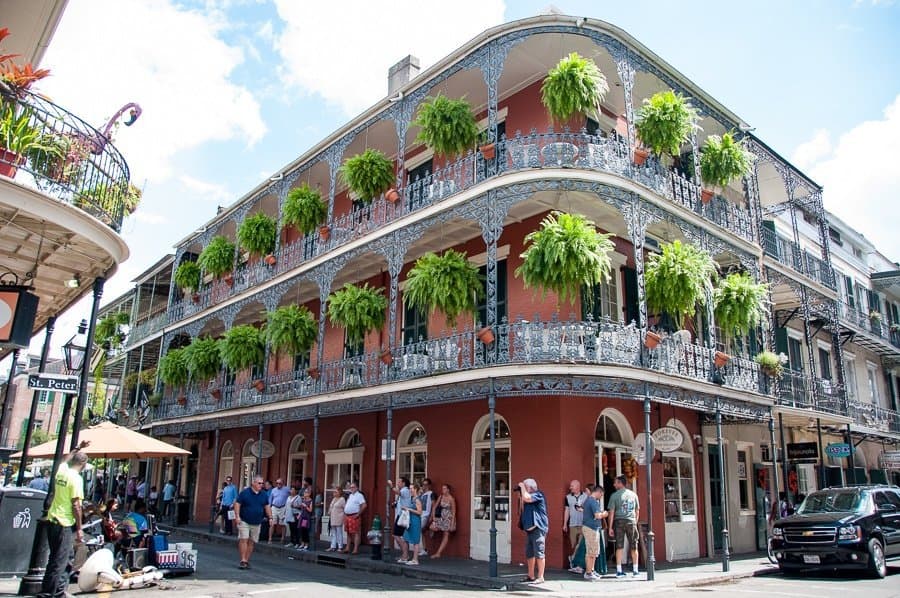
Understanding the Film Tax Credit Marketplace
Louisiana’s film tax credits are transferable, creating a secondary market where investors can purchase these credits at a discount to offset their own state tax liabilities. This is a sophisticated financial maneuver that requires due diligence but offers a predictable return on investment for high-net-worth individuals and corporations operating within the state. Staying informed on the legislative caps and sunset clauses of these credits is vital for anyone looking to participate in this niche financial market.
Infrastructure and Ancillary Service Businesses
The demand for soundstages, equipment rentals, catering, and specialized logistics remains high as major streaming services and studios continue to film in the New Orleans area. Investors can find high-yield opportunities by funding the infrastructure that supports production. Instead of “betting on a movie,” savvy financial operators bet on the “picks and shovels” of the industry—the physical spaces and service companies that productions require regardless of a film’s box-office success.
The Port and International Trade: Logistics as a Revenue Engine
The Port of New Orleans is a global gateway, and its economic impact radiates throughout the region’s financial sectors. Understanding the logistics of the Mississippi River is key to understanding the broader economic health of the state.
Investing in the Maritime and Logistics Supply Chain
As global supply chains realign, the Port of New Orleans (Port NOLA) is undergoing massive expansion, including the development of the Louisiana International Terminal. This creates a ripple effect for investment in cold storage facilities, “last-mile” delivery hubs, and maritime insurance services. For investors looking for industrial real estate opportunities, the corridor between New Orleans and Baton Rouge offers some of the most strategic land-use prospects in the country.
The Green Energy Transition and Carbon Capture
The Gulf Coast is currently at the center of the transition from traditional oil and gas to renewable energy and carbon sequestration. Massive capital projects involving “blue hydrogen” and carbon capture and storage (CCS) are currently in the pipeline. Financially, this represents a multi-decade shift where traditional energy companies are pivoting their assets. For those in the financial services or private equity sectors, New Orleans serves as the operational headquarters for many of these “energy transition” initiatives, offering a ground-floor opportunity in the future of American energy.
Financial Tools and Strategic Networking for the NOLA Entrepreneur
To successfully navigate the New Orleans market, one must utilize local financial tools and build a network that understands the city’s unique regulatory and cultural environment.
Utilizing Community Development Financial Institutions (CDFIs)
New Orleans has a strong network of CDFIs that provide credit and financial services to underserved markets and small businesses. For entrepreneurs, these institutions can be a vital source of “patient capital” and technical assistance that traditional big-box banks might not provide. Engaging with local lenders who have a vested interest in the city’s growth is often the difference between a project’s success and failure.
The Value of Strategic Local Networking
In New Orleans, business is personal. The city’s economy is driven by relationships as much as by data. For a professional looking at what to do in the city, joining organizations such as the New Orleans Chamber of Commerce or the Young Leadership Council (YLC) is a financial imperative. These networks provide the “inside track” on upcoming municipal contracts, zoning changes, and private equity rounds that are rarely advertised on national platforms.
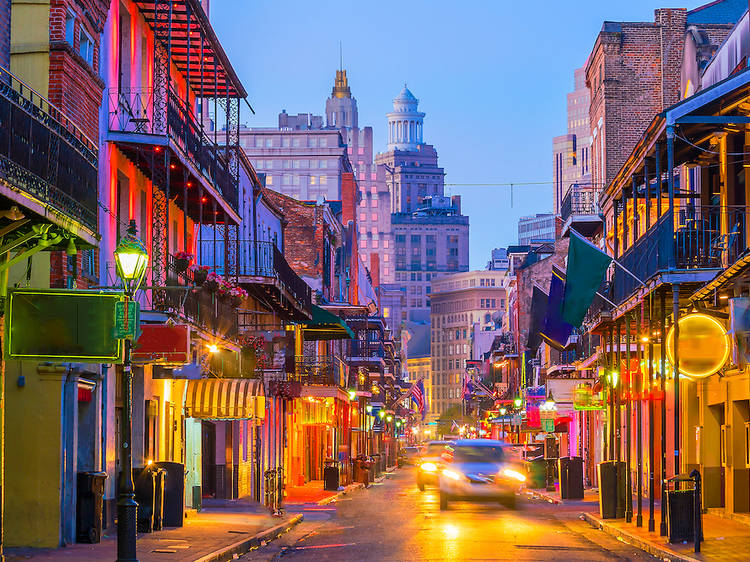
Conclusion
New Orleans, LA, is a city of profound economic potential for those who know where to look. While tourists flock to the city for its leisure offerings, the true “insider” knows that the real value lies in the intersection of its historic assets and its future-facing industries.
Whether it is leveraging the robust state tax credits for film and tech, investing in the resilient real estate market, or participating in the massive shift toward green energy and global logistics, the Crescent City offers a diverse portfolio of opportunities. By approaching New Orleans with a professional and strategic mindset, one discovers that the “Big Easy” is actually one of the most hardworking and rewarding financial landscapes in the United States. If you are wondering what to do in New Orleans, the answer is simple: invest in its growth, capitalize on its unique incentives, and build a presence in one of the most culturally and economically distinct cities in the world.
aViewFromTheCave is a participant in the Amazon Services LLC Associates Program, an affiliate advertising program designed to provide a means for sites to earn advertising fees by advertising and linking to Amazon.com. Amazon, the Amazon logo, AmazonSupply, and the AmazonSupply logo are trademarks of Amazon.com, Inc. or its affiliates. As an Amazon Associate we earn affiliate commissions from qualifying purchases.