
Houston, Texas, has long been defined by its historic association with the moon landing and its dominance in the global oil and gas industry. However, a new narrative is taking hold of the Fourth Largest City in the United States. Today, when visitors and professionals ask, “What is there to do in Houston?” the answer increasingly points toward a sophisticated, rapidly expanding technology ecosystem. Known colloquially as the “Silicon Bayou,” Houston is transforming into a premier destination for digital innovation, medical technology, and the future of energy.
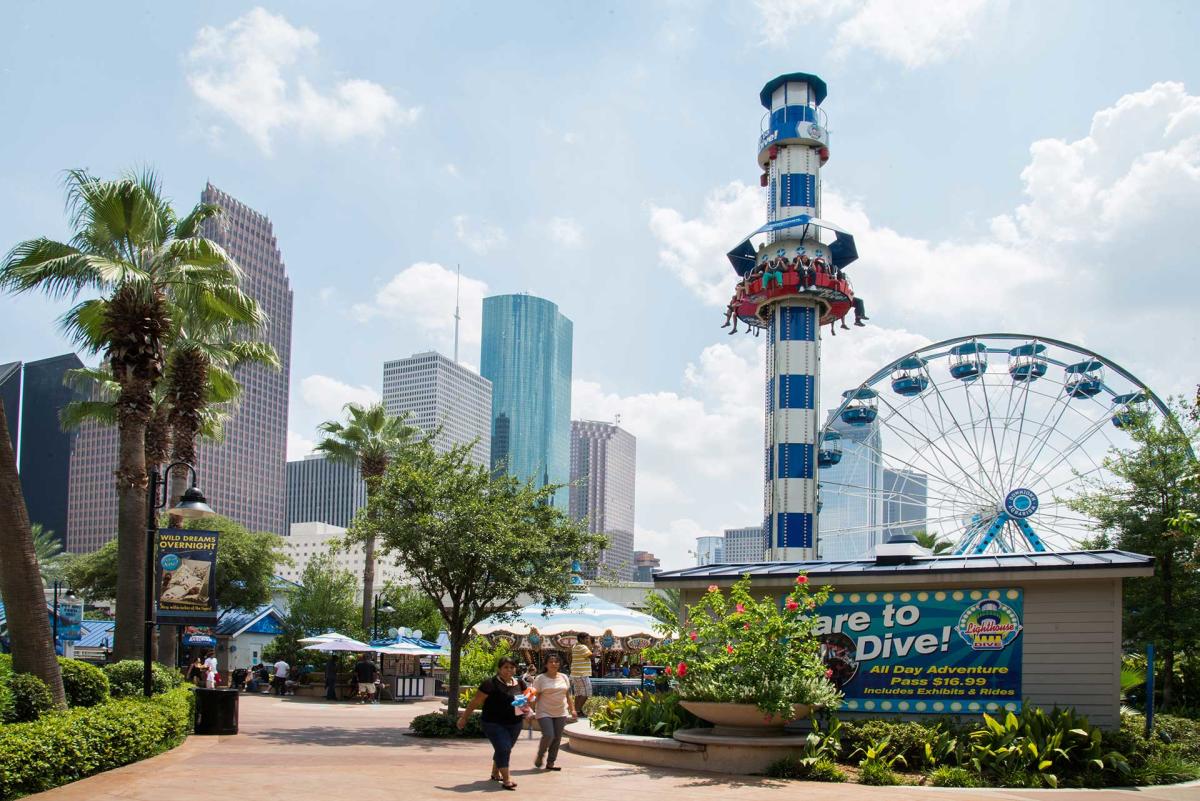
For the tech-minded visitor, Houston offers a unique blend of heritage and cutting-edge advancement. This article explores the must-visit destinations and professional hubs that define the modern, tech-centric Houston experience.
Immersing in the Ecosystem: Innovation Districts and Collaborative Hubs
In recent years, Houston has made a concerted effort to centralize its tech talent and resources. No longer is the city’s innovation scattered; it is now anchored by specific districts designed to foster collaboration between startups, academia, and global corporations.
The Ion and the Midtown Innovation District
At the heart of Houston’s tech resurgence is The Ion. Located in a reimagined Sears building in Midtown, The Ion serves as the anchor for a 16-acre innovation district. For anyone interested in the pulse of Houston’s tech scene, this is the first stop. It is a collaborative space where Fortune 500 companies like Microsoft and Chevron sit alongside early-stage startups.
Visitors can attend “Cup of Joe” networking events, participate in hackathons, or explore the prototyping labs. The Ion isn’t just a co-working space; it is a physical manifestation of the city’s digital transformation strategy, focusing on bridging the gap between legacy industries and new-age software solutions.
Greentown Labs: Leading the Energy Transition
Houston is the Energy Capital of the World, and Greentown Labs is where that title is being defended for the next generation. As the largest climate-tech incubator in North America, the Houston location focuses specifically on the energy transition.
For tech professionals interested in “HardTech,” a tour or visit to a public event at Greentown Labs provides insight into carbon capture technology, hydrogen power, and grid modernization. It is a hub where hardware-heavy startups are solving the world’s most pressing environmental challenges through sophisticated engineering and AI-driven resource management.
The Cannon and Entrepreneurial Community
While The Ion focuses on the urban core, The Cannon represents the sprawling, high-growth potential of West Houston. This massive entrepreneurial campus provides a “city within a city” feel for tech founders. It features a range of resources from media studios for podcasters to specialized labs for software development. Exploring The Cannon gives one a sense of the sheer scale of the private equity and venture capital flowing into the local tech sector.
Space City 2.0: Beyond the NASA Visitor Center
While Space Center Houston remains a legendary tourist destination, the “tech” side of Houston’s aerospace industry has moved far beyond museum exhibits. Houston is now a central player in the “New Space” economy, characterized by private-sector exploration and commercialization.
The Houston Spaceport and Commercial Aerospace
Located at Ellington Airport, the Houston Spaceport is the first truly urban commercial spaceport in the United States. It serves as a base for companies like Axiom Space and Intuitive Machines.
Axiom Space is currently building the world’s first commercial space station, and Intuitive Machines is leading the charge in lunar lander technology. For those interested in the tech of the future, the area surrounding the Spaceport offers a glimpse into the manufacturing of orbital modules and the robotics required for extra-planetary habitation.
Ad Astra and the Future of Propulsion
Founded by former astronaut Franklin Chang-Díaz, Ad Astra Rocket Company is based just outside Houston. They are developing the VASIMR (Variable Specific Impulse Magnetoplasma Rocket) engine. This is deep tech at its finest—using plasma to propel spacecraft much faster than traditional chemical rockets. While not a typical “tourist” spot, the presence of such high-level plasma physics research in the Houston metro area highlights the city’s role as a global leader in advanced propulsion and materials science.
Virtual Reality and Astronaut Training
A visit to the Johnson Space Center (JSC) today is as much about software as it is about hardware. Tech enthusiasts should look into the specialized tours that highlight the VR Laboratory. NASA uses high-fidelity virtual reality to train astronauts for spacewalks and robotic arm operations. The integration of haptic feedback and real-time physics engines in these simulations represents some of the most advanced applications of VR technology in existence today.
MedTech and Biotech: Exploring the Texas Medical Center (TMC)
The Texas Medical Center is the largest medical complex in the world, and it is currently undergoing a massive “TMC3” expansion aimed at making it a global hub for life sciences and biotechnology.
TMC Innovation (TMCi) and Startup Accelerators
Housed in a former Nabisco cookie factory, TMC Innovation (TMCi) is where healthcare meets high tech. This accelerator program brings in companies from around the world to develop digital health solutions, wearable medical devices, and AI diagnostics.
For those interested in the intersection of data science and biology, the TMCi “Demo Days” are essential. You can see how machine learning is being applied to genomic sequencing or how blockchain is being used to secure patient records across international lines.
Robotics in Modern Surgery
Houston is a pioneer in robotic-assisted surgery. Many of the hospitals within the TMC, such as Houston Methodist and MD Anderson, are testbeds for the latest iterations of the Da Vinci surgical system and other proprietary robotic platforms. Understanding the tech landscape of Houston requires acknowledging the role of high-bandwidth connectivity and low-latency data transmission that allows surgeons to perform procedures with sub-millimeter precision.
The TMC3 Collaborative Campus
The upcoming TMC3 campus is a 37-acre master plan designed to foster “serendipitous encounters” between researchers and tech developers. It features a DNA-shaped park and massive lab spaces. For visitors, walking through this district offers a look at the future of “Urban Tech”—where city planning and laboratory infrastructure are merged into a single, cohesive environment.
Tech-Driven Leisure: Where Innovation Meets Lifestyle
Even Houston’s entertainment and cultural scenes are being reshaped by technology. When you look for things to do in the city’s leisure time, you will find that digital art and smart-city infrastructure are at the forefront.
Seismique and the Intersection of Art and Technology
Seismique is a 40,000-square-foot art museum that is essentially a tech playground. It features 40+ “galaxies” (rooms) filled with millions of LEDs, motion sensors, and augmented reality (AR) overlays. Unlike a traditional gallery, Seismique is a masterclass in creative coding and interactive hardware. It demonstrates how tech can be used to create immersive, multi-sensory experiences that challenge our perception of space and light.
The Color Factory and Digital Engagement
While it may seem like an Instagram-friendly photo op, The Color Factory in Houston uses sophisticated sensor tech and data visualization to create its exhibits. From customized RFID wristbands that sync with cameras to interactive floor maps, the venue is an example of how “Smart Venues” utilize IoT (Internet of Things) technology to enhance visitor engagement and manage traffic flow.
Post Houston: A Smart City Microcosm
POST Houston, located in the former Barbara Jordan Post Office, is a prime example of adaptive reuse combined with green tech. The rooftop features “Skylawn,” one of the world’s largest rooftop parks and organic farms. The building utilizes advanced cooling systems and sustainable lighting tech to manage its massive footprint. For the tech visitor, it is a lesson in how modern software can manage sustainable food systems and climate control in a challenging environment like the Texas Gulf Coast.
The Professional Outlook: Networking in the Silicon Bayou
For those visiting Houston with a professional interest in tech, the “to-do” list must include the city’s various meetups and industry conferences. Houston’s tech scene is notoriously welcoming, characterized by a “Southern Hospitality” that extends into the boardroom.
Annual Tech Events
- Houston Tech Rodeo: A week-long series of events that celebrate the intersection of culture and innovation.
- Rice Business Plan Competition: The world’s largest and richest student startup competition, held at Rice University, showcasing the next generation of tech titans.
- Cybersecurity Summits: Given Houston’s critical infrastructure (Energy and Medical), the city hosts numerous high-level digital security conferences focusing on protecting the global supply chain.
Future Growth: The Shift to “Energy 2.0”
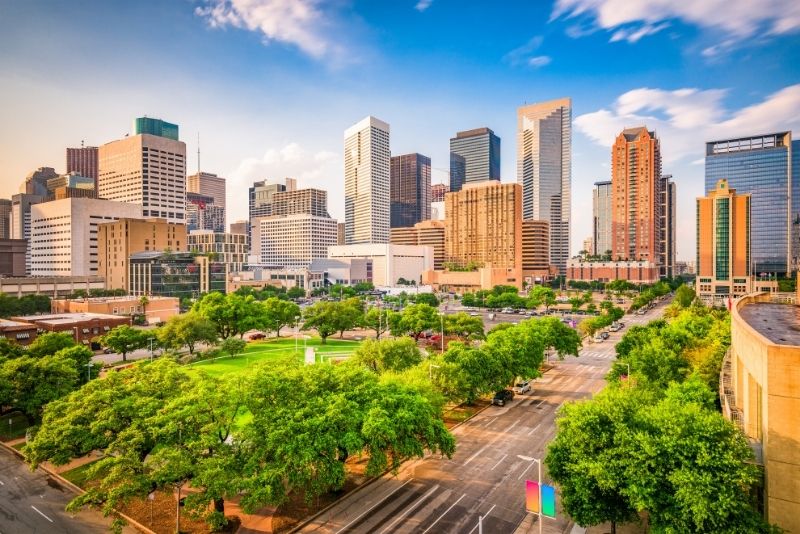
Ultimately, what there is to do in Houston is to witness a city in the middle of a massive pivot. The “Money” of the old oil days is being reinvested into “Tech” for the future. Whether it’s the AI-driven logistics used at the Port of Houston—one of the world’s busiest ports—or the cloud computing power required to map the human genome at TMC, Houston is a city where technology is not just an industry, but the foundation of its future.
For the professional, the hobbyist, or the curious traveler, Houston offers a look at a tech ecosystem that is grounded in real-world application. It is not just about social media apps or consumer gadgets; it is about the “Big Tech” that moves the world—space travel, life-saving medicine, and sustainable energy. When you visit Houston, you aren’t just visiting a city; you are visiting a blueprint for the 21st-century technological economy.
aViewFromTheCave is a participant in the Amazon Services LLC Associates Program, an affiliate advertising program designed to provide a means for sites to earn advertising fees by advertising and linking to Amazon.com. Amazon, the Amazon logo, AmazonSupply, and the AmazonSupply logo are trademarks of Amazon.com, Inc. or its affiliates. As an Amazon Associate we earn affiliate commissions from qualifying purchases.