
For decades, the global perception of Houston, Texas, was monochromatic: a landscape of oil derricks, sprawling highways, and the mission control consoles of NASA’s Apollo era. However, a quiet but powerful transformation has taken place. Today, if you ask “what is in Houston” from a professional standpoint, the answer is no longer just “crude oil.” It is a sophisticated, rapidly expanding technological frontier often referred to as the “Silicon Bayou.”
As the fourth-largest city in the United States, Houston has leveraged its industrial roots to become a global leader in EnergyTech, HealthTech, and Aerospace. The city is currently undergoing a digital renaissance, transitioning from a legacy of heavy industry to a future defined by software-as-a-service (SaaS), artificial intelligence (AI), and deep-tech innovation. This article explores the core components of the Houston tech landscape and why it has become a magnet for engineers, developers, and venture capitalists.
The Energy Transition: Pioneering Greentech and Climate Solutions
Houston remains the energy capital of the world, but the definition of “energy” is shifting. The city is now the epicenter of the global energy transition, utilizing advanced technology to decarbonize traditional sectors and scale renewable alternatives.
Digital Twins and Predictive Analytics in Oil & Gas
What is currently in Houston’s energy sector is a massive push toward “Industry 4.0.” Major players and startups alike are deploying Digital Twin technology—virtual replicas of physical assets—to monitor offshore rigs and refineries in real-time. By utilizing IoT (Internet of Things) sensors and predictive analytics, companies can forecast equipment failures before they occur, drastically reducing environmental risks and operational costs. This integration of high-level software into heavy machinery represents one of the largest deployments of industrial AI in the world.
Houston as a Catalyst for Carbon Capture Technology
The city is also a laboratory for Carbon Capture, Utilization, and Storage (CCUS). Local tech firms are developing sophisticated algorithms to model geological formations for carbon sequestration. Furthermore, the “Hydrogen Hub” initiatives in the region are fueled by software platforms that manage complex supply chains for green and blue hydrogen. Houston isn’t just producing energy; it is producing the software and hardware required to make that energy sustainable.
The World’s Largest Medical Complex: Innovation at the Texas Medical Center (TMC)
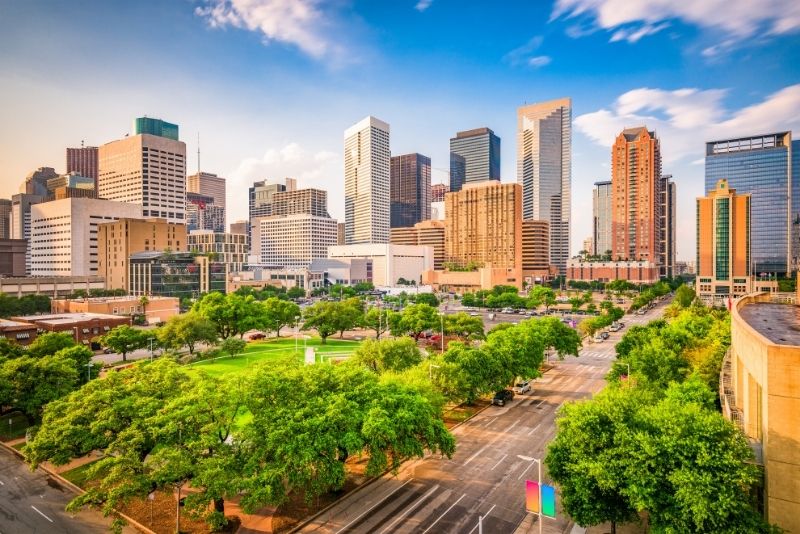
If you look at the Houston skyline, the cluster of buildings known as the Texas Medical Center (TMC) stands as a testament to biological and digital convergence. TMC is the largest medical city in the world, and it has become a massive engine for HealthTech innovation.
BioDesign and HealthTech Startups
Within the TMC Innovation Factory, the focus is on the “BioDesign” process—identifying clinical needs and engineering technological solutions. Houston is home to a dense concentration of startups focusing on wearable medical devices, remote patient monitoring platforms, and minimally invasive robotic surgery tools. The proximity of engineers to world-class surgeons creates a feedback loop that accelerates the development of medical hardware and software at a pace few other cities can match.
AI-Driven Diagnostics and Personalized Medicine
A significant portion of Houston’s tech talent is currently dedicated to bioinformatics. By leveraging machine learning models, researchers at institutions like MD Anderson Cancer Center are analyzing vast genomic datasets to develop personalized treatment plans. This use of “Big Data” in oncology and cardiology is moving medicine away from a one-size-fits-all approach toward a data-driven, precision model. The tech stack in Houston’s medical sector is as advanced as any found in Silicon Valley, with a specific emphasis on life-saving applications.
Beyond the Moon: The New Frontier of SpaceTech and Aerospace
The phrase “Houston, we have a problem” is iconic, but today’s Houston is where the solutions are being built. With the presence of NASA’s Johnson Space Center, the city has always been a hub for aerospace, but the recent “NewSpace” movement has brought a surge of private enterprise and software innovation to the region.
Commercial Space Stations and Private Enterprise
What is in Houston today is a burgeoning commercial space economy. Companies like Axiom Space are developing the world’s first commercial space station, which requires groundbreaking advancements in autonomous docking software, life-support systems, and space-hardened edge computing. These are not just mechanical feats; they are triumphs of software engineering and systems integration.
Robotics and Autonomous Systems at Johnson Space Center
The robotics expertise developed for space exploration is increasingly finding terrestrial applications. Technologies designed for lunar rovers or the Robonaut program are being adapted for use in hazardous environments on Earth, such as subsea inspections or disaster recovery. Houston’s tech ecosystem is unique in its ability to take “space-grade” technology and pivot it toward commercial industrial use, creating a cross-pollination of hardware and software expertise.
The Infrastructure of Innovation: Incubators, Hubs, and Human Capital
A tech ecosystem is only as strong as its infrastructure. In recent years, Houston has made concerted efforts to build physical and digital spaces that foster collaboration between different technological disciplines.
The Ion and the Midtown Tech District
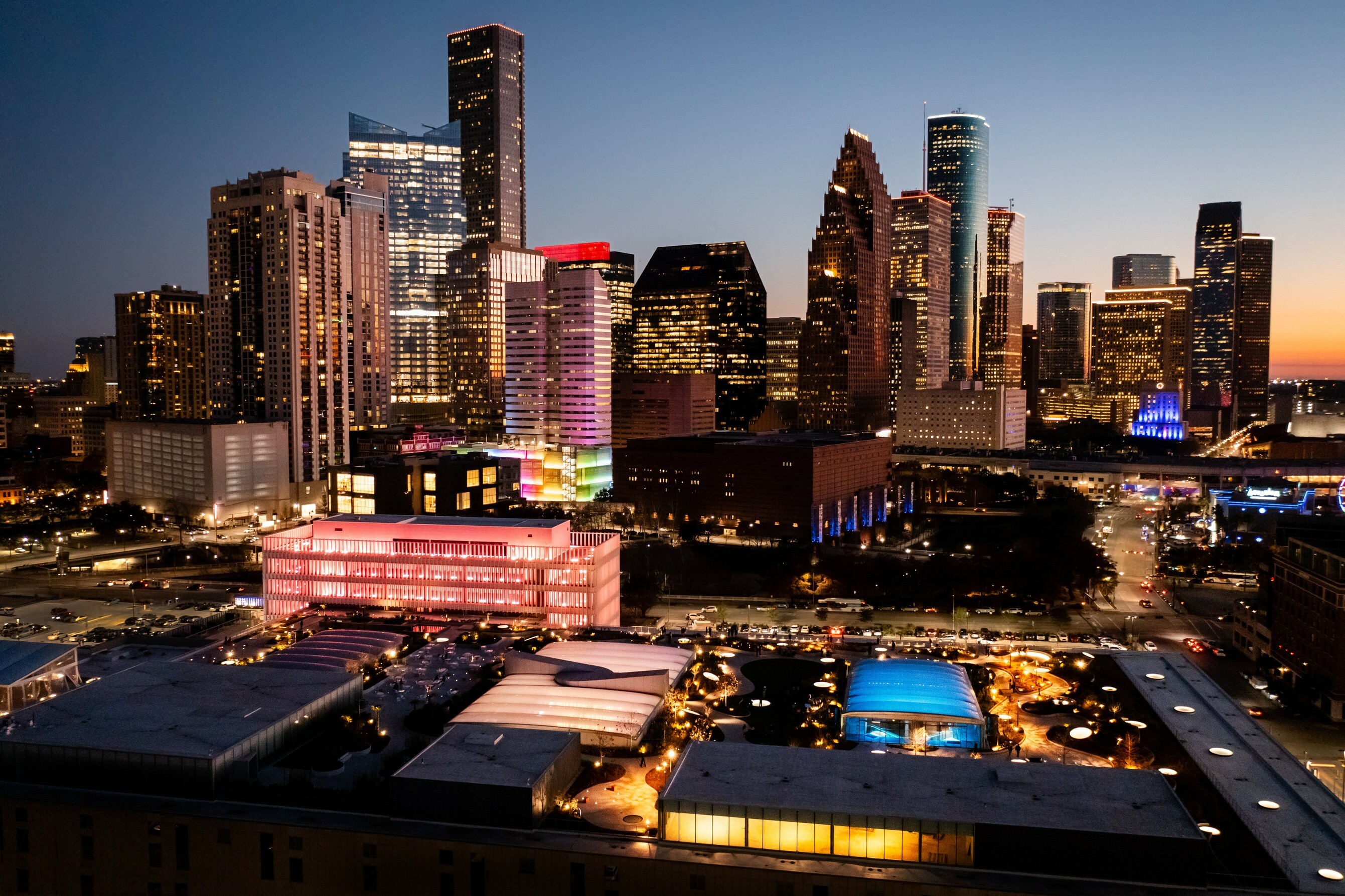
The crown jewel of Houston’s tech infrastructure is The Ion, a 266,000-square-foot innovation hub located in the heart of the Midtown district. It serves as a centralized point where corporate giants, academic institutions, and fledgling startups can coexist. This “collision space” is designed to facilitate the exchange of ideas, providing labs, prototyping equipment, and venture capital access. The Ion is the physical manifestation of Houston’s commitment to diversifying its economy through technology.
Bridging the Talent Gap: Higher Education and Digital Literacy
The presence of Tier 1 research institutions like Rice University and the University of Houston provides a steady stream of talent in computer science and engineering. Furthermore, the city has seen a rise in coding bootcamps and digital accelerators that focus on “upskilling” the existing workforce. As the demand for data scientists and software engineers grows, Houston’s educational infrastructure is pivoting to ensure that the local labor market can meet the needs of the 21st-century digital economy.
Cyber Security and Data Sovereignty in the Fourth Industrial Revolution
As Houston becomes more digitally integrated, the importance of cybersecurity has moved to the forefront. Protecting the critical infrastructure that powers the nation is now a primary focus for the city’s tech sector.
Protecting Critical Energy Infrastructure
Because Houston manages a significant portion of the U.S. energy grid and fuel supply, it has become a center for Industrial Control Systems (ICS) security. Tech firms in the region are developing specialized cybersecurity protocols designed to protect physical assets from digital threats. This “Operational Technology” (OT) security is a niche but vital field, where Houston-based experts are leading the way in defending against sophisticated cyber-attacks on power plants and water systems.
The Growth of Edge Computing and Data Centers
To support the massive data requirements of the energy and medical sectors, Houston has seen an explosion in data center development. However, the trend is shifting toward “Edge Computing”—processing data closer to where it is generated (such as on a refinery floor or in an operating room) rather than in a distant cloud. This move toward decentralized data processing is driving innovation in high-performance computing (HPC) and localized networking hardware, further solidifying Houston’s status as a comprehensive tech powerhouse.
Conclusion: The Future of the Bayou City
When evaluating “what is in Houston,” one must look past the traditional industrial facade to see a vibrant, high-tech core. The city has successfully bridged the gap between “Old Tech” (mechanical engineering and heavy industry) and “New Tech” (AI, SaaS, and Biotech).
Houston’s tech ecosystem is characterized by its “applied” nature. Unlike other tech hubs that may focus on consumer apps or social media, Houston is solving “hard” problems—how to power the world sustainably, how to cure complex diseases, and how to expand humanity’s reach into space. This focus on mission-critical technology ensures that Houston will not only remain relevant but will likely lead the next wave of global industrial innovation. For tech professionals and investors, the Silicon Bayou offers a unique combination of industrial scale and digital agility, making it one of the most exciting technological frontiers in the world today.
aViewFromTheCave is a participant in the Amazon Services LLC Associates Program, an affiliate advertising program designed to provide a means for sites to earn advertising fees by advertising and linking to Amazon.com. Amazon, the Amazon logo, AmazonSupply, and the AmazonSupply logo are trademarks of Amazon.com, Inc. or its affiliates. As an Amazon Associate we earn affiliate commissions from qualifying purchases.