
For many, the annual ritual of tax filing evokes a mix of dread and confusion. The labyrinthine nature of tax codes, coupled with the fear of making costly errors, often leads individuals to outsource the task to professional accountants. However, with the advent of intuitive software and readily available resources, taking control of your own tax preparation has become a remarkably accessible and empowering endeavor. Self-filing isn’t just about saving money; it’s about gaining a deeper understanding of your financial landscape, identifying opportunities for optimization, and fostering a sense of financial independence. This comprehensive guide will demystify the process, providing you with the knowledge and confidence to navigate the tax season successfully on your own.
The Empowering Choice of Self-Filing
Deciding to prepare your own taxes can feel like a significant step, but it comes with a host of benefits that extend beyond mere financial savings. It’s an act of financial empowerment, placing you directly in charge of one of your most critical annual financial responsibilities.
Why Consider DIY Tax Preparation?
The primary allure of do-it-yourself (DIY) tax preparation often lies in the potential for cost savings. Professional tax services can range from a few hundred dollars to significantly more, depending on the complexity of your return. By self-filing, that money stays in your pocket, a direct benefit to your personal finances.
Beyond the monetary aspect, self-filing offers unparalleled control and transparency. When you prepare your own taxes, you are intimately involved in every step. This process forces you to review all your financial documents, understand where your income comes from, and meticulously account for deductions and credits. This hands-on approach provides a granular understanding of your financial situation, which can be invaluable for future financial planning and decision-making. You’re not just inputting numbers; you’re learning about the tax implications of your life choices, from buying a home to investing in a retirement account.
Furthermore, it can be a significant educational experience. Many individuals report feeling more confident about their financial literacy after successfully filing their own taxes. It demystifies the tax system to some extent, replacing abstract fears with concrete knowledge. This newfound understanding can spill over into other areas of personal finance, encouraging better budgeting, saving, and investing habits.
Common Misconceptions About Self-Filing
Despite the clear advantages, several misconceptions often deter individuals from attempting to file their own taxes. The most pervasive is the belief that tax preparation is inherently too complex for the average person. While the tax code itself is indeed intricate, modern tax software is designed to simplify this complexity. It asks straightforward questions, guiding users through the process step-by-step, often using plain language rather than dense IRS jargon. Many software programs even offer built-in calculators and error checks to prevent common mistakes.
Another significant fear is the possibility of making mistakes that could lead to an audit or penalties. While errors are possible, tax software is remarkably effective at flagging inconsistencies, missed deductions, or potential issues before submission. Many platforms offer audit protection services or guarantees, providing peace of mind. Moreover, the IRS understands that honest mistakes happen and often provides opportunities to correct errors without severe penalties, especially if corrected promptly. It’s crucial to remember that even professional preparers can make mistakes; the key is diligent review and accurate data entry.
Essential Steps Before You Begin
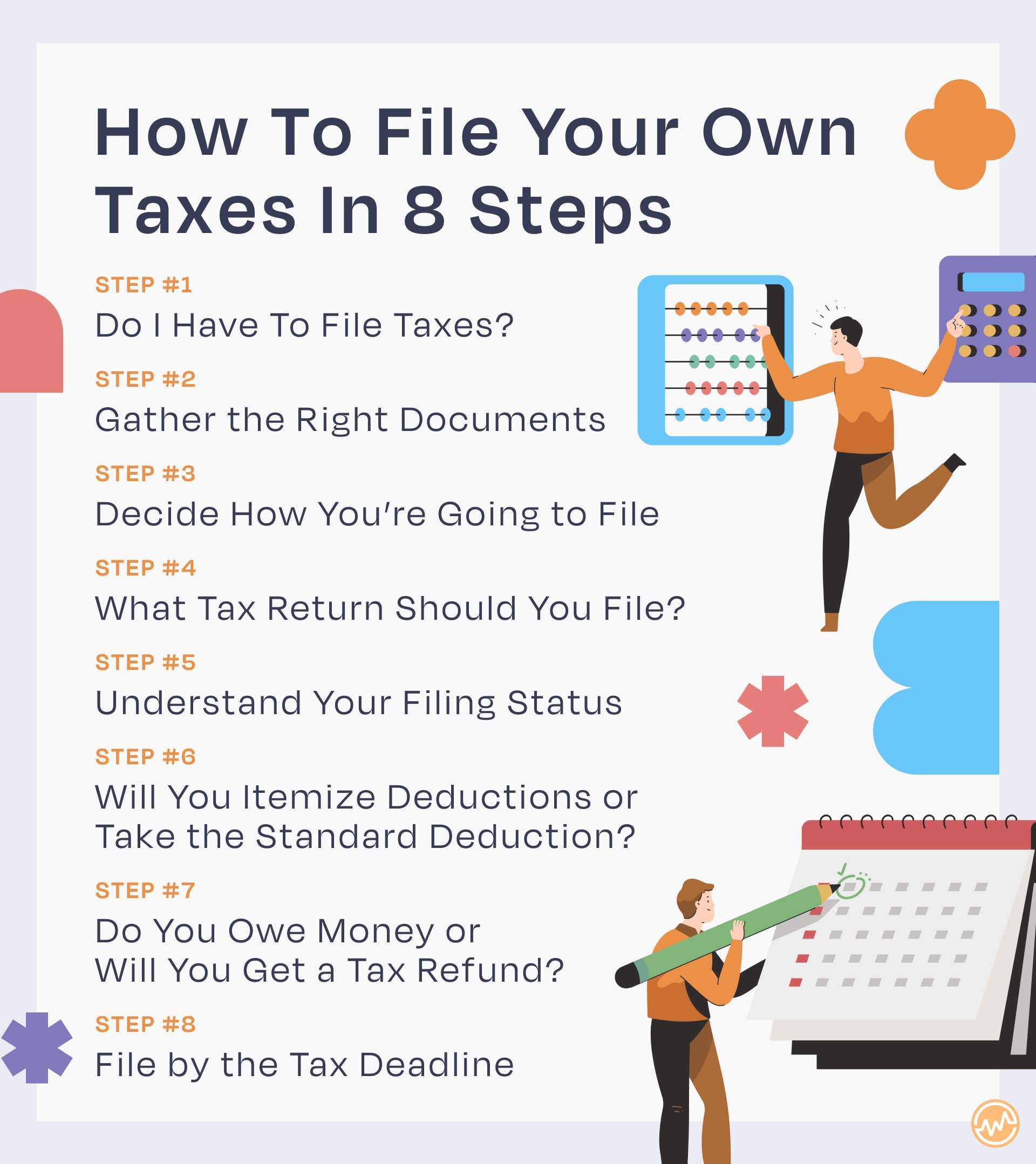
Before you even open a tax software program or pick up a pen for paper filing, thorough preparation is paramount. Laying the groundwork properly will streamline the entire process, minimize stress, and reduce the likelihood of errors.
Gathering Your Documentation
The cornerstone of accurate tax filing is comprehensive documentation. This stage is non-negotiable and requires careful attention to detail. Start by collecting all income-related documents, primarily your W-2 forms from employers and various 1099 forms (e.g., 1099-INT for interest, 1099-DIV for dividends, 1099-MISC/NEC for freelance income, 1099-R for retirement distributions, 1099-B for stock sales). If you’re self-employed, compile your business income and expense records.
Beyond income, gather documents related to potential deductions and credits. This might include mortgage interest statements (1098), student loan interest statements (1098-E), tuition statements (1098-T), records of medical expenses, charitable contributions (receipts, acknowledgments), property tax statements, and any records pertaining to IRA contributions or health savings accounts (HSAs). Don’t forget documentation for any dependent care expenses (Form W-10). Keeping an organized system for these documents throughout the year – whether digital or physical – will save you immense time and effort during tax season.
Understanding Your Tax Obligations
Before inputting numbers, it’s vital to grasp the basics of your personal tax situation. This includes confirming your filing status (Single, Married Filing Jointly, Married Filing Separately, Head of Household, Qualifying Widow(er)). Your filing status dictates your standard deduction amount and tax brackets, significantly impacting your tax liability.
Next, accurately identify any dependents. This involves understanding the IRS rules for who qualifies as a dependent, as claiming dependents can unlock valuable credits like the Child Tax Credit or Credit for Other Dependents. Ensuring you meet age, relationship, residency, and support tests is crucial.
Finally, consider any significant life changes from the past year. Did you get married or divorced? Have a baby? Buy or sell a home? Change jobs? Start a business? Each of these events can have substantial tax implications and affect which forms you need to complete or which credits you might be eligible for. Acknowledging these early helps you tailor your approach to the filing process.
Choosing the Right Filing Method
Once your documents are in order and you understand your basic obligations, you’ll need to decide how you’re going to file. The two primary methods are tax software (online or desktop) or paper filing.
For most people, especially those with relatively straightforward returns, tax software is the superior choice. It offers step-by-step guidance, automates calculations, checks for errors, and often suggests deductions or credits you might have overlooked. Popular platforms include TurboTax, H&R Block, TaxAct, and FreeTaxUSA. Many offer free versions for simple returns, with paid tiers for more complex situations (e.g., self-employment, investments). The software often integrates directly with e-filing, making submission quick and secure.
Paper filing, while still an option, is generally slower, more prone to manual errors, and provides less guidance. It involves downloading and printing various IRS forms, manually filling them out, calculating everything by hand, and mailing them to the IRS. This method is typically only recommended for those who are highly comfortable with tax forms or have extremely simple returns and prefer not to use technology. For most self-filers, the efficiency and error-checking capabilities of software make it the clear winner.
Navigating the Self-Filing Process
With your preparations complete, the actual process of inputting your data and submitting your return becomes much smoother. Modern tax software has revolutionized this stage, making it accessible even to first-time filers.

Selecting Reputable Tax Software
The market is saturated with tax preparation software, offering a range of features and price points. For individuals with simple tax situations (W-2 income, standard deduction), many reputable services offer free federal and sometimes state filing options. These are excellent starting points.
As your financial life becomes more complex – perhaps you have freelance income, investment gains/losses, rental properties, or significant deductions – you’ll likely need to upgrade to a paid tier. When choosing, consider:
- User Interface and Guidance: Is it intuitive? Does it explain concepts clearly?
- Features: Does it handle all your specific forms and schedules? Does it import data easily from banks or employers?
- Support: What kind of customer support is available (chat, phone, tax professional assistance)?
- Audit Protection: Does it offer any guarantees or support in case of an IRS inquiry?
- Cost: Compare prices for tiers that match your needs. Read reviews and consider trials if available.
Ensure the software is from a well-known provider with a strong track record of security and accuracy.
Step-by-Step Data Entry and Review
Once you’ve selected your software, the process typically involves a guided interview format. You’ll be prompted to enter information in logical sections:
- Personal Information: Name, Social Security number, filing status, dependents.
- Income: Enter details from all W-2s, 1099s, and any other income sources. The software often allows you to import this data directly from participating employers or financial institutions, saving time and reducing transcription errors.
- Deductions and Credits: This is where you enter information about potential tax breaks. The software will ask about mortgage interest, student loan interest, medical expenses, charitable contributions, retirement contributions, dependent care, education expenses, and more. It will help you determine whether itemizing deductions is more beneficial than taking the standard deduction.
- Review: This is perhaps the most critical stage. Before submitting, the software will run a comprehensive check for errors, omissions, and potential missed deductions. Take your time to review every section. Compare the figures in the software to your original documents. Look for any red flags or warnings the software might present. Many programs provide a summary of your return, highlighting key figures like your adjusted gross income (AGI), total deductions, and calculated refund or amount due.
E-filing and Payment Options
After thoroughly reviewing your return and confirming its accuracy, the final step is submission. E-filing (electronic filing) is the preferred method for the vast majority of taxpayers. It’s faster, more secure, and provides immediate confirmation that the IRS has received your return. Most tax software facilitates e-filing directly through their platform.
If you are due a refund, you can typically choose to receive it via direct deposit to your bank account, which is the fastest way to get your money. Other options might include a paper check or applying the refund to next year’s taxes.
If you owe taxes, you have several payment options:
- Direct Debit: Authorize the IRS to withdraw the amount directly from your bank account on a specified date (up to the tax deadline). This is common when using tax software.
- IRS Direct Pay: Pay directly from your checking or savings account on the IRS website.
- Credit/Debit Card: Pay through approved third-party processors, often incurring a small processing fee.
- Mail a Check/Money Order: If you prefer traditional methods, you can print a payment voucher (Form 1040-V) and mail it with your payment.
Always ensure your payment is made or postmarked by the tax deadline to avoid penalties. If you cannot pay the full amount, explore payment plan options with the IRS, such as a short-term payment plan or an offer in compromise.
Maximizing Your Refund and Minimizing Liabilities
A key advantage of self-filing is the opportunity to become more proactive in finding ways to legally reduce your tax burden. Understanding deductions and credits is crucial for optimizing your return.
Identifying Eligible Deductions and Credits
This is where informed self-filing can truly pay off. Deductions reduce your taxable income, while credits directly reduce the amount of tax you owe, dollar for dollar, making them generally more valuable.
- Standard Deduction vs. Itemized Deductions: Most taxpayers take the standard deduction, a fixed amount based on your filing status. However, if your eligible itemized deductions (e.g., state and local taxes, mortgage interest, charitable contributions, medical expenses exceeding a certain percentage of AGI) exceed the standard deduction, you can itemize to reduce your taxable income further. Tax software will help you compare these options.
- Common Credits: Don’t overlook valuable credits. These include the Child Tax Credit, Earned Income Tax Credit (EITC), American Opportunity Tax Credit and Lifetime Learning Credit (for education expenses), Credit for Other Dependents, Savers Credit (for retirement contributions), and various energy-efficient home improvement credits. The eligibility rules for credits can be complex, so read the software’s explanations carefully.
Keeping meticulous records throughout the year for all potential deductions and credits is vital. If you’re unsure about an expense, research it or consult the IRS guidelines directly.
Strategies for Future Tax Planning
Self-filing isn’t just about reporting the past; it’s about planning for the future. As you go through the process, you’ll gain insights into how your financial decisions impact your taxes.
- Adjusting Withholding: If you consistently receive a large refund, it means you’ve overpaid the IRS throughout the year. While a refund feels nice, that money could have been earning interest or paying down debt. Conversely, if you consistently owe a substantial amount, you might be under-withholding. Use the IRS Tax Withholding Estimator (or your tax software’s equivalent) and adjust your W-4 form with your employer to fine-tune your withholding.
- Retirement Contributions: Contributing to tax-advantaged accounts like 401(k)s, Traditional IRAs, or HSAs can significantly reduce your taxable income, sometimes providing a deduction for contributions made even in the current tax year. Maximize these contributions where possible.
- Tax-Loss Harvesting: For investors, strategically selling investments at a loss can offset capital gains and even a limited amount of ordinary income.
- Record Keeping: Establish a robust system for keeping track of all income, expenses, and tax-related documents throughout the year, not just during tax season. This will make the next filing year even easier.
- Stay Informed: Tax laws change. Periodically review updates from the IRS or reliable financial news sources.
When to Seek Professional Assistance
While self-filing is highly achievable for most, there are specific scenarios where the complexity of your financial situation warrants the expertise of a tax professional. Recognizing these limits is a sign of financial maturity.
Recognizing Complex Tax Situations
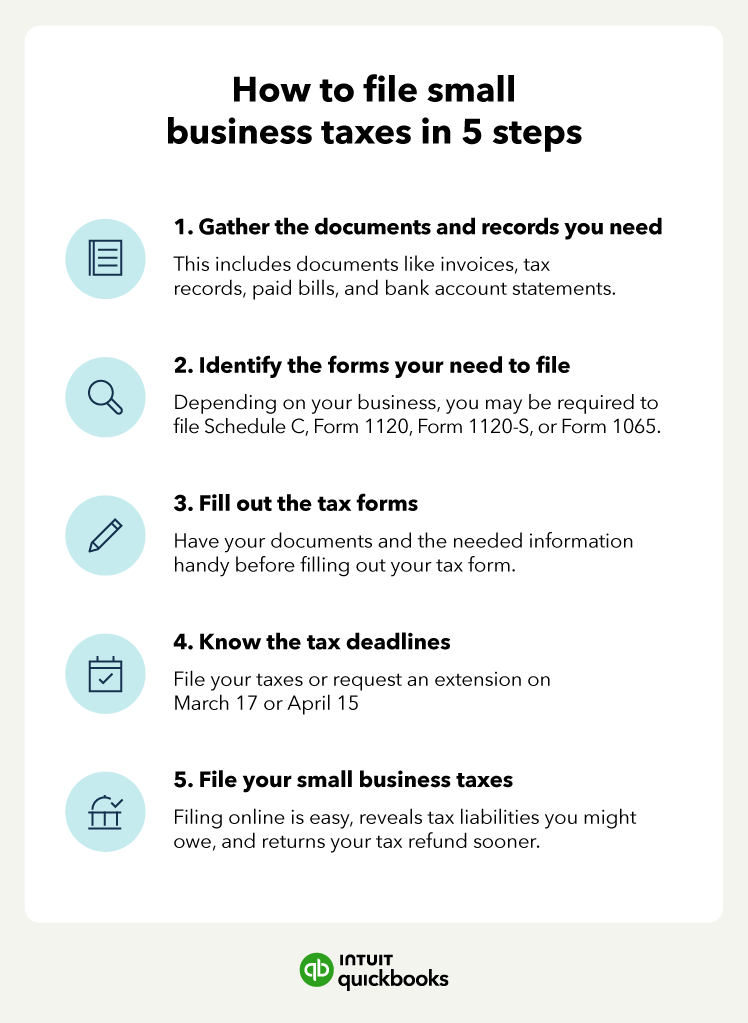
Certain life events or financial structures can introduce layers of complexity that might be challenging to navigate without professional help. You might consider professional assistance if you:
- Are self-employed or own a small business with numerous deductions, estimated tax payments, inventory, or employees. Schedule C and related forms can be intricate.
- Have significant investment activity including complex stock options, restricted stock units (RSUs), cryptocurrency transactions, or numerous capital gains/losses.
- Own rental properties or multiple real estate holdings.
- Experienced major life changes such as marriage, divorce, or the death of a spouse, particularly if these events involve significant asset division or estate planning.
- Have foreign income or assets, which can trigger complex international tax laws.
- Received income from multiple states or are dealing with state-specific tax laws that differ significantly from federal.
- Are facing an IRS audit or have received notices from the IRS that you don’t understand.
In these situations, the potential for error increases, and the cost of mistakes can far outweigh the fees of a qualified professional.
Benefits of Consulting a Tax Professional
Engaging a Certified Public Accountant (CPA), an Enrolled Agent (EA), or a reputable tax attorney offers several distinct advantages.
- Expertise and Accuracy: Professionals are deeply knowledgeable about the latest tax laws, deductions, and credits. They can ensure your return is accurate and optimized, potentially finding deductions you might have missed.
- Time Savings: Outsourcing the task frees up your valuable time, allowing you to focus on other pursuits.
- Audit Protection and Representation: Many professionals offer services to represent you in case of an IRS audit, providing a layer of protection and peace of mind.
- Strategic Tax Planning: A good tax professional doesn’t just prepare your taxes; they offer strategic advice for future tax planning, helping you make financial decisions that minimize your tax liability over the long term.
- Complex Problem Solving: For unique or highly intricate tax situations, a professional can provide tailored solutions and navigate complex regulations.
Ultimately, the decision to self-file or hire a professional depends on your comfort level, the complexity of your finances, and the value you place on your time. For many, self-filing is an achievable and rewarding path, fostering greater financial literacy and control. By meticulously gathering documents, understanding your obligations, utilizing reliable software, and reviewing your work diligently, you can confidently file your own taxes and take a significant step towards mastering your personal finances.
aViewFromTheCave is a participant in the Amazon Services LLC Associates Program, an affiliate advertising program designed to provide a means for sites to earn advertising fees by advertising and linking to Amazon.com. Amazon, the Amazon logo, AmazonSupply, and the AmazonSupply logo are trademarks of Amazon.com, Inc. or its affiliates. As an Amazon Associate we earn affiliate commissions from qualifying purchases.