
In the highly competitive landscape of the restaurant industry, few brands manage to carve out a niche as distinctive and enduring as Texas Roadhouse. From its vibrant atmosphere to its legendary hand-cut steaks, the chain has become synonymous with a particular brand of American casual dining. But every iconic brand has an origin story, a foundational moment from which its identity and appeal began to blossom. Understanding “where Texas Roadhouse started” isn’t merely a question of geography; it’s an exploration into the deliberate strategic branding that transformed a single concept into a national phenomenon. This article delves into the entrepreneurial vision, the initial branding choices, and the foundational strategies that laid the groundwork for Texas Roadhouse’s remarkable journey, offering valuable insights into the creation and scaling of a beloved corporate identity.
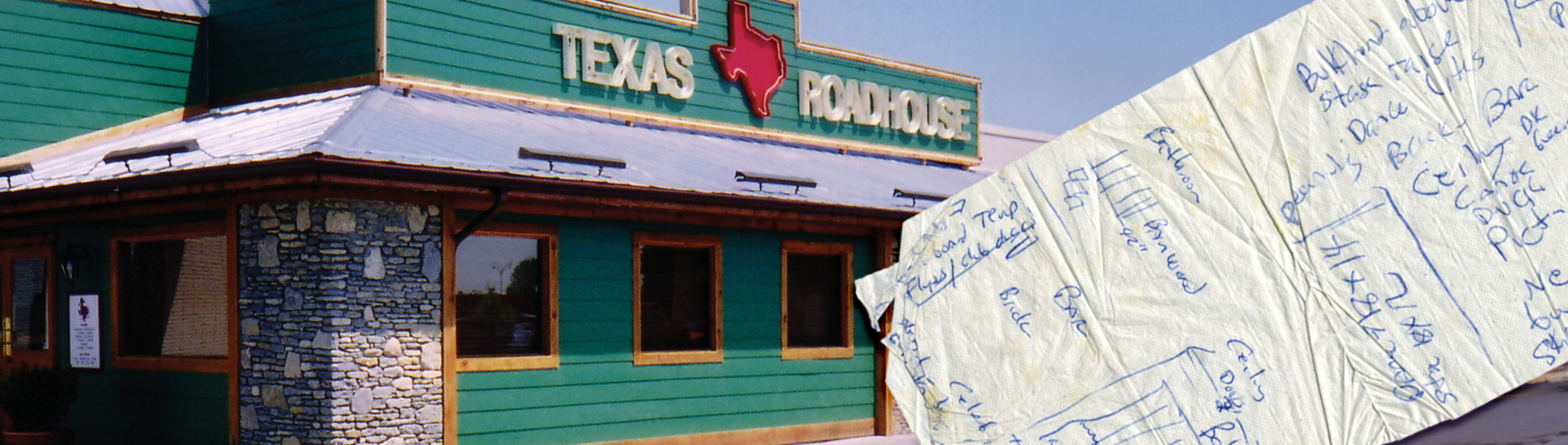
The Genesis of an American Staple: Vision and Early Days
Every successful brand begins with a spark – an idea, a vision, or a perceived gap in the market. For Texas Roadhouse, this spark was ignited by a tenacious entrepreneur with a clear understanding of what customers truly wanted. The brand’s inception was not a random occurrence but a meticulously planned launch designed to fill a specific void in the dining experience.
The Entrepreneurial Spark: Kent Taylor’s Vision
The story of Texas Roadhouse begins with its founder, Kent Taylor. A seasoned veteran of the restaurant industry, Taylor had a dream: to create a steakhouse where everyone could afford a great meal, enjoy a lively, family-friendly atmosphere, and feel genuinely welcomed. He observed that many steakhouses were either too formal and expensive or lacked a distinct character. Taylor envisioned a place that combined high-quality, made-from-scratch food with an energetic, unpretentious environment. This wasn’t just about food; it was about crafting an experience—a complete brand package that appealed to a broad demographic looking for value, authenticity, and fun. His vision was clear: to offer “Legendary Food, Legendary Service” in a casual, Texas-themed setting, regardless of the actual state of origin. This core vision became the foundational pillar of the brand’s identity.
The First Location: Clarksville, Indiana (1993)
The search for the ideal location to launch this vision was as critical as the vision itself. Taylor famously sought investors for his concept, securing just enough capital to bring his dream to fruition. On February 17, 1993, the very first Texas Roadhouse opened its doors in Clarksville, Indiana. This seemingly un-Texan location might surprise some, but it perfectly illustrates a key branding principle: the concept and experience can transcend geographical origins if executed authentically.
The Clarksville restaurant immediately began to establish the brand’s identity. It wasn’t just a place to eat; it was a sensory immersion. From the moment guests walked in, they were greeted by the aroma of freshly baked bread and grilled steaks, the sound of country music, and the sight of rustic decor, peanut shells on the floor, and servers line-dancing. Every detail, from the hand-cut steaks visible in a cooler to the overflowing buckets of peanuts, was a deliberate choice aimed at creating a memorable and distinct brand experience. This first outpost was more than a restaurant; it was a living prototype of the Texas Roadhouse brand.
Crafting the Core Brand Identity: From Day One
The early days in Clarksville were crucial for cementing the brand’s core identity. Texas Roadhouse was designed to be distinctive, not just another steakhouse.
- The Name: “Texas Roadhouse” immediately evokes imagery of rugged individualism, hearty food, and a relaxed, frontier spirit. It set expectations for a specific kind of casual, Western-themed experience.
- The Atmosphere: Lively, loud, and engaging. The intentional choice of upbeat country music, line dancing servers, and communal peanut buckets fostered an environment of fun and camaraderie that encouraged repeat visits. This wasn’t fine dining; it was fun dining, and that was a deliberate brand differentiator.
- The Menu: A commitment to quality and value. Hand-cut steaks, made-from-scratch sides, and freshly baked bread became hallmarks. The visible meat cutting station served as a transparent demonstration of quality and freshness, reinforcing a core brand promise.
- The Service: Friendly, attentive, and energetic. The “Roadies” (as employees are known) were trained to be more than order-takers; they were integral to the lively brand experience, contributing to the overall entertainment and warmth.
These elements weren’t accidental; they were carefully curated to build a unique brand personality—one that was approachable, authentic, and memorable. The brand was built on the premise that value wasn’t just about price, but about the entire immersive experience.
Building a Brand Beyond Borders: Expansion and Consistency
With the successful launch and strong local reception of the Clarksville location, the challenge for Texas Roadhouse shifted from defining its brand to replicating and scaling it without dilution. The growth of a restaurant chain is a masterclass in brand management, requiring meticulous attention to consistency, adaptability, and the preservation of the core identity.
The Recipe for Replication: Standardizing the Experience
One of the most significant hurdles for any expanding brand is maintaining a consistent customer experience across multiple locations. Texas Roadhouse achieved this by developing a rigorous system for replication. This wasn’t about stifling local flavor but about ensuring that the foundational brand elements were omnipresent.
- Operational Manuals and Training: Detailed guidelines were developed for everything from steak cutting techniques to service protocols and even line-dancing routines. Comprehensive training programs ensured that new employees, or “Roadies,” quickly assimilated the brand’s culture and operational standards.
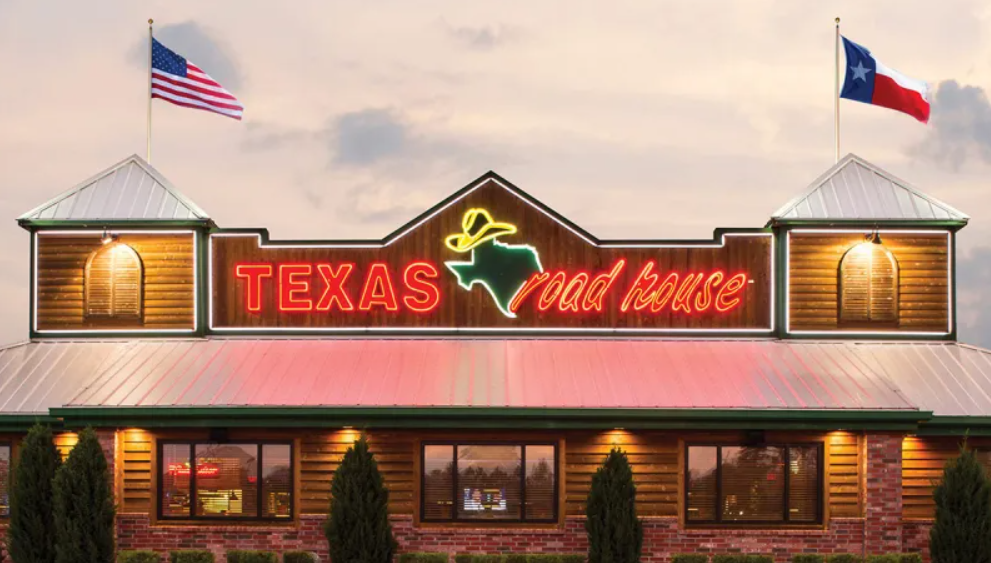
- Design and Decor Standards: While each restaurant had some local touches, the core aesthetic—the rustic Western decor, the neon signs, the wood finishes, and the specific layout—was standardized. This ensured that a customer walking into a Texas Roadhouse in Arizona would immediately recognize it and feel the same brand comfort as they would in Indiana.
- Supply Chain Management: Sourcing consistent, high-quality ingredients for hand-cut steaks and other menu items was crucial. A reliable supply chain ensured that the “Legendary Food” promise could be delivered consistently, protecting the brand’s reputation for quality.
This systematic approach to replication ensured that the brand’s unique identity wasn’t watered down but reinforced with every new opening, creating a predictable yet exciting customer experience.
Marketing the “Legendary” Experience: Early Branding Efforts
In its nascent stages, Texas Roadhouse’s marketing strategy relied heavily on grassroots efforts and word-of-mouth, leveraging the strength of its unique brand experience.
- Community Involvement: From the outset, Texas Roadhouse fostered strong ties with local communities. Supporting local schools, charities, and events built goodwill and integrated the brand into the fabric of the towns it served. This approach positioned the brand as a friendly, community-oriented establishment rather than just a faceless corporation.
- Local Promotions and Events: Hosting themed nights, special offers, and celebrating local achievements helped to drive traffic and create a buzz. These localized efforts allowed each restaurant to connect directly with its immediate audience while reinforcing the broader brand promise of fun and value.
- The “Experience as Marketing”: Perhaps the most potent marketing tool was the dining experience itself. The lively atmosphere, the fresh food, and the engaging service created memorable moments that patrons eagerly shared with friends and family. In an era before widespread social media, this organic word-of-mouth advocacy was invaluable for brand growth. The distinct sight of peanut shells on the floor or the sound of the line-dancing staff became powerful, informal brand ambassadors.
Adapting Without Losing Identity: Growth Challenges and Solutions
As Texas Roadhouse expanded rapidly across the nation, it faced the inherent challenges of growth: maintaining quality, managing increasing competition, and adapting to diverse regional tastes while preserving its core brand identity.
- Maintaining Quality at Scale: The brand’s commitment to hand-cut steaks and made-from-scratch food required significant operational oversight as the number of restaurants grew. They invested in robust training for their meat cutters and kitchen staff, ensuring consistency.
- Market Penetration: Expanding into new markets meant understanding local demographics and competitive landscapes. While the core brand remained consistent, minor menu adjustments or promotional strategies might be tailored to specific regions, always within the overarching brand framework.
- Competitive Differentiation: In a crowded casual dining sector, Texas Roadhouse continued to stand out by doubling down on its unique brand pillars: the value proposition (high quality at an affordable price), the energetic atmosphere, and the interactive experience (peanuts, line dancing). These weren’t just features; they were integral to the brand’s distinct positioning. The brand consciously avoided chasing fleeting food trends, instead focusing on perfecting its established offerings, which reinforced its image as a reliable and authentic choice.
The Secret Sauce: Brand Pillars and Customer Loyalty
The enduring success of Texas Roadhouse isn’t merely due to good food or a fun atmosphere; it’s the result of deeply ingrained brand pillars that consistently deliver value and foster fierce customer loyalty. These pillars form the “secret sauce” that differentiates the brand and sustains its appeal.
The “Legendary Food, Legendary Service” Mantra
This phrase isn’t just a marketing slogan; it’s the operational philosophy that underpins the entire Texas Roadhouse brand.
- Legendary Food: This promise is fulfilled through a steadfast commitment to freshness and quality. Hand-cut steaks, freshly baked bread (often served with cinnamon butter), made-from-scratch sides, and freshly prepared appetizers are central. The visible meat cooler is a direct, transparent demonstration of this commitment, building trust and reinforcing the brand’s promise of quality.
- Legendary Service: This goes beyond mere politeness. It encompasses friendly, energetic, and attentive service that contributes to the lively dining experience. Servers are encouraged to engage with guests, remember regulars, and participate in the brand’s unique entertainment elements like line dancing. This personal touch elevates the dining experience from transactional to experiential, making customers feel like valued guests.
Together, these two elements create a holistic brand experience that consistently meets and often exceeds customer expectations, fostering repeat business and strong positive associations.
Cultivating the “Roadie” Culture: Employee Branding
A brand is only as strong as the people who embody it. For Texas Roadhouse, its employees, affectionately known as “Roadies,” are crucial brand ambassadors. The company places a significant emphasis on internal branding, cultivating a culture that reflects the external brand promise.
- Empowerment and Engagement: Roadies are encouraged to be themselves, to be energetic, and to contribute to the fun atmosphere. This empowerment leads to higher job satisfaction and more authentic interactions with customers.
- Teamwork and Family Atmosphere: The company fosters a strong sense of team and community among its employees, mirroring the convivial atmosphere it aims to create for its customers. This internal cohesion often translates into better service and a more positive vibe within the restaurant.
- Training and Development: Investing in employee training, not just in operational skills but also in understanding the brand’s values, ensures that every Roadie understands their role in delivering the “Legendary” experience. Happy, engaged employees are the most effective marketers and brand protectors. This focus on employee well-being and engagement is a critical, often overlooked, aspect of sustained brand success.
Community Integration and Local Flavor
While Texas Roadhouse is a national chain, its brand strategy emphasizes local connection. Each restaurant is encouraged to integrate itself deeply into its community, reinforcing its approachable, neighborhood-friendly image.
- Local Philanthropy: Participating in local fundraisers, sponsoring school events, and donating to community causes builds goodwill and strengthens the brand’s reputation as a responsible and caring neighbor.
- Personalized Touches: While the core brand is consistent, local managers often have the autonomy to add small, personalized touches or promotions that resonate with their specific community, making each location feel more like a local establishment than a corporate outpost.
- Building Relationships: The brand encourages staff to get to know regular customers, creating a sense of familiarity and belonging. This local relationship-building is a powerful antidote to the impersonal nature often associated with large chains, contributing significantly to brand loyalty.
Legacy and Longevity: Sustaining a Beloved Brand
After nearly three decades, Texas Roadhouse continues to thrive, a testament to its robust brand strategy and unwavering commitment to its founding principles. Its journey offers invaluable lessons on how to build and sustain a beloved brand in an ever-evolving market.
Enduring Appeal in a Competitive Landscape
The restaurant industry is notorious for its high failure rate and intense competition. Yet, Texas Roadhouse has not only survived but flourished. Its enduring appeal can be attributed to several brand strengths:
- Authenticity: The brand has stayed true to its core identity, resisting the urge to chase every fleeting trend. Its focus on quality, value, and a consistent, lively experience remains unwavering.
- Value Proposition: In a market where consumers are increasingly conscious of both quality and price, Texas Roadhouse consistently delivers on its promise of high-quality food at an accessible price point, positioning itself as a reliable choice for a satisfying meal.
- Experiential Dining: In an age where dining out is as much about the experience as the meal, Texas Roadhouse offers a distinctive, energetic, and fun atmosphere that stands out from more sterile or formal competitors.
The Evolution of a Brand: Subtle Shifts and Core Values
While the brand has remained remarkably consistent, it has also demonstrated a subtle capacity for evolution. This isn’t about radical reinvention but about smart adaptation while holding firm to core values.
- Menu Refinements: While the core menu of steaks and ribs remains, there have been minor additions and adjustments over the years to keep offerings fresh and cater to evolving dietary preferences, always aligning with the “Legendary Food” ethos.
- Technological Integration: The brand has embraced technology for online ordering, waitlist management, and loyalty programs, enhancing customer convenience without sacrificing the in-person experience.
- Leadership Transition: The passing of founder Kent Taylor in 2021 was a significant moment. However, the strong brand culture and well-established operational framework he built allowed the brand to continue its trajectory, demonstrating the resilience of a deeply embedded brand identity beyond its founder. The brand continues to honor his legacy through its ongoing commitment to its original vision.
Lessons from the Roadhouse: Brand Building Takeaways
The story of Texas Roadhouse offers powerful lessons for any aspiring brand builder:
- Start with a Clear Vision: Kent Taylor’s initial vision for an affordable, fun, quality steakhouse was the compass that guided every subsequent brand decision.
- Consistency is Key: From food preparation to service style and decor, unwavering consistency in delivering the brand promise is paramount for scalability and trust.
- Build a Strong Internal Culture: Engaged and empowered employees are your most authentic brand ambassadors.
- Differentiate Through Experience: In a crowded market, a unique and memorable customer experience can be a more powerful differentiator than product alone.
- Foster Community Connection: Integrating your brand into local communities builds loyalty and authentic relationships.
- Deliver Value Consistently: Value isn’t just about price; it’s about the entire package of quality, service, and experience.
From a single restaurant in Clarksville, Indiana, to a nationally recognized and beloved chain, Texas Roadhouse’s journey is a compelling case study in strategic brand development. Its success is not accidental but the result of a clear vision, unwavering commitment to a unique brand identity, and a meticulous approach to delivering a “Legendary” experience consistently, one hand-cut steak and one bucket of peanuts at a time. The brand’s origin story is a testament to the power of understanding your customer, crafting an unforgettable experience, and building a corporate identity that truly resonates.
aViewFromTheCave is a participant in the Amazon Services LLC Associates Program, an affiliate advertising program designed to provide a means for sites to earn advertising fees by advertising and linking to Amazon.com. Amazon, the Amazon logo, AmazonSupply, and the AmazonSupply logo are trademarks of Amazon.com, Inc. or its affiliates. As an Amazon Associate we earn affiliate commissions from qualifying purchases.