
When a consumer asks, “How much is a Tesla Model S?” they are rarely looking for a single sticker price. In the realm of personal finance and high-end automotive investments, the answer is a multi-layered financial equation. The Tesla Model S (often colloquially referred to as the “Type S”) is more than just a car; it is a significant capital expenditure that sits at the intersection of luxury lifestyle and technological asset.
To understand the financial footprint of this vehicle, one must look beyond the initial MSRP. A comprehensive financial analysis requires examining the initial capital outlay, the Total Cost of Ownership (TCO), the impact of market volatility on depreciation, and the strategic use of incentives and financing structures.

1. The Initial Capital Outlay: Understanding Tiered Pricing and Configuration
The first step in any financial feasibility study for a Tesla Model S is identifying the entry price point. Unlike traditional dealerships with opaque haggling processes, Tesla utilizes a direct-to-consumer model with transparent, albeit fluctuating, pricing.
MSRP and Trim Level Variations
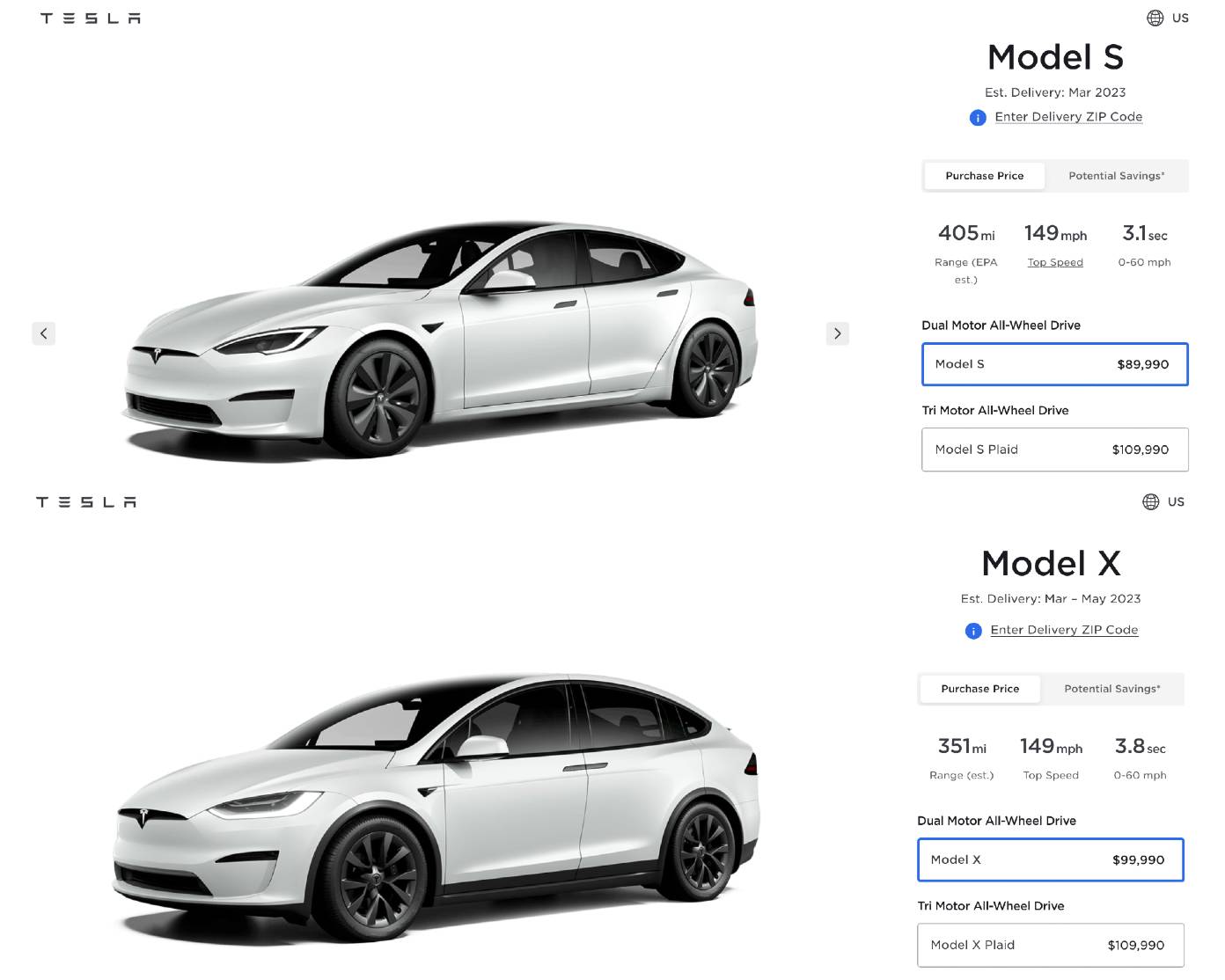
As of the current market cycle, the Tesla Model S is primarily offered in two distinct tiers: the dual-motor All-Wheel Drive (Long Range) and the tri-motor Plaid. The price gap between these two is substantial—often exceeding $15,000 to $20,000. For the investor-minded buyer, the question is whether the marginal utility of the Plaid’s performance justifies the increased capital expenditure. From a purely financial standpoint, the base Model S often represents a more stable “value play,” as the higher-performance trims typically experience steeper initial depreciation.
The “Hidden” Upfront Costs
The sticker price is rarely the final “out-the-door” cost. Buyers must account for a non-refundable order fee and a destination/documentation fee, which typically adds around $1,390 to $1,600 to the total. Furthermore, the selection of paint colors, interior themes, and wheel upgrades can inflate the price by an additional $5,000 to $10,000. Perhaps the most significant financial decision is the inclusion of “Full Self-Driving” (FSD) capability. At a cost of several thousand dollars (or a monthly subscription), FSD is a unique software asset that may—or may not—hold its value in the secondary market.
The Used Market and Refurbished Assets
For those looking to optimize their cash flow, the used market offers a different entry point. A 2021 or 2022 “Refresh” Model S provides many of the modern technological advantages at a significantly lower cost basis than a brand-new 2024 model. However, buyers must be wary of “out-of-warranty” risks, which can turn a budget-friendly used purchase into a financial liability.
2. Total Cost of Ownership: Beyond the Purchase Price
In personal finance, the “sticker price” is the tip of the iceberg. The Total Cost of Ownership (TCO) is where the Tesla Model S distinguishes itself from internal combustion engine (ICE) competitors like the Mercedes-Benz S-Class or the BMW 7 Series.
Fuel Savings and Energy Efficiency
The primary financial driver for switching to an EV is the reduction in “fuel” costs. Charging a Model S at home during off-peak hours can result in a cost-per-mile that is 60% to 80% lower than a gasoline vehicle in the same luxury class. Over a five-year ownership period (assuming 12,000 miles per year), these savings can equate to $5,000 to $10,000, effectively acting as a deferred discount on the purchase price.
Maintenance and Long-term Reliability
The mechanical simplicity of the Model S—lacking oil changes, spark plugs, and complex transmission systems—reduces the frequency of routine maintenance. However, it is a fallacy to assume the car is “maintenance-free.” The Model S is a heavy, high-torque vehicle, which leads to accelerated tire wear. A set of high-performance tires for a Model S can cost $1,500 to $2,000 and may need replacement every 20,000 miles. Additionally, while regenerative braking extends the life of brake pads, the air suspension and complex electronics represent potential high-cost repairs once the four-year/50,000-mile warranty expires.
Insurance Premiums and Risk Management
One of the often-overlooked financial burdens of the Model S is the cost of insurance. Due to the high cost of aluminum body repairs and the sophisticated sensor suites, insurance premiums for a Tesla are frequently 30% to 50% higher than the national average for luxury sedans. Smart investors should solicit insurance quotes before finalizing a purchase to ensure the monthly “carry” of the vehicle fits within their budget.
3. Depreciation and Asset Value Volatility
Depreciation is the single largest expense for any new car buyer. For the Tesla Model S, depreciation has historically been a complex and sometimes volatile metric.
Market Price Adjustments and Residual Value
Tesla is known for making sudden, aggressive price cuts on new inventory. While this is great for new buyers, it can be catastrophic for the residual value of existing owners’ assets. For instance, a price cut of $10,000 on new models instantly reduces the trade-in value of one-year-old models by a similar margin. This “market volatility” makes the Model S a higher-risk asset compared to more conservative luxury brands that maintain strict pricing discipline.
The “Tech-on-Wheels” Obsolescence Factor
Unlike a classic Porsche, which might retain value based on mechanical craftsmanship, the Model S is a technology product. Much like a smartphone, older versions become less desirable as new processors, cameras, and battery chemistries emerge. The “Raven” drivetrain update in 2019 and the “Plaid” refresh in 2021 created clear demarcations in value. Owners must understand that they are buying a piece of hardware that is subject to the rapid pace of Silicon Valley innovation.
Resale Strategies: Private Sale vs. Trade-In
To maximize the recovery of capital, owners must be strategic about their exit. Tesla’s own trade-in offers are often lower than market value to account for the company’s lack of a traditional “used car lot” infrastructure. Utilizing third-party EV-specific marketplaces can often yield a 5% to 10% higher return, mitigating some of the depreciation losses.
4. Financial Incentives, Taxes, and Acquisition Strategies
The “how much” of a Tesla Model S is also influenced by the buyer’s tax bracket and the way they choose to structure the acquisition.
Federal and State Tax Credits
While the Model S often exceeds the price cap for the $7,500 federal EV tax credit in the United States (which currently favors SUVs/Trucks under $80k and sedans under $55k), state-level incentives still exist. Some states offer rebates, sales tax exemptions, or high-occupancy vehicle (HOV) lane access, which has an intangible but real “time-is-money” value for professionals.
Leasing vs. Financing: The Opportunity Cost of Capital
In a high-interest-rate environment, the decision between leasing and financing is critical.
- Leasing: Provides a hedge against depreciation. If the market value of the Model S craters due to a new battery breakthrough, the lessee simply returns the car. However, Tesla leases often do not allow for a “buyout” at the end of the term, meaning you cannot capture any potential equity.
- Financing: With a significant down payment, financing allows the owner to eventually hold the title. However, the opportunity cost of tying up $80,000+ in a depreciating asset must be weighed against investing that same capital in the S&P 500 or other income-generating vehicles.
Business Use and Section 179 Considerations
For entrepreneurs and business owners, the Model S may offer tax advantages if used for business purposes. While it does not meet the 6,000-pound Gross Vehicle Weight Rating (GVWR) required for a full Section 179 “hummer tax loophole” deduction, it can still be depreciated using standard MACRS schedules or mileage deductions. Consult with a tax professional to determine if the Model S can be classified as a business asset to offset taxable income.
Conclusion: Is the Tesla Model S a Sound Financial Decision?
Determining “how much” a Tesla Model S costs requires a holistic view of the market. It is an investment in a high-performance ecosystem. While the upfront cost is significant—ranging from $75,000 to over $110,000 depending on configuration—the long-term financial narrative is shaped by low operating costs and the potential for volatile depreciation.
For the affluent consumer, the Model S represents a shift from “variable expenses” (gas and maintenance) to “fixed capital costs” (higher purchase price and insurance). Ultimately, the Model S makes the most financial sense for high-mileage drivers who can take advantage of home charging and for those who value the integration of software and transportation, provided they are prepared for the unique depreciation curves of the modern EV market.
aViewFromTheCave is a participant in the Amazon Services LLC Associates Program, an affiliate advertising program designed to provide a means for sites to earn advertising fees by advertising and linking to Amazon.com. Amazon, the Amazon logo, AmazonSupply, and the AmazonSupply logo are trademarks of Amazon.com, Inc. or its affiliates. As an Amazon Associate we earn affiliate commissions from qualifying purchases.