
For the modern investor or the high-net-worth individual, the purchase of a vehicle is rarely just about transportation; it is an exercise in capital allocation. When asking “how much are Tesla Model S cars,” the answer extends far beyond the initial sticker price. To understand the true cost of a Model S, one must analyze the acquisition cost, the total cost of ownership (TCO), and the asset’s peculiar relationship with depreciation in a volatile automotive market.
As of late 2023 and into 2024, the Tesla Model S occupies a unique niche in the luxury sedan market. It is no longer the only premium electric vehicle (EV) available, but it remains the benchmark for financial comparison against rivals from Lucid, Porsche, and Mercedes-Benz.
1. The Initial Capital Outlay: Understanding Current Market Pricing
The primary barrier to entry for the Tesla Model S is the MSRP, which has seen significant fluctuations over the past 24 months. Tesla’s aggressive pricing strategy—often adjusted to meet quarterly delivery targets—means that the “cost” is a moving target.
The Model S Dual Motor All-Wheel Drive
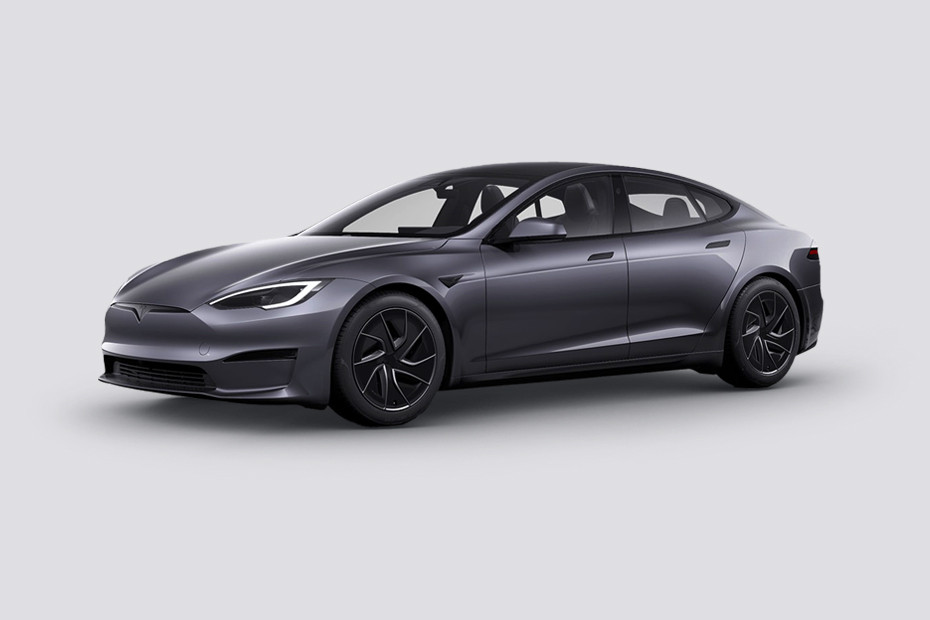
The entry point for the Model S line is the Dual Motor AWD variant. Currently positioned in the mid-$70,000 range, this model represents the “value” play within the flagship lineup. From a personal finance perspective, this vehicle competes with executive sedans like the BMW 5 Series or the Audi A6. However, unlike its internal combustion engine (ICE) counterparts, the base Model S comes standard with a level of performance and software integration that usually requires five-figure upgrades in legacy brands.
The Model S Plaid: The Premium for Performance
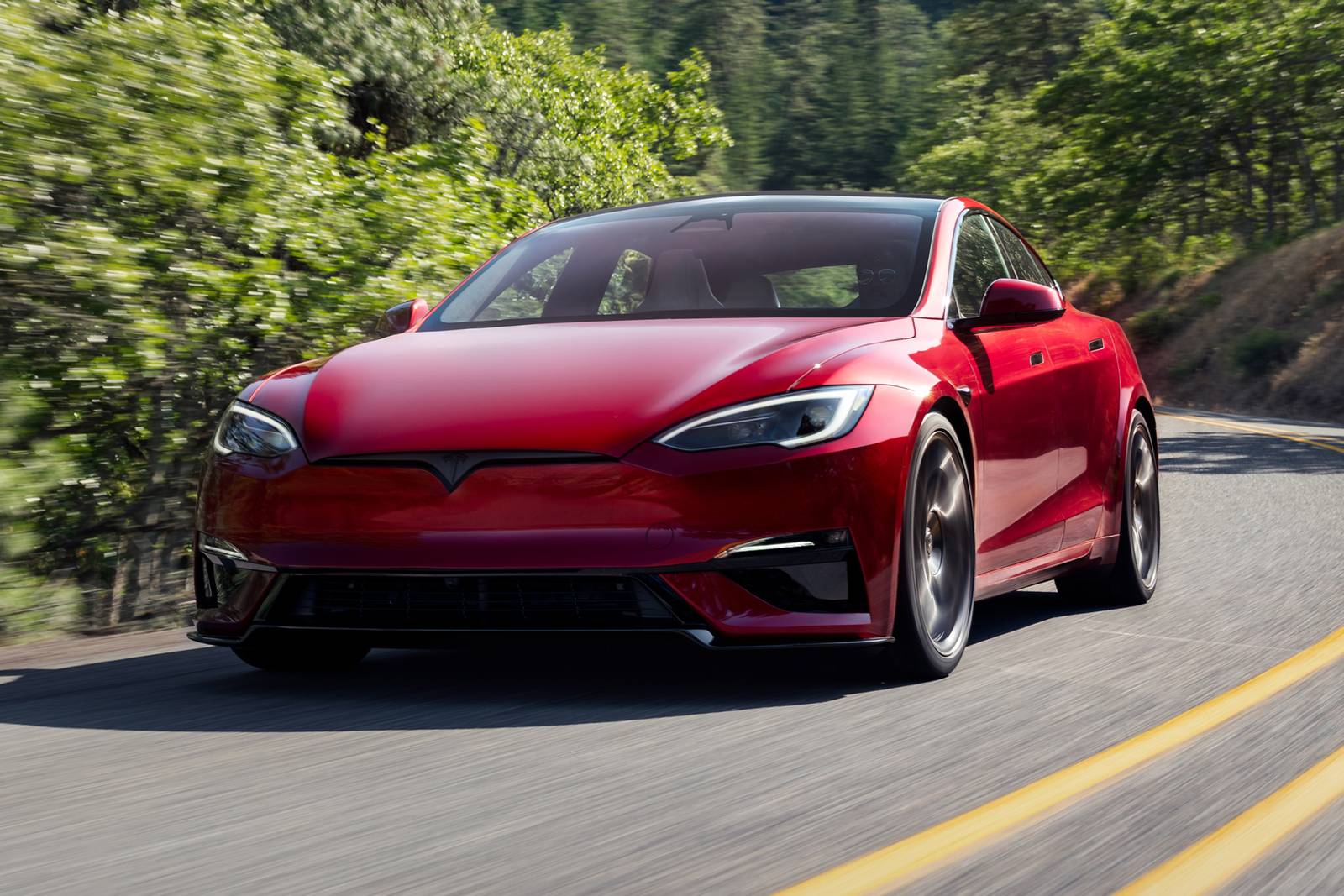
For those prioritizing the highest tier of engineering, the Model S Plaid starts in the high-$80,000 to low-$90,000 range. From a financial standpoint, the $15,000 to $20,000 delta between the base and the Plaid must be weighed against its utility. While the Plaid offers record-breaking acceleration, its resale value traditionally follows a steeper depreciation curve than the base model, as the secondary market for hyper-performance sedans is narrower.
Customization and Hidden Upfront Costs
The “price” of a Model S often inflates during the configuration process. Premium paint colors (up to $2,500), 21-inch Arachnid wheels ($4,500), and the cream or white interior upgrades ($2,000) can quickly push a base model toward the $85,000 mark. Furthermore, “Full Self-Driving” (FSD) capability is a significant financial consideration. At a one-time cost of $8,000 (subject to change) or a monthly subscription fee, buyers must decide if this software asset adds equivalent value to the vehicle’s long-term utility or resale potential.
2. Total Cost of Ownership (TCO): The Long-Term Financial Equation
The brilliance of the Tesla Model S from a “Money” perspective lies not in its purchase price, but in its operational efficiency. To calculate the true cost, an owner must look at the three-to-five-year horizon.
Energy Arbitrage: Charging vs. Fossil Fuels
The most immediate financial benefit is the reduction in “fuel” costs. Depending on local utility rates, charging a Model S at home typically costs about one-third to one-fourth the price of gasoline for an equivalent luxury sedan. For an owner driving 12,000 miles per year, this can result in annual savings of $1,500 to $2,500. When projected over a five-year ownership cycle, the Model S effectively “rebates” nearly $10,000 of its purchase price through energy savings alone.
Maintenance and the “Missing” Service Schedule
Traditional luxury cars are notorious for high-cost maintenance schedules—oil changes, transmission flushes, spark plug replacements, and brake pads. The Model S eliminates the majority of these line items. Because of regenerative braking, brake pads on a Tesla can last well over 100,000 miles. However, a savvy financial planner should account for the “Tesla Tax” on tires. Due to the vehicle’s immense weight (from the battery) and high torque, tires tend to wear out 20-30% faster than on a standard car, representing a recurring $1,200 to $1,800 expense every two to three years.
Insurance Premiums and the Risk Profile
A critical and often overlooked cost is insurance. The Model S is categorized as a high-performance luxury vehicle with a high repair-cost profile due to its aluminum intensive structure and specialized sensors. Insurance premiums for a Model S can be 30% to 50% higher than a similarly priced Lexus or Volvo. Prospective owners should secure quotes before purchase to ensure the monthly “carrying cost” fits within their budget.

3. Depreciation and Resale Value: Navigating a Volatile Asset
Vehicles are typically depreciating assets, but the Model S has experienced a roller-coaster trajectory in the secondary market. Understanding this volatility is key to timing a purchase or sale.
The Impact of New Car Price Cuts
In 2023, Tesla drastically lowered the price of new Model S vehicles. While this was a win for new buyers, it significantly harmed the equity of existing owners. This serves as a case study in “brand-induced depreciation.” When the manufacturer cuts new prices, the used market must follow suit immediately. Investors should view the Model S as a “utility asset” rather than a “store of value.”
Comparative Resale Value
Historically, Teslas held their value better than almost any other luxury brand. However, as the market has saturated, the Model S now follows a more traditional luxury depreciation curve—losing approximately 40% to 50% of its value over three years. For the financially minded buyer, this makes the two-year-old “Certified Pre-Owned” Model S an incredibly attractive proposition, allowing the first owner to absorb the steepest part of the depreciation curve.
Battery Longevity and Market Perception
The “residual value” of a Model S is heavily tied to the health of its battery pack. Tesla’s 8-year/150,000-mile warranty on the battery and drive units provides a financial safety net. As these vehicles cross the 100,000-mile mark, the market’s confidence in battery longevity will dictate whether the car retains a “floor” value or drops toward zero. Current data suggests that Tesla batteries retain over 90% of their capacity even after high mileage, which supports a higher resale floor than many skeptics anticipated.
4. Financing and Strategic Tax Advantages
The final piece of the “how much” puzzle involves how you pay for the vehicle. In the realm of business finance, the Model S offers specific levers that can be pulled to lower the effective cost.
Leasing vs. Financing
Tesla’s leasing programs are often less attractive than their financing options because Tesla does not always allow lessees to buy out the car at the end of the term (though this varies by model and year). From a wealth-building perspective, traditional financing through a credit union—which often offers lower rates for EVs—allows the owner to build equity in the asset.
Tax Credits and Income Limits
Under the current U.S. federal guidelines (Inflation Reduction Act), the Model S generally does not qualify for the $7,500 federal tax credit for individuals because its MSRP exceeds the $55,000 cap for sedans. This is a vital financial distinction. While the Model 3 and Model Y might offer a tax-subsidized entry point, the Model S is a full-freight luxury purchase. However, some state-level incentives in places like Colorado or California may still apply, offering a few thousand dollars in localized rebates.
The Section 179 Deduction Myth
Many business owners look to Section 179 for “heavy” vehicle tax write-offs. It is important to note that the Model S does not meet the 6,000-pound Gross Vehicle Weight Rating (GVWR) required for the full “SUV” deduction. However, it can still be depreciated as a business asset under standard luxury auto limits. Consulting a CPA is essential to determine if a Model S purchase can be leveraged as a pre-tax business expense, which could effectively “discount” the car by the owner’s marginal tax rate.
Conclusion: Is the Model S a Sound Financial Decision?
When answering “how much are Tesla Model S cars,” the figure is more than a $75,000 or $90,000 transaction. It is the sum of a significant upfront investment, balanced by remarkably low operational costs, and countered by the risks of aggressive depreciation.
For the individual focused on cash flow, the Model S is a winner; its monthly “fuel” and maintenance costs are unmatched in the luxury segment. For the individual focused on balance sheet equity, the Model S requires a more cautious approach, as price volatility and depreciation can erode net worth faster than gasoline savings can replenish it. Ultimately, the Model S represents a shift in the financial philosophy of car ownership: moving away from recurring variable expenses and toward a singular, upfront investment in technology and efficiency.
aViewFromTheCave is a participant in the Amazon Services LLC Associates Program, an affiliate advertising program designed to provide a means for sites to earn advertising fees by advertising and linking to Amazon.com. Amazon, the Amazon logo, AmazonSupply, and the AmazonSupply logo are trademarks of Amazon.com, Inc. or its affiliates. As an Amazon Associate we earn affiliate commissions from qualifying purchases.