
Taxation is often viewed as an unavoidable burden, a fixed cost of participating in a civilized society. However, for the financially savvy individual or business owner, taxes are not a fixed expense but a variable one that can be managed through proactive planning and strategic decision-making. Paying less in taxes is not about evasion; it is about tax avoidance—the legal utilization of the tax regime to your own advantage to minimize the amount of tax that is payable.
In the realm of personal finance and wealth management, tax efficiency is one of the most powerful tools for accelerating net worth. Every dollar saved in taxes is a dollar that can be reinvested, saved for retirement, or used to fund a life goal. This comprehensive guide explores the multifaceted strategies available to taxpayers to reduce their liability, ranging from retirement contributions and investment tactics to business-related deductions.
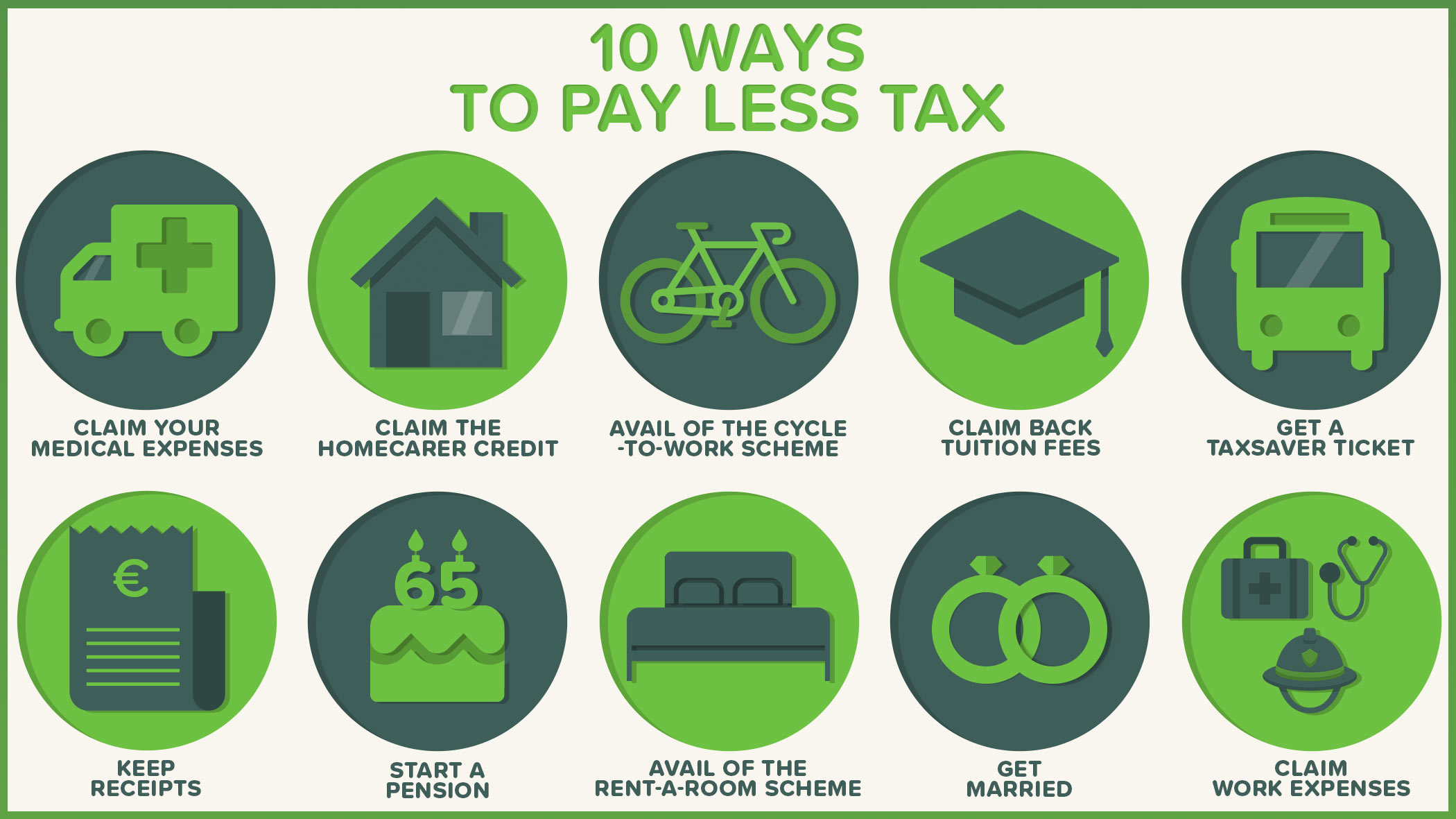
Leveraging Retirement Accounts for Immediate Tax Relief
The most accessible and perhaps the most effective way to lower your taxable income is through contributions to tax-advantaged retirement accounts. The government incentivizes long-term saving by allowing taxpayers to shield a portion of their income from immediate taxation.
Traditional 401(k) and 403(b) Contributions
For many employees, the Traditional 401(k) (or 403(b) for non-profit employees) is the primary vehicle for tax reduction. Contributions to these accounts are made “pre-tax,” meaning the money is taken out of your paycheck before federal and state taxes are calculated. For example, if you earn $80,000 a year and contribute $15,000 to your 401(k), the IRS only views your taxable income as $65,000. This not only lowers your current tax bill but can also potentially drop you into a lower tax bracket altogether.
The Power of the Traditional IRA
If you do not have access to an employer-sponsored plan, or if you wish to supplement one, the Traditional Individual Retirement Account (IRA) offers similar benefits. Depending on your income level and whether you or your spouse are covered by a retirement plan at work, contributions to a Traditional IRA may be fully or partially tax-deductible. This “above-the-line” deduction reduces your Adjusted Gross Income (AGI), which is a key metric used to determine your eligibility for other tax credits and deductions.
Health Savings Accounts (HSAs): The Triple Tax Advantage
Often overlooked as a retirement tool, the Health Savings Account (HSA) is arguably the most tax-efficient vehicle in existence. To qualify, you must be enrolled in a High Deductible Health Plan (HDHP). The HSA offers a triple tax advantage: contributions are tax-deductible (or pre-tax via payroll), the funds grow tax-free through investments, and withdrawals for qualified medical expenses are tax-free. Unlike a Flexible Spending Account (FSA), HSA funds roll over year after year, allowing them to serve as a secondary retirement fund for healthcare costs in later life.
Understanding Deductions and Credits: Lowering Your Taxable Income
While retirement accounts focus on deferred taxation, deductions and credits focus on reducing the liability of the current year. Understanding the distinction between these two is vital for effective tax planning.
Standard Deduction vs. Itemized Deductions
Every taxpayer has the choice between taking the standard deduction—a fixed dollar amount that reduces the income you’re taxed on—or itemizing deductions. Since the Tax Cuts and Jobs Act of 2017, the standard deduction has nearly doubled, making it the more attractive option for the majority of Americans. However, if your specific expenses—such as mortgage interest, state and local taxes (up to $10,000), medical expenses exceeding 7.5% of AGI, and charitable contributions—exceed the standard deduction threshold, itemizing can lead to significant tax savings.
Essential Tax Credits: The Dollar-for-Dollar Reducers
While deductions reduce the amount of income subject to tax, tax credits are even more valuable because they provide a dollar-for-dollar reduction in the actual tax you owe. For instance, the Child Tax Credit and the Earned Income Tax Credit (EITC) provide substantial relief to families and low-to-moderate-income earners. Additionally, the Child and Dependent Care Credit can help offset the costs of daycare or elder care, directly lowering the final bill on your Form 1040.
Deductible Education and Student Loan Expenses
The government provides several ways to recoup the costs of higher education. The American Opportunity Tax Credit (AOTC) and the Lifetime Learning Credit (LLC) provide credits for tuition and fees. Furthermore, even if you do not itemize, you may be able to deduct up to $2,500 of interest paid on qualified student loans. This is another “above-the-line” deduction that lowers your AGI regardless of whether you choose the standard deduction.
Investment Strategies to Minimize Capital Gains Taxes

For those with significant brokerage accounts, the way you manage your investments can have a profound impact on your tax liability. Taxes on investment growth can erode returns if not managed carefully.
Tax-Loss Harvesting: Turning Losses into Benefits
Tax-loss harvesting is the practice of selling an investment that is trading at a loss to offset capital gains realized elsewhere in your portfolio. If your losses exceed your gains, you can use up to $3,000 of the excess loss to offset your ordinary income, such as your salary. Any remaining loss can be carried forward to future tax years. This strategy allows investors to “clean up” their portfolios while simultaneously creating a tax shield.
The Importance of Long-Term Holding Periods
The duration for which you hold an asset determines the rate at which it is taxed. Assets held for one year or less are subject to short-term capital gains taxes, which are taxed at your ordinary income tax rate (potentially as high as 37%). However, assets held for more than one year are taxed at long-term capital gains rates (0%, 15%, or 20%), which are significantly lower for most taxpayers. Strategic patience is therefore one of the simplest ways to pay less in taxes.
Dividend Reinvestment and Tax-Efficient Mutual Funds
Not all investments are created equal in the eyes of the IRS. Qualified dividends are taxed at the lower long-term capital gains rates, while non-qualified dividends are taxed as ordinary income. Furthermore, some mutual funds are “tax-inefficient” because they frequently buy and sell securities, triggering capital gains distributions that shareholders must pay taxes on, even if they didn’t sell their shares in the fund. Switching to index funds or Exchange Traded Funds (ETFs), which generally have lower turnover, can minimize these “phantom” taxes.
Tax Optimization for Entrepreneurs and Side Hustlers
With the rise of the gig economy and online income, more individuals are finding themselves in the role of a business owner. This shift opens up a vast array of tax-saving opportunities that are unavailable to traditional W-2 employees.
Maximizing Business Expense Deductions
The IRS allows business owners to deduct “ordinary and necessary” expenses required to run their business. This includes everything from marketing and advertising costs to software subscriptions, professional services, and travel for business purposes. The key to maximizing these deductions is meticulous record-keeping. By documenting every legitimate business expense, an entrepreneur can significantly lower their net business income, which is the figure upon which they are taxed.
Home Office Deductions and Equipment Write-offs
If you use a portion of your home exclusively for business, you may be eligible for the home office deduction. This allows you to deduct a percentage of your rent or mortgage interest, utilities, and insurance based on the square footage of your workspace. Additionally, under Section 179, business owners can often deduct the full cost of equipment (like computers, furniture, or machinery) in the year it was purchased, rather than depreciating it over several years. This provides an immediate and substantial tax break.
Choosing the Right Business Structure
The legal structure of your business—whether it’s a Sole Proprietorship, an LLC, an S-Corp, or a C-Corp—has massive tax implications. For many small business owners, electing S-Corp status can be a game-changer. An S-Corp allows owners to be treated as employees, paying themselves a “reasonable salary” subject to payroll taxes, while taking the remaining profit as a distribution, which is not subject to self-employment tax (Social Security and Medicare). This strategy can save thousands of dollars annually in payroll taxes.
Long-Term Financial Planning and Charitable Giving
Finally, tax planning should be integrated into your broader philanthropic and estate planning goals. Giving back to society can be done in a way that provides maximum benefit to both the recipient and your tax return.
Donor-Advised Funds (DAFs)
A Donor-Advised Fund allows you to make a charitable contribution, receive an immediate tax deduction, and then recommend grants from the fund to your favorite charities over time. This is particularly useful in a “high-income year.” You can “bunch” several years’ worth of charitable giving into one year to exceed the standard deduction threshold and maximize your itemized deductions.
Gifting Appreciated Securities
Instead of donating cash, consider donating appreciated stocks or mutual funds that you have held for more than a year. By doing this, you avoid paying capital gains tax on the appreciation, and you can still deduct the full fair market value of the asset (up to certain AGI limits). This is a dual-benefit strategy: the charity receives the full value of the stock, and you eliminate a future tax liability.

The Role of Estate Planning in Tax Efficiency
While federal estate tax only applies to very high-net-worth individuals, many states have lower thresholds for estate or inheritance taxes. Strategic gifting—giving up to the annual exclusion amount to family members—can reduce the size of your taxable estate over time. Furthermore, utilizing trusts can help protect assets and ensure they are passed to heirs in the most tax-efficient manner possible.
In conclusion, paying less in taxes is a multi-layered process that requires a proactive mindset. By maximizing retirement contributions, understanding the nuances of deductions and credits, managing investments with an eye on capital gains, and leveraging business-related tax breaks, you can significantly reduce your annual tax burden. Tax planning is not a one-time event at the end of the year; it is a year-round strategy that, when executed correctly, serves as a cornerstone of long-term financial freedom.
aViewFromTheCave is a participant in the Amazon Services LLC Associates Program, an affiliate advertising program designed to provide a means for sites to earn advertising fees by advertising and linking to Amazon.com. Amazon, the Amazon logo, AmazonSupply, and the AmazonSupply logo are trademarks of Amazon.com, Inc. or its affiliates. As an Amazon Associate we earn affiliate commissions from qualifying purchases.