
Major League Soccer (MLS) has evolved from a fledgling experiment in the mid-1990s into a powerhouse of North American sports commerce. While fans focus on the goals and the tactical maneuvers on the field, the structure of the league—specifically the number of games in the MLS regular season—is a meticulously calculated financial decision. As of the current era, each team plays 34 games in the regular season. This number is not arbitrary; it is the linchpin of a complex ecosystem involving multi-billion dollar broadcasting deals, localized match-day revenue, and the overall appreciation of franchise valuations.
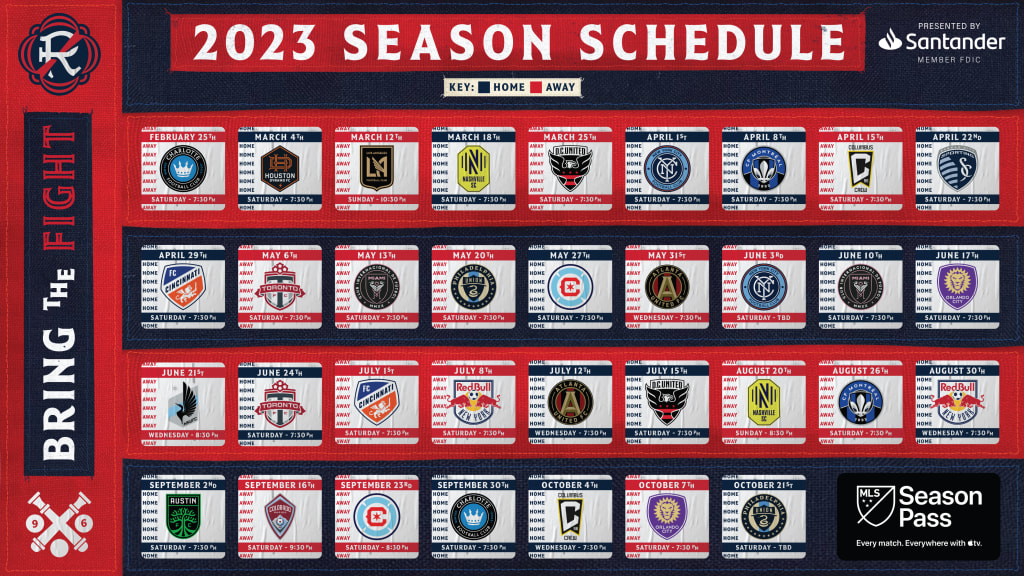
Understanding the 34-game slate requires looking past the scoreboard and into the balance sheets of the league’s 29 (and soon to be 30) clubs. In the world of professional sports, the “regular season” is the primary product, and the volume of that product determines the ceiling for growth, sustainability, and investor interest.
The Structure of the MLS Schedule: A Financial Blueprint
The MLS regular season consists of 34 matches for each club, split evenly between 17 home games and 17 away games. In a league that spans the vast geography of the United States and Canada, this structure is designed to maximize commercial exposure while managing the significant overhead costs associated with cross-continental travel.
Balancing Inventory and Scarcity
In economics, value is often derived from the balance of supply and demand. For MLS owners, 17 home games represent the “inventory.” This number is high enough to generate consistent cash flow throughout the spring, summer, and autumn, yet low enough to maintain a sense of urgency for ticket buyers. Unlike Major League Baseball, which plays 81 home games and often struggles with half-empty stadiums on weeknights, MLS utilizes its 17-game home schedule to ensure higher capacity utilization. Higher demand for a limited number of dates allows clubs to implement dynamic pricing models, maximizing the revenue per seat.
The Leagues Cup and Supplemental Revenue
While the regular season is fixed at 34 games, the introduction of the Leagues Cup—a mid-season tournament featuring every team from MLS and Liga MX—has effectively increased the “inventory” without technically altering the regular-season count. From a business perspective, this is a masterstroke. It provides additional high-value matches for broadcasters and sponsors, tapping into the lucrative Mexican-American market and increasing the total number of competitive matches played on North American soil.
Broadcasting Rights and the Apple TV Revolution
The most significant shift in the financial landscape of MLS occurred with the landmark 10-year, $2.5 billion global broadcasting partnership with Apple. This deal transformed the 34-game regular season into a digital-first product, accessible to fans in over 100 countries.
The Value of Consistency
Broadcasters pay for volume and reliability. A 34-game season provides a predictable content calendar that Apple can use to drive subscriptions to “MLS Season Pass.” For a tech giant like Apple, the data harvested from millions of viewers watching a standardized number of games is invaluable. The consistency of the schedule allows for the “MLS 360” whip-around show, which creates a centralized hub for advertising and sponsorship integration. The more games there are, the more “ad spots” and “brand integrations” can be sold, but the league must be careful not to dilute the quality of the product.
The “Messi Effect” and Global Scalability
The arrival of Lionel Messi to Inter Miami CF drastically shifted the ROI (Return on Investment) calculations for the regular season. Every one of the 34 games became a global event. Apple and MLS saw a massive surge in international subscriptions, proving that the regular season schedule is no longer just a domestic product. By maintaining a 34-game structure, the league ensures that its biggest stars are visible enough to justify premium subscription prices, but not so overplayed that injury risks threaten the league’s primary marketing assets.
Game Day Revenue: The Local Economic Engine
While national and international media deals provide the “floor” for a club’s valuation, the “ceiling” is determined by local match-day income. For an MLS franchise, the 17 home games of the regular season are the primary drivers of the local business model.

Ticketing and Premium Seating
The 34-game season allows clubs to package season ticket memberships that are affordable yet lucrative. A significant portion of a club’s annual revenue comes from the “contracted” income of season ticket holders. Furthermore, the rise of “Soccer Specific Stadiums” (SSS) has allowed owners to control 100% of the revenue generated during these 17 home windows. This includes luxury suites, club seats, and “pitch-side” experiences that cater to high-net-worth individuals and corporate partners. These premium offerings often account for a disproportionate share of the total match-day profit.
Concessions, Merchandise, and Ancillary Spend
The “per-cap” spend (the average amount a fan spends inside the stadium) is a critical metric for MLS executives. Over 17 home games, a club with an average attendance of 20,000 can generate tens of millions of dollars in ancillary revenue. From $15 craft beers to $120 authentic jerseys, the regular season serves as a recurring retail event. Additionally, many clubs have moved toward “lifestyle” branding, where the stadium becomes a destination for dining and entertainment even on non-match days, though the 34-game schedule remains the primary catalyst for foot traffic.
Corporate Partnerships and Jersey Sponsorships
In the soccer business model, the uniform is a roaming billboard. The 34-game regular season provides the “impressions” that corporate sponsors demand when they sign multi-million dollar deals for jersey fronts (the “kit sponsor”) and sleeves.
Maximizing Brand Impressions
A 34-game season, supplemented by playoffs and tournaments, ensures that a sponsor’s logo is broadcast for at least 3,060 minutes per year (excluding stoppage time). For brands like UnitedHealthcare, Alaska Airlines, or Target, the value of the MLS regular season lies in its demographic reach. MLS fans are typically younger, more tech-savvy, and more diverse than fans of other major North American leagues. The regular season schedule is the vehicle through which these brands achieve consistent engagement with this coveted “Gen Z” and “Millennial” audience.
Naming Rights and Local Integration
The 17 home games are the foundation of stadium naming rights deals. Companies pay eight-figure sums to have their name on a building, but that value is tied to the number of “event days.” While concerts and other sports add value, the 17 guaranteed MLS regular season games provide the consistent media mentions and physical visibility that justify the investment. As the league grows, the “cost per game” for these naming rights continues to climb, reflecting the increasing prestige of the MLS brand.
Expansion and the Future of Franchise Valuation
Perhaps the most telling sign of the financial health of the MLS regular season is the astronomical rise in expansion fees. In the early 2000s, an MLS franchise could be purchased for $10 million. Recently, the expansion fee for San Diego FC was reported at approximately $500 million.
Scarcity and the 30-Team Limit
As the league nears its 30-team cap, the 34-game schedule becomes a puzzle of logistical and financial optimization. More teams mean more markets, more local TV deals, and more jersey sponsors. However, the league must balance this with the “dilution of talent” and the physical limits of the players. The “Money” aspect of expansion isn’t just the entry fee; it’s the equity growth for all existing owners. As the league becomes more profitable through its 34-game regular season cycle, the “intrinsic value” of every team rises.
The Path to a $1 Billion Franchise
Major League Soccer is currently chasing the valuations of the NFL and NBA. For an MLS club to reach a $1 billion valuation, the regular season must continue to evolve. This might eventually involve a slight increase in games, a restructuring of the divisional format to reduce travel costs, or further integration with global betting markets. Sports betting, in particular, thrives on the volume of games; the 34-game regular season provides a massive data set for “in-game” betting, which represents the next frontier of revenue for the league.

Conclusion: The Calculated Value of 34
The question of “how many games in the MLS regular season” is answered with the number 34, but the reasoning behind that number is purely financial. It is the optimal point where player performance, fan engagement, and commercial monetization intersect.
Through the lens of “Money,” the MLS regular season is a sophisticated machine designed to generate reliable cash flow through tickets and concessions, attract massive capital through global broadcasting deals, and build long-term equity through expansion and brand prestige. As the league continues to mature, the 34-game schedule will remain the bedrock upon which the future of North American soccer—and its billion-dollar ambitions—is built.
aViewFromTheCave is a participant in the Amazon Services LLC Associates Program, an affiliate advertising program designed to provide a means for sites to earn advertising fees by advertising and linking to Amazon.com. Amazon, the Amazon logo, AmazonSupply, and the AmazonSupply logo are trademarks of Amazon.com, Inc. or its affiliates. As an Amazon Associate we earn affiliate commissions from qualifying purchases.