
In the modern digital landscape, the real estate industry is often viewed through the lens of consumer-facing applications like Zillow or Redfin. However, beneath the polished user interfaces of these platforms lies a sophisticated, high-speed technological infrastructure known as the Multiple Listing Service (MLS). While many perceive the MLS as a simple list of homes for sale, it is, in reality, a complex suite of proprietary software, standardized databases, and interconnected APIs that facilitate the exchange of billions of dollars in assets.
Understanding the MLS from a technological perspective reveals a fascinating study in data normalization, cloud computing, and digital cooperation. It serves as the primary engine for property data, ensuring that information is accurate, synchronized, and secure across a fragmented network of local and regional brokers.

The Architecture of Information: Understanding the MLS as a Digital Ecosystem
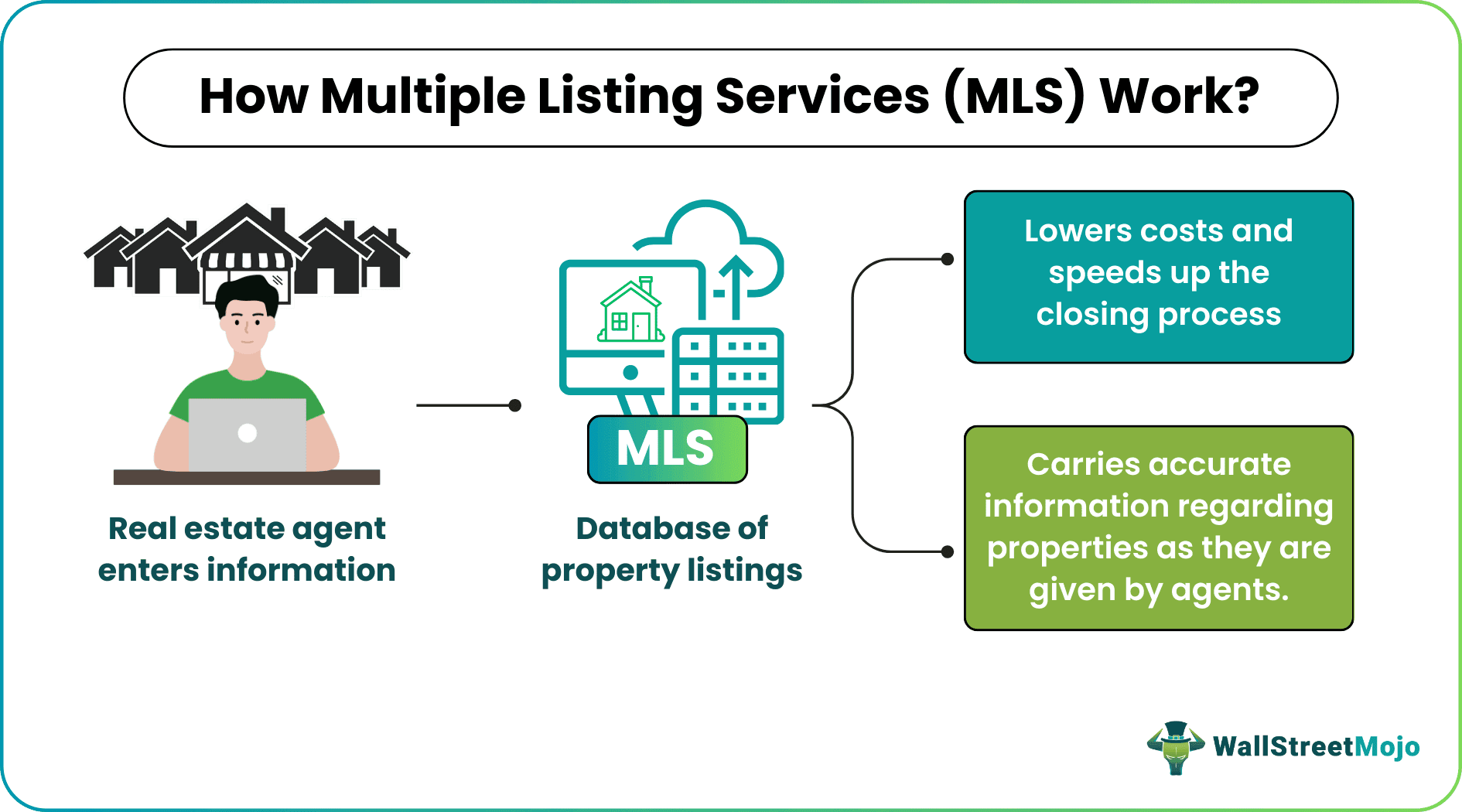
The MLS is not a single, monolithic entity but rather a network of over 500 regional databases in the United States alone. To understand its tech stack, one must view it as a specialized Content Management System (CMS) designed for high-stakes, time-sensitive data.
From Paper Ledgers to Cloud-Native Databases
Decades ago, real estate agents shared information via physical books that were updated weekly. Today, the MLS operates on high-availability cloud servers that provide sub-second latency for updates. The transition to a digital-first environment required a massive overhaul of how property attributes (square footage, zoning codes, tax history) are categorized. Modern MLS systems utilize relational databases that allow for complex querying, enabling agents to filter through thousands of parameters to find specific matches for their clients.
Centralized Data Management and RESO Standards
One of the greatest technical challenges in real estate has been data fragmentation. Historically, every local MLS used its own naming conventions for data fields—one might use “Half-Bath” while another used “Partial Bathroom.”
To solve this, the Real Estate Standards Organization (RESO) created the Data Dictionary. This is a technical “Rosetta Stone” that ensures interoperability. By standardizing thousands of fields, RESO allows different software applications to communicate seamlessly. When a developer builds a new AI tool for real estate, they don’t have to write 500 different integrations; they build to the RESO standard, allowing the technology to scale across the entire MLS network.
Software Integration and API Connectivity
The power of an MLS is not just in storing data, but in how it distributes that data to the wider ecosystem. This is achieved through a sophisticated series of protocols that allow third-party applications to “talk” to the central database.
How MLS Data Feeds Power Global Platforms
When a property is listed on a local MLS, it appears on global search engines almost instantaneously. This is made possible through Web API technology. Unlike older methods like RETS (Real Estate Transaction Standard), which required downloading massive “bulk” files of data and storing them locally, modern Web APIs allow for real-time “on-demand” data fetching.
This technological shift has significantly reduced the overhead for PropTech startups. By utilizing OpenID Connect for security and OData (Open Data Protocol) for querying, the MLS provides a streamlined pipeline that ensures a listing’s status (Active, Pending, or Sold) is synchronized across the entire internet.
The Role of IDX and VOW in Modern Web Portals
For the average user, the “Tech” of the MLS is experienced through Internet Data Exchange (IDX). IDX is the software policy and technical framework that allows brokers to display MLS listings on their proprietary websites.
From a coding perspective, an IDX integration involves embedding a search engine into a website that pulls directly from the MLS server. There is also the Virtual Office Website (VOW) protocol, which is a more data-intensive feed. While IDX provides “marketing” data, VOW feeds provide deeper historical data, tax records, and neighborhood analytics, requiring a more robust backend to handle the increased data load and stricter security requirements.
Security, Authentication, and Data Integrity
Because the MLS contains sensitive information—including showing instructions, security codes for properties, and private contact information—the security protocols surrounding these databases are rigorous.
Access Control and Permission-Based Architecture
The MLS operates on a “walled garden” model. Access is strictly controlled through Multi-Factor Authentication (MFA) and Single Sign-On (SSO) solutions. From a software engineering standpoint, the MLS must manage complex permission tiers. A licensed broker has different write-permissions than a junior agent, and an unlicensed assistant might have read-only access to specific modules.
This granular permissioning is managed through robust Identity and Access Management (IAM) systems. This ensures that while the “public” data is syndicated to the world, the “private” metadata remains encrypted and accessible only to verified professionals.
Maintaining Real-Time Accuracy through Automated Validation
Data integrity is the lifeblood of the MLS. If the data is wrong, the market fails. To prevent “dirty data,” MLS platforms employ automated validation scripts and business logic. For example, if an agent attempts to list a house with 50 bedrooms in a 1,000-square-foot footprint, the system’s backend validation will flag the entry as a likely error.
Furthermore, geocoding engines are integrated into the listing process to verify the physical existence of a property against GIS (Geographic Information System) databases. This layer of tech prevents fraudulent listings and ensures that the mapping data provided to GPS services is pinpoint accurate.
The Future of MLS: AI, Big Data, and Blockchain
As we look toward the next generation of property technology, the MLS is evolving from a static repository into an intelligent data platform. The integration of emerging technologies is set to redefine how we interact with property data.
Predictive Analytics and Machine Learning
With decades of historical sales data, the MLS is a goldmine for Machine Learning (ML). Tech-forward MLS platforms are now integrating predictive analytics to forecast market trends. By analyzing “Days on Market” (DOM) and price fluctuation patterns across millions of data points, these systems can provide agents with “probability of sale” scores for new listings.
Additionally, Computer Vision—a branch of AI—is being used to analyze listing photos automatically. Instead of an agent manually typing in “hardwood floors” or “stainless steel appliances,” AI algorithms scan the uploaded images, identify the features, and auto-populate the data fields, further increasing data accuracy and searchability.
Moving Toward a Unified National Tech Standard
While the U.S. currently has hundreds of individual MLS organizations, there is a strong technological push toward “Regionalization” and “Data Sharing.” This involves creating “Mega-MLSs” or unified data shares where multiple organizations use a single software instance.
The ultimate goal is a “headless” MLS architecture, where the data layer is completely separated from the user interface. This would allow for a more agile tech environment where different regions could share a backend database while using different front-end applications tailored to their specific market needs.
The Prospect of Blockchain in Property Records
While still in its infancy, there is significant research into using blockchain technology to supplement MLS systems. A blockchain-based MLS could provide an immutable ledger of a property’s “digital twin,” including every repair, lien, and ownership change. By decentralizing the record-keeping, the industry could theoretically reduce the need for manual title searches and speed up the “escrow” phase of a transaction, which is currently a bottleneck in the digital real estate pipeline.
Conclusion
The Multiple Listing Service is far more than a digital bulletin board; it is a sophisticated technological ecosystem that ensures the liquidity and transparency of the real estate market. Through the implementation of RESO standards, high-speed APIs, and robust security frameworks, the MLS has successfully navigated the transition from the analog world to the digital age.
As AI and big data continue to permeate the industry, the MLS will remain the foundational layer of the PropTech stack. For developers, agents, and tech enthusiasts alike, understanding the internal mechanics of the MLS is essential to understanding the future of how we buy, sell, and interact with the physical world through a digital interface.
aViewFromTheCave is a participant in the Amazon Services LLC Associates Program, an affiliate advertising program designed to provide a means for sites to earn advertising fees by advertising and linking to Amazon.com. Amazon, the Amazon logo, AmazonSupply, and the AmazonSupply logo are trademarks of Amazon.com, Inc. or its affiliates. As an Amazon Associate we earn affiliate commissions from qualifying purchases.