
In the modern real estate landscape, technology serves as the invisible framework upon which every transaction is built. At the heart of this framework lies the Multiple Listing Service, commonly known as the MLS. While the average homebuyer might view the MLS as a mere website or a list of available homes, tech professionals and industry insiders recognize it as a sophisticated, centralized data ecosystem. It is the original “Big Data” project of the property world, predating the modern internet and evolving into a complex suite of software tools, APIs, and data standards that power billion-dollar platforms like Zillow, Redfin, and Realtor.com.
Understanding the MLS from a technological perspective requires looking past the front-end user interface and diving into the database architecture, security protocols, and integration layers that allow thousands of independent brokerages to synchronize information in near real-time.
Deciphering the MLS: A Centralized Data Ecosystem
The MLS is not a single, global software application; rather, it is a network of over 500 regional databases in the United States alone. Each of these databases acts as a localized “clearinghouse” of information. From a technical standpoint, the MLS is a cooperative data exchange platform that solves the “fragmented data problem” inherent in a localized industry like real estate.
The Architecture of Cooperation
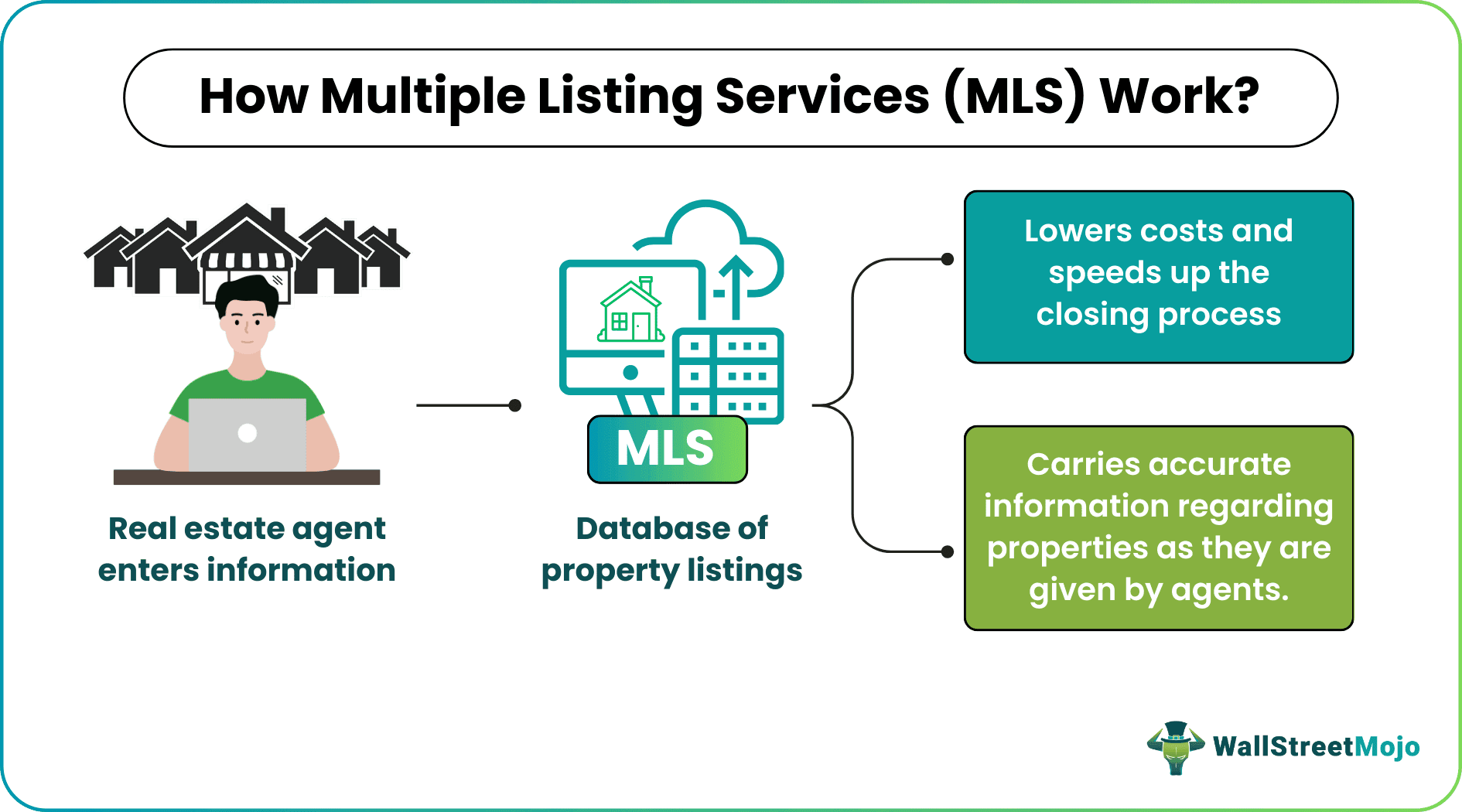
The fundamental architecture of an MLS is built on the principle of data reciprocity. In a standard SaaS environment, data is often siloed to protect a company’s competitive advantage. However, the MLS operates on a “give-to-get” model. Participating brokerages contribute their proprietary listing data—including high-resolution imagery, historical pricing, and granular property specifications—into a shared regional server.
This creates a high-velocity data environment. When a listing is updated in the database (e.g., a status change from “Active” to “Pending”), the system propagates that change across the network. This ensures that every participant has access to a “single source of truth,” preventing the data latency issues that plagued the industry during the era of physical ledger books.
Proprietary vs. Open-Source Data Standards
One of the greatest challenges in real estate technology has been the lack of uniformity. Historically, different MLS regions used disparate data schemas, making it nearly impossible for software developers to create national tools. To combat this, the tech side of the MLS has moved toward standardization through organizations like RESO (Real Estate Standards Organization).
By adopting a Common Data Dictionary, the MLS ensures that a field labeled “Bathrooms” in a New York database means the same thing as “Bathrooms” in a California database. This transition from proprietary, clunky data structures to standardized Web APIs has paved the way for the “PropTech” revolution, allowing third-party developers to build innovative apps on top of the MLS foundation.
How the MLS Powers the Real Estate Technology Stack
The MLS does not exist in a vacuum; it is the primary engine fueling an entire ecosystem of digital tools. From digital marketing platforms to automated valuation models, the technology stack of a modern real estate agent is entirely dependent on the data feeds provided by the MLS.
IDX and the Democratization of Data
Internet Data Exchange, or IDX, is the software policy and set of protocols that allow real estate agents to display MLS listing data on their own private websites. Technologically, this is achieved through a data feed—traditionally using the RETS (Real Estate Transaction Standard) protocol, though now increasingly moving toward more modern Web APIs.
IDX is what allows a small, boutique brokerage to offer a search experience that rivals national portals. By pulling a filtered “read-only” version of the MLS database, these websites provide consumers with real-time updates. This democratization of data ensured that the power of information was not concentrated in the hands of a few tech giants, but distributed across the professional community.
API Integrations: Connecting Brokers to the Cloud
Modern MLS platforms are no longer closed loops. They are increasingly “API-first,” meaning they are designed to talk to other software. For example, when an agent enters a new listing into the MLS, that data can be automatically pushed via API to:
- CRM Systems: To alert potential buyers of new matches.
- Social Media Automation: To generate “Just Listed” ads.
- Electronic Signature Platforms: To auto-populate contracts with property details.
- Virtual Tour Software: To link 3D walkthroughs directly to the listing page.
This interoperability is what defines the modern real estate professional’s workflow, transforming the MLS from a static database into a dynamic hub of productivity.
From Ledger Books to AI: The Evolution of Listing Platforms
The history of the MLS is a history of technological progression. What began as physical books exchanged at local board meetings has evolved into a cloud-native environment utilizing artificial intelligence and machine learning.
The Shift to Mobile-First Architecture
In the early 2000s, MLS systems were notorious for having “clunky” user interfaces designed for desktop browsers. The rise of the smartphone forced a massive technical overhaul. Current MLS platforms utilize responsive design and native mobile applications that leverage GPS technology. This allows agents to access the database while standing in front of a property, pulling up “off-market” data, tax records, and zoning information instantly. The shift to mobile-first architecture required a complete rewrite of legacy codebases, moving away from local hosting toward scalable cloud solutions like AWS and Azure.
Predictive Analytics and Automated Valuation Models (AVMs)
Perhaps the most significant tech advancement within the MLS is the integration of predictive analytics. By analyzing decades of historical data stored within the MLS, software can now predict market trends with startling accuracy.
AI-driven Automated Valuation Models (AVMs) use the MLS’s deep data sets to calculate a property’s value by comparing it to thousands of similar data points (comps). Furthermore, modern MLS systems use “Computer Vision” (a subset of AI) to analyze listing photos. These tools can automatically identify features like “hardwood floors” or “granite countertops,” tagging the data without human intervention and improving the searchability of the database.
Data Integrity and Cybersecurity in Real Estate Networks
Because the MLS contains highly sensitive information—including seller contact details, alarm codes for lockboxes, and proprietary transaction histories—security is a paramount technical concern. The MLS is a high-value target for data scrapers and cybercriminals, necessitating robust digital defense mechanisms.
Governing the Quality of Big Data
A database is only as good as the data entered into it. MLS technology includes sophisticated “business rules” engines that validate data in real-time. If an agent attempts to list a house with zero bedrooms or a price of $1, the system flags the error immediately. This automated data scrubbing ensures that the “Big Data” output of the MLS remains clean and reliable for the secondary apps and websites that rely on it.
Protecting Sensitive Transactional Information
Cybersecurity in the MLS space involves more than just password protection. Modern systems employ multi-factor authentication (MFA) and sophisticated encryption for data at rest and in transit. Furthermore, “Listing Shambling” and anti-scraping technologies are used to prevent unauthorized bots from stealing proprietary imagery and data. As real estate transactions become increasingly digital, the MLS serves as a secure vault for the documentation that facilitates the transfer of trillions of dollars in assets.
The Future of MLS: Blockchain, Interoperability, and Beyond
As we look toward the next decade, the technology of the MLS is poised for another radical transformation. The focus is shifting from simple data storage to “smart” data distribution and decentralized verification.
Tokenization and Distributed Ledgers
There is significant discussion in the tech community regarding the role of blockchain in the MLS. While the MLS currently acts as a centralized authority, a distributed ledger could theoretically allow for a more transparent and immutable record of property history. Every repair, every lien, and every price change could be “tokenized,” creating a permanent digital twin of the physical property. While we are in the early stages, the integration of blockchain could further secure the MLS against fraud and simplify the title search process.
Seamless Global Data Standards (RESO)
The final frontier for MLS technology is global interoperability. Organizations like the Real Estate Standards Organization (RESO) are working to ensure that the technological successes of the North American MLS model can be exported globally. By creating a universal “language” for real estate data, the goal is to allow a developer in London to build a tool that works seamlessly with an MLS in Chicago.
In conclusion, the MLS is far more than a “search site.” it is a sophisticated technological achievement that balances the competitive needs of businesses with the cooperative needs of a functional marketplace. By leveraging APIs, AI, and rigorous data standards, the MLS continues to be the most vital piece of technology in the real estate industry, ensuring that the path from “For Sale” to “Sold” is powered by the best data possible.
aViewFromTheCave is a participant in the Amazon Services LLC Associates Program, an affiliate advertising program designed to provide a means for sites to earn advertising fees by advertising and linking to Amazon.com. Amazon, the Amazon logo, AmazonSupply, and the AmazonSupply logo are trademarks of Amazon.com, Inc. or its affiliates. As an Amazon Associate we earn affiliate commissions from qualifying purchases.