
The question “how many MLS teams” might seem like a simple inquiry into the league’s current size, but for those entrenched in the world of business finance and sports investing, it unravels a complex and compelling narrative of growth, valuation, and economic strategy. Major League Soccer has undergone a remarkable transformation from a fledgling organization to a significant player in the global sports landscape. Its consistent expansion isn’t merely about adding new cities; it’s a meticulously planned financial gambit, driven by soaring franchise values, increasing media rights, and a booming investment ecosystem. Understanding the exact number of teams at any given moment is less important than appreciating the underlying financial mechanisms and opportunities that this growth signifies. This article delves into the financial intricacies of MLS expansion, exploring how the increasing number of teams drives economic impact, investment, and future financial projections for one of North America’s fastest-growing sports leagues.
The Strategic Economics of League Expansion
The decision to expand a professional sports league is never arbitrary; it’s a calculated move with profound financial implications. For MLS, each new team represents an expansion of its brand footprint, certainly, but more importantly, it signifies a new market for revenue generation, a fresh pool of investors, and an additional stream of capital through substantial expansion fees. This process is a testament to the league’s financial strategy, balancing aggressive growth with long-term stability.
Understanding Expansion Fees: A Golden Ticket
One of the most immediate and significant financial aspects of MLS expansion is the formidable expansion fee. What began as a modest sum in the league’s early days has skyrocketed, reflecting the increasing desirability and perceived value of an MLS franchise. Early expansion fees were in the tens of millions; by the late 2010s and early 2020s, they had surpassed $300 million for new markets like Charlotte and St. Louis, and are projected to reach $500 million or more for future teams. These fees represent pure capital injection directly into the league, distributed among existing ownership groups. This influx of cash allows the league to invest in infrastructure, marketing, and player development initiatives, further enhancing its overall value proposition. For investors, paying such a fee is a declaration of confidence in the league’s future profitability, betting on the continued appreciation of their asset. It underscores that owning an MLS team is no longer a passion project but a serious business venture with a high barrier to entry.
Market Selection and Demographic Dividend
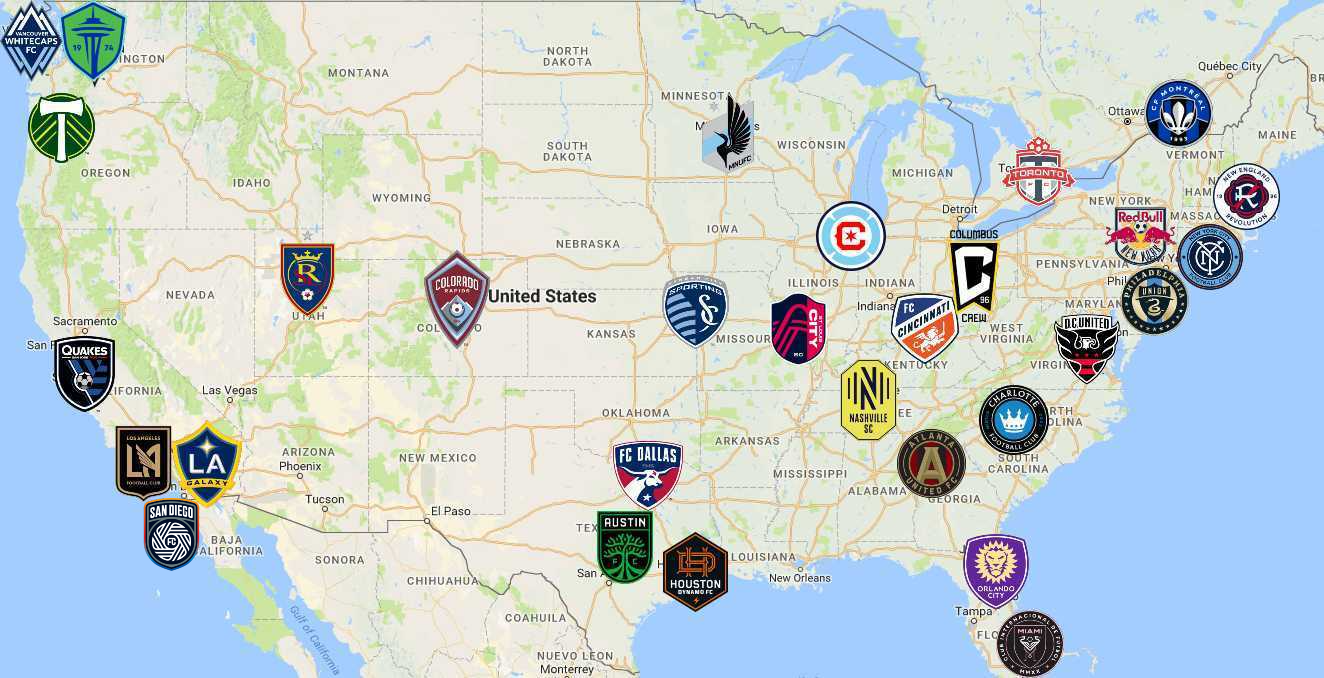
The choice of expansion cities is a critical financial decision, meticulously driven by demographic analysis and market potential. MLS targets large, underserved metropolitan areas with strong growth trajectories, diverse populations, and a demonstrable passion for soccer. Cities like Atlanta, Seattle, and Portland have showcased how tapping into the right market can lead to explosive growth in attendance, merchandise sales, and local sponsorship revenue. The “demographic dividend” refers to the financial upside derived from selecting markets with a young, affluent, and ethnically diverse population – demographics that align perfectly with soccer’s global appeal and offer significant long-term consumer spending potential. These markets not only promise robust fan bases but also present fertile ground for corporate partnerships and media engagement, crucial for maximizing a franchise’s financial returns. The strategic placement of teams ensures that the league’s expanded footprint translates directly into increased financial viability across the board.
Balancing Growth with Financial Stability
While expansion fees and market potential are enticing, the league must carefully balance rapid growth with the imperative of financial stability. Over-expansion can dilute talent, saturate markets, and strain resources. MLS has historically employed a single-entity ownership structure, which, while sometimes criticized, has provided a degree of financial stability by allowing centralized control over player contracts and revenue sharing. This structure helps mitigate the risks associated with rapid expansion, ensuring that new teams can integrate without destabilizing the economic ecosystem of the existing clubs. The league’s measured approach, often taking time between expansion rounds, reflects a commitment to ensuring each new market has the infrastructure, ownership commitment, and fan base necessary for sustained financial success, rather than simply chasing short-term fee windfalls.
Franchise Valuations: A Booming Investment
The increasing number of MLS teams is a direct testament to the league’s soaring franchise valuations, transforming team ownership into an increasingly attractive and lucrative investment opportunity. What was once considered a speculative investment has matured into a robust asset class, drawing significant capital from high-net-worth individuals and institutional investors alike.
Driving Factors Behind Soaring Team Values
Several factors contribute to the exponential rise in MLS franchise values. Firstly, the aforementioned expansion fees establish a new floor for valuation, effectively resetting market expectations with each new team entering the league. Secondly, the rapid growth in fan engagement, evidenced by consistently high attendance figures and a burgeoning television audience, signals a strong and growing consumer base. Thirdly, the strategic development of soccer-specific stadiums – state-of-the-art venues that enhance the matchday experience and provide additional revenue streams through events and concessions – significantly boosts a team’s asset value. Finally, the appreciation of media rights, both domestic and international, as soccer’s popularity continues to surge in North America, provides a substantial and predictable revenue stream, making franchises more appealing to investors focused on long-term cash flow. The cumulative effect of these drivers makes MLS teams a highly sought-after investment.
The Ownership Landscape: Who’s Investing and Why?
The profile of MLS ownership groups has evolved dramatically. Early investors were often local businessmen with a passion for the sport, but today’s landscape includes billionaires, institutional investment funds, and even celebrity figures with diverse financial portfolios. These sophisticated investors are not merely buying a sports team; they are acquiring a significant media asset, a real estate opportunity (especially with stadium developments), and a gateway to a growing demographic. Their motivations are multifaceted: capital appreciation, diversified investment portfolios, the prestige associated with sports ownership, and the potential for synergistic ventures with existing businesses. The increasing number of teams means more opportunities for such investors to enter the market, further driving up demand and, consequently, valuations across the league. This shift underscores MLS’s transition from a niche sporting endeavor to a mainstream financial asset.
Comparing MLS to Global Sports Investment
While still trailing established giants like the NFL, NBA, and Premier League in overall valuation, MLS is rapidly closing the gap with many international leagues and showing a higher growth rate in valuation compared to many North American counterparts. The league’s relatively young age, combined with the immense untapped market potential in North America, positions it as a prime target for sports investors looking for significant returns. The limited supply of top-tier sports franchises globally, coupled with increasing demand, makes MLS teams a valuable commodity. Comparisons often highlight MLS’s advantageous position in a major global economy with a burgeoning interest in soccer, offering a unique blend of stability, growth potential, and a relatively accessible entry point compared to more mature and exclusive leagues.
Revenue Streams: Fueling the Ecosystem
The growth in the number of MLS teams directly correlates with the expansion and diversification of the league’s revenue streams. Each new market brings fresh opportunities to generate income, creating a robust financial ecosystem that sustains and fuels further growth.
Gate Receipts and Matchday Experience
With each additional team, the league expands its capacity for generating gate receipts, a cornerstone of team revenue. Successful MLS franchises consistently draw large crowds, with many teams boasting attendance figures comparable to or exceeding those of NBA and NHL teams in their respective markets. The development of soccer-specific stadiums plays a crucial role here, enhancing the fan experience with modern amenities, creating vibrant game-day atmospheres, and offering opportunities for premium seating and hospitality packages. Beyond ticket sales, matchday revenue includes concessions, merchandise, and parking, all of which contribute significantly to a team’s bottom line. More teams mean more games, more tickets sold, and more opportunities for fans to engage financially with their local club.
Media Rights and Broadcasting Deals
As the number of teams grows and the geographic reach of the league expands, so does its value to broadcasters. A larger league with more regional appeal commands higher media rights fees. MLS has recently secured lucrative broadcasting deals, recognizing the league’s growing viewership and its appeal to a younger, more digitally native demographic. These media deals are critical, providing a substantial and reliable revenue stream that is shared among the teams, bolstering their financial stability and contributing to their overall valuation. The ability to offer a broader content package to networks, featuring more teams and diverse markets, makes MLS an increasingly attractive proposition in the competitive sports media landscape.
Sponsorships and Commercial Partnerships
An expanding league with more teams creates a larger canvas for corporate sponsorships and commercial partnerships. National sponsors gain access to a wider audience across multiple markets, while local businesses can connect with their communities through team-specific sponsorships. From jersey sponsors to stadium naming rights, and official league partners, these agreements inject significant capital into both the league and individual clubs. The increasing professionalism and marketing sophistication of MLS teams make them attractive partners for brands seeking to align with a dynamic, growing sport that resonates with diverse consumer segments. Each new team opens up dozens of new sponsorship opportunities, fueling the financial engine of the league.
Player Transfers and Asset Management
Unlike many American sports leagues, MLS participates actively in the global player transfer market. This system allows teams to buy and sell player contracts, creating an additional revenue stream that can be substantial. Developing talented players, signing them to favorable contracts, and then selling them to international clubs for profit has become an increasingly sophisticated form of asset management for MLS franchises. This strategy not only generates income but also enhances the league’s global reputation as a developer of talent, attracting more promising young players. As the league grows and its talent pool deepens, the financial returns from player transfers are expected to continue their upward trajectory.
Financial Impact on Host Cities and Local Economies
The addition of an MLS team, and indeed the expansion of the league as a whole, extends far beyond the direct finances of the club; it delivers a substantial economic ripple effect throughout its host city and local economy. Each new team represents a significant investment in urban development and community revitalization.
Job Creation and Urban Development
A new MLS team brings with it a wave of job creation, both directly and indirectly. Beyond the players, coaches, and front-office staff, there are positions in stadium operations, concessions, security, merchandise, and event management. Furthermore, the development of new stadiums or the renovation of existing facilities often spurs construction jobs and associated urban development projects. These ventures can revitalize neglected areas, transform cityscapes, and create new hubs for entertainment and commerce, driving up local property values and stimulating sustained economic activity.
Tourism and Ancillary Business Growth
MLS match days transform into major events, drawing not only local fans but also supporters from rival cities, particularly for regional derbies. This influx of visitors boosts local tourism, leading to increased spending in hotels, restaurants, bars, and retail establishments. Beyond individual games, the presence of a professional sports team often encourages year-round economic activity around its stadium district. Businesses strategically locate near these venues to capitalize on consistent foot traffic and event-driven demand, leading to sustained growth in the service and hospitality sectors.
Infrastructure Investment: Stadiums and Training Facilities
A hallmark of MLS expansion is the commitment to soccer-specific stadiums and state-of-the-art training facilities. These are not merely operational expenses; they are significant infrastructure investments that benefit the broader community. Modern stadiums often integrate public spaces, transit improvements, and multi-purpose facilities that can host other events, driving non-matchday revenue and community engagement. Training facilities, too, can serve as youth academies, fostering local talent and providing valuable resources for community sports programs, creating a long-term economic and social asset for the region.
The Future Financial Trajectory of MLS
The trajectory of MLS, with its ongoing expansion and increasing number of teams, points towards a future of continued financial growth and heightened global relevance. However, this growth will require strategic navigation of evolving market dynamics and innovative financial planning.
Navigating Market Saturation and Competition
As MLS continues to expand, the league will eventually face the challenge of market saturation. While North America still offers significant untapped potential, there’s a finite number of cities that can sustainably support a top-tier professional soccer team. The league will need to carefully consider optimal market size, ensuring that new franchises don’t cannibalize existing fan bases or dilute the overall talent pool. Competition from other established North American sports leagues and the growing presence of international soccer leagues (e.g., Premier League, Liga MX) in the media landscape also requires continuous innovation in fan engagement and financial models to maintain relevance and attract investment.
Global Appeal and International Investment
MLS is increasingly recognized on the global stage, attracting renowned players, coaches, and, crucially, international investors. As the number of teams grows, so does the league’s global footprint, making it more appealing to overseas capital seeking opportunities in a stable, growing market. Strategic partnerships with international clubs and leagues, as well as the participation in global tournaments, will further enhance MLS’s brand and financial appeal, opening new avenues for revenue generation through international media rights, sponsorship, and player movement. The diverse ownership groups of MLS teams reflect this global confidence in the league’s financial future.
Innovation in Fan Engagement and Digital Revenue
The future financial health of MLS will heavily rely on its ability to innovate in fan engagement, particularly through digital platforms. Investing in cutting-edge broadcast technology, interactive fan experiences, e-sports initiatives, and personalized digital content will be crucial for retaining and growing viewership among younger demographics. Monetizing these digital touchpoints through subscriptions, microtransactions, and targeted advertising will create significant new revenue streams. As the number of teams increases, the sheer volume of content and fan interactions offers a fertile ground for digital innovation, further cementing MLS’s position as a forward-thinking and financially robust sports enterprise.
In conclusion, the question of “how many MLS teams” is far more than a simple headcount. It’s a barometer of the league’s aggressive growth strategy, its success in attracting monumental investments, and its significant financial impact on North American cities. Each new team added to the roster amplifies expansion fees, boosts franchise valuations, diversifies revenue streams, and injects economic vitality into local communities. As MLS continues its journey of expansion, its financial footprint promises to grow exponentially, solidifying its status as a major player in the global business of sport.
aViewFromTheCave is a participant in the Amazon Services LLC Associates Program, an affiliate advertising program designed to provide a means for sites to earn advertising fees by advertising and linking to Amazon.com. Amazon, the Amazon logo, AmazonSupply, and the AmazonSupply logo are trademarks of Amazon.com, Inc. or its affiliates. As an Amazon Associate we earn affiliate commissions from qualifying purchases.